







Global - English


How to Choose the Right Split Air Conditioner for Tropical Climates
When purchasing split air conditioners, climate conditions are often one of the most critical factors. Especially in high-temperature, persistently sultry environments, whether the air conditioner can run stably directly impacts the user experience. For tropical or extreme high-temperature regions, selecting a model with corresponding high-temperature resistance is particularly important. A suitable tropical air conditioner not only delivers comfortable indoor temperatures but also maintains stable operation in high-temperature environments, providing continuous cooling and preventing performance degradation.

What Is a Tropical Air Conditioner?
In tropical regions, summer temperatures often exceed 40°C. If the outdoor unit is installed on balconies, inside louvers, or in locations with poor ventilation, the local temperature will often be higher than the actual temperature. Ordinary air conditioners in such environments are prone to stop running due to high-temperature protection; especially during the hottest period of the day, their cooling capacity will drop significantly, making it difficult to maintain a constant indoor temperature. Tropical air conditioners, however, are designed for such extreme operating conditions, capable of continuously delivering stable cooling capacity in high-temperature environments to meet all-weather operation needs.
Air conditioners are usually climate-classified according to the applicable ambient temperature, and different countries and regions adopt corresponding technical standards. Among them, tropical air conditioners (Tropical AC) generally refer to models that can operate stably for a long time in high-temperature environments, suitable for the Middle East, Southeast Asia, Africa, and other high-temperature regions.
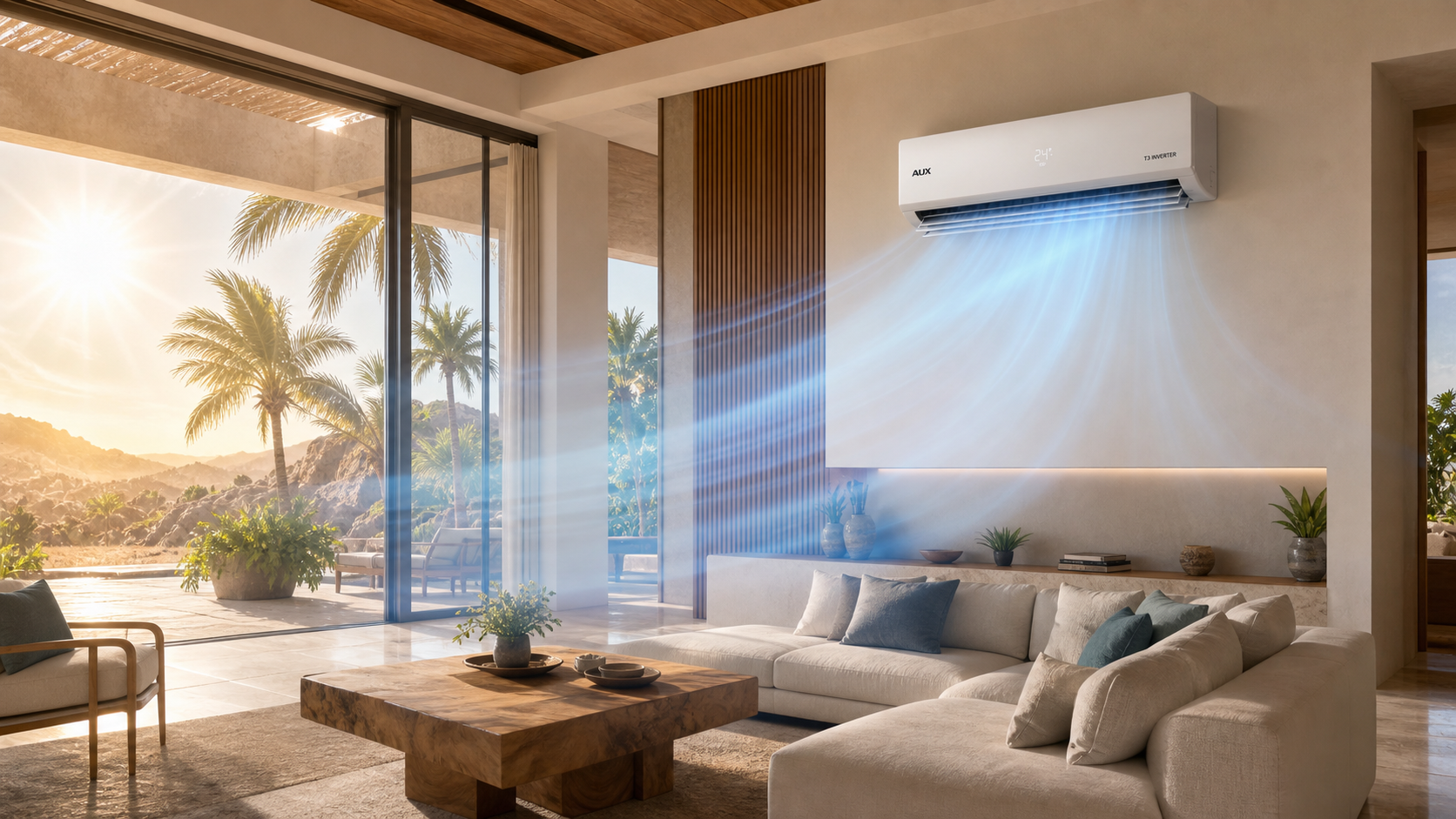
In industry standards, air conditioner climate adaptation classes are typically divided into T1, T2, and T3:
- T1 (Temperate type): Applicable to conventional temperate climates, it is the most common standard model globally, suitable for general household environments.
- T2 (Cold type): Applicable to lower temperature environments.
- T3 (Tropical type): Specially designed for high-temperature climates, capable of operating under extreme high-temperature conditions, suitable for long-term high-temperature regions.
Among them, the T3 class is usually regarded as the core standard for tropical air conditioners. Products of this class can maintain stable cooling performance under high ambient temperatures, avoiding protection shutdowns triggered by high temperatures, making them more suitable for use in regions where outdoor temperatures exceed 40°C for long periods.
What Is the Difference Between Tropical AC and Regular AC?
Choosing a tropical air conditioner in high-temperature regions is not a redundant configuration, but a necessity based on the actual usage environment. Ordinary air conditioners can operate normally under conventional climates, but under continuous high-temperature conditions, their performance is often affected, and protection shutdowns may even occur.
There are distinct differences in performance between ordinary air conditioners and tropical air conditioners in high-temperature environments, mainly manifested in heat resistance, compressor design, and cooling efficiency. Tropical air conditioners are optimized for high-temperature operating conditions and can maintain stable operation at higher ambient temperatures; on the other hand, ordinary air conditioners are prone to a decline in cooling capacity under extreme high temperatures, and their operational stability is also relatively weaker.
Temperature Performance
Why some air conditioners are prone to "strike" when encountering high temperatures has a lot to do with the "heat resistance" of the air conditioner. According to international standards, this is mainly reflected in the setting of the Climate Class.
- Ordinary air conditioners (T1 class): The upper limit of the designed operating environment is usually 43°C. Once the outdoor environment exceeds this critical point, the condenser of ordinary air conditioners will find it difficult to discharge heat outdoors, resulting in a sharp decline in cooling capacity. Under extreme heatwaves, the system often trips frequently due to triggering "overheat protection".
- Tropical air conditioners (T3 class): Specially designed for extreme high-temperature environments, their core operating capability covers the range of 50–52°C, and some high-end models can even maintain operation in extreme high temperatures around 60°C. It is not just about "not striking"; more importantly, it still maintains high cooling efficiency above 50°C, ensuring the indoors remains as cool as ever.
Compressor Design
The compressor is one of the core components of an air conditioner, and the normal operation of air conditioners in tropical regions often requires a stronger compressor.
- Enhanced compressor: Tropical air conditioners adopt dedicated T3-class compressors (usually rotary or twin-rotary compressors with high back-pressure designs). This type of compressor increases displacement and optimizes internal motor torque to overcome the high condensing pressure generated by the refrigerant in high-temperature environments.
- Stable operation at high temperatures: To cope with the thinning of lubricating oil at high temperatures, tropical compressors adopt synthetic refrigeration oil with higher viscosity and stronger heat resistance, and are equipped with a larger-capacity accumulator. Even in extreme high-temperature seasons lasting for months, it ensures that mechanical parts do not suffer from reduced lifespan due to wear and tear.
Corrosion Protection
Tropical regions are usually accompanied by high humidity, high salt spray (coastal), or dryness (wind and sand), which places demanding requirements on the physical lifespan of outdoor units.
- Anti-corrosion design: The heat exchanger fins of tropical air conditioners usually adopt anti-corrosion coatings such as Gold Fin or Blue Fin to improve corrosion resistance and lifespan under high-temperature and high-humidity environments. This special coating can effectively resist the erosion of salt spray and acid rain, preventing the fins from thinning or collapsing due to corrosion, which would lead to a decline in heat dissipation capability.
- Suitable for coastal and humid areas: In addition to the fins, the chassis shell of some tropical models adopts double-sided galvanized steel sheets with anti-corrosion spray-painting treatment; meanwhile, in high-humidity applications, circuit boards are usually covered with conformal coating to enhance moisture and corrosion resistance. This type of design helps the equipment maintain stable operation under high-humidity and high-salt environments such as coastal areas of Southeast Asia and the Middle East.
Cooling Efficiency
Under extreme climates, the challenge for air conditioners lies in how to maintain energy efficiency and stable output under high loads.
- High-load operational stability: Compared to ordinary air conditioners, whose performance declines significantly in high-temperature environments, tropical air conditioners are usually equipped with a larger-area condenser and an axial-flow fan design with higher airflow. This helps improve heat dissipation efficiency at high temperatures and reduce the system's condensing pressure, thereby maintaining a more stable cooling performance during high-load operation.
- Long-term running capability: Tropical air conditioners are typically optimized for long-term continuous operation conditions. Their electronic control systems feature a more comprehensive heat dissipation design; for instance, some models adopt refrigerant-cooled electronic substrates or enhanced heat dissipation paths to reduce the temperature rise of the circuit board under high-load operation, thereby minimizing the performance degradation of electronic components caused by prolonged high-temperature work. For commercial premises or specific industrial environments that require continuous cooling, this stability design offers greater adaptability.
| Comparison Dimension | Ordinary Air Conditioner (T1) | Tropical Air Conditioner (T3) |
|---|---|---|
| Applicable Climate | Mild or ordinary high-temperature climate | Tropical and extreme high-temperature climate |
| Standard Test Operating Conditions | Usually tested in a 35°C environment | Usually tested under 46°C high-temperature operating conditions |
| High-Temperature Operating Capability | Performance decline is obvious in high-temperature environments | Can usually operate stably in a 50 - 52°C environment, with some models supporting higher temperatures |
| System Design | Conventional cooling system design | Enhanced high-temperature operation design, adapting to higher condensing pressure |
What Is a Tropical Inverter Air Conditioner?
The higher the temperature, the higher the requirements for the air conditioner's cooling capacity, and at the same time, the operating load and energy consumption will both increase. In this environment, inverter air conditioners (add link) can automatically adjust the operating frequency according to actual temperature demands, reducing frequent starts and stops, making operation more stable. Compared to fixed-speed models, inverter air conditioners provide more continuous cooling and more stable temperature control under high-temperature conditions, therefore they often perform better and deliver more ideal results in extreme hot weather.
Why Inverter Is Important in Tropical Climate
In tropical and high-temperature areas, air conditioners usually need to run continuously for long periods. Models that adopt tropical inverter AC can maintain stable cooling under high-temperature operating conditions, reducing performance fluctuations caused by frequent starts and stops.
Tropical inverter technology helps improve the operational stability of the compressor in extreme environments, allowing the equipment to still maintain reliable performance under high-temperature conditions. Meanwhile, inverter AC for tropical climate is more precise in temperature control, capable of maintaining a more stable indoor environment, and achieving more reasonable energy consumption management during long-term operation.
Split Air Conditioner Selection Guide for Hot Climates
Living in tropical regions, the air conditioner is an appliance used almost every day. To truly obtain a stable and comfortable cooling effect, you cannot just look at the price or appearance when purchasing, but also need to consider comprehensively by integrating local climate and actual usage environments.
For instance, the room area needs to match the appropriate cooling capacity; whether the air conditioner can run stably in continuous high-temperature environments; and whether the machine possesses the corresponding adaptive capacity when encountering environments with high temperatures, high humidity, coastal salt spray, or heavy dust. These factors will all directly affect the air conditioner's cooling effect, energy consumption performance, as well as its subsequent lifespan.
For households that are in hot regions for long periods, choosing a split air conditioner that is truly suitable for local climate conditions is often more important than simply pursuing a low price.
How to Choose AC for High Temperature Areas
When selecting an air conditioner in high-temperature regions, what many people focus on most is "whether it cools down quickly", but in reality, what is more important is whether the air conditioner can run stably in a continuous high-temperature environment. Because in some hot regions, the outdoor summer temperature can exceed 45°C for long periods, where ordinary air conditioners are prone to cooling degradation, frequent shutdowns, and even high-temperature protection issues.
Therefore, when choosing a split air conditioner suitable for high-temperature areas, you can focus on the following aspects:
Check the Maximum Operating Temperature
The high-temperature resistance capabilities of different air conditioners are not the same. Ordinary household air conditioners are usually designed according to the T1 climate type, making them more suitable for mild climate environments; on the other hand, Tropical AC or T3 air conditioner designed for high-temperature regions can run continuously at higher ambient temperatures.
If summer temperatures in your region remain high for long periods, it is recommended to prioritize models that support extreme heat operation, as such products usually possess more stable cooling performance in high-temperature environments.
Choose the Right Cooling Capacity
high-temperature environments, the load on the air conditioner compressor will increase significantly. If the cooling capacity is insufficient, even with long-term operation, it is difficult for the indoor temperature to truly come down.
In addition to the room area, you also need to consider:
- Whether the room is exposed to the afternoon sun (west-facing)
- Whether the floor level is high
- Whether there are large-area glass windows
- The number of people in the room and the heat generation of appliances
These factors will all affect the actual cooling demand.
Select the Proper BTU Size
If the BTU is too small, the air conditioner will run at full load for a long time; if the BTU is too large, it may lead to frequent starts and stops and increase power consumption.
For example:
- Small bedroom: 9000 BTU
- Medium room: 12000 BTU
- Large living room: 18000 BTU or above
In high-temperature areas, it is recommended to appropriately upgrade by one level when selecting the BTU, which will make it easier to maintain a stable and comfortable temperature under extreme heat conditions.
Look for AC Models Designed for Extreme Heat
Not all split ACs are suitable for use in high-temperature regions. Models designed for tropical and desert climates usually feature enhancements in:
- Compressor high-temperature resistance
- Condenser heat dissipation efficiency
- High-temperature cooling stability
- Outdoor unit protection performance
If you are looking for an air conditioner for high temperature environments that is truly suitable for hot regions, it is recommended to focus on products that support the tropical climate or T3 climate labels.
Choosing AC for Hot & Humid Climate
In high-temperature and high-humidity regions, air conditioners not only need to cool down but also need to resolve the sultry feeling caused by damp air. Many times, indoor discomfort is not just because the temperature is high, but because the humidity is too great. Even if the air conditioner is already running, if the dehumidification effect is not good, the room will still feel sticky and stuffy.
Therefore, when choosing a split air conditioner suitable for a hot and humid climate, in addition to the basic cooling capacity, you also need to focus on the following aspects:
- Whether the dehumidification capacity is sufficient and whether it can effectively reduce indoor humidity
- Whether it comes with an anti-mold design to reduce the breeding of bacteria and mold in humid environments
- Whether the drainage system is stable to avoid water leakage or accumulation problems after long-term use
- Whether the outdoor unit and heat exchanger possess anti-corrosion performance, especially suitable for coastal or high-humidity areas
For households that are in a humid tropical climate for long periods, an air conditioner with stable dehumidification capacity and moisture-proof design is usually more practical than products that purely emphasize low-temperature cooling.
Choosing AC for Hot & Dry Climate
In hot and dry regions, the key problems faced by air conditioners are different from those in high-humidity environments. Although the humidity in the air is lower, the outdoor temperature is usually higher, and conditions such as heavy dust, intense sunlight, and dry air may also be present.
Therefore, when choosing a split air conditioner suitable for a hot & dry climate, you must not only focus on the cooling capacity but also give priority to the air conditioner's heat dissipation performance and long-term operational stability in high-temperature environments.
It is recommended to focus on the following aspects:
- Whether the heat dissipation efficiency is sufficient and whether it can maintain stable cooling in high-temperature environments
- Whether the energy efficiency ratio is high to reduce power consumption pressure caused by long-term operation
- Whether it features a dust-proof filtration design to reduce the impact of dust entering the inside of the machine
- Whether it possesses air quality management functions to enhance indoor air comfort
For regions with heavy dust or large temperature differences between day and night, an air conditioner with good heat dissipation capability and air filtration functions will be more suitable for long-term use.
Home Buying Guide
When purchasing a domestic tropical split air conditioner, it is recommended to focus on the following aspects:
- Whether the energy efficiency rating is high to reduce electricity bill pressure caused by long-term use
- Whether it adopts inverter technology to run more stably and save more energy in continuous high-temperature environments
- Whether the indoor unit operating noise is low, making it especially suitable for bedrooms and nighttime use
- Whether subsequent maintenance is convenient, such as filter cleaning, drainage systems, and anti-mold designs
- Whether the outdoor unit possesses anti-corrosion and high-temperature resistance capabilities, making it more suitable for tropical coastal or high-temperature regions
In addition, many households easily overlook the choice of air conditioner capacity when purchasing. If the BTU does not match the room area, even if the air conditioner itself has good performance, it may affect the actual cooling effect.
Before making a purchase, it is recommended to first understand the air conditioner capacity requirements corresponding to different room areas.
Recommended Tropical Split Air Conditioner Models
In tropical and subtropical regions, once ordinary air conditioners (T1 working conditions) encounter high temperatures exceeding 43°C, they are highly prone to frequent power outages or cooling failures. On the other hand, models certified under T3 climate working conditions (Tropical Climate) are "heat-resistant tough guys" born specifically to conquer scorching heat.
Why can these models conquer tropical scorching heat?
- Full-load operation at 52°C–60°C (some models can adapt to 65°C): T3 certified models can still cool stably during extreme heatwaves, without frequency reduction or downtime due to exposure of the outdoor unit to the blazing sun.
- Industrial-grade protective coating: Equipped with Gold Fin/Black Fin coatings as standard, giving the outdoor unit extremely strong resistance to acid rain and salt spray corrosion, while maintaining efficient heat exchange even during humid rainy seasons.
- Powerful inverter and long airflow: Powered by a T3 inverter compressor and paired with an ultra-long airflow distance of 12–15 meters, it easily covers large open spaces commonly found in the tropics.
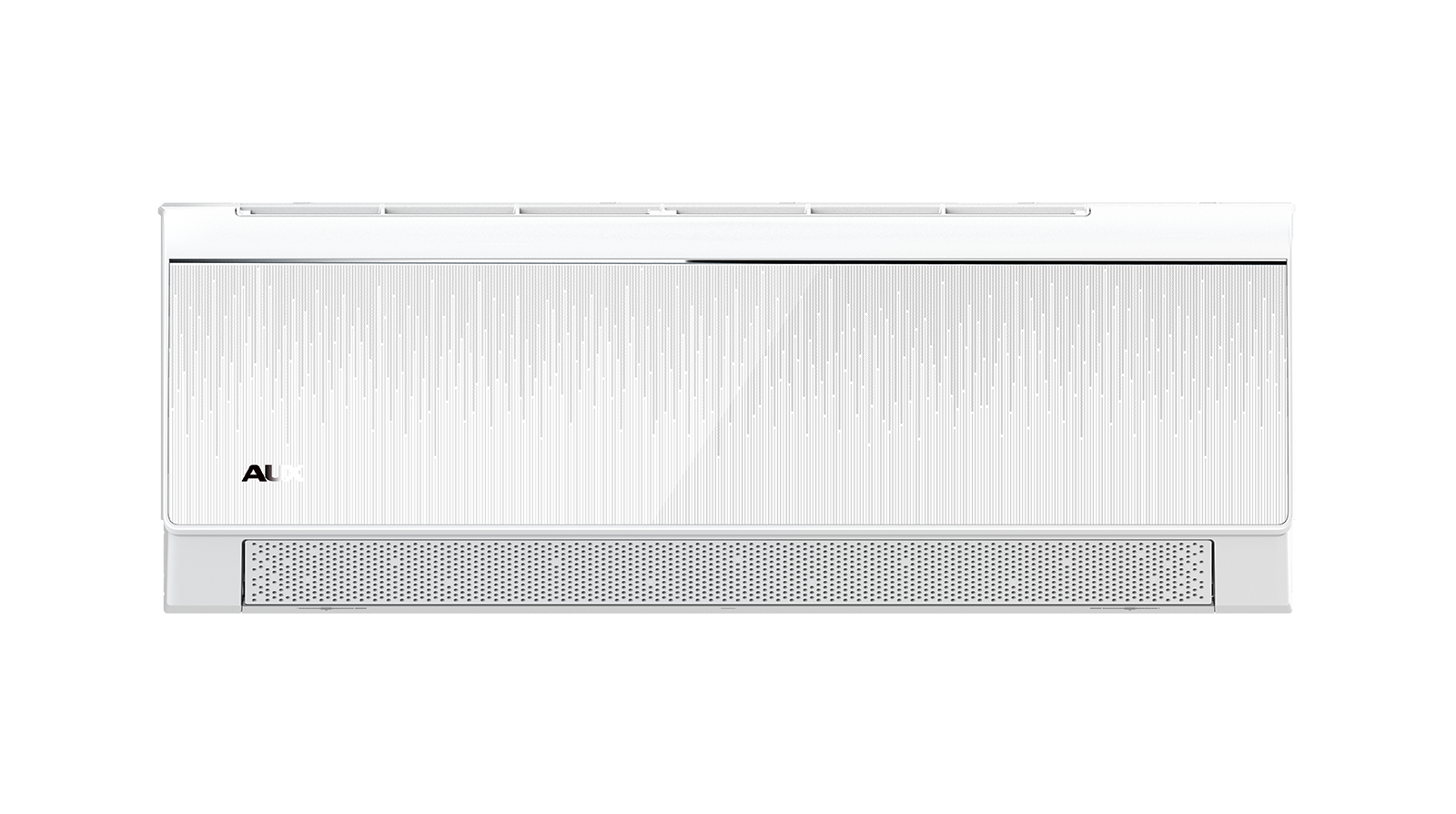
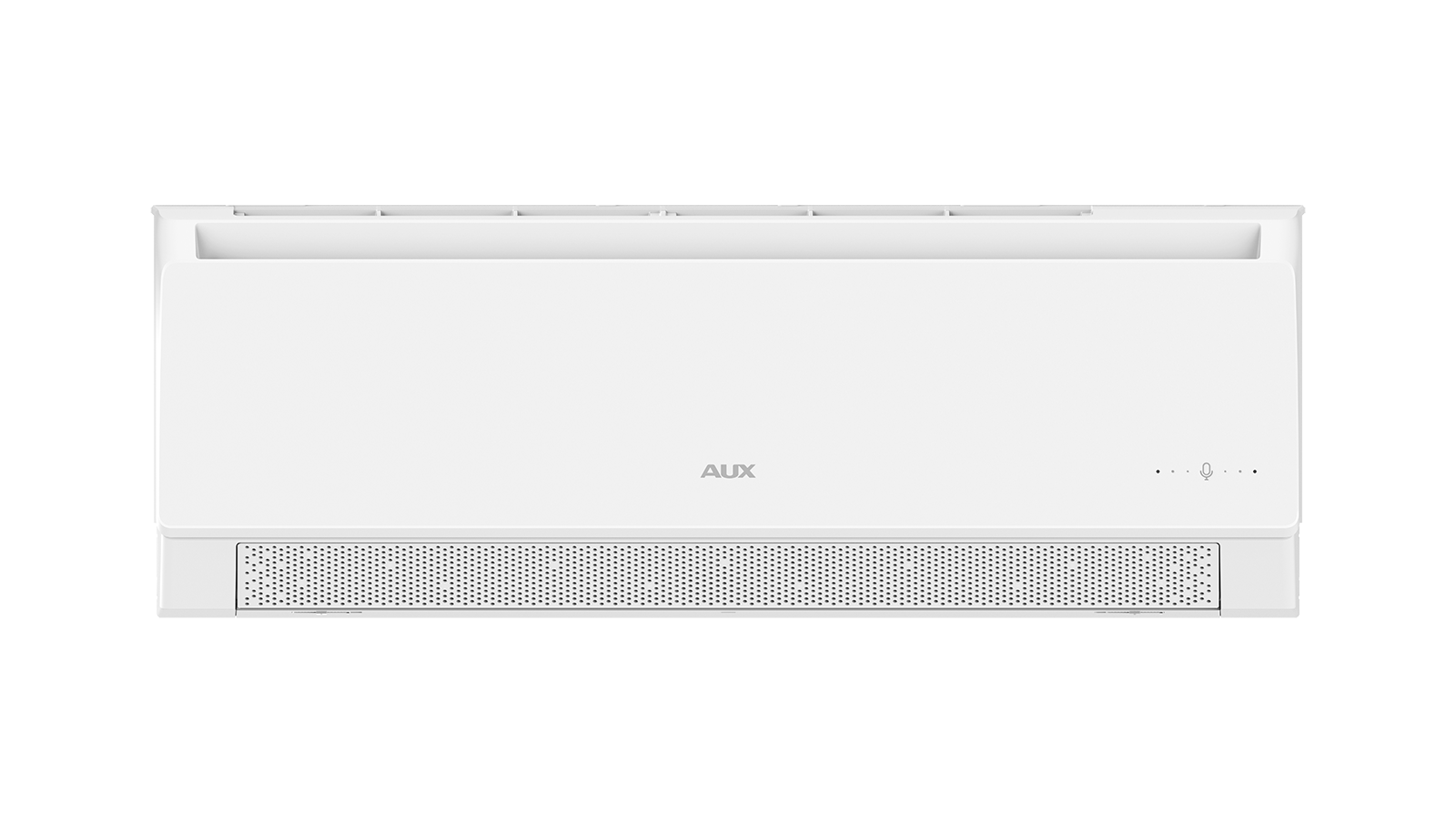
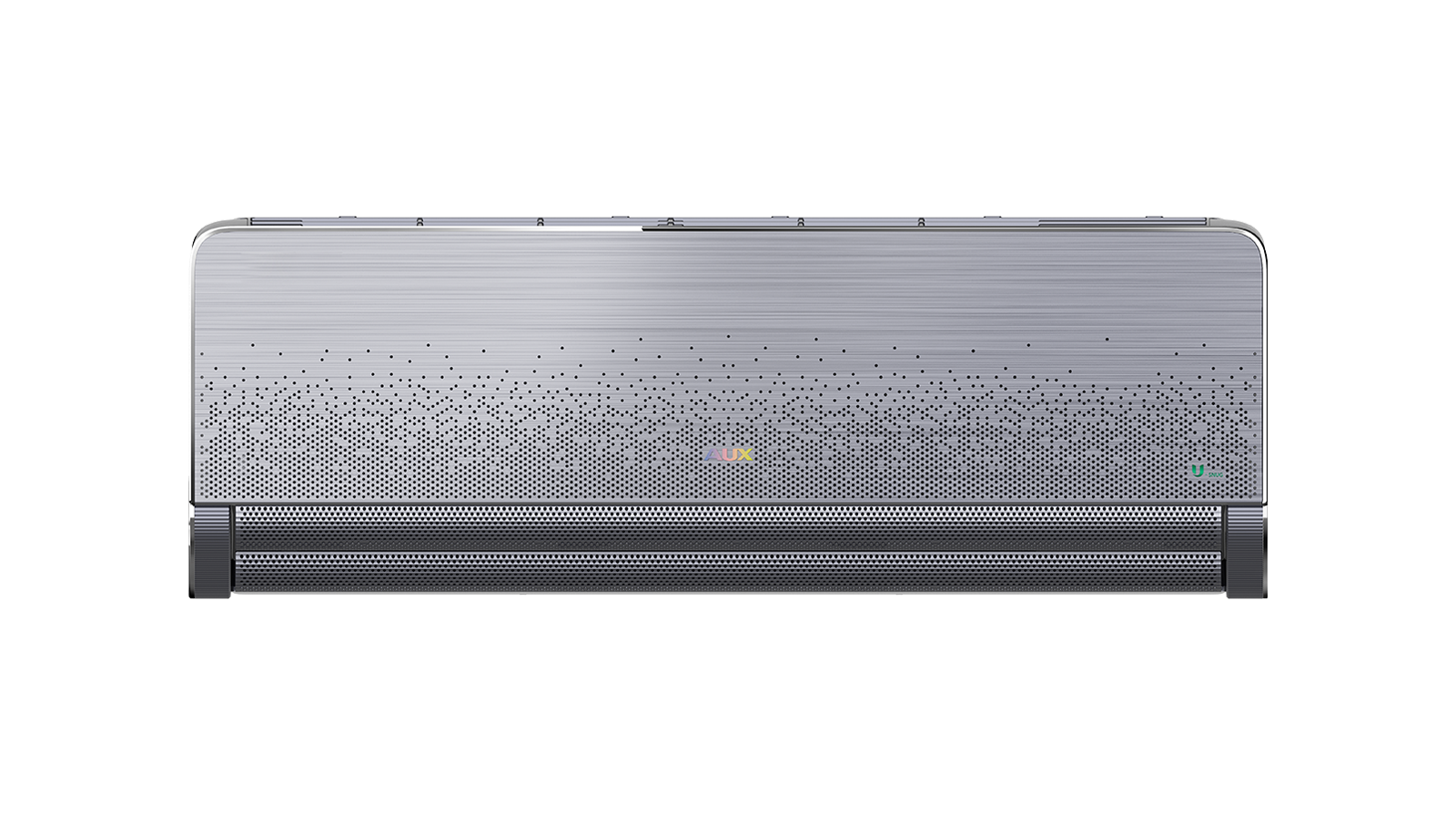
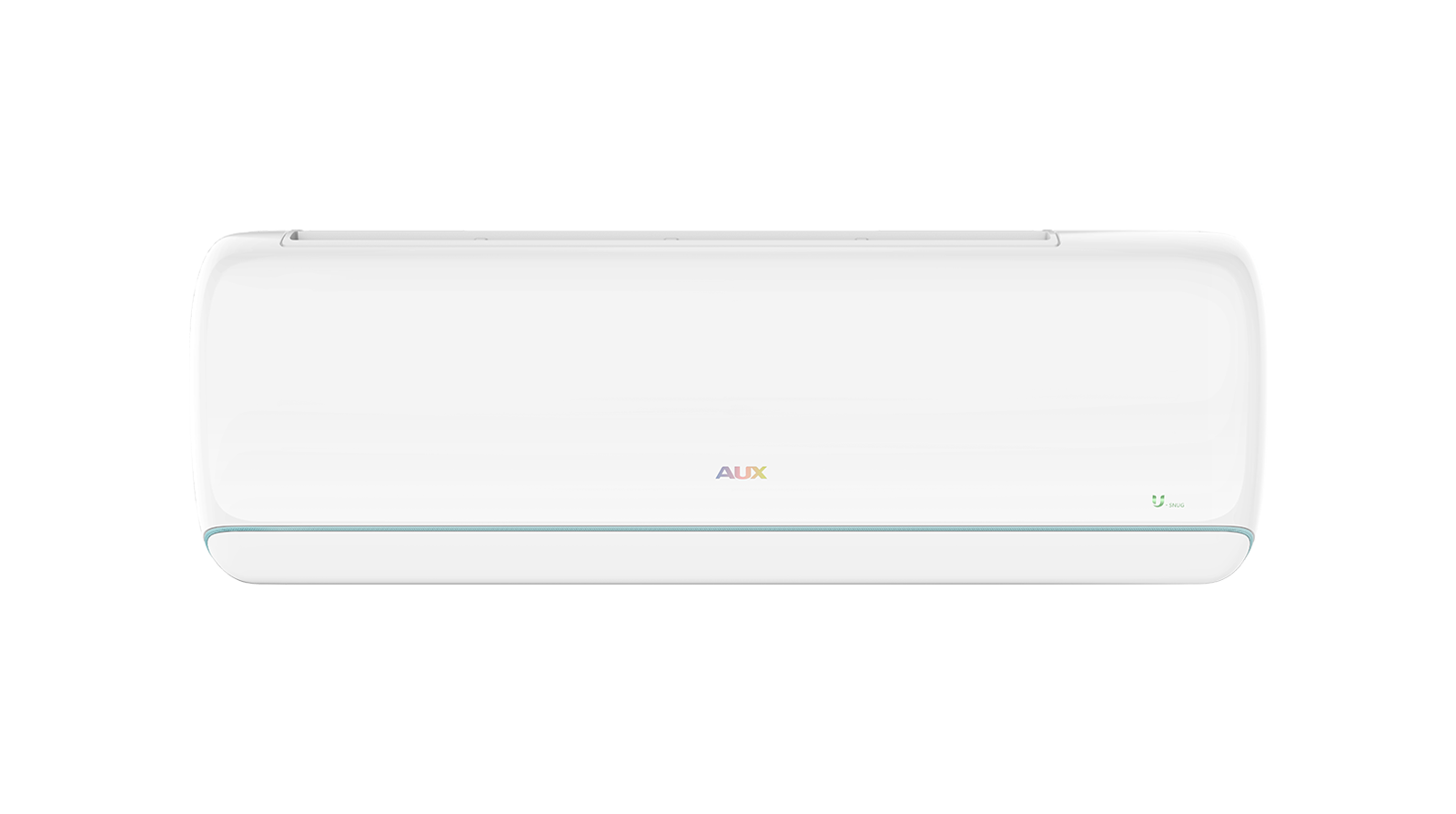
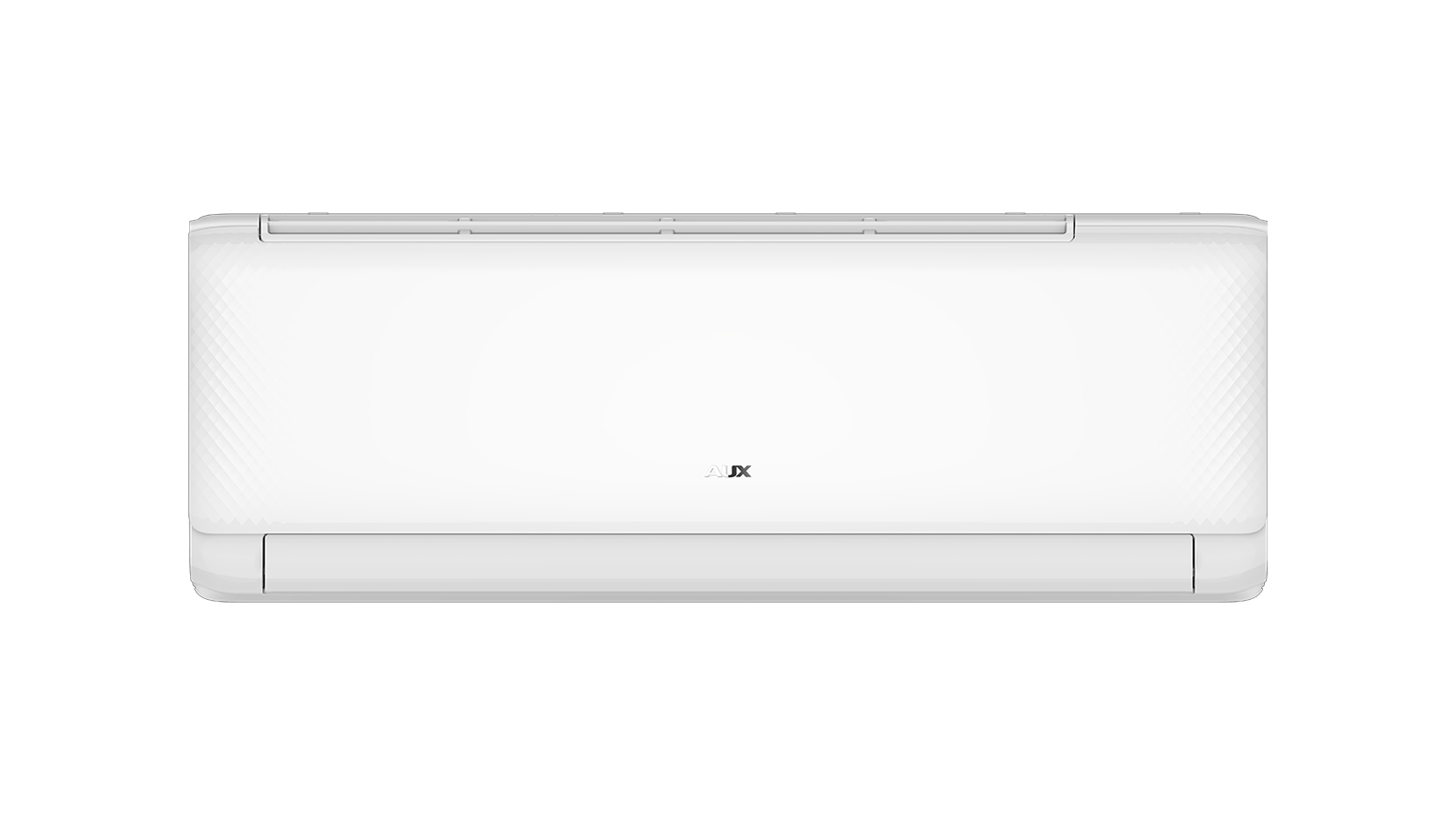
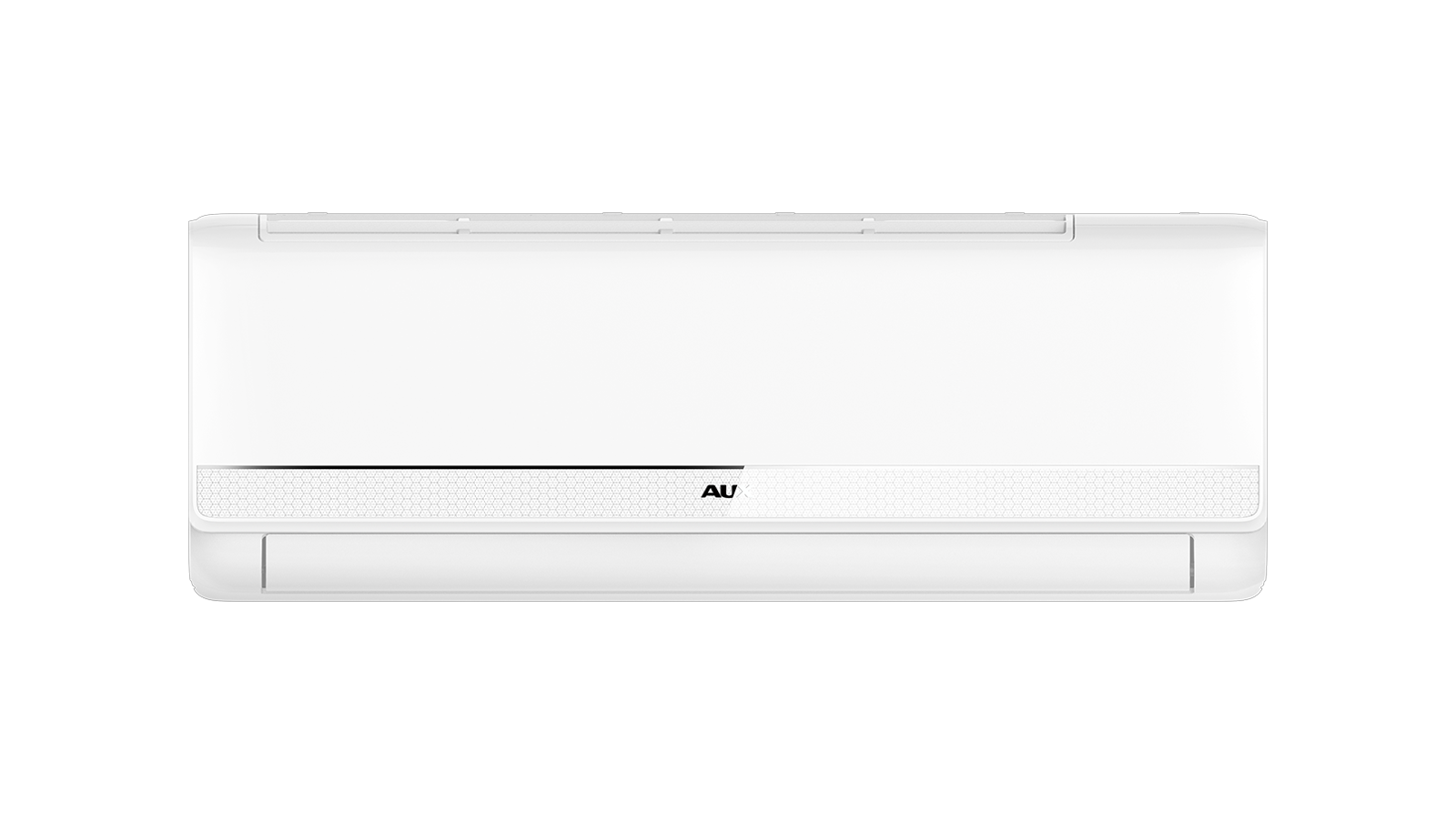
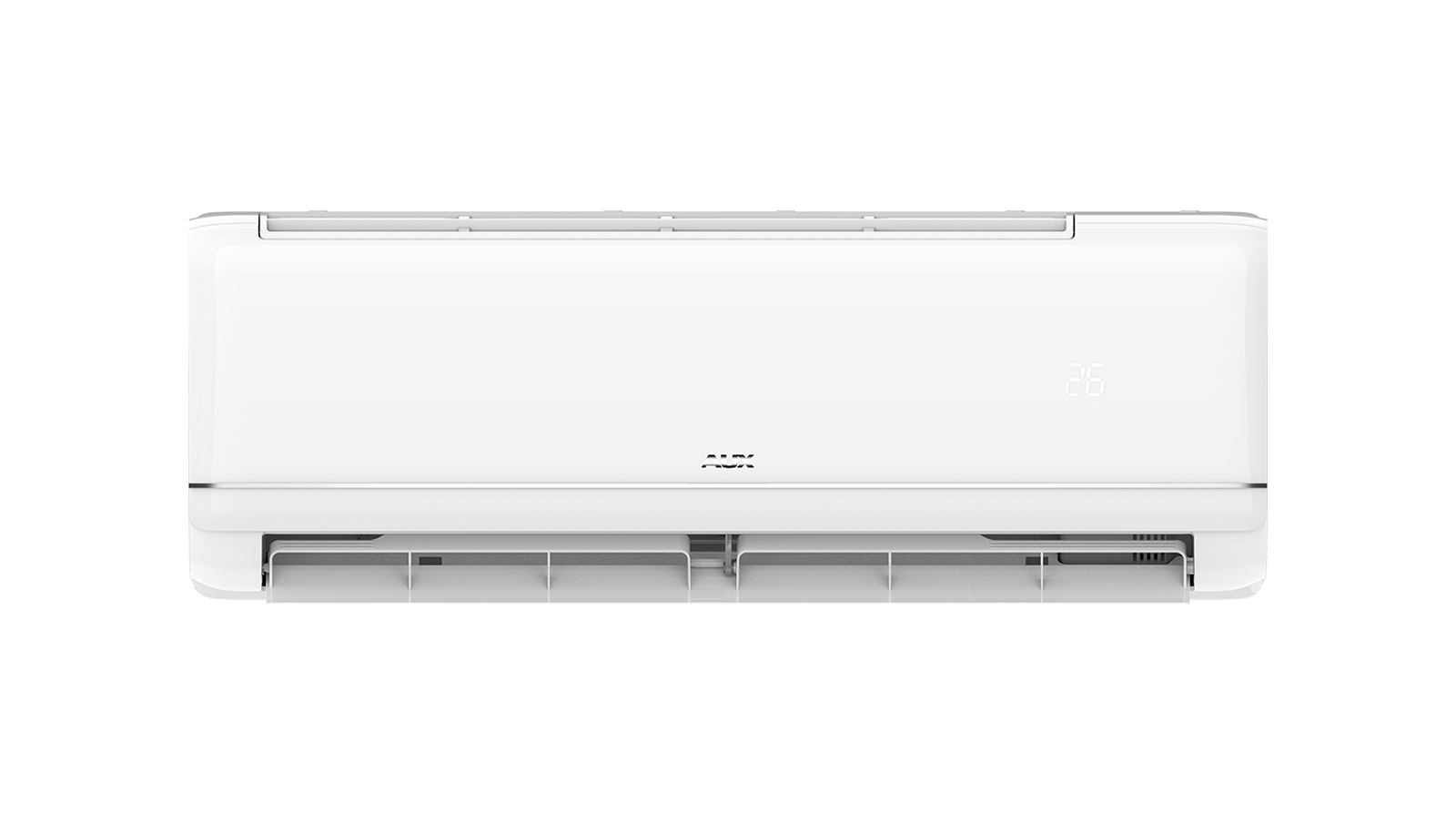
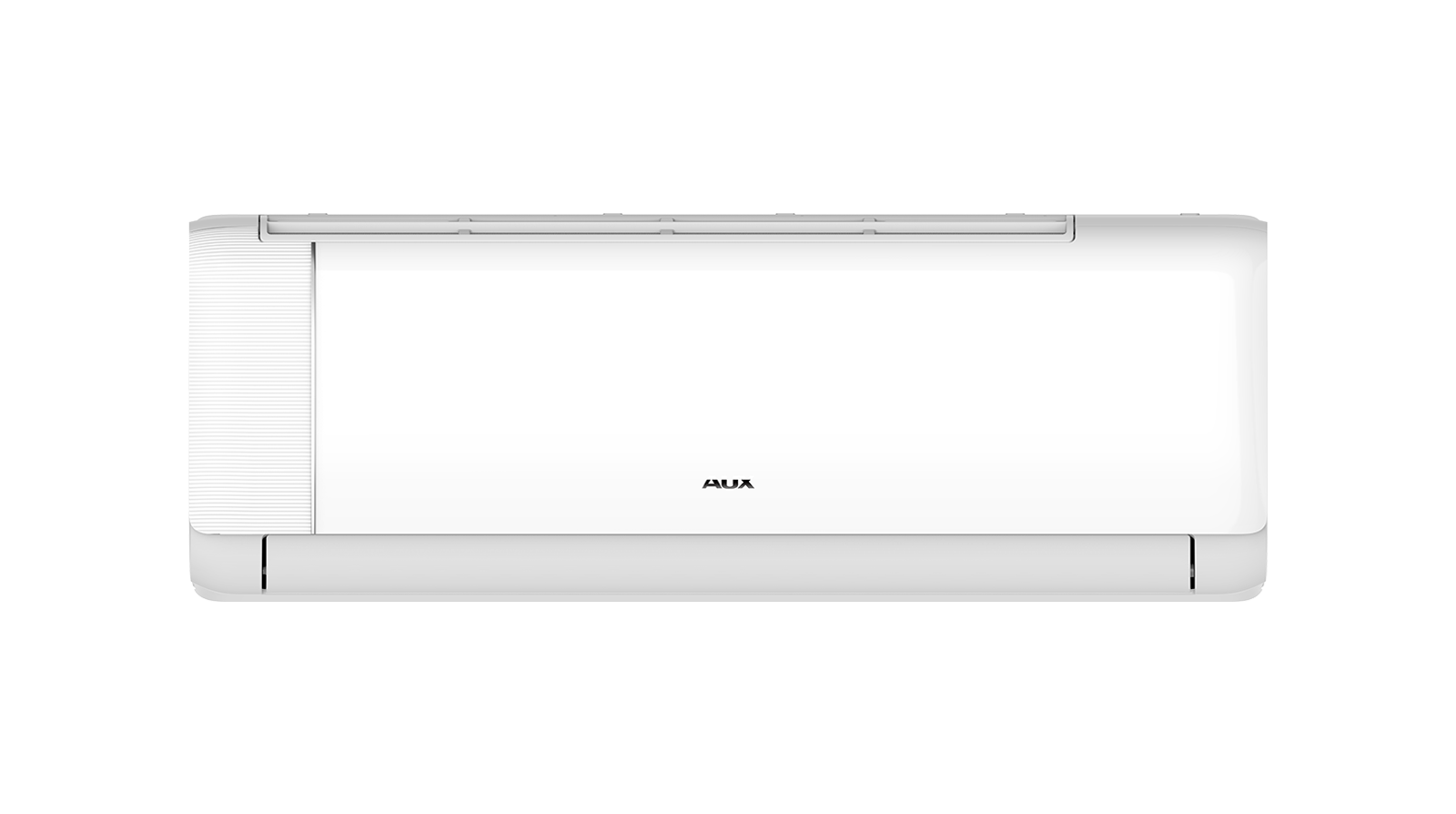
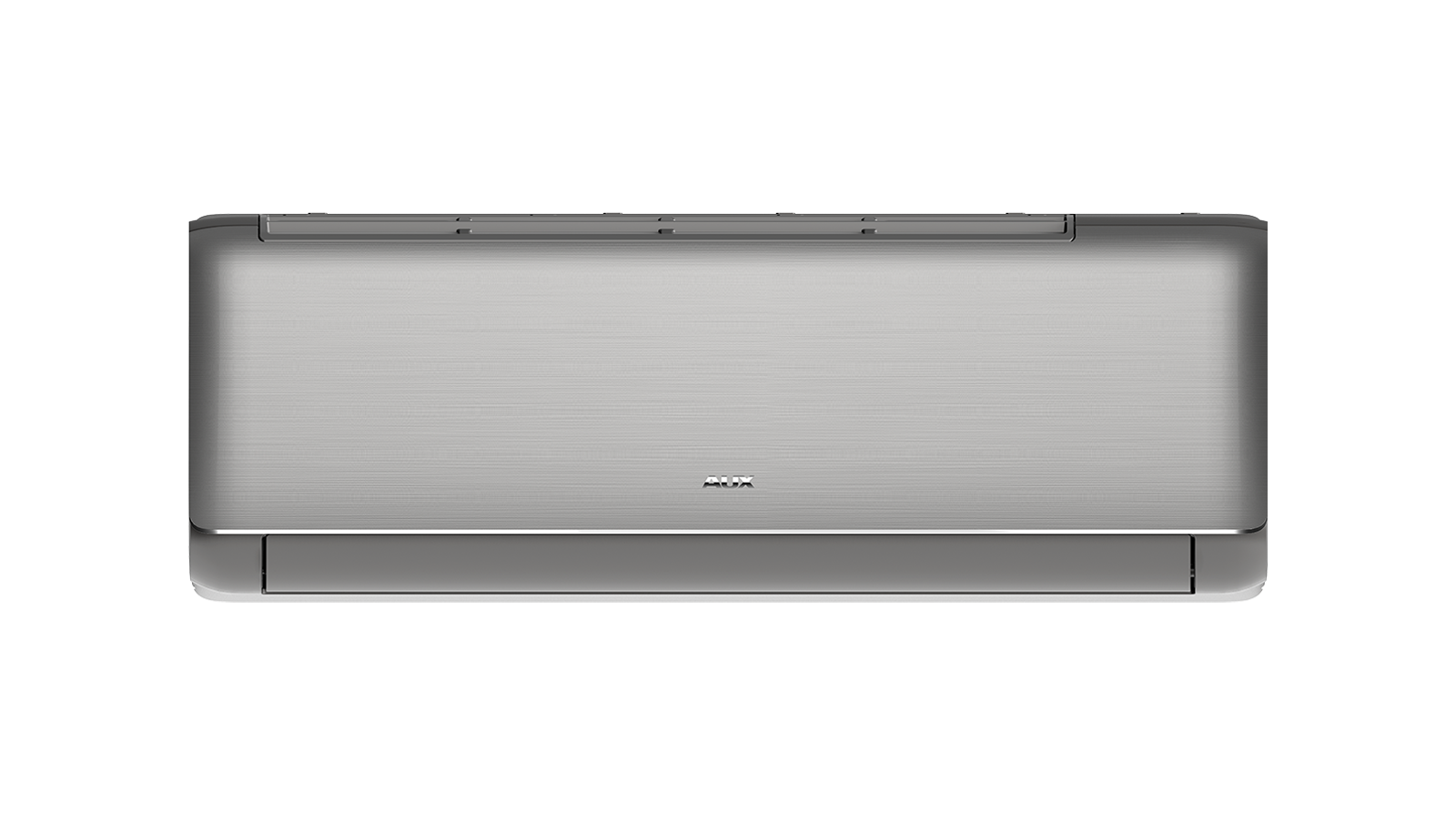
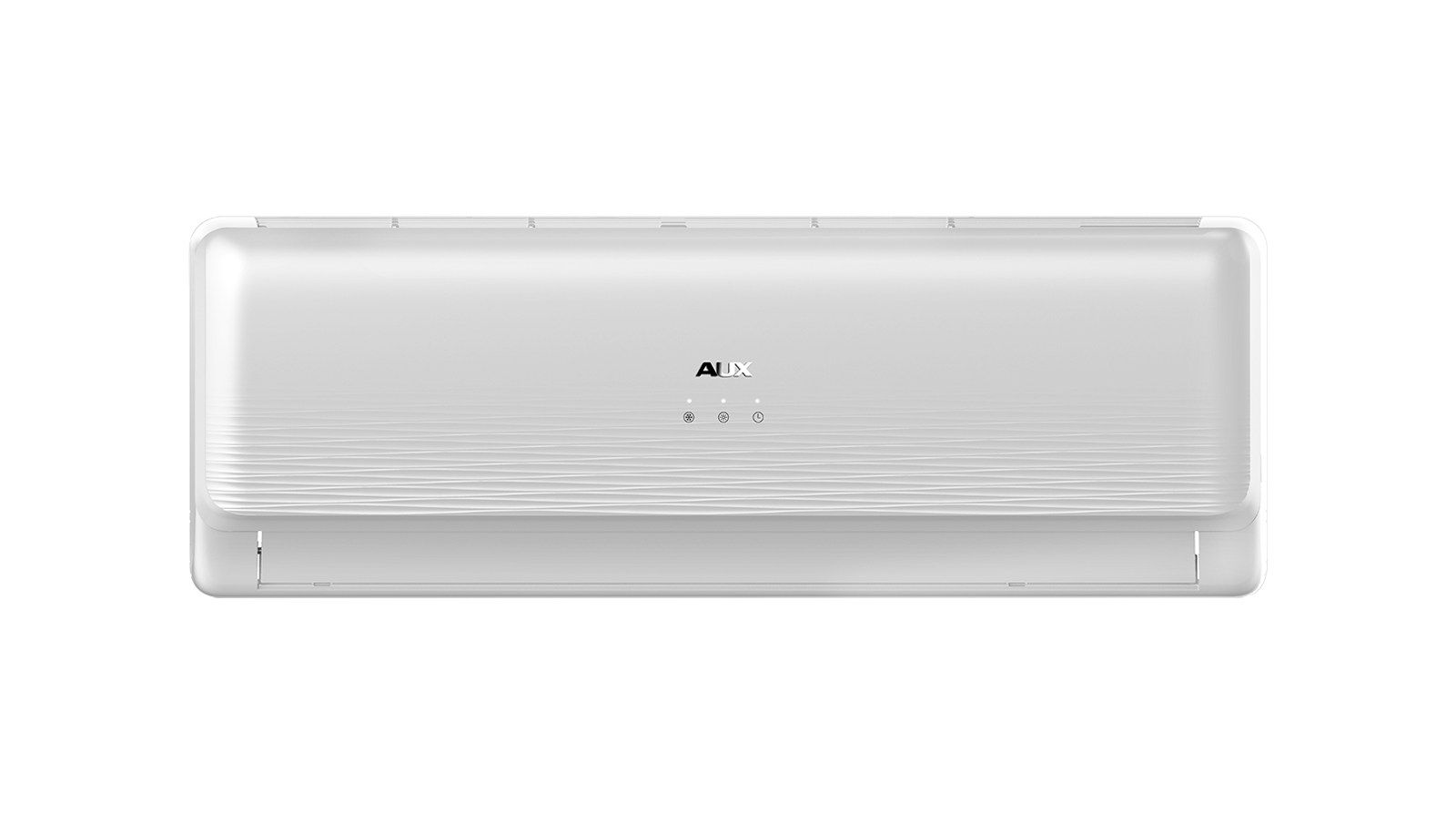
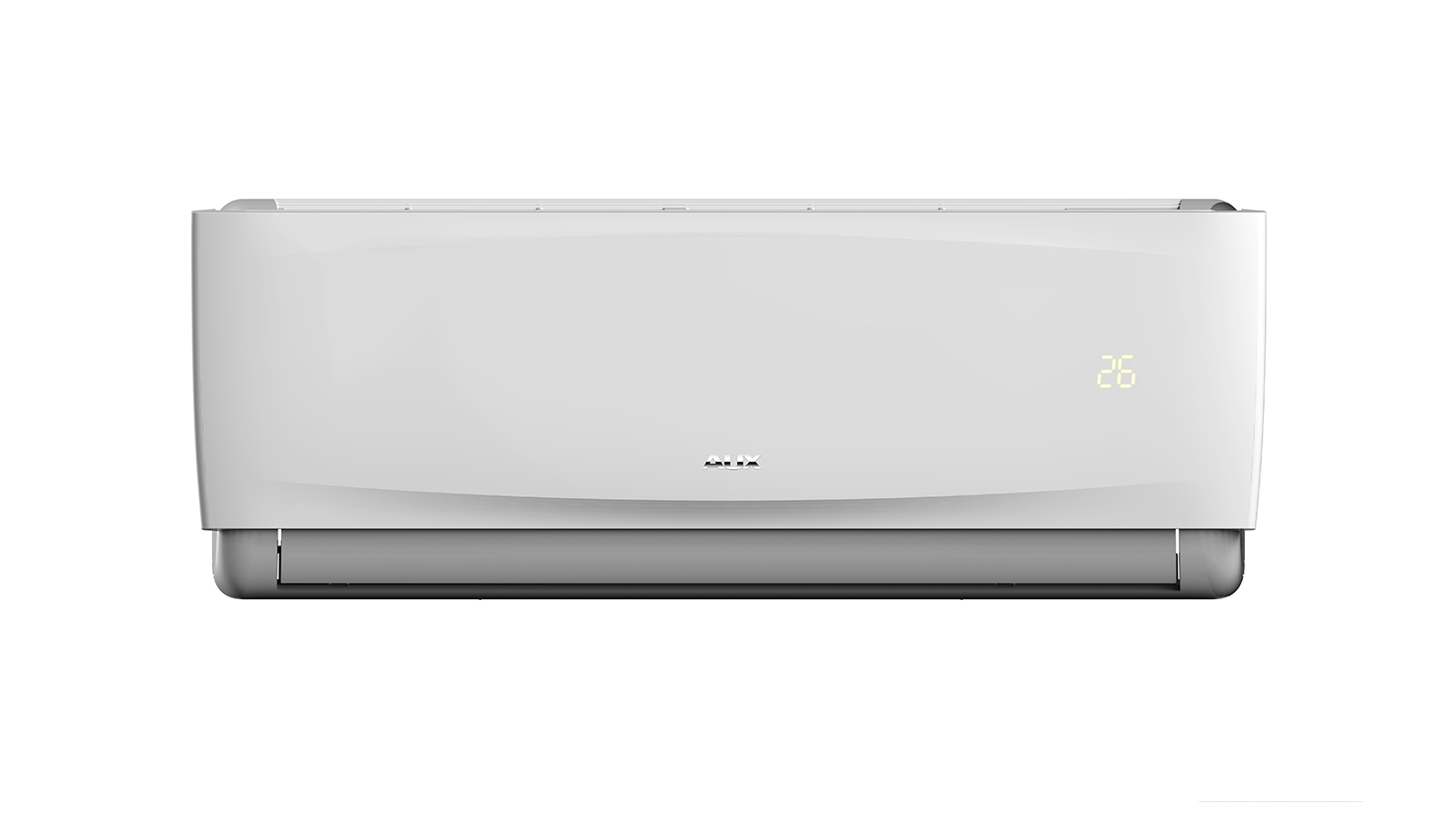
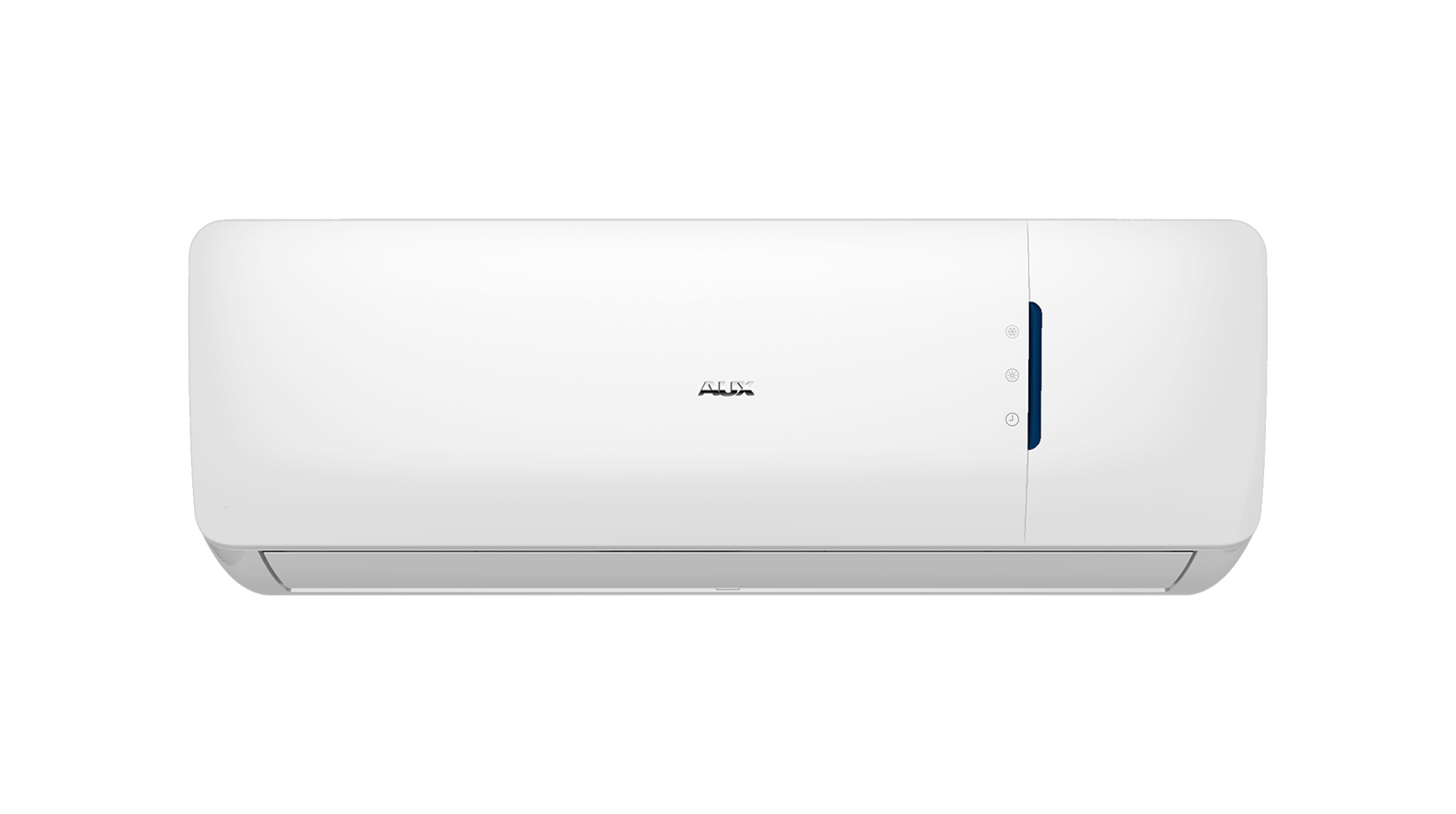
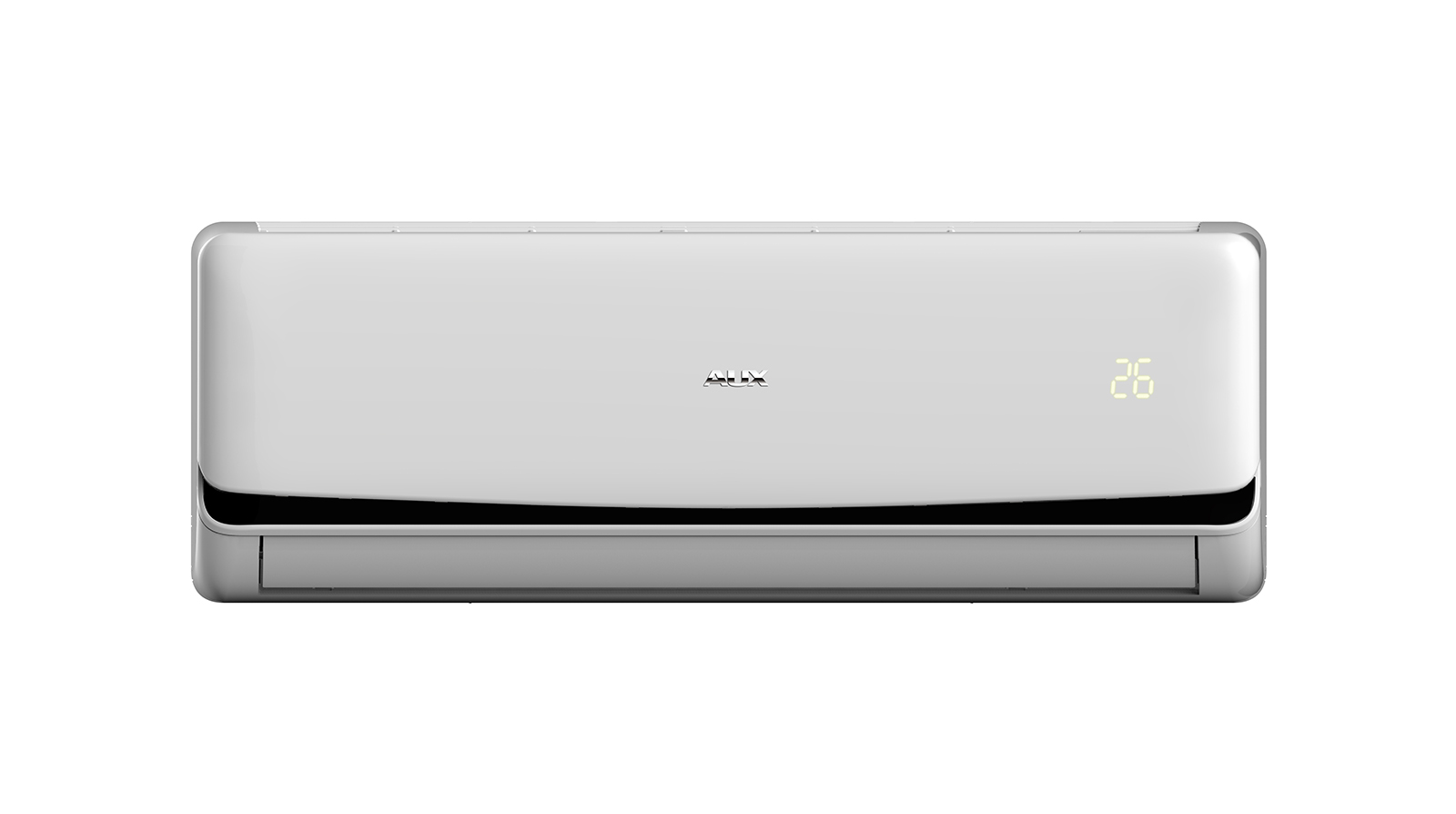
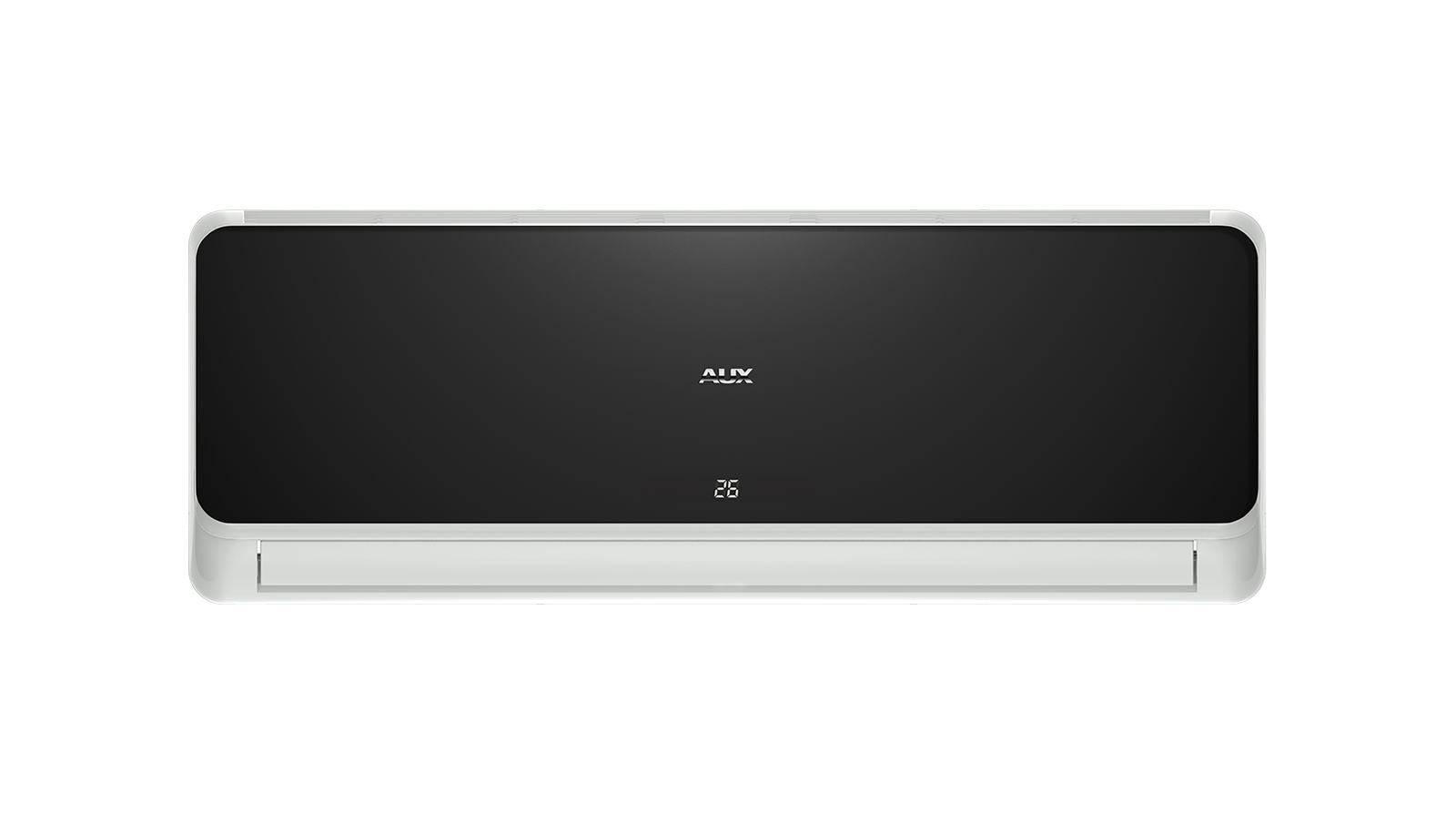
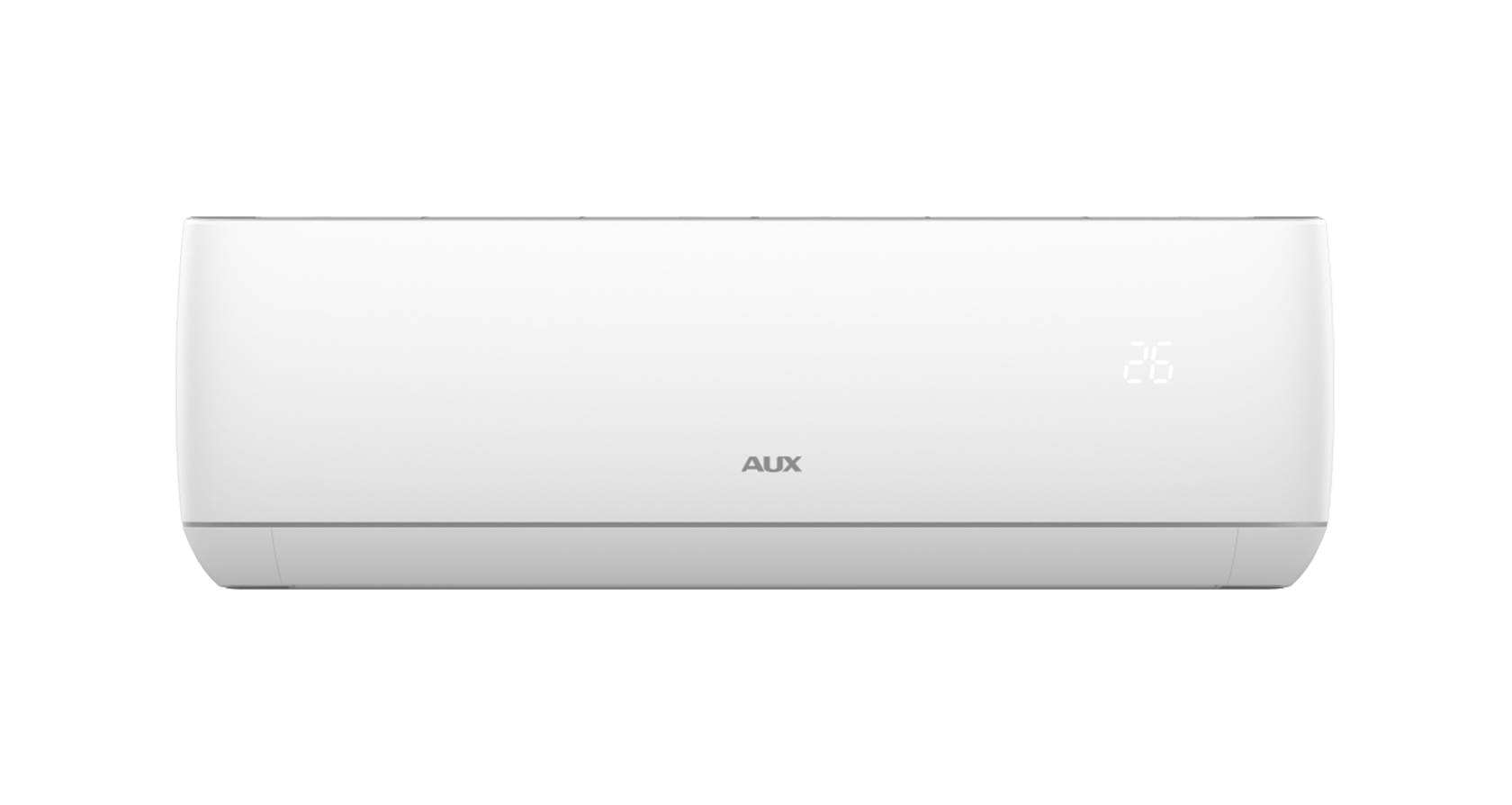
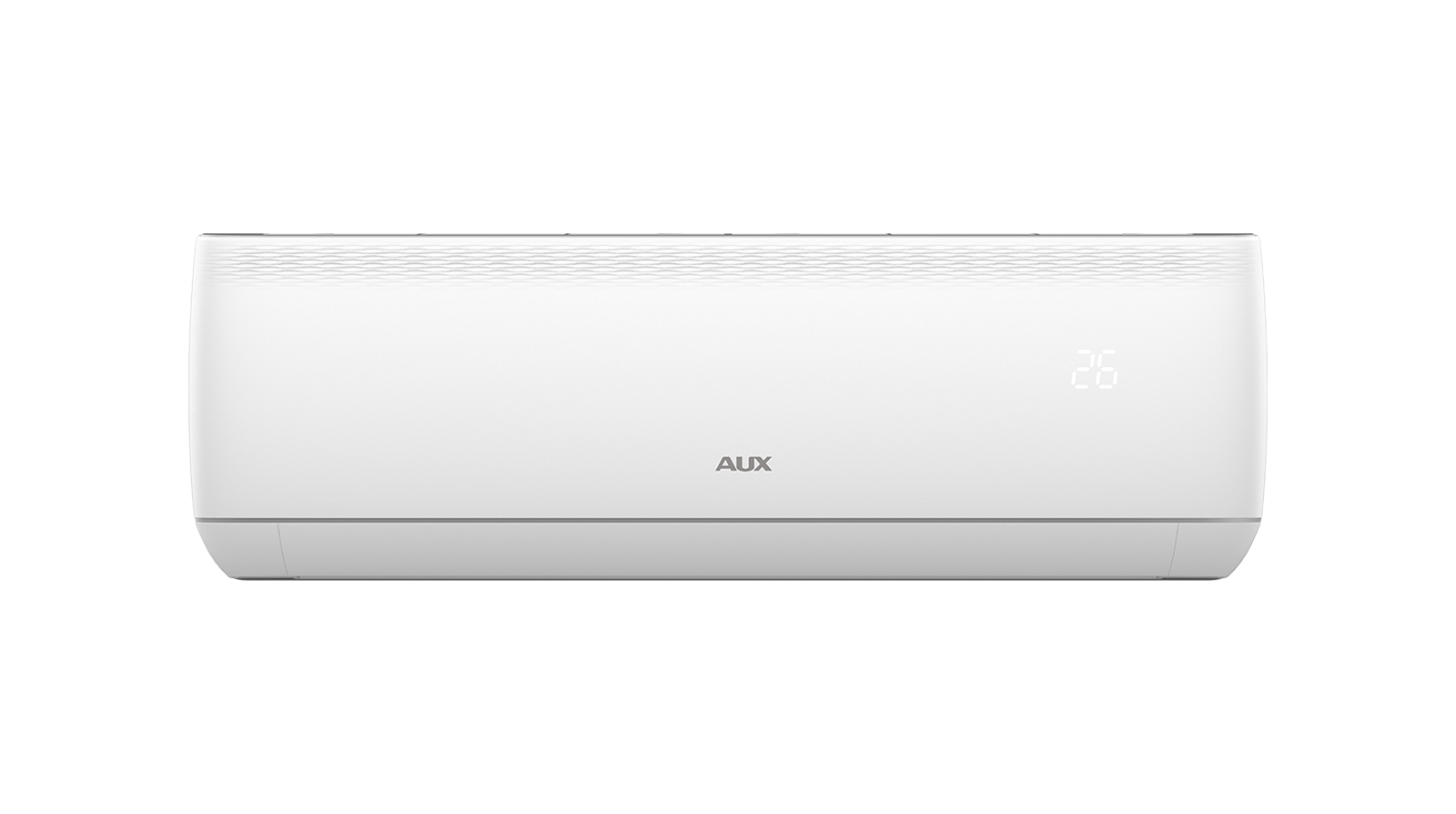
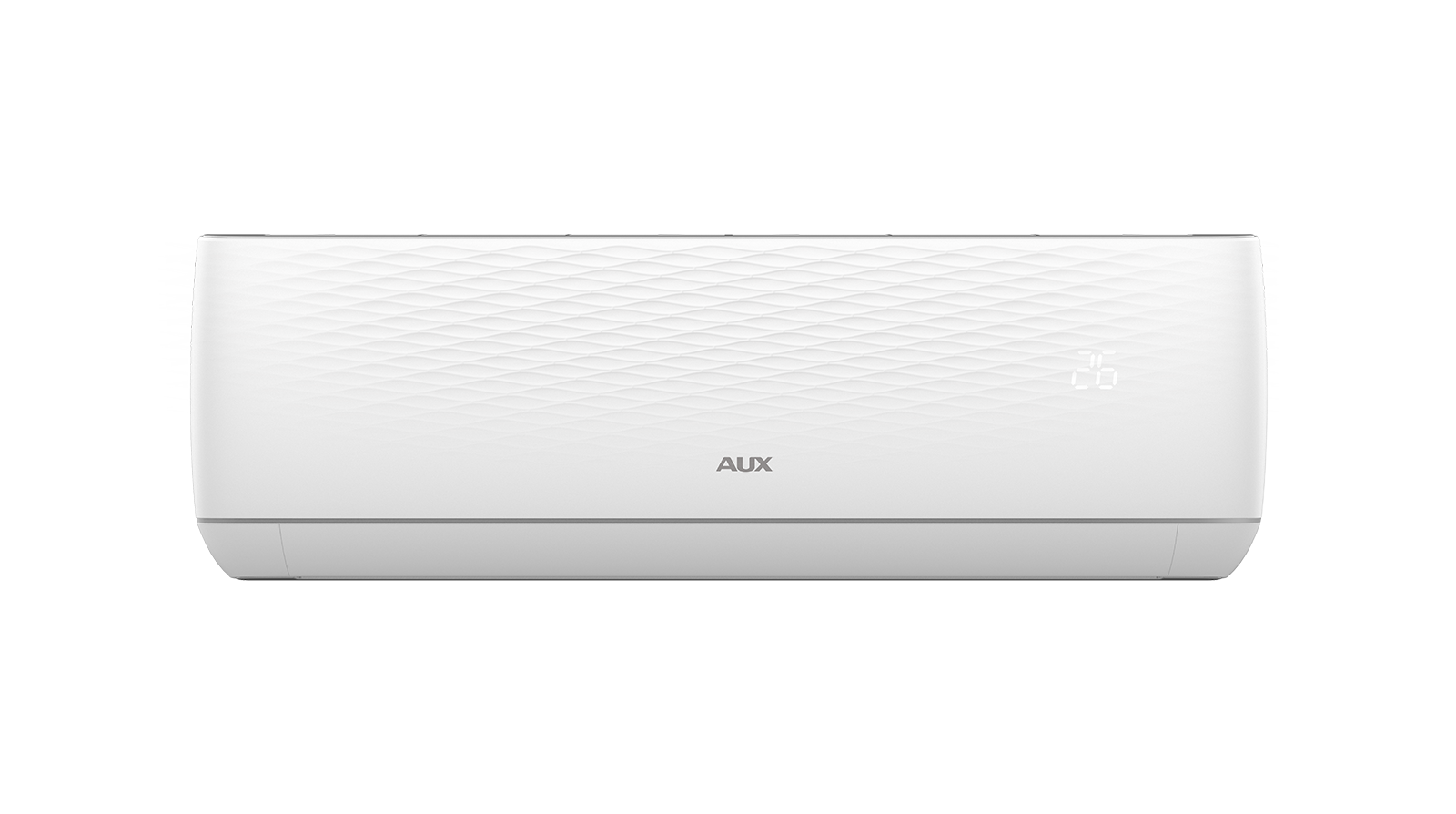
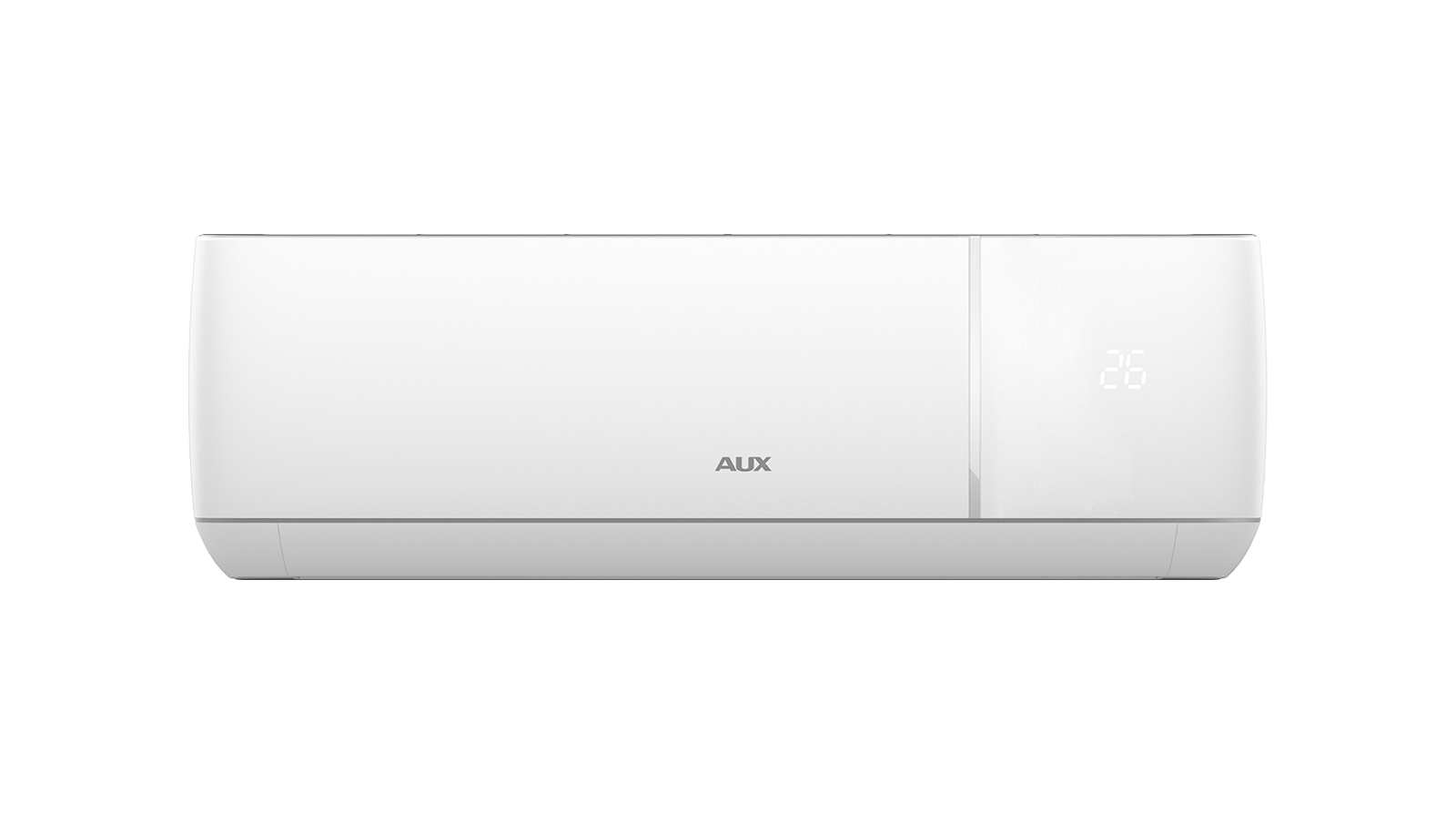
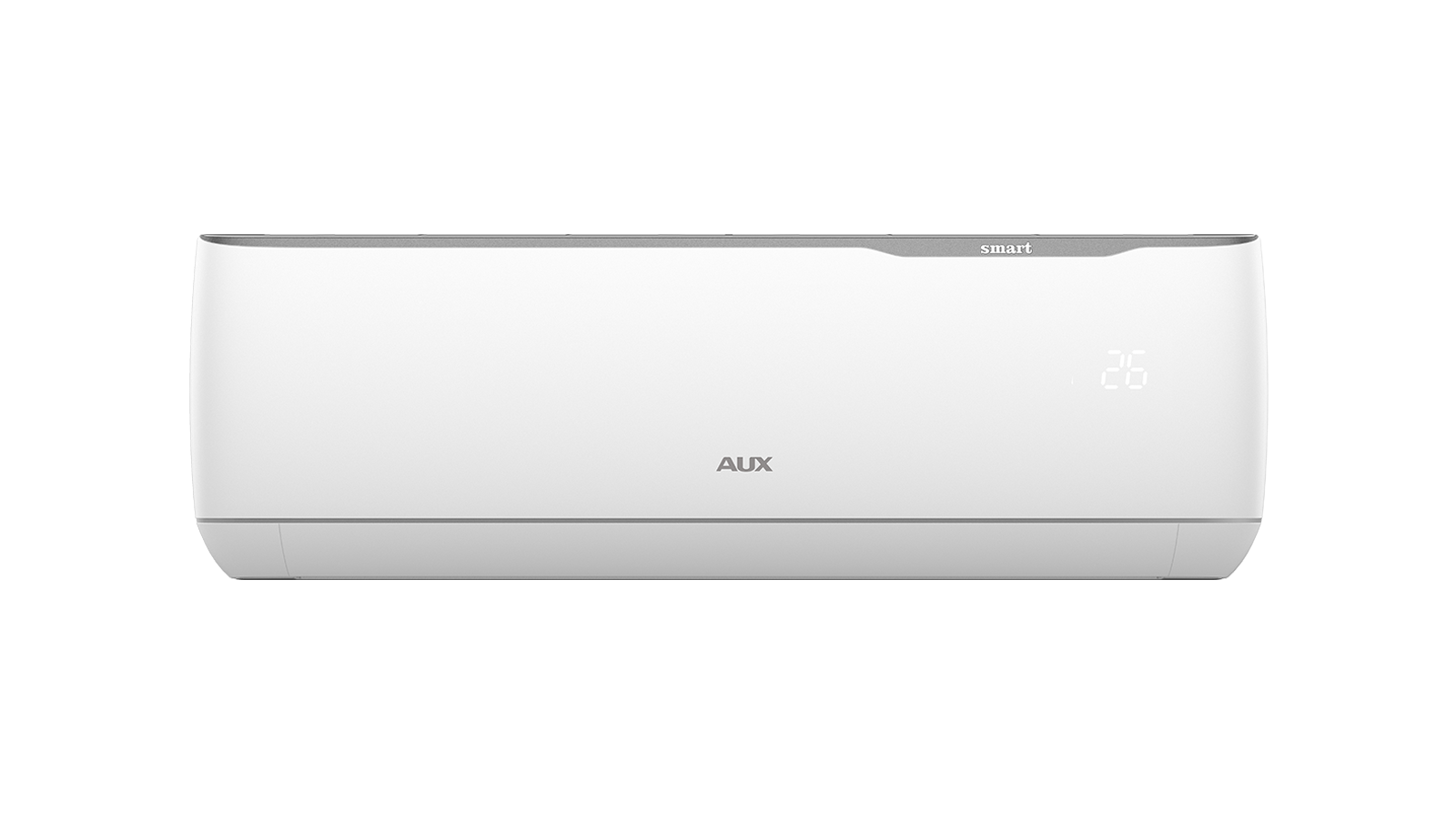
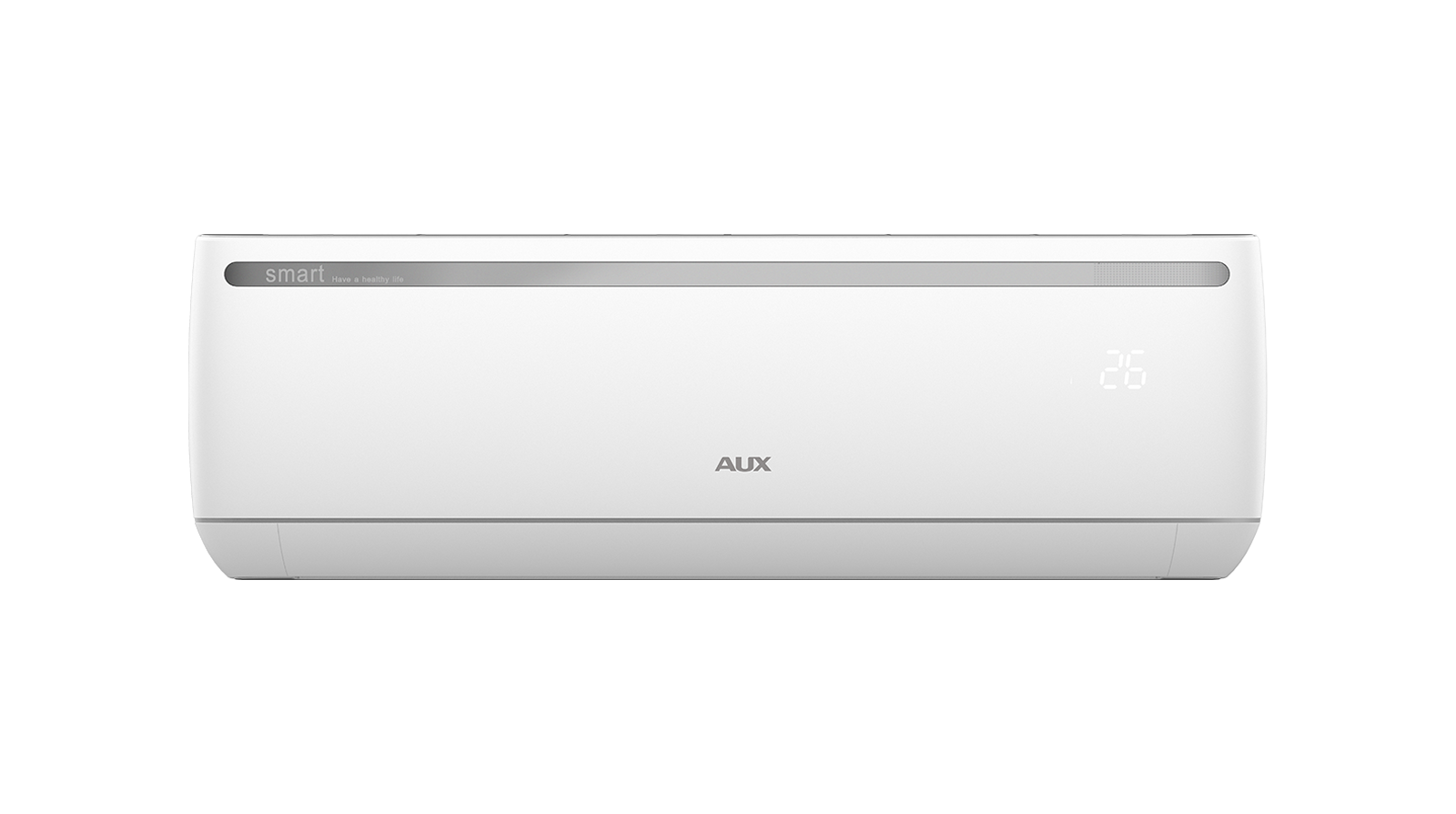
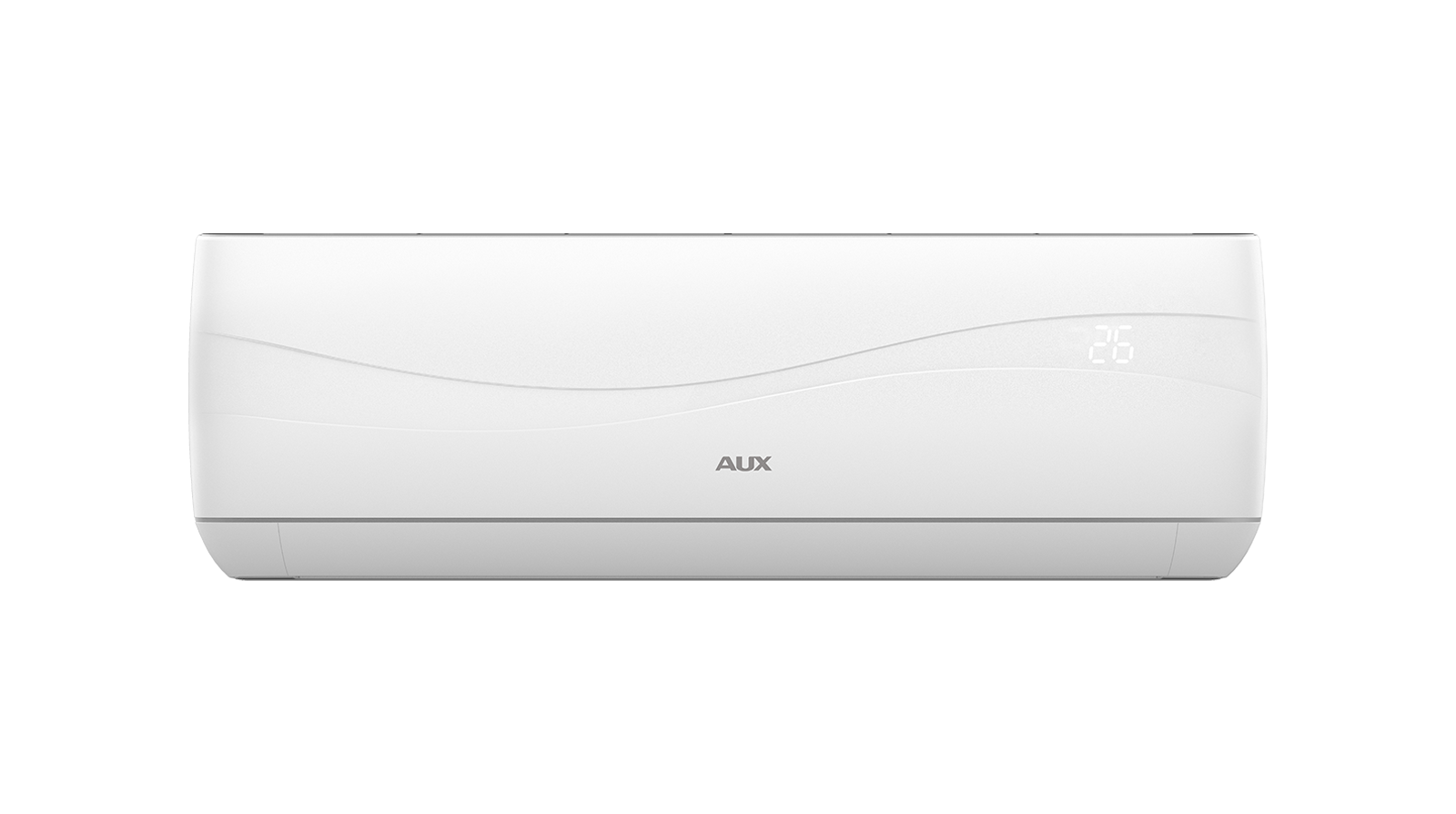
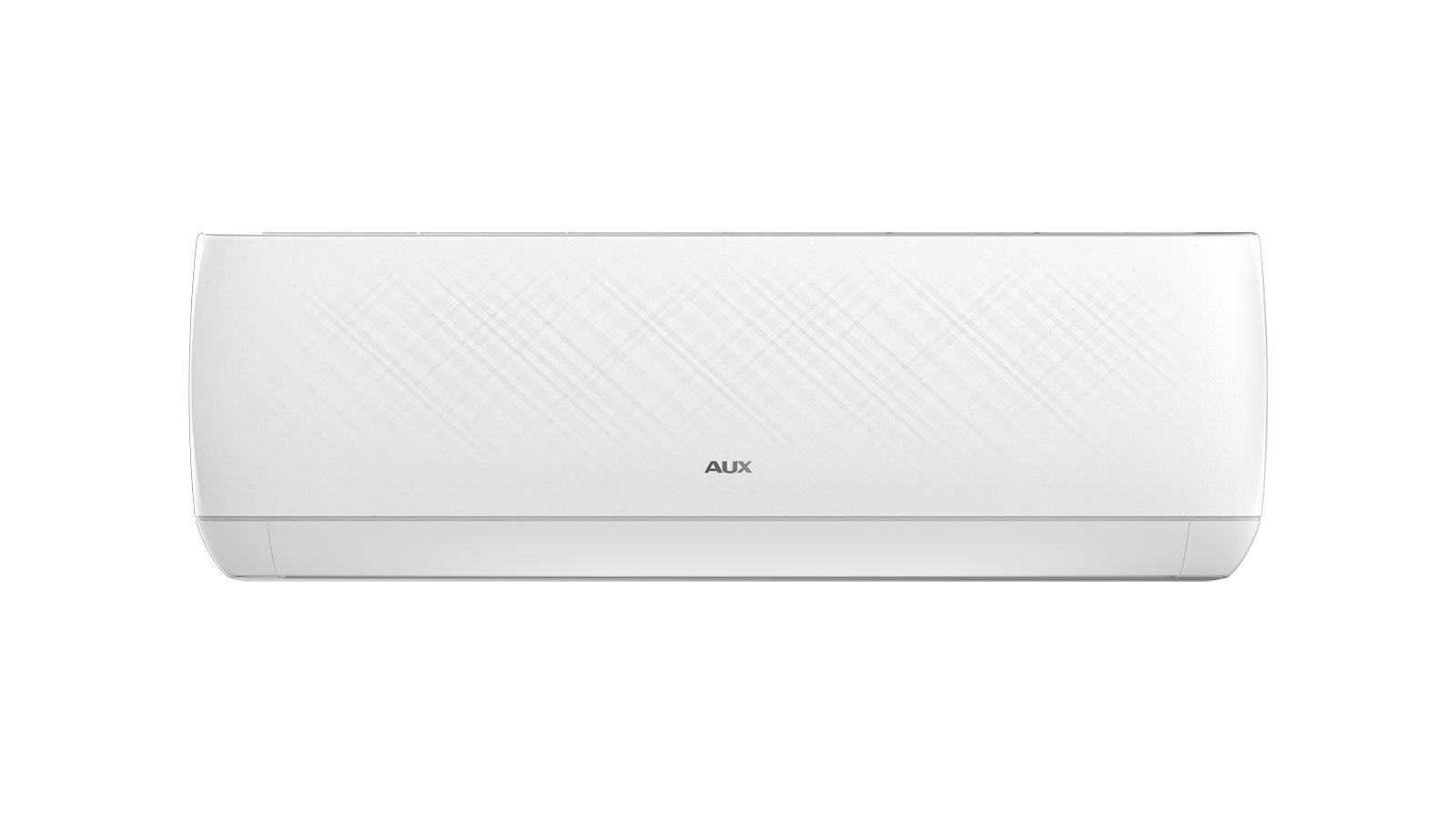
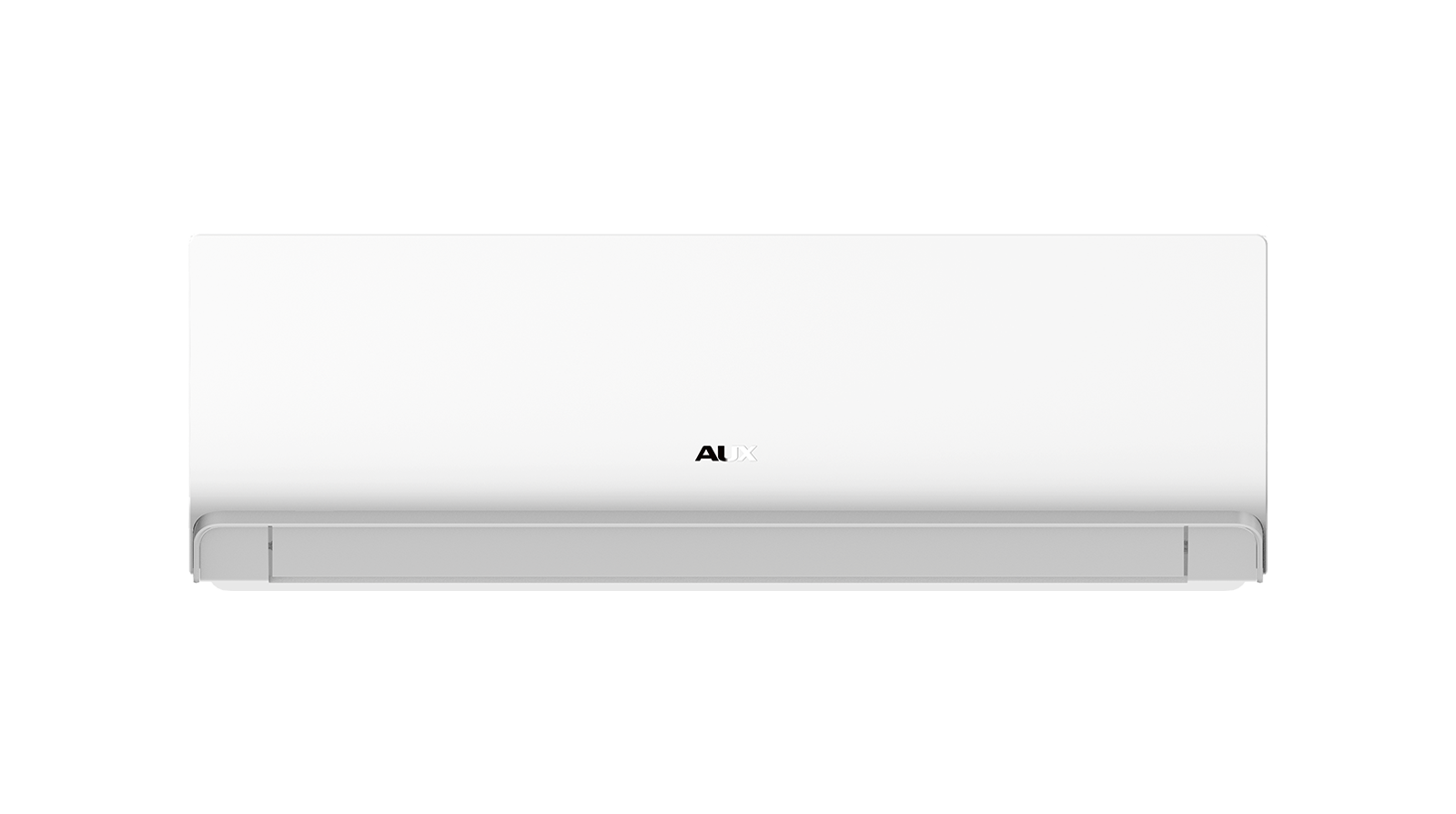
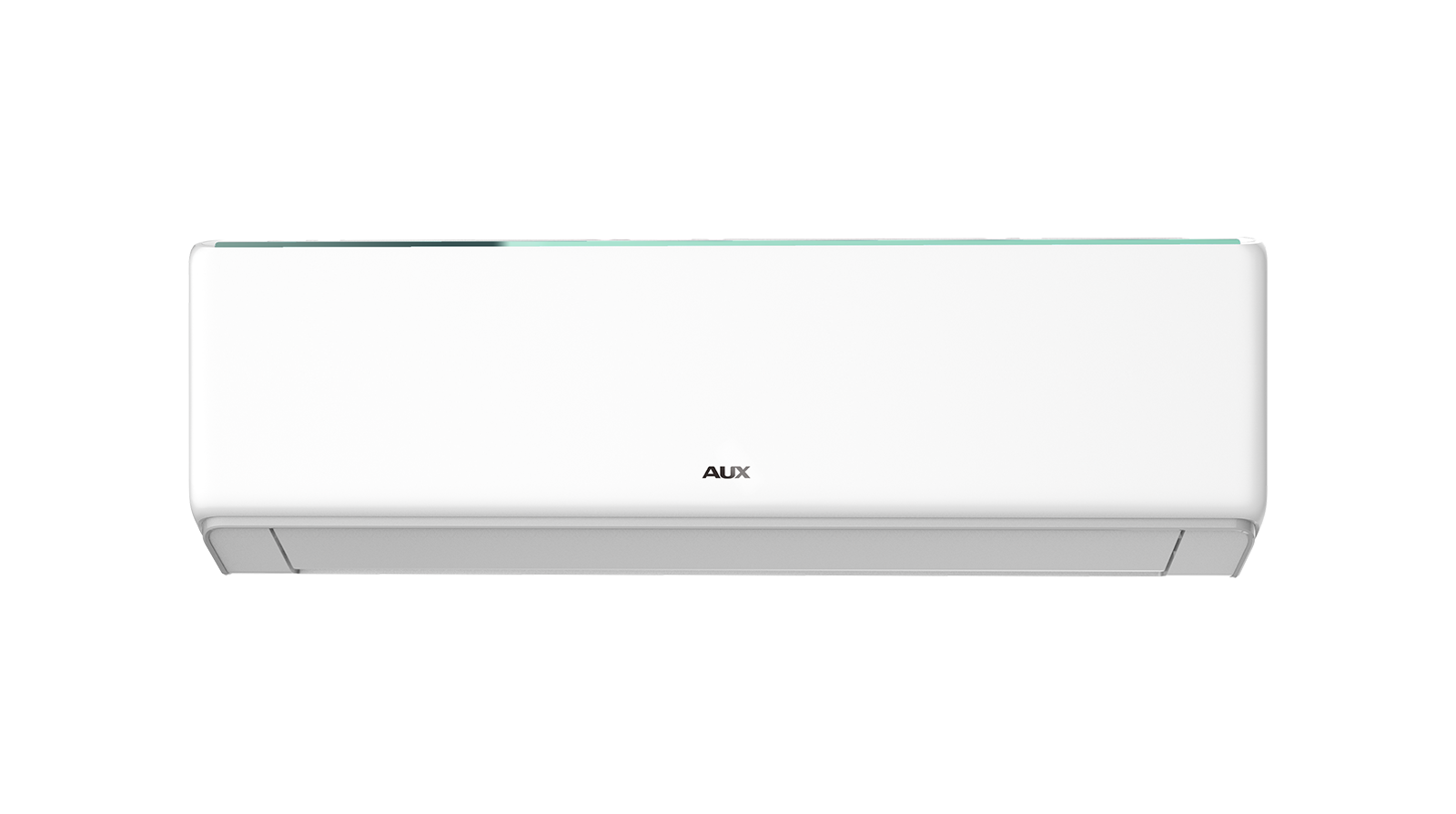
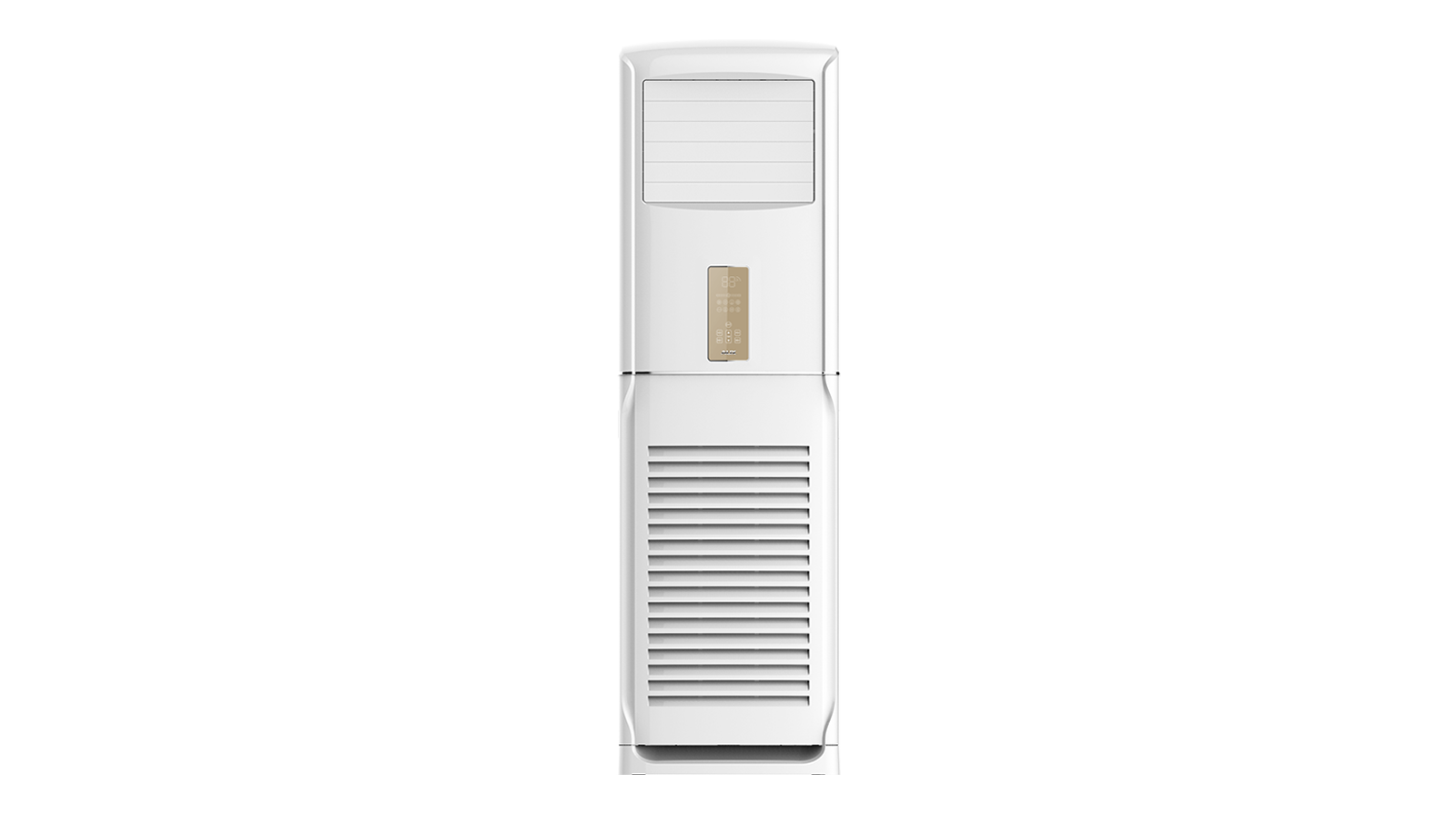
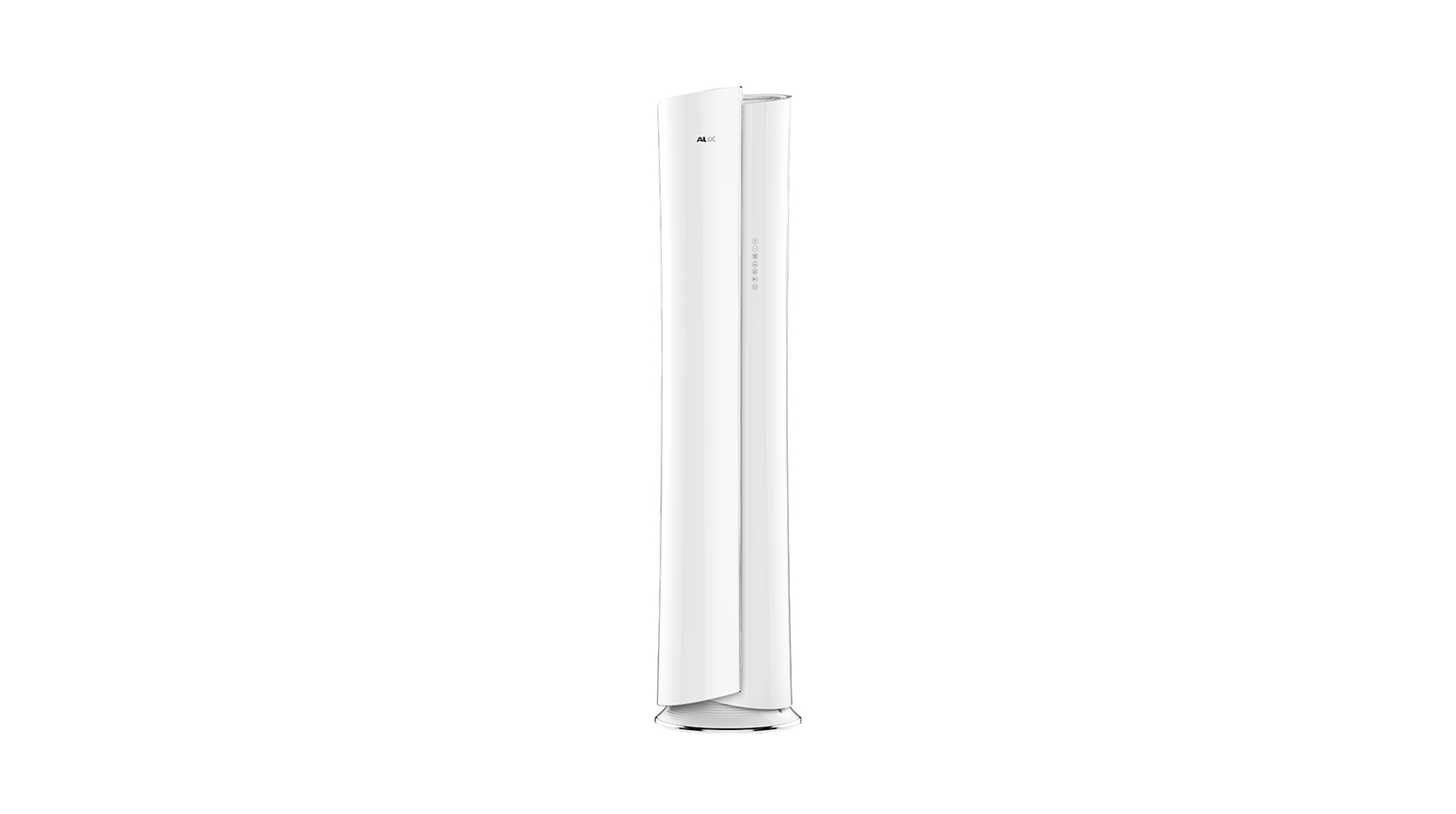
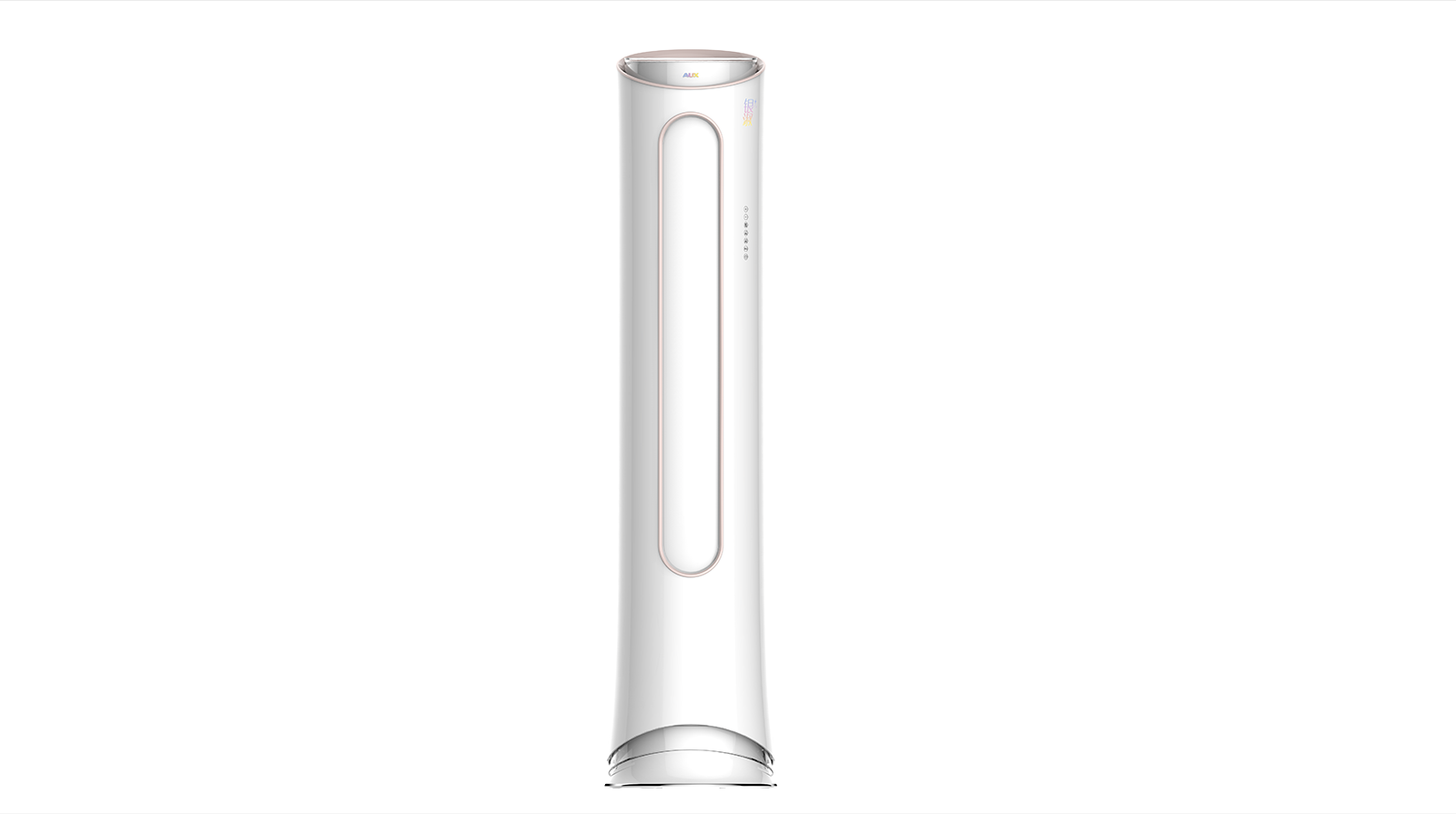
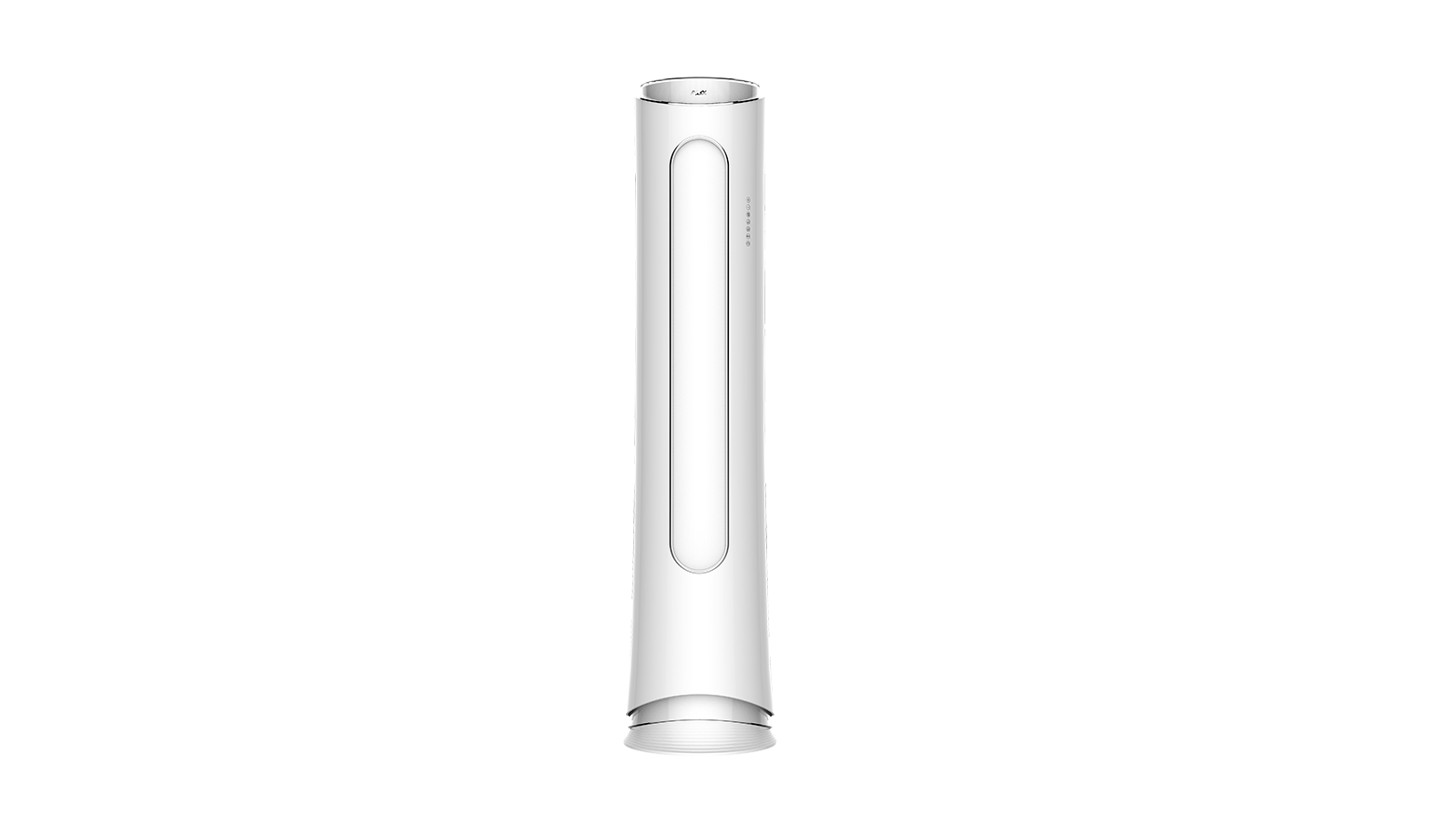
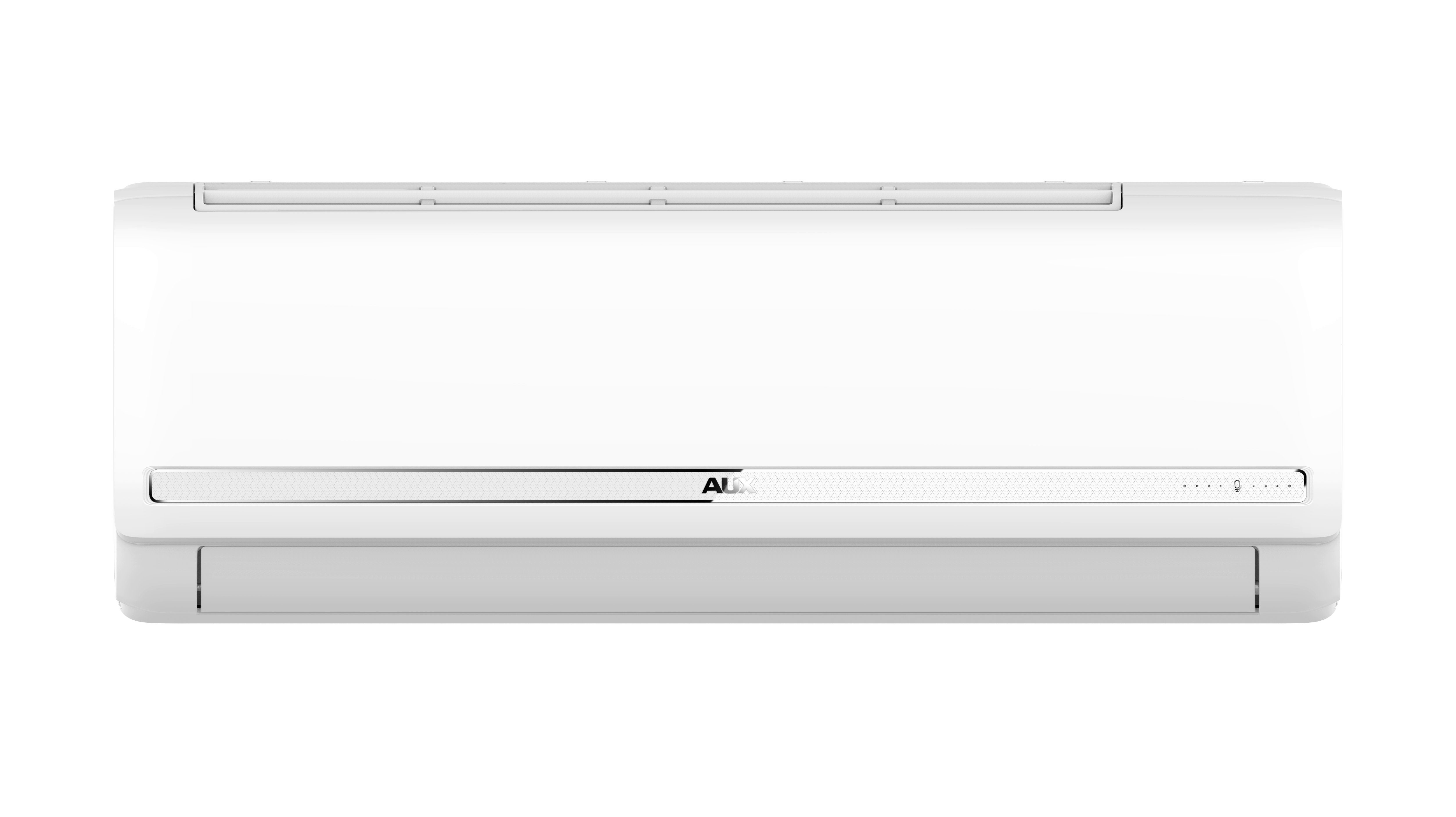
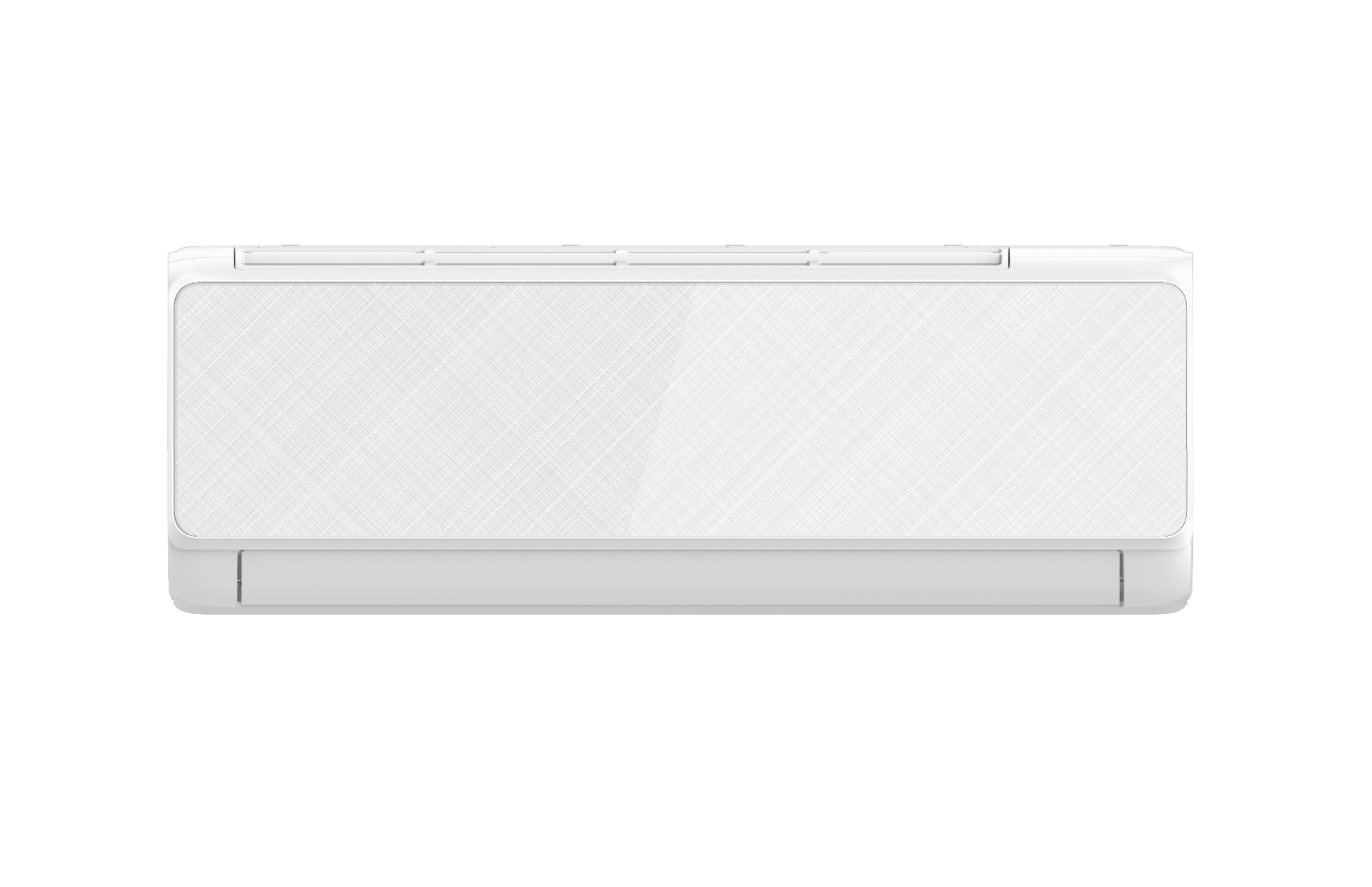
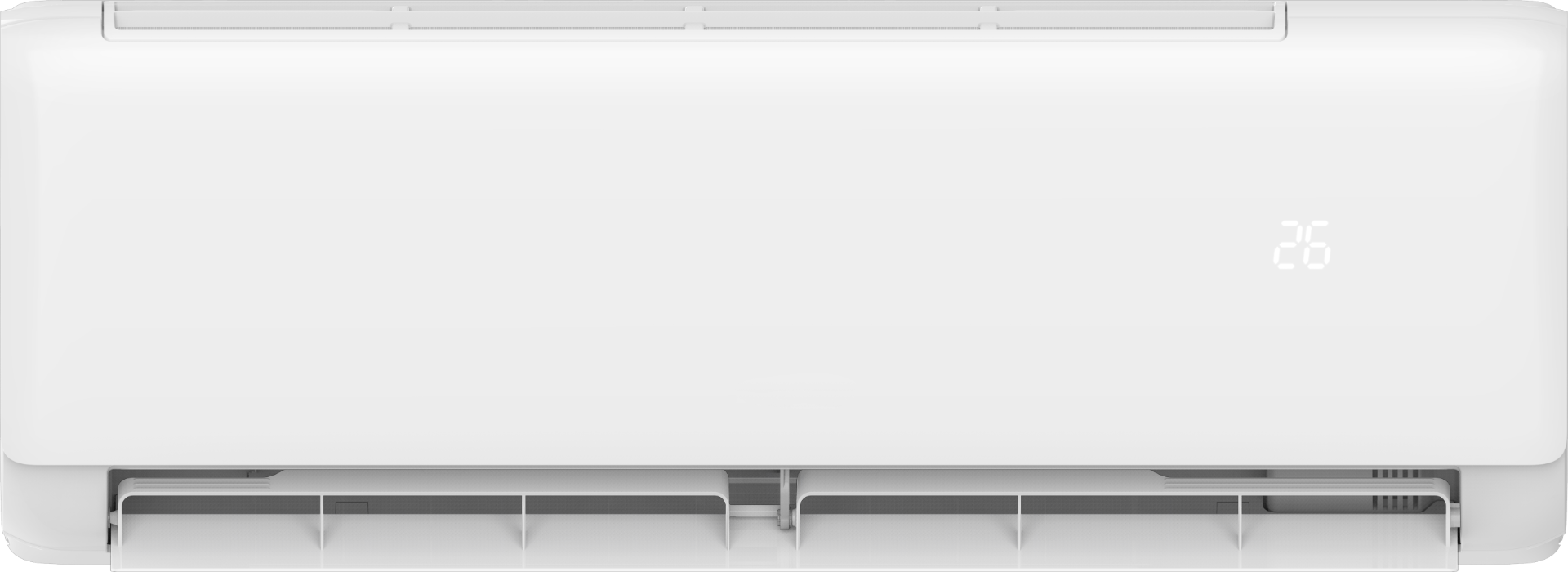
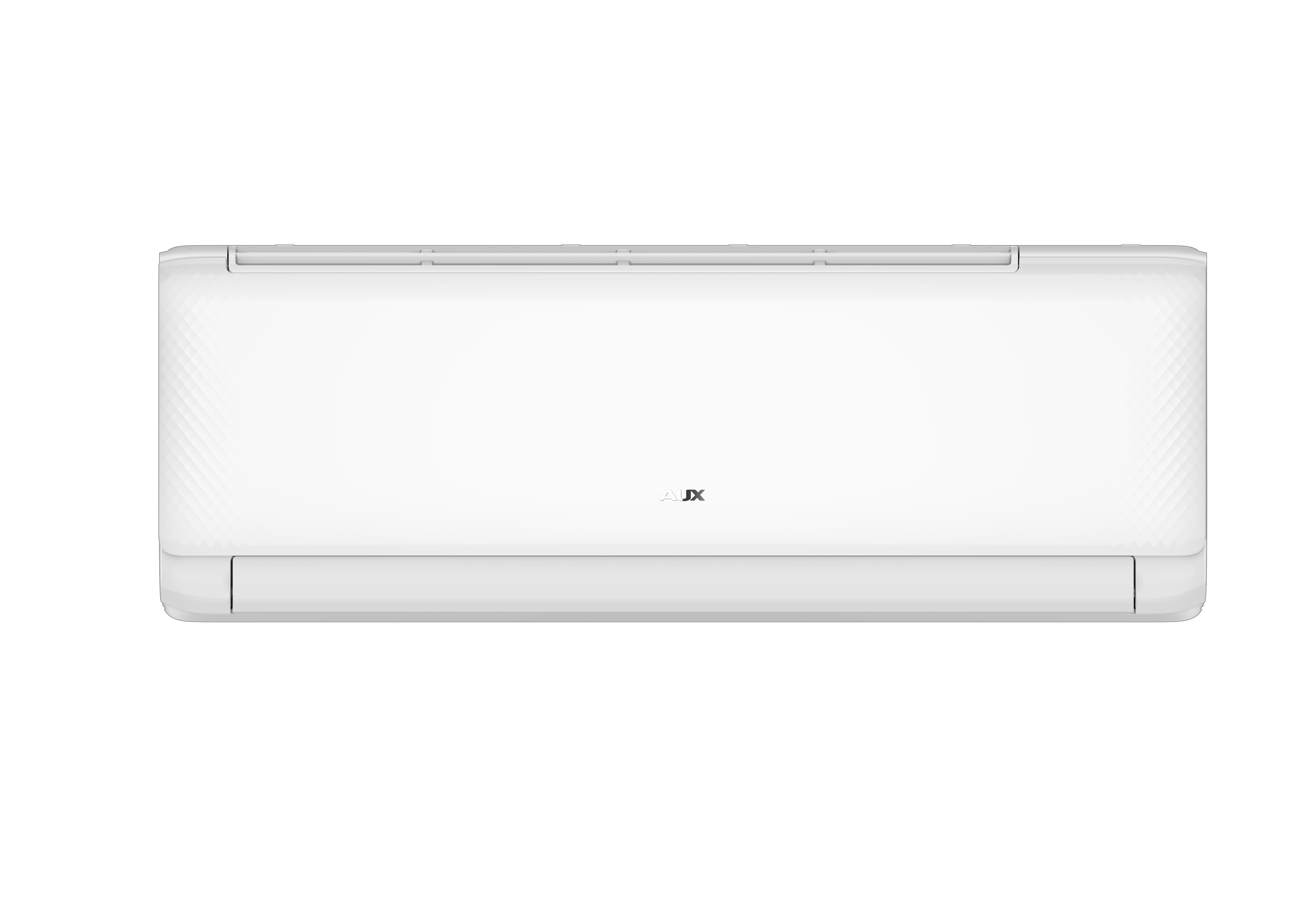
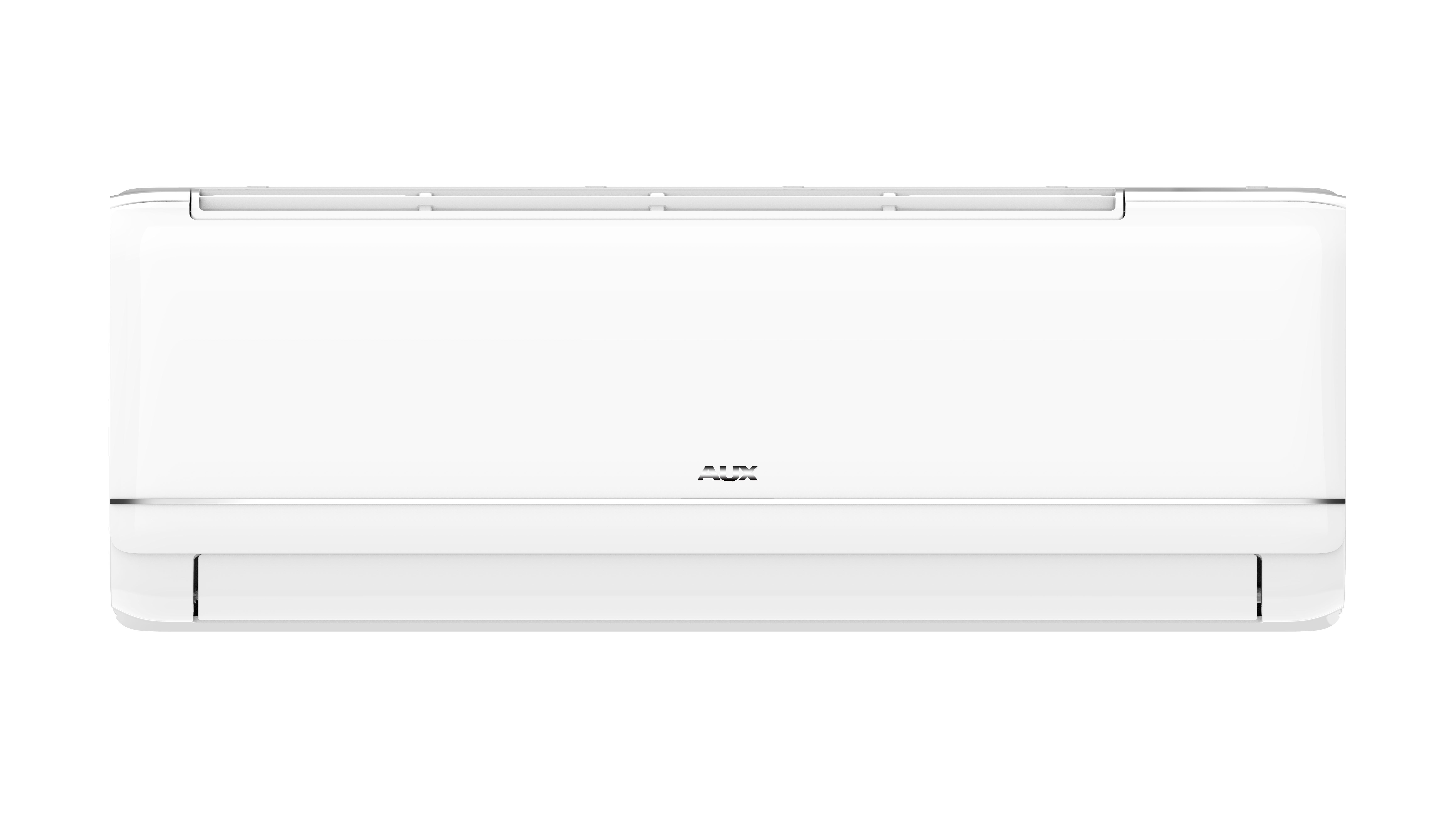
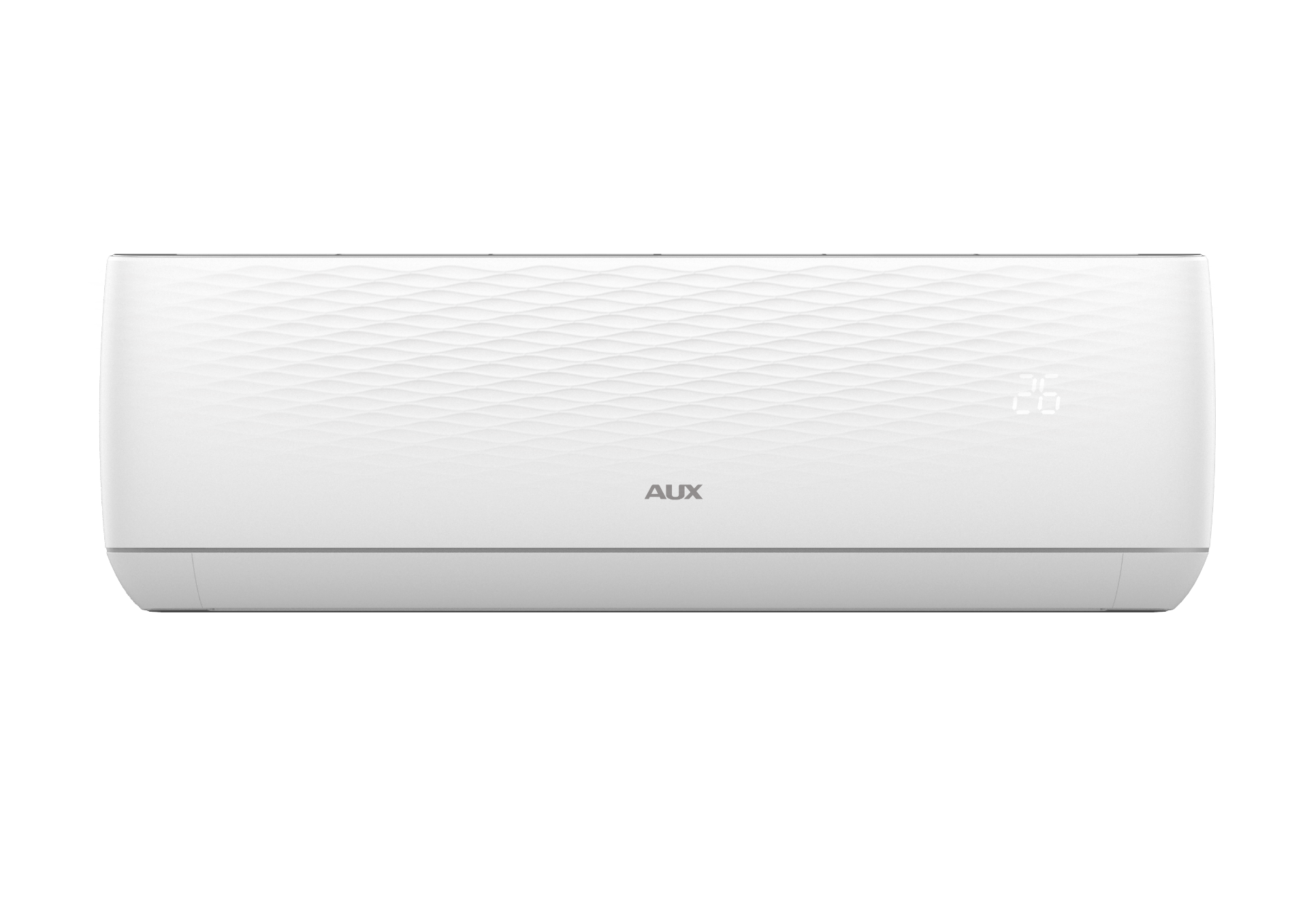
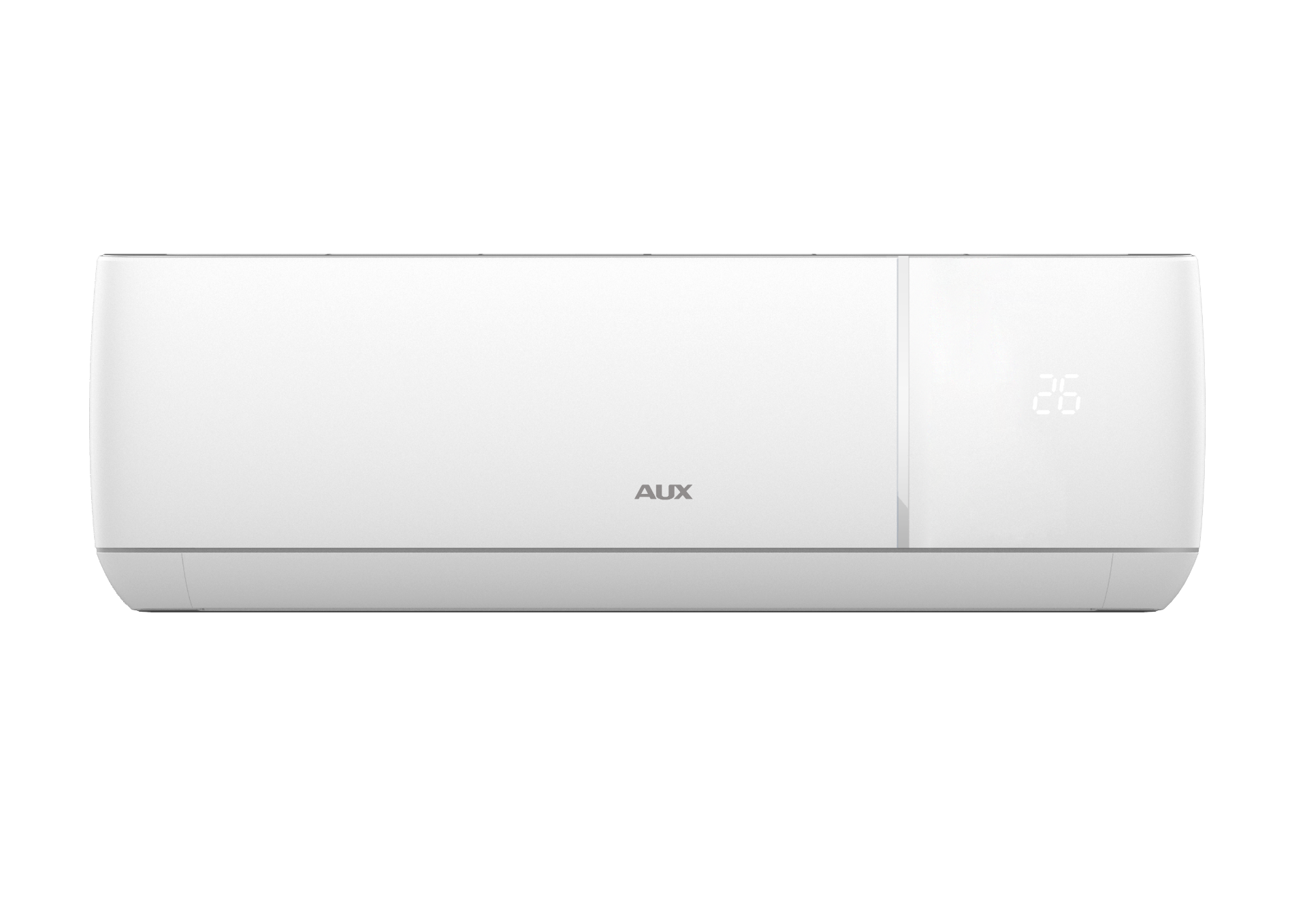
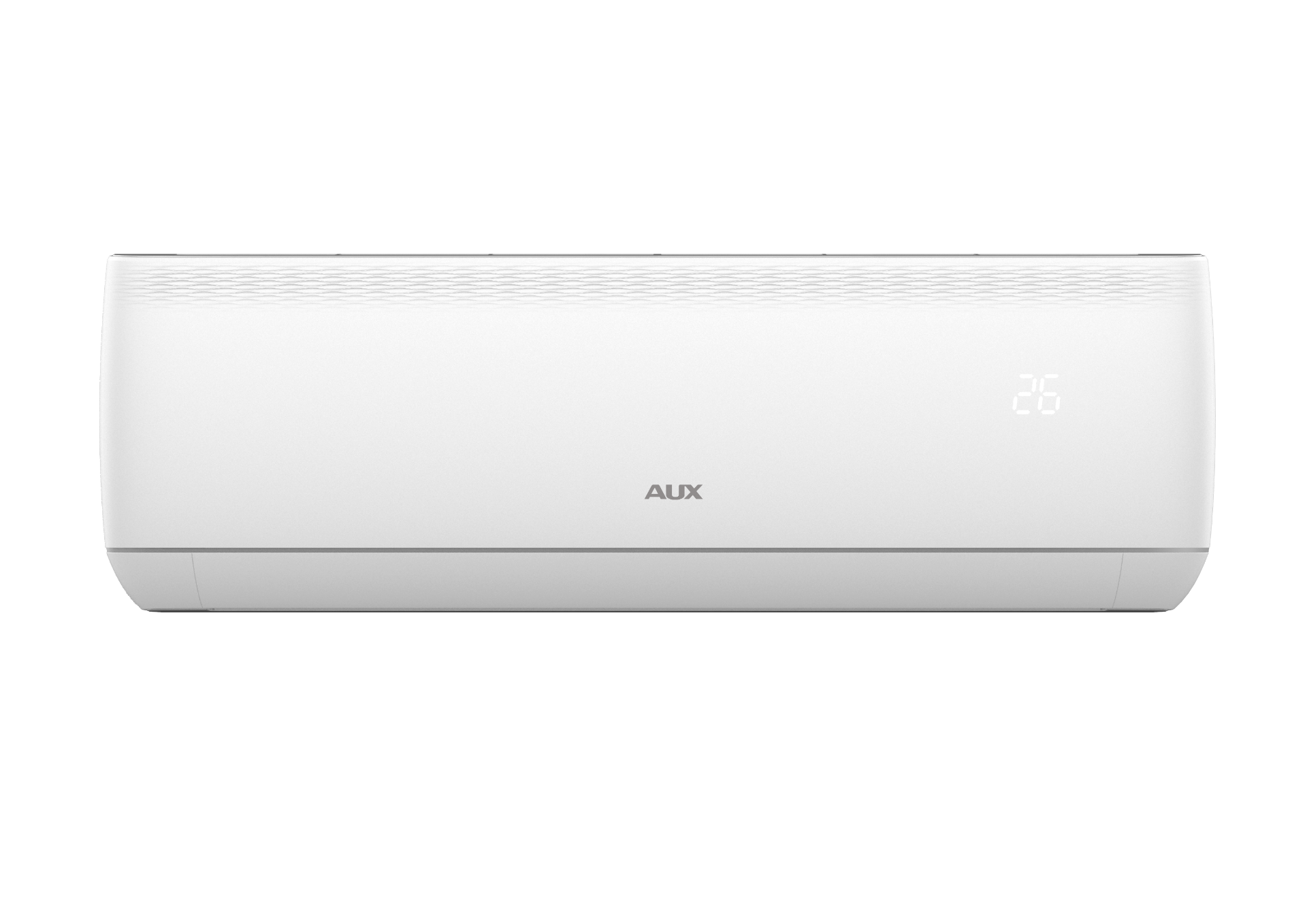
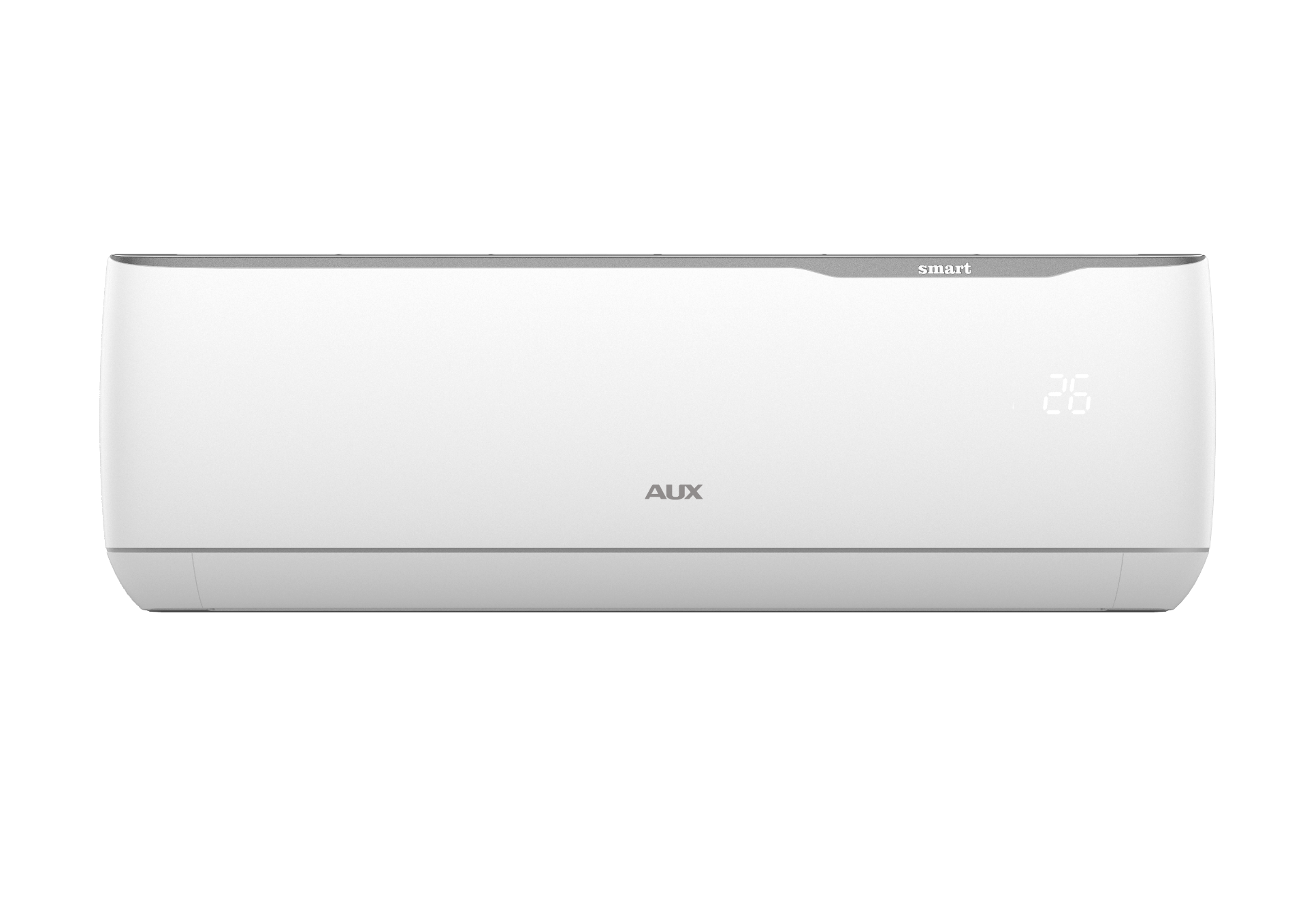
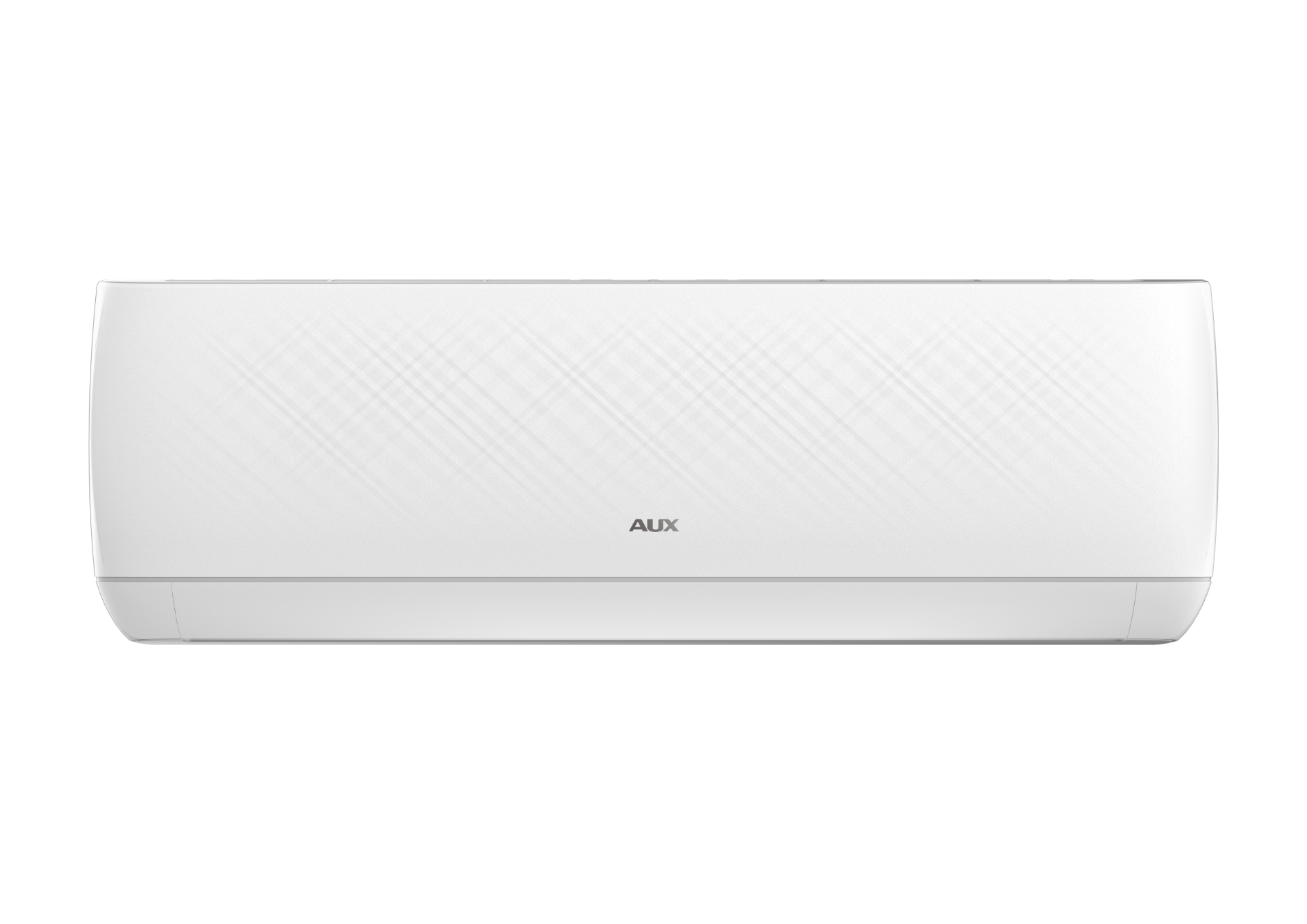
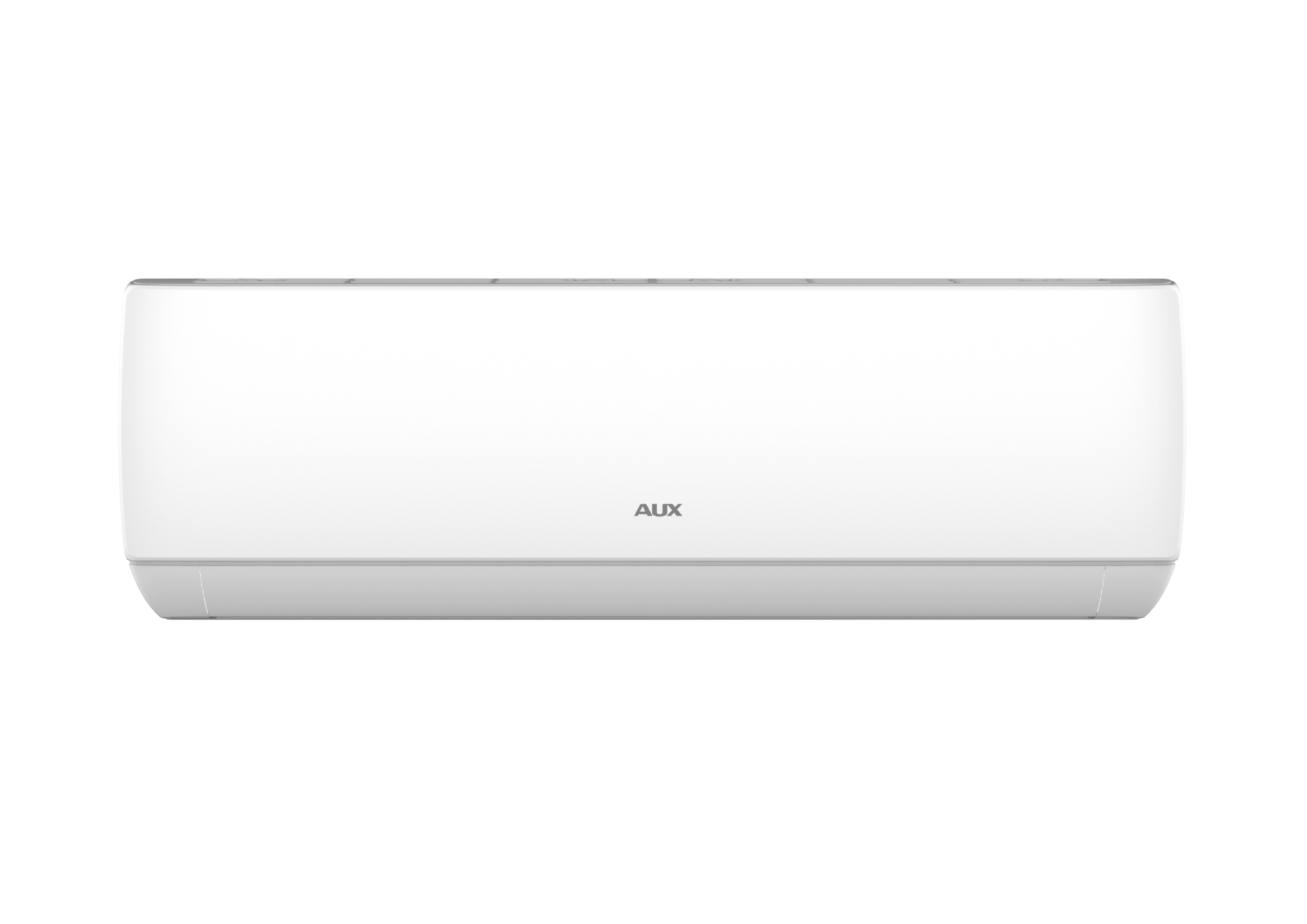
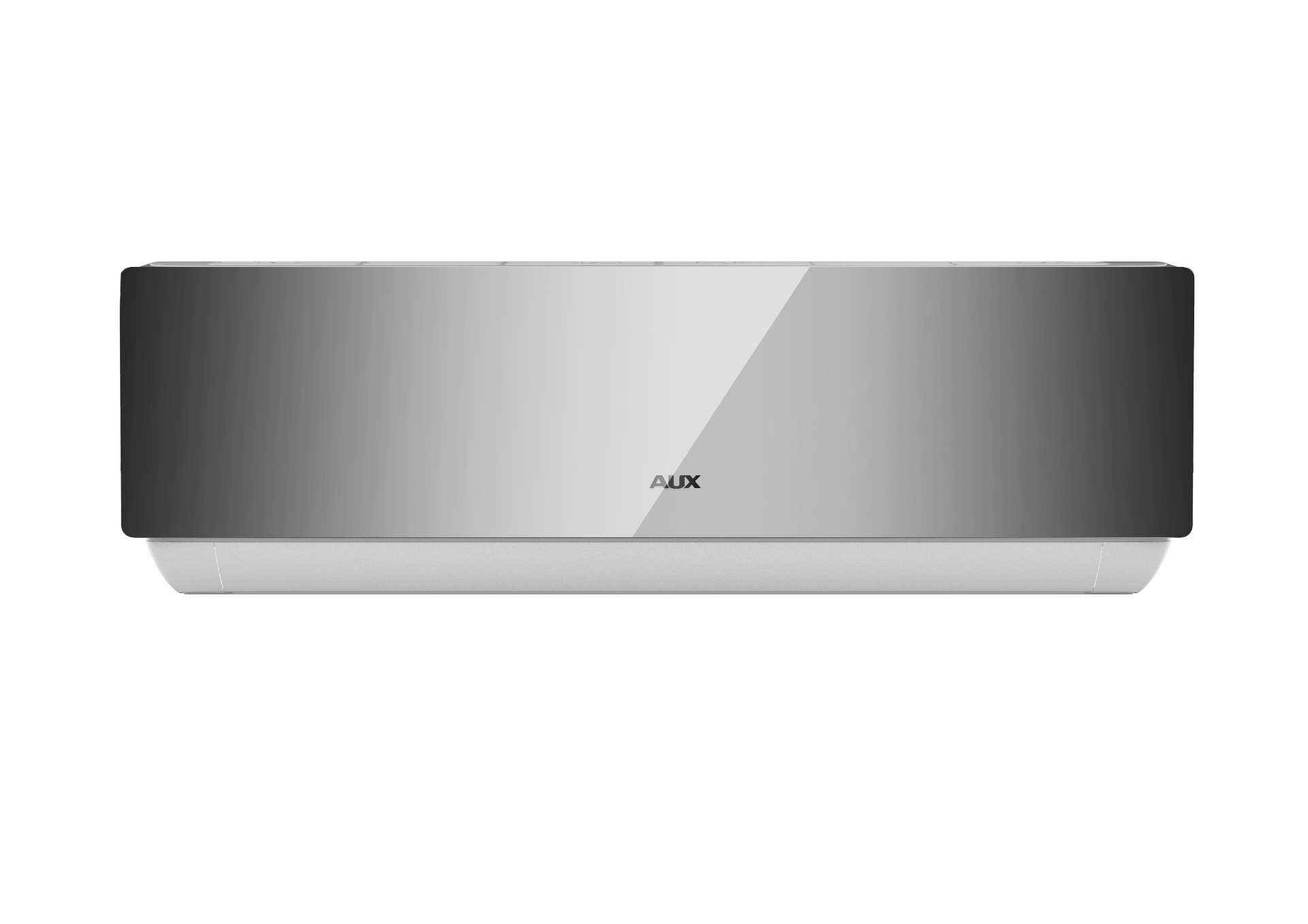
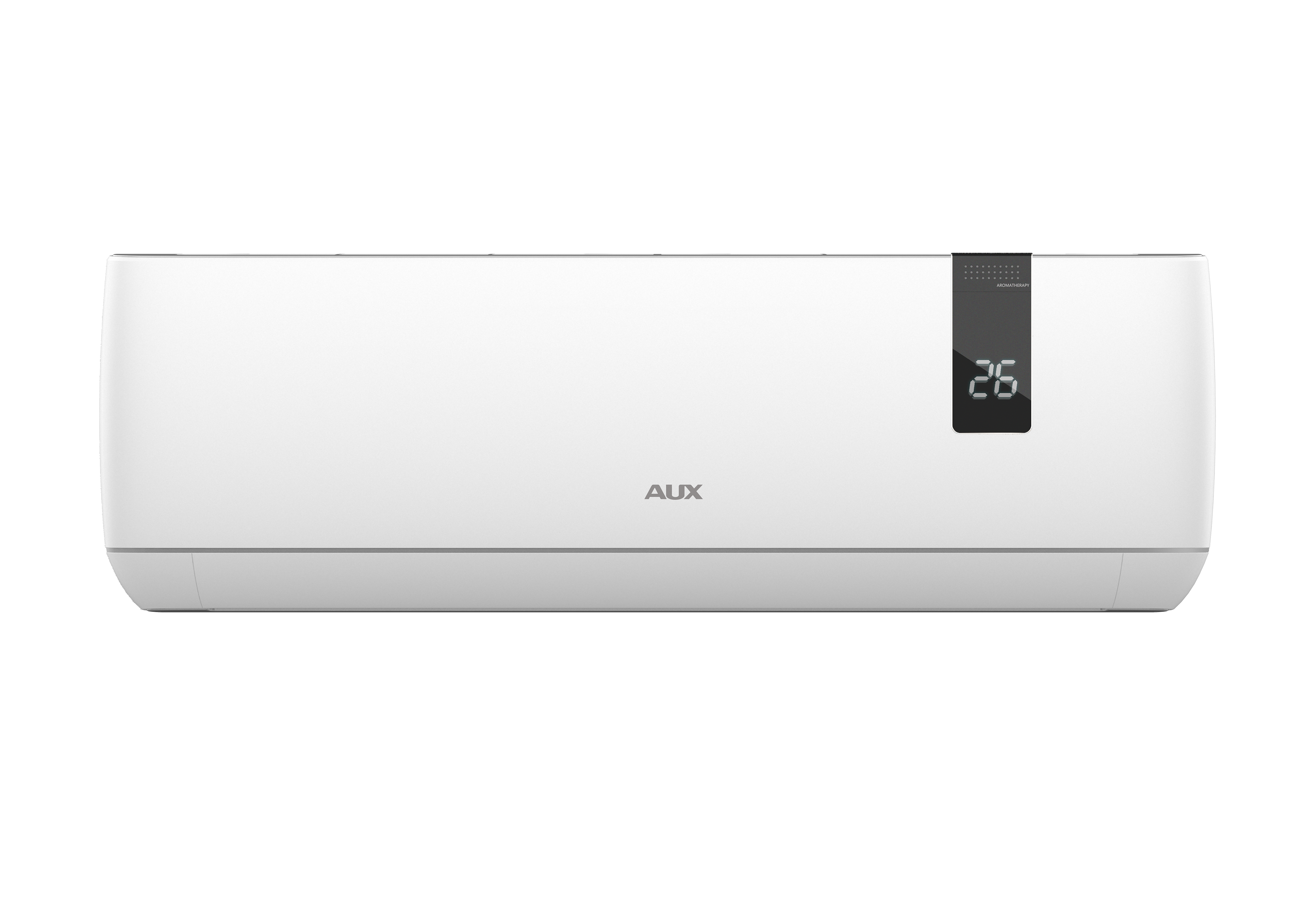
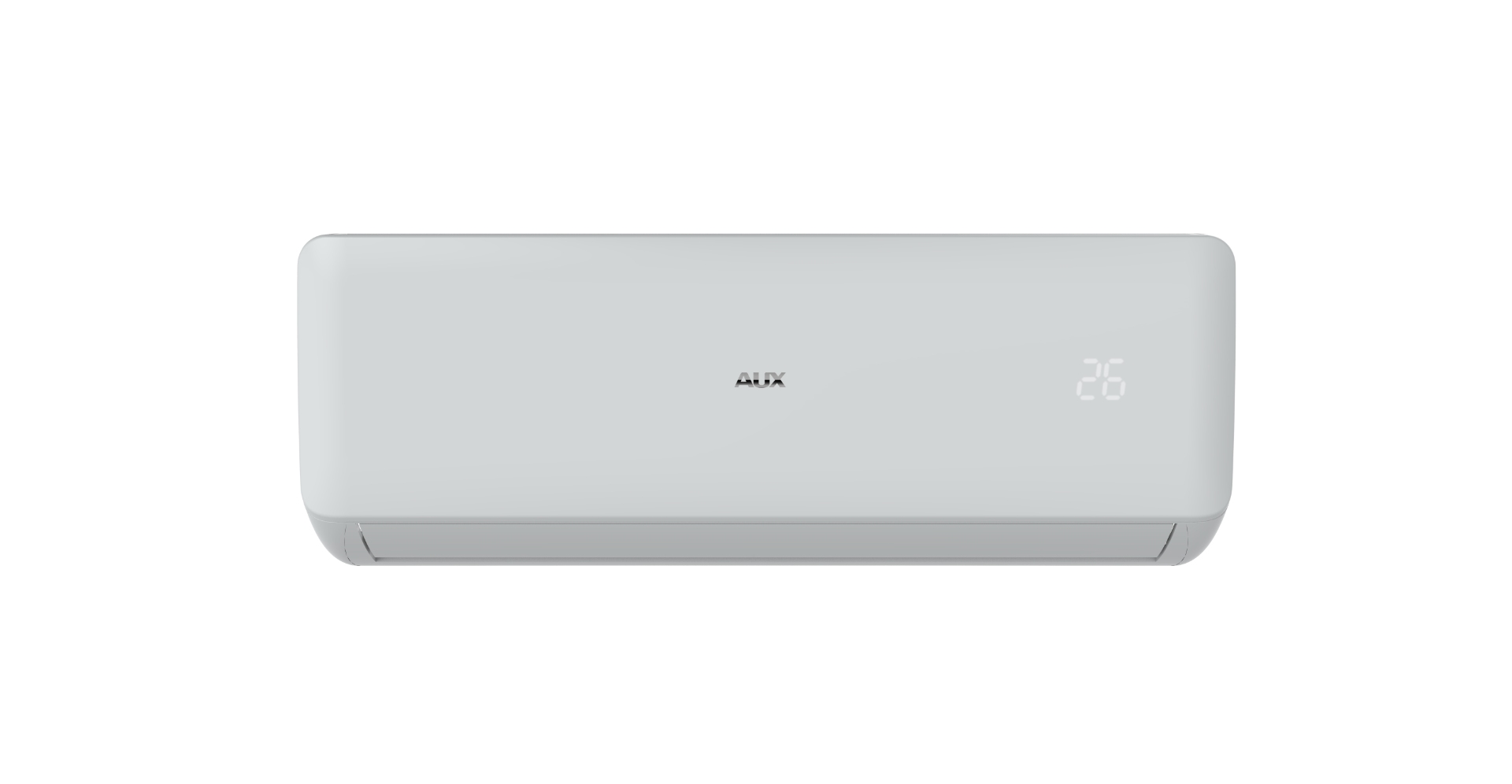
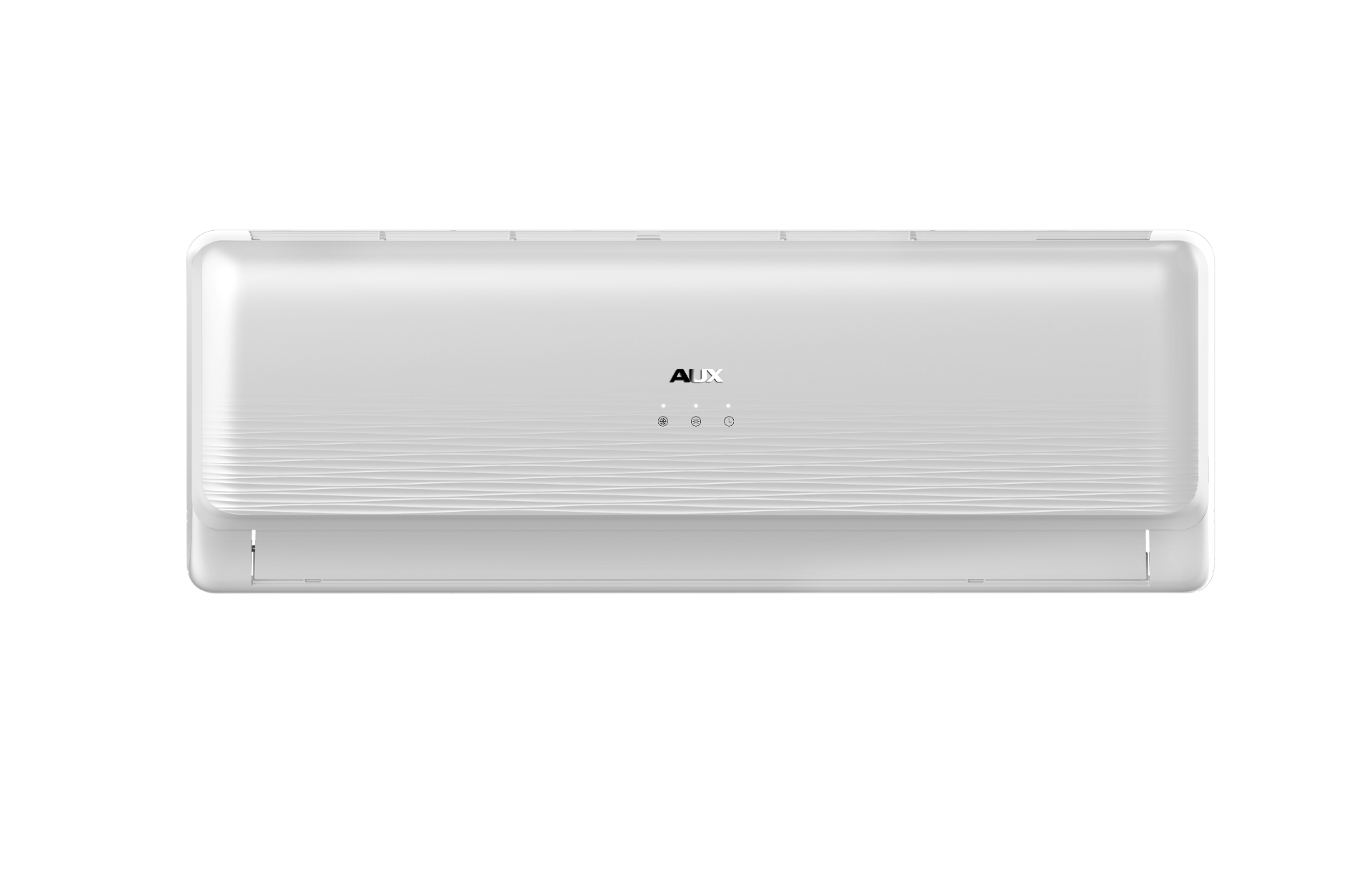
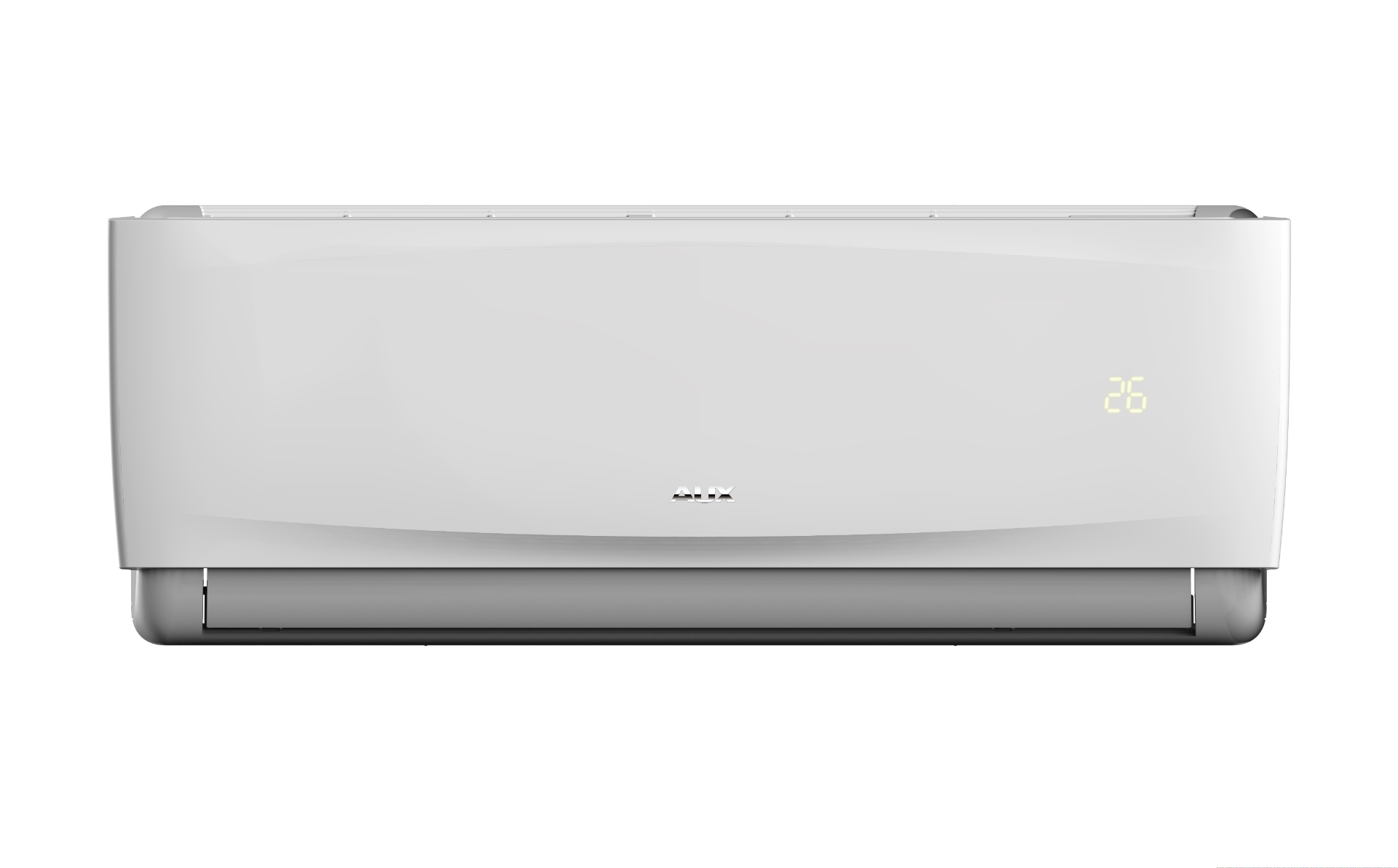
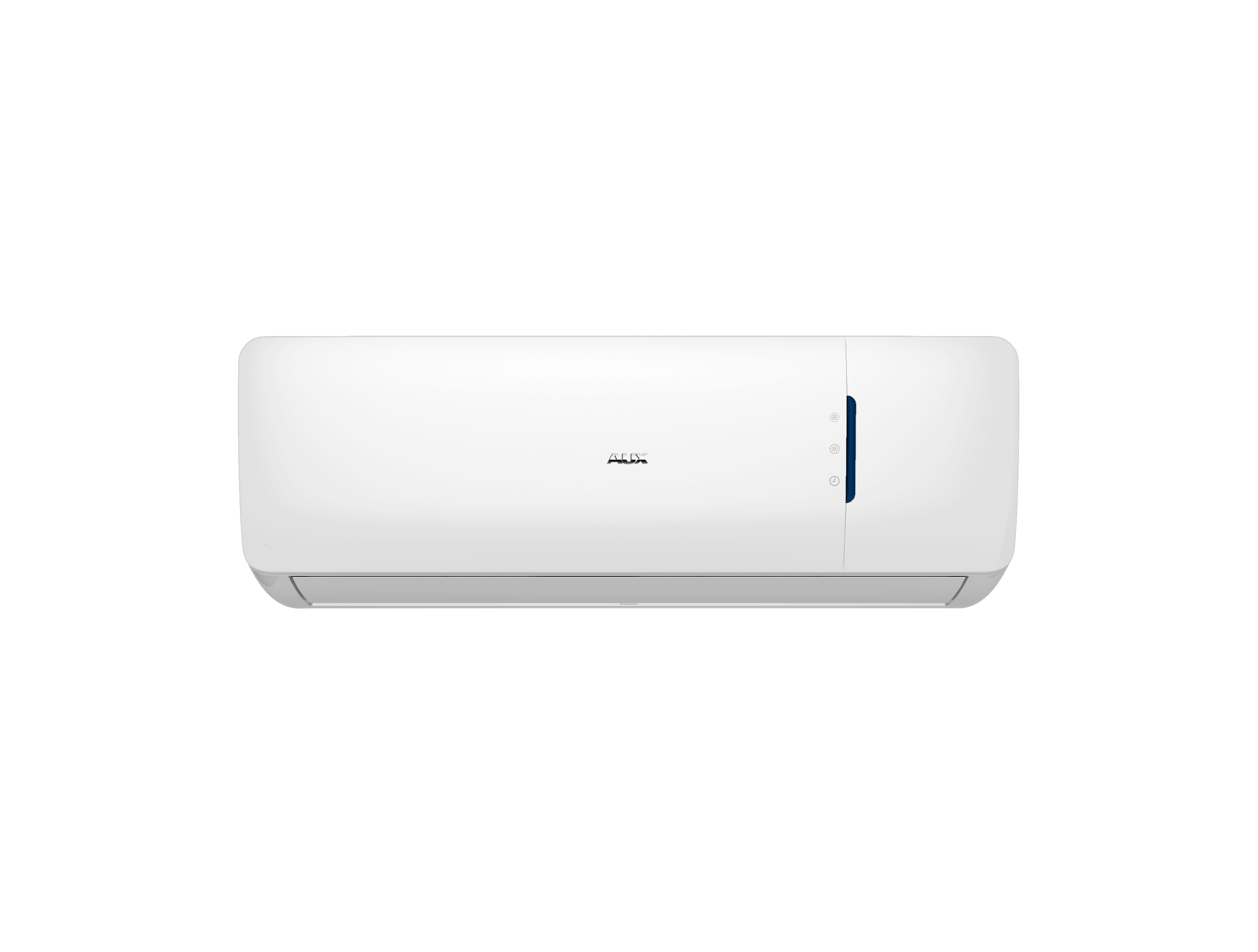
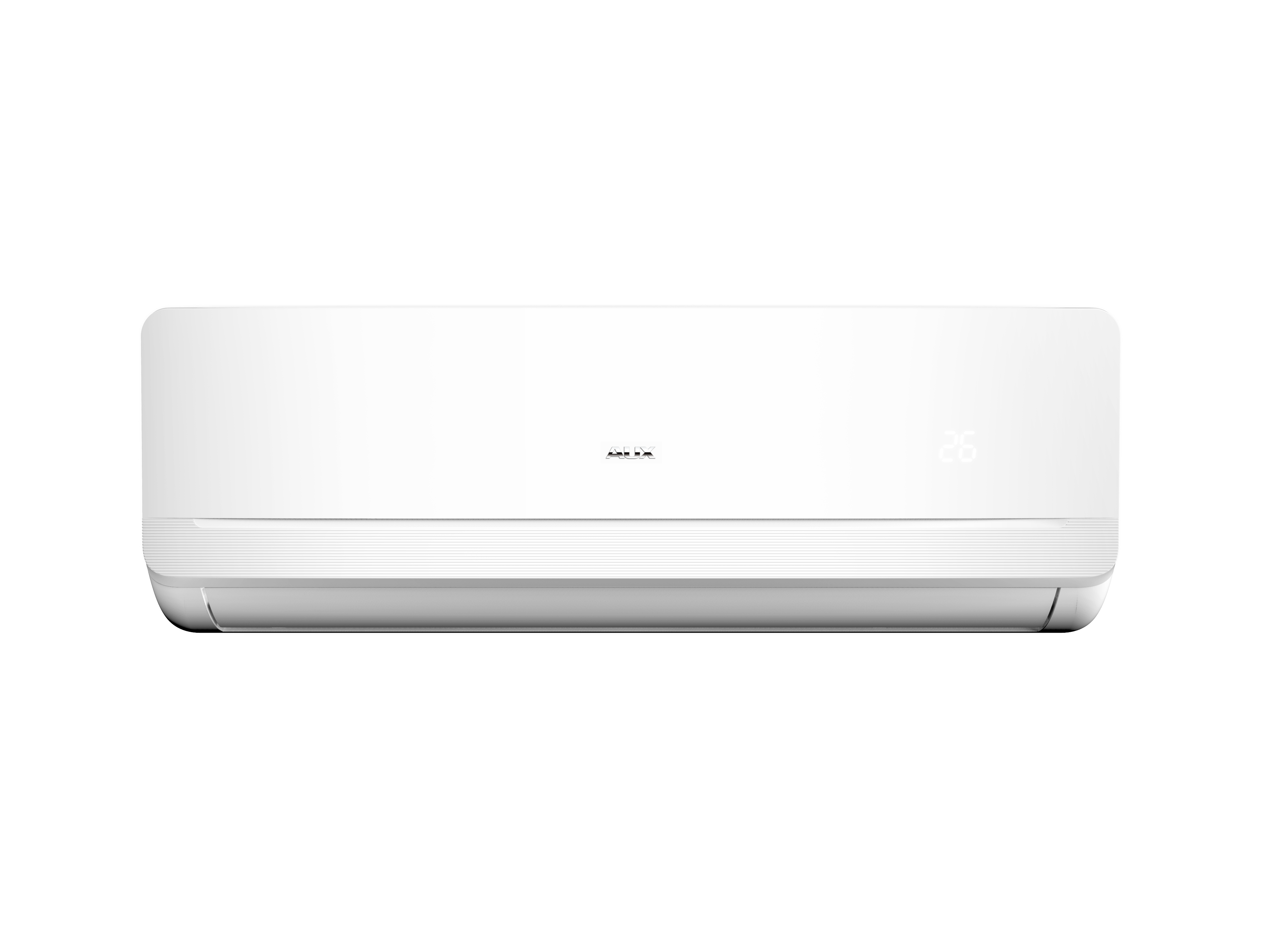
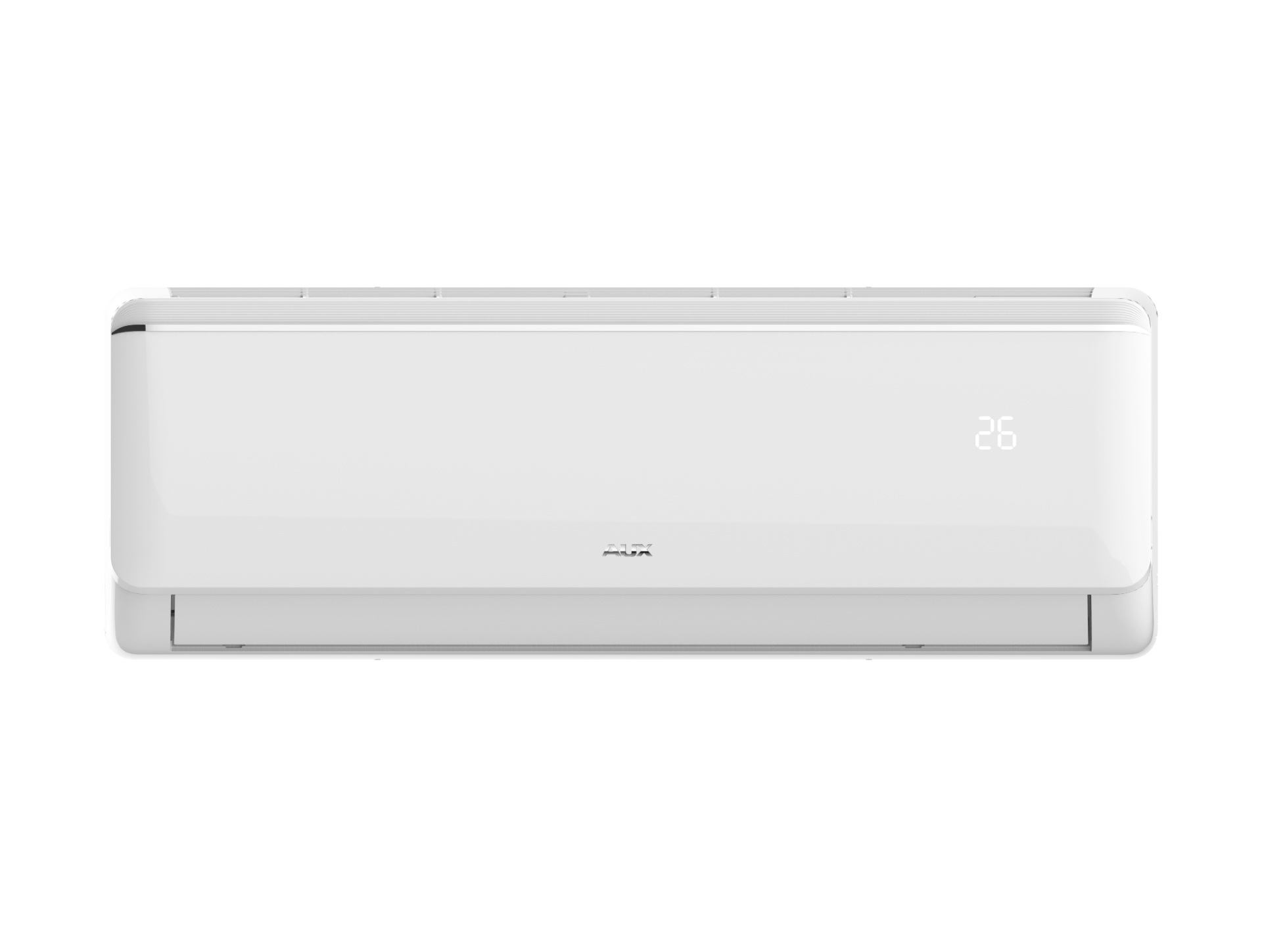
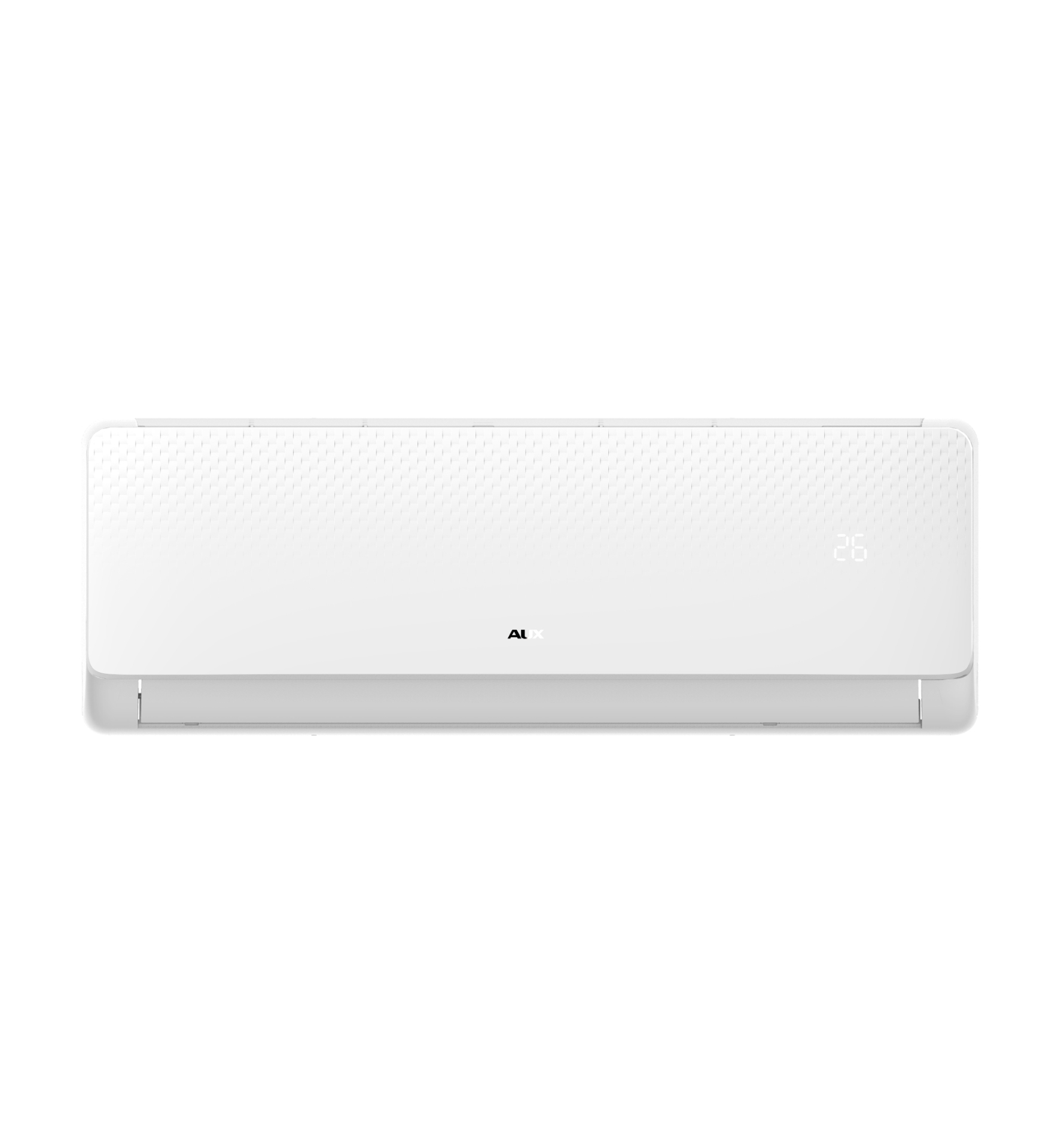
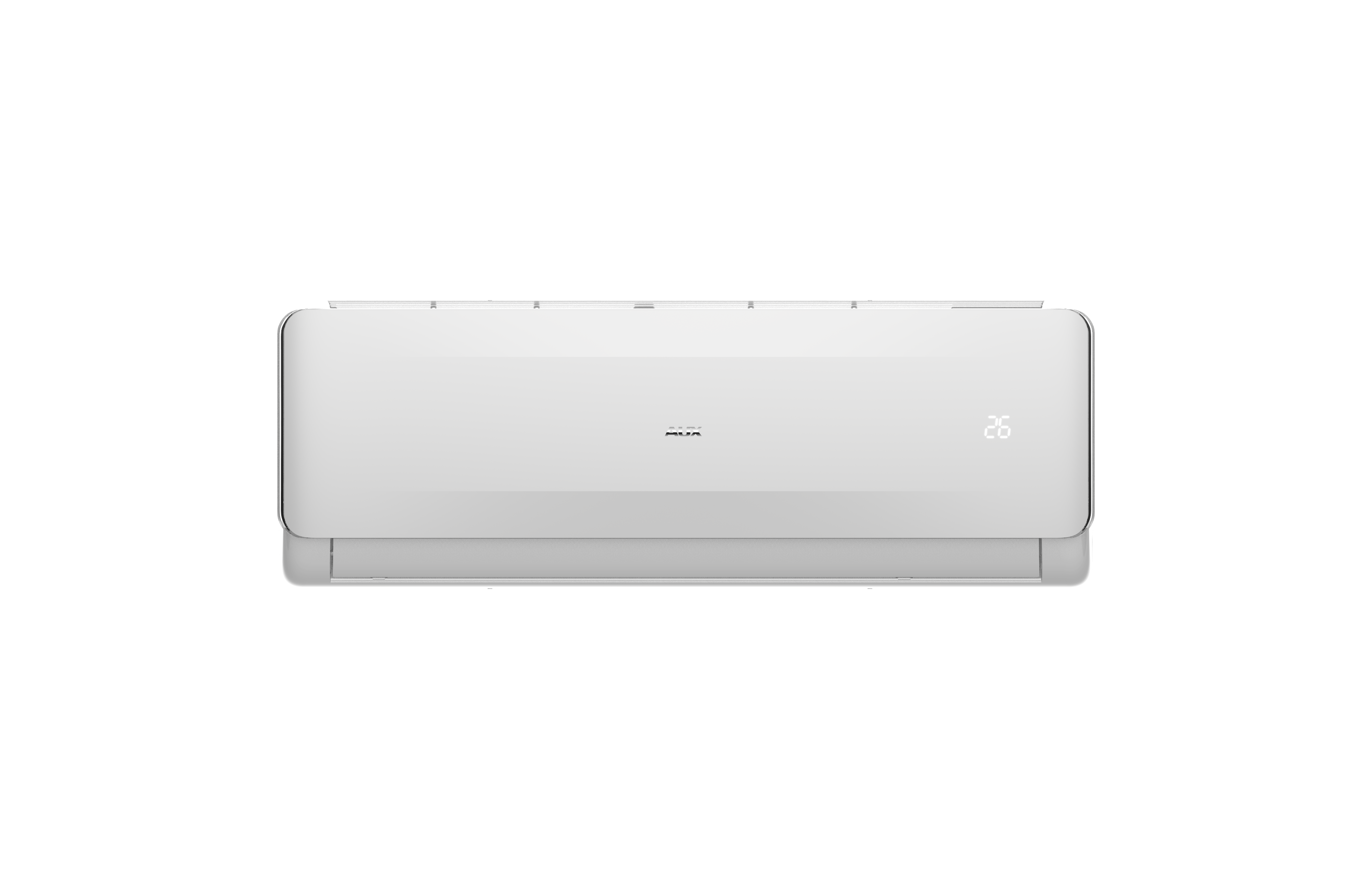
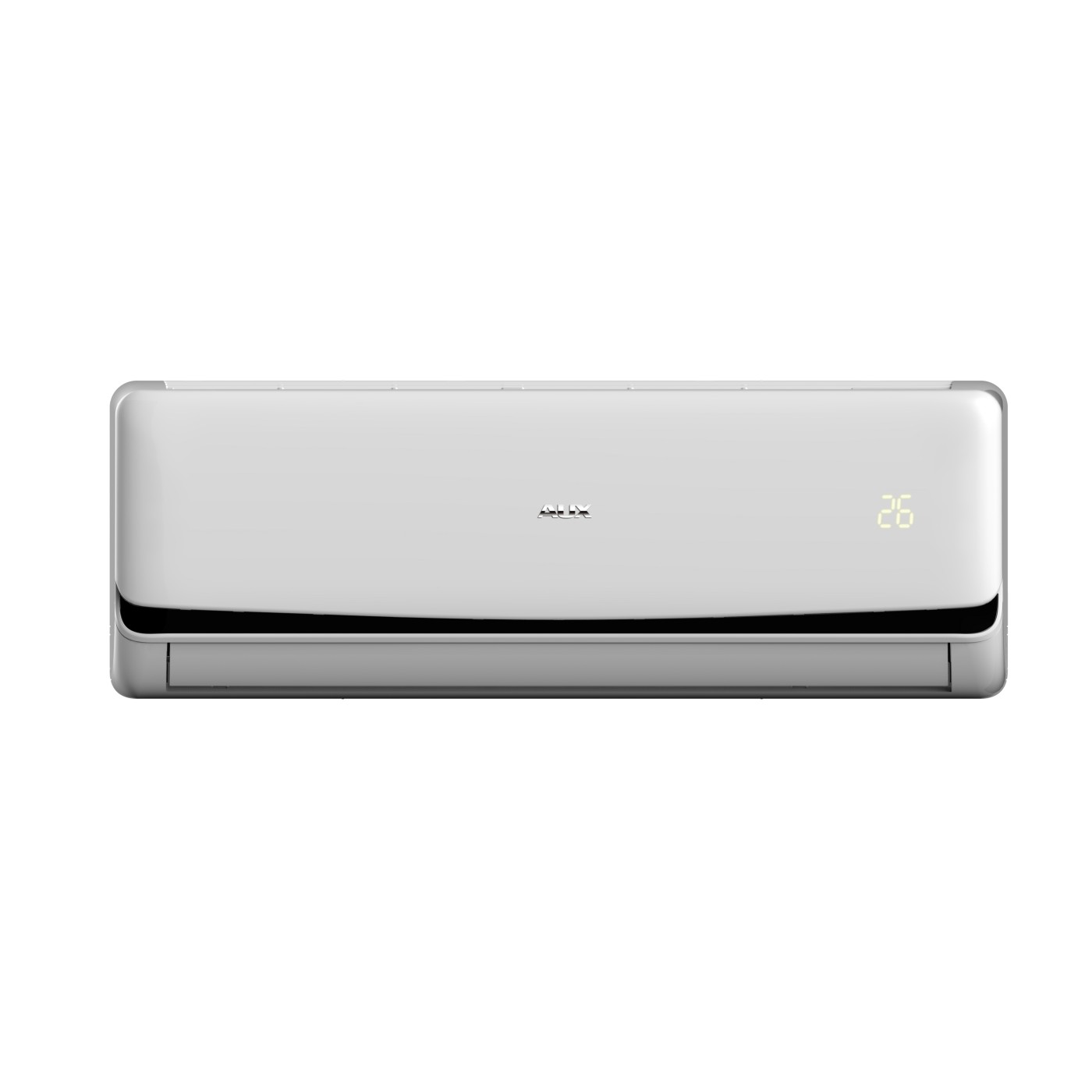
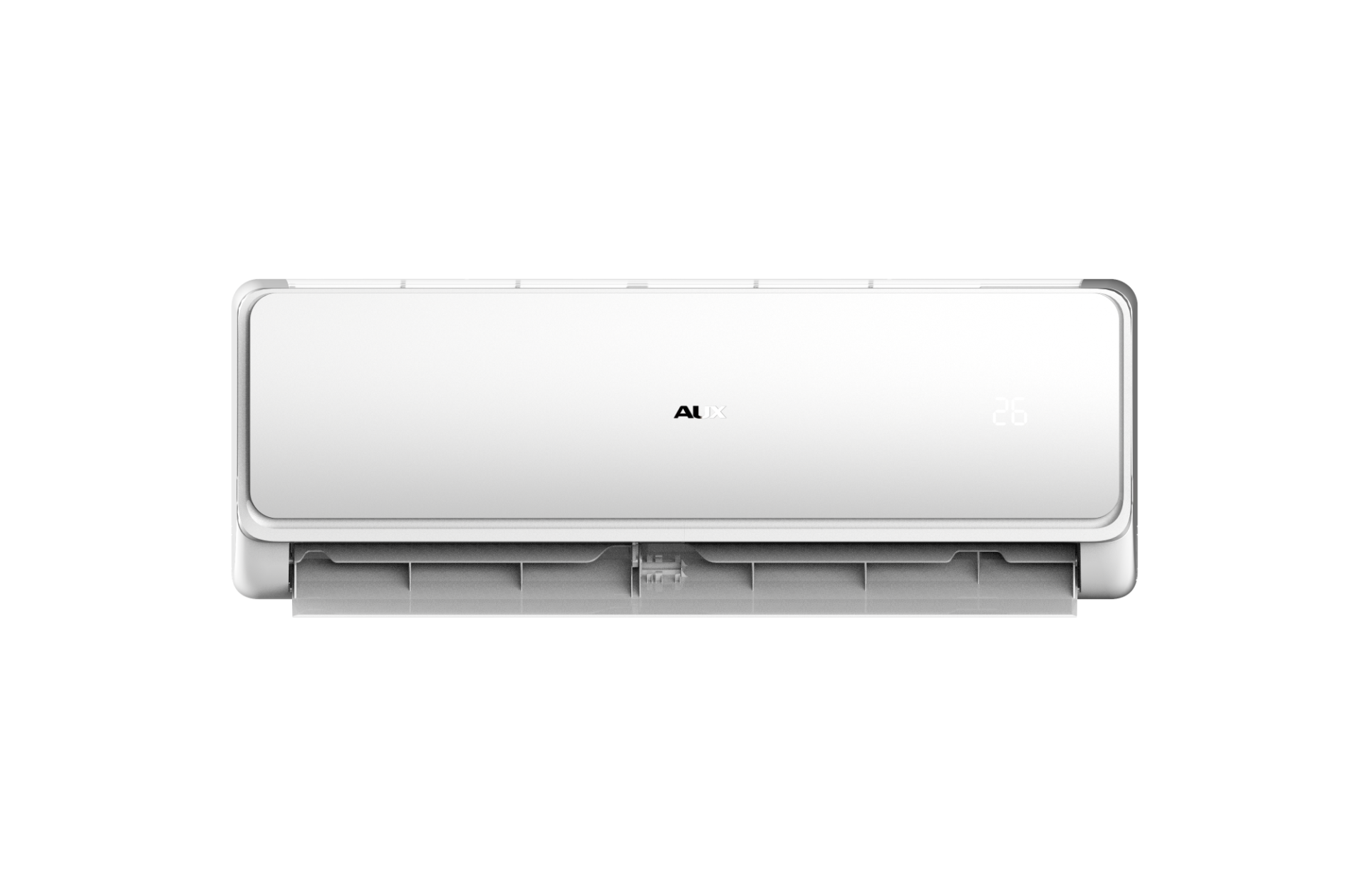
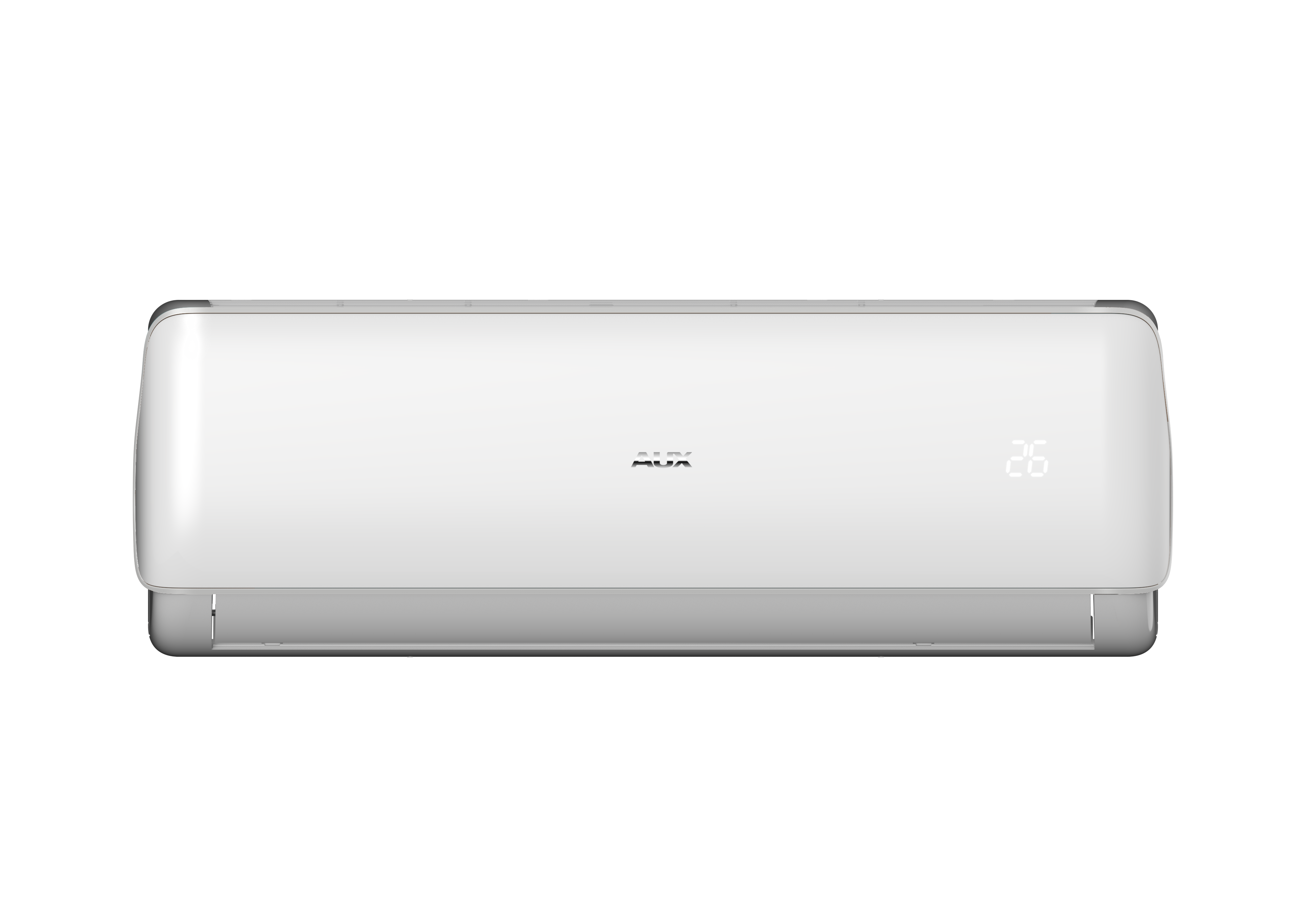
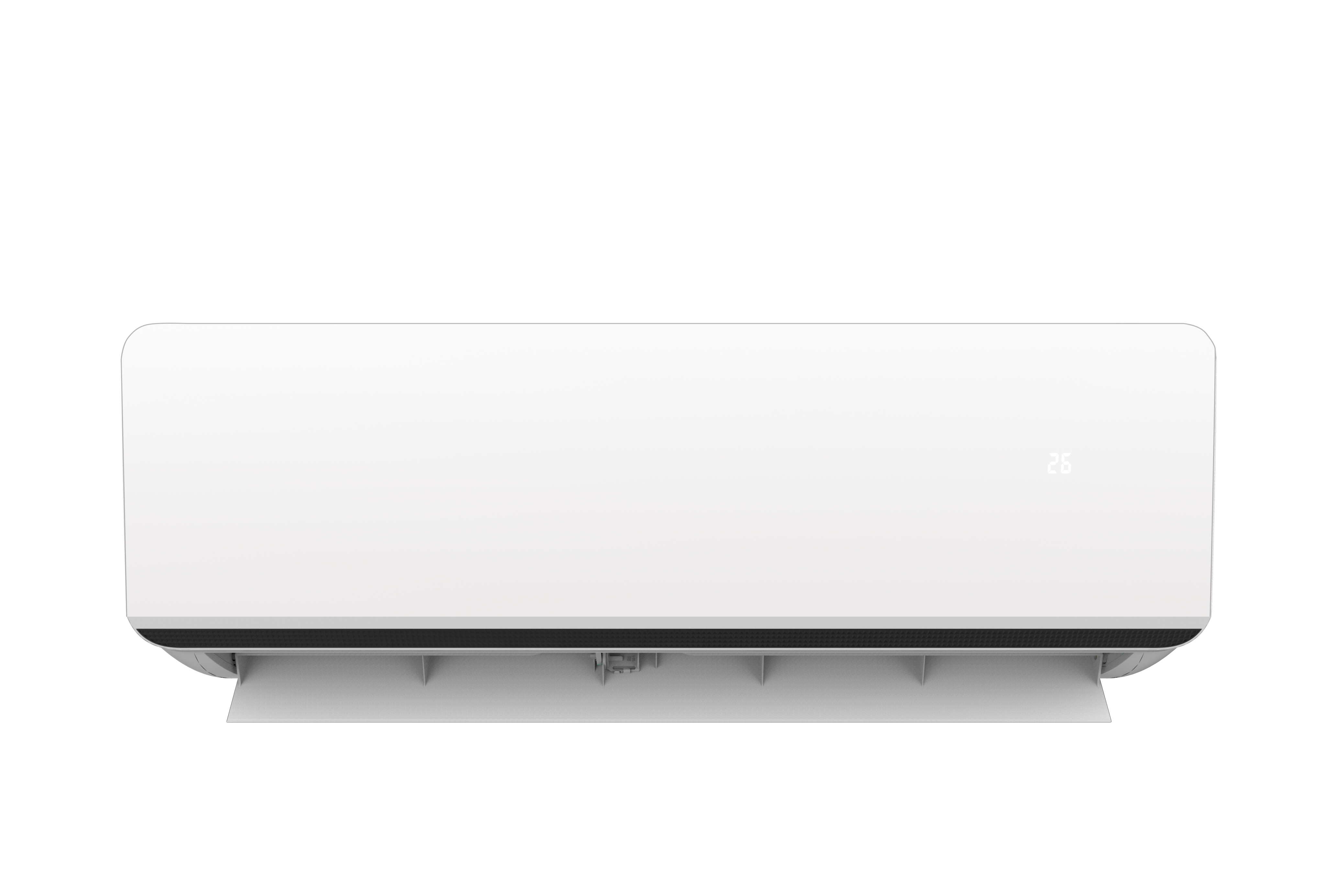
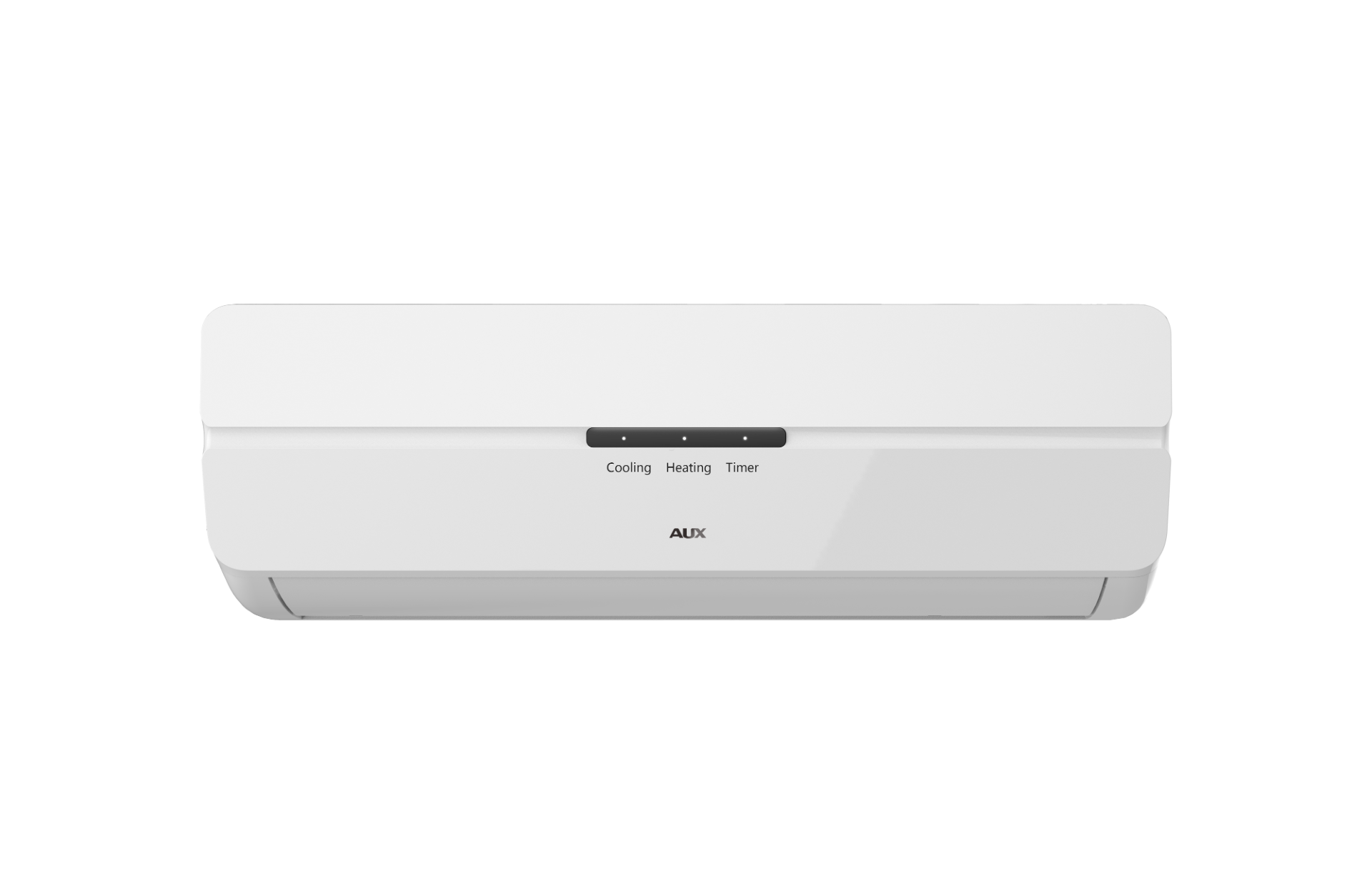
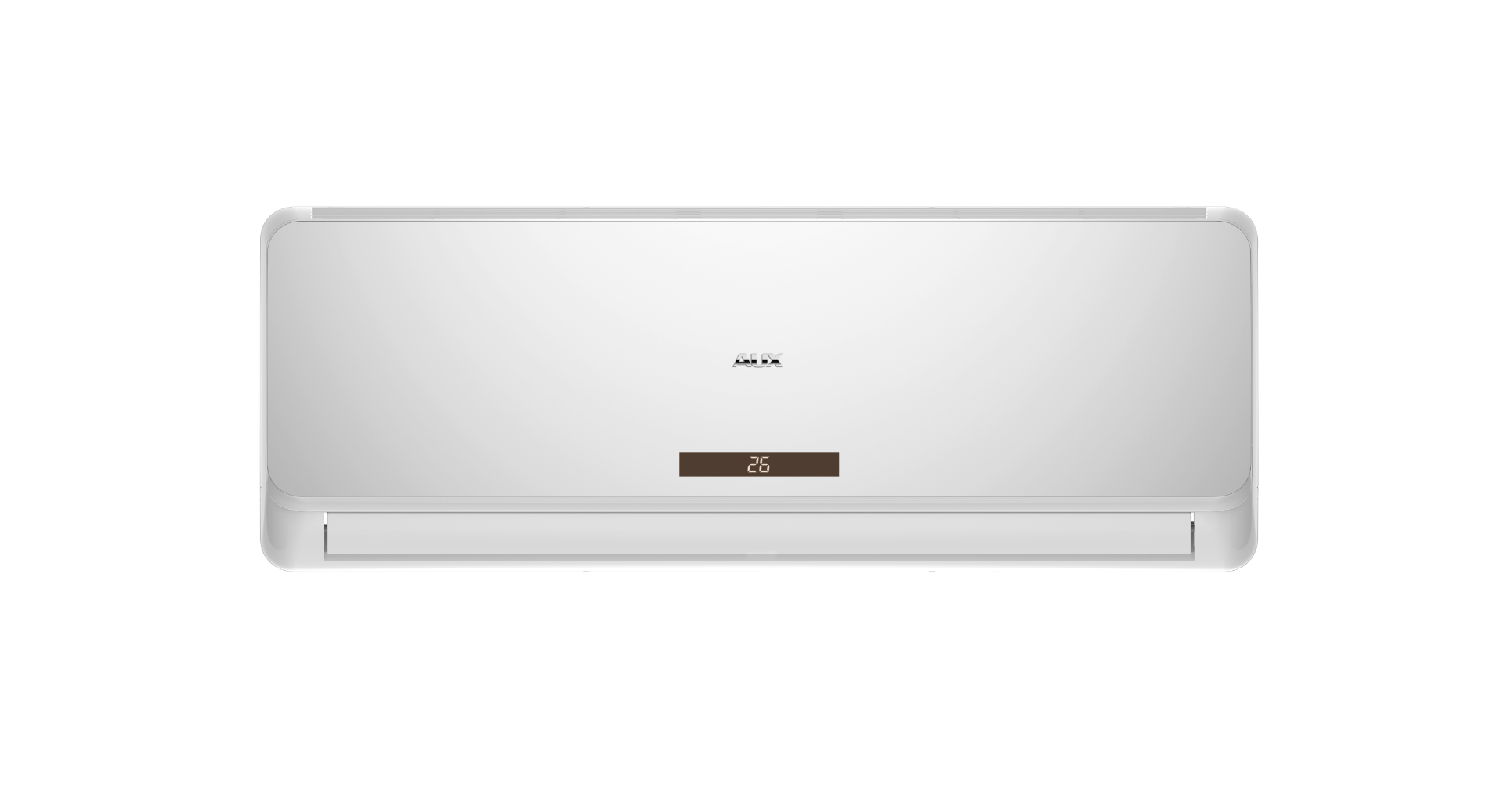
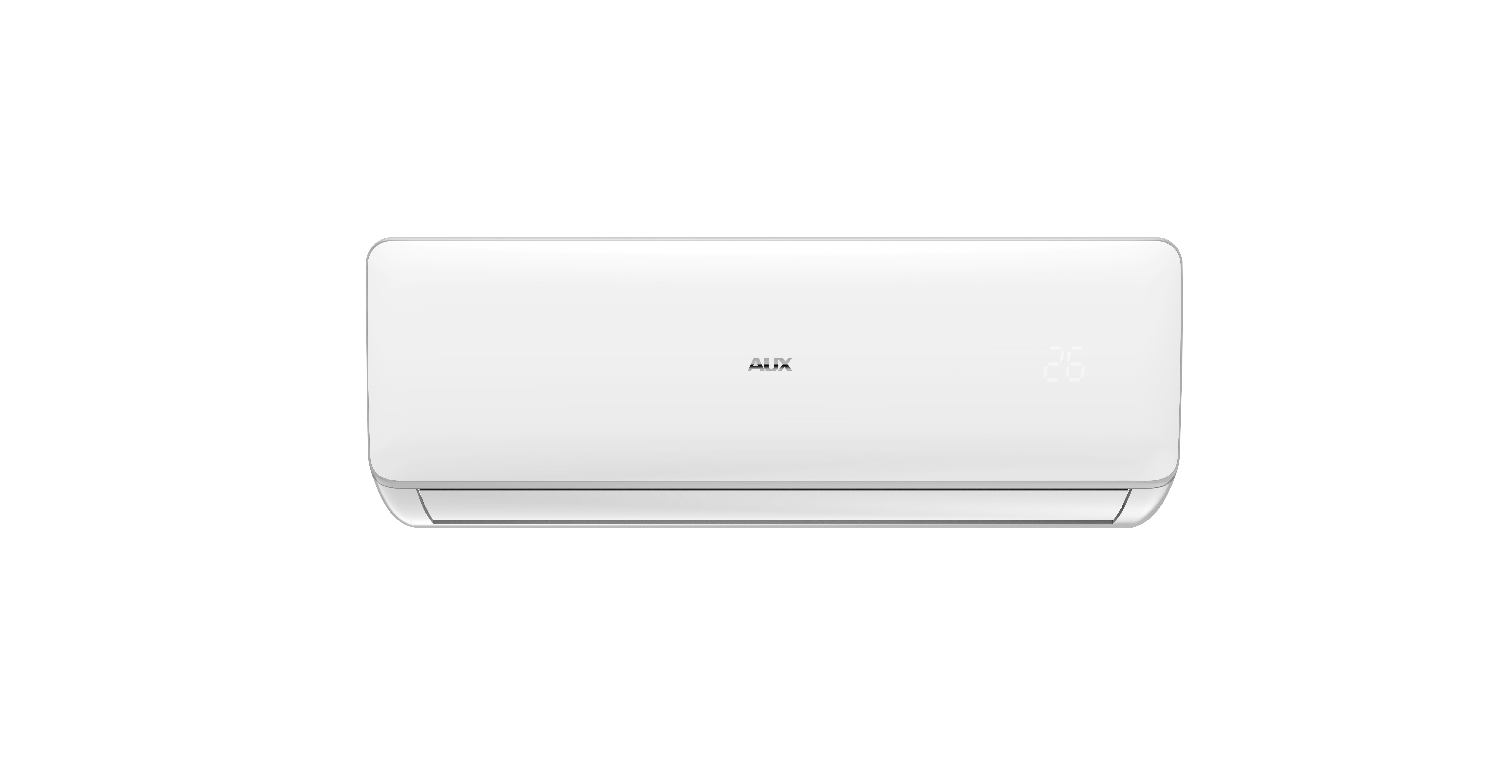
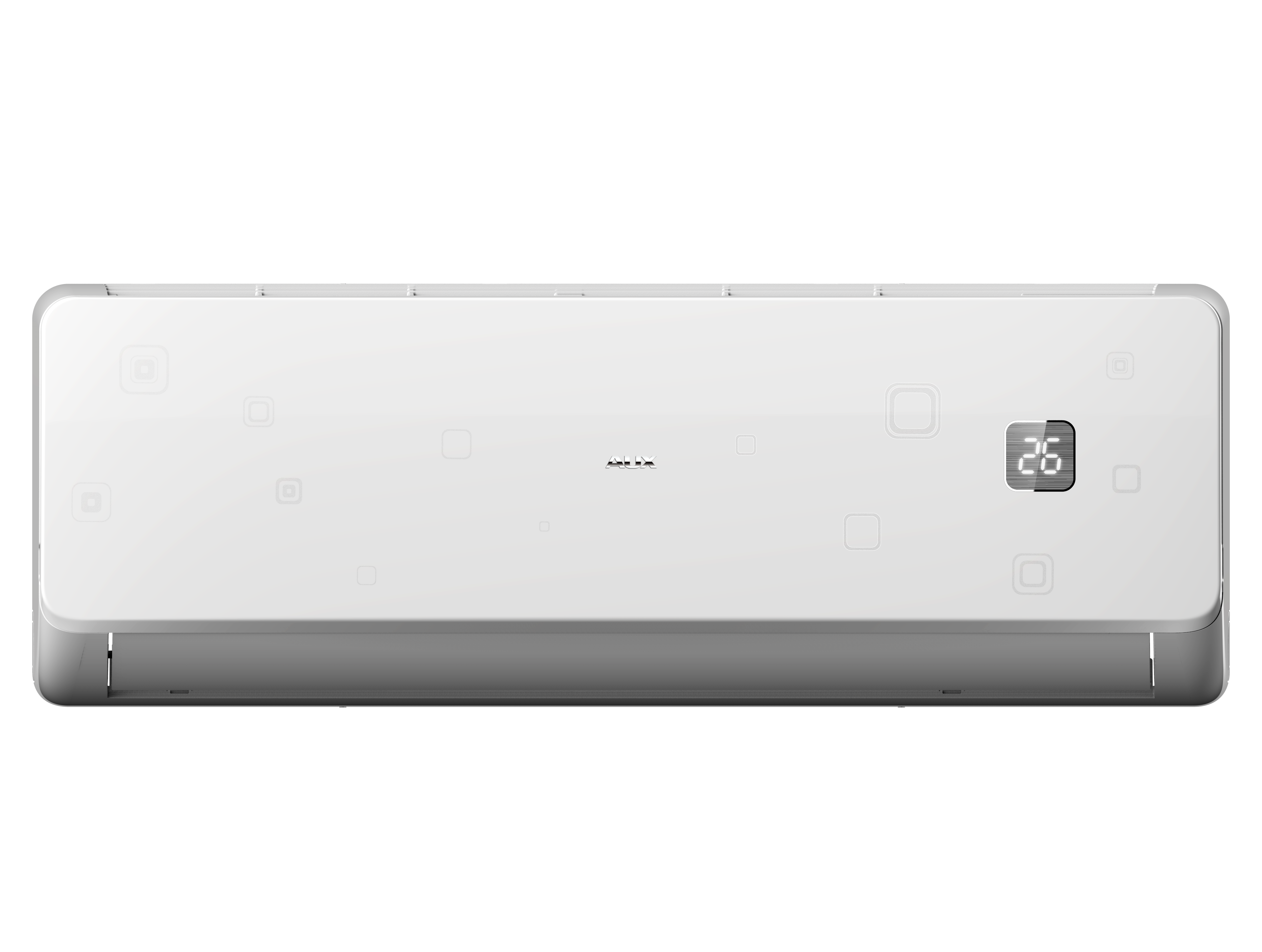
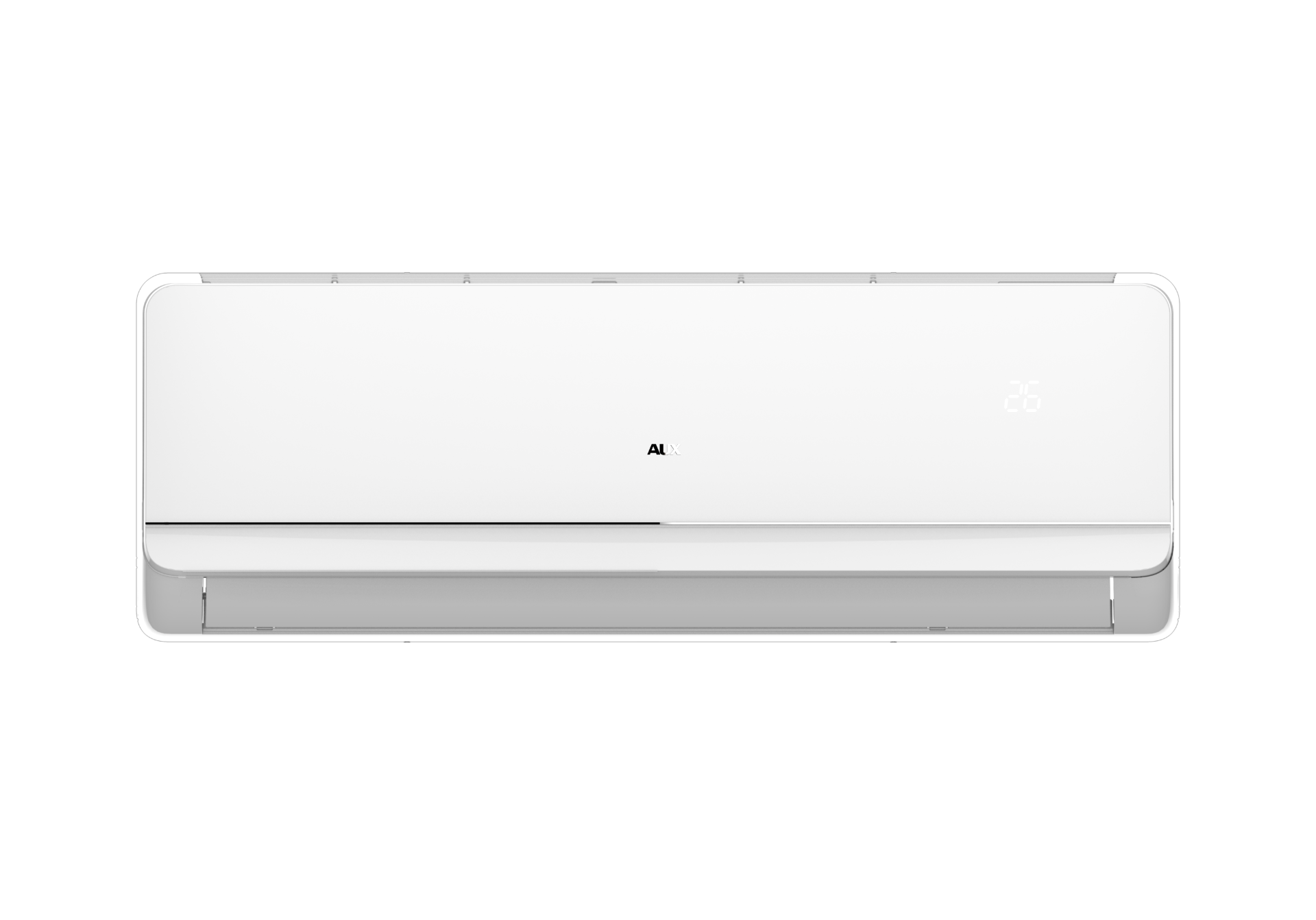
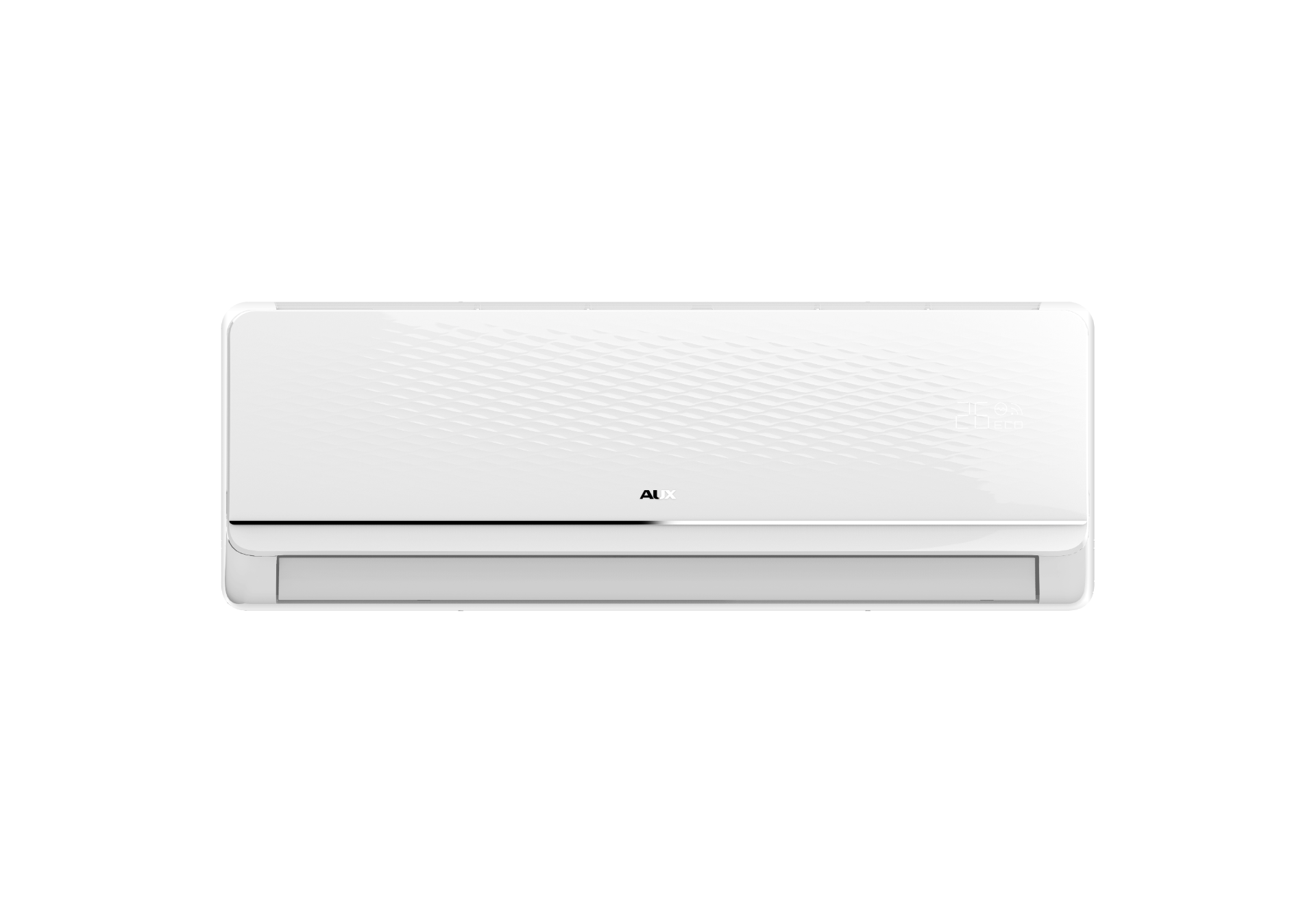
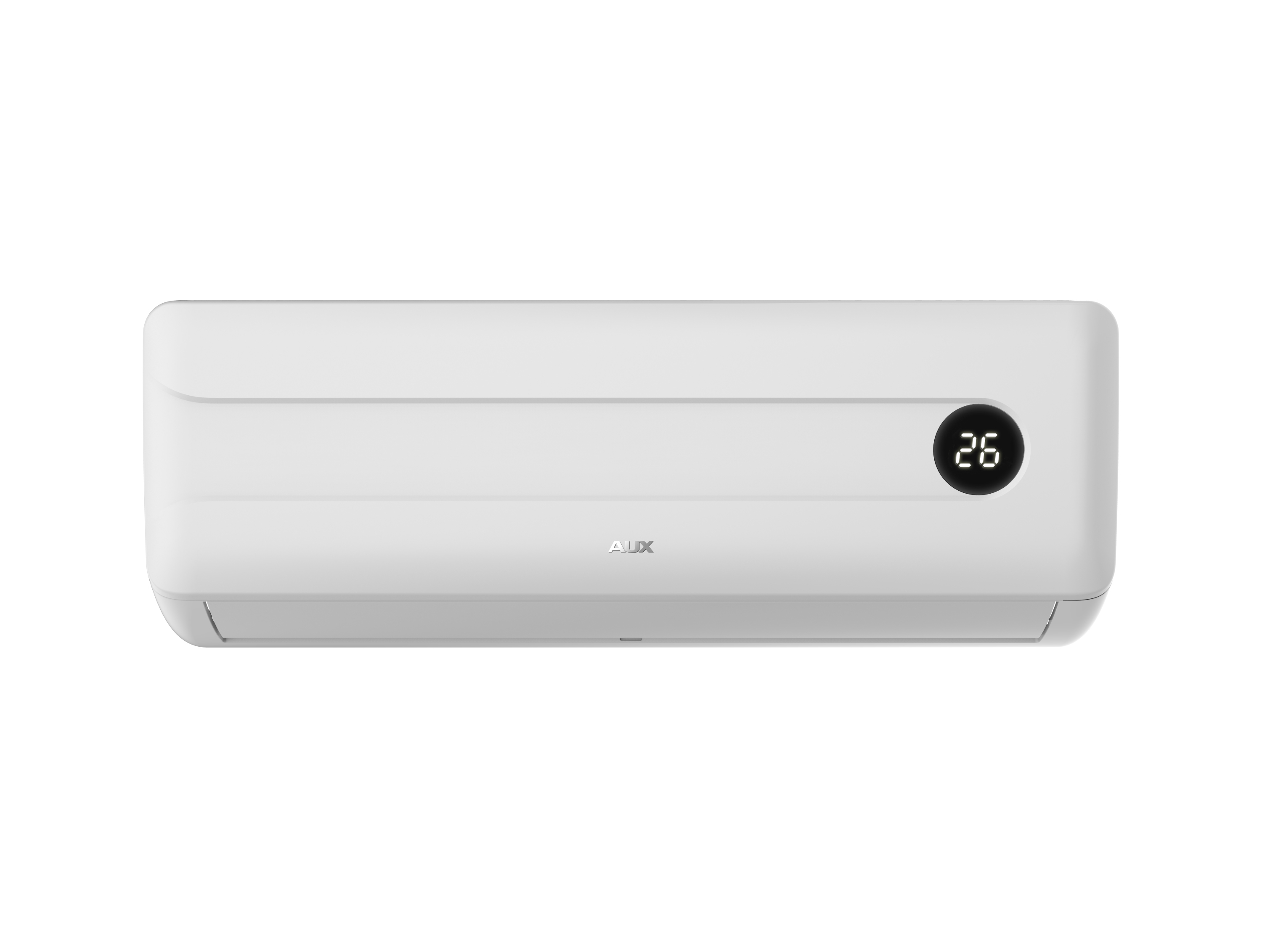
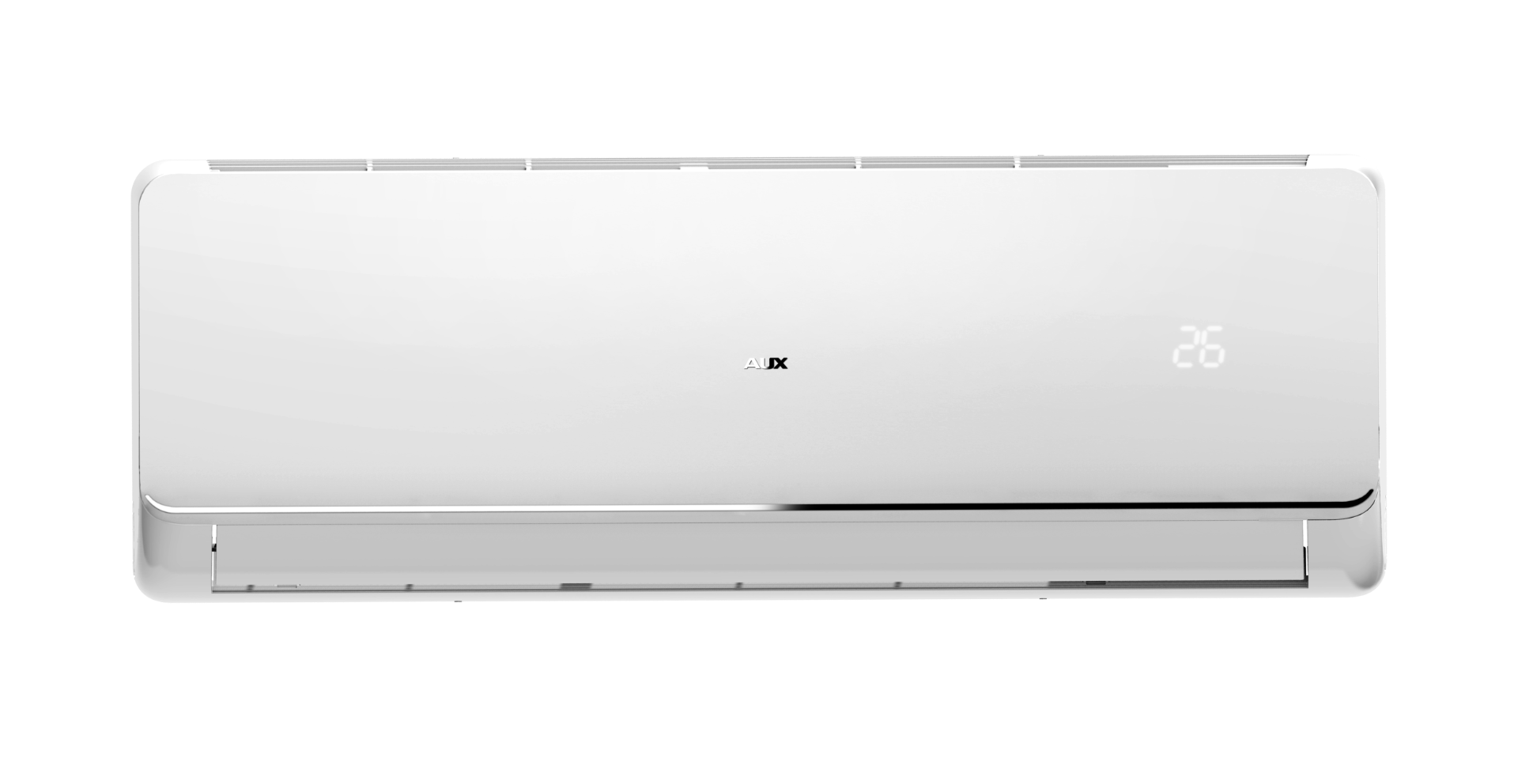
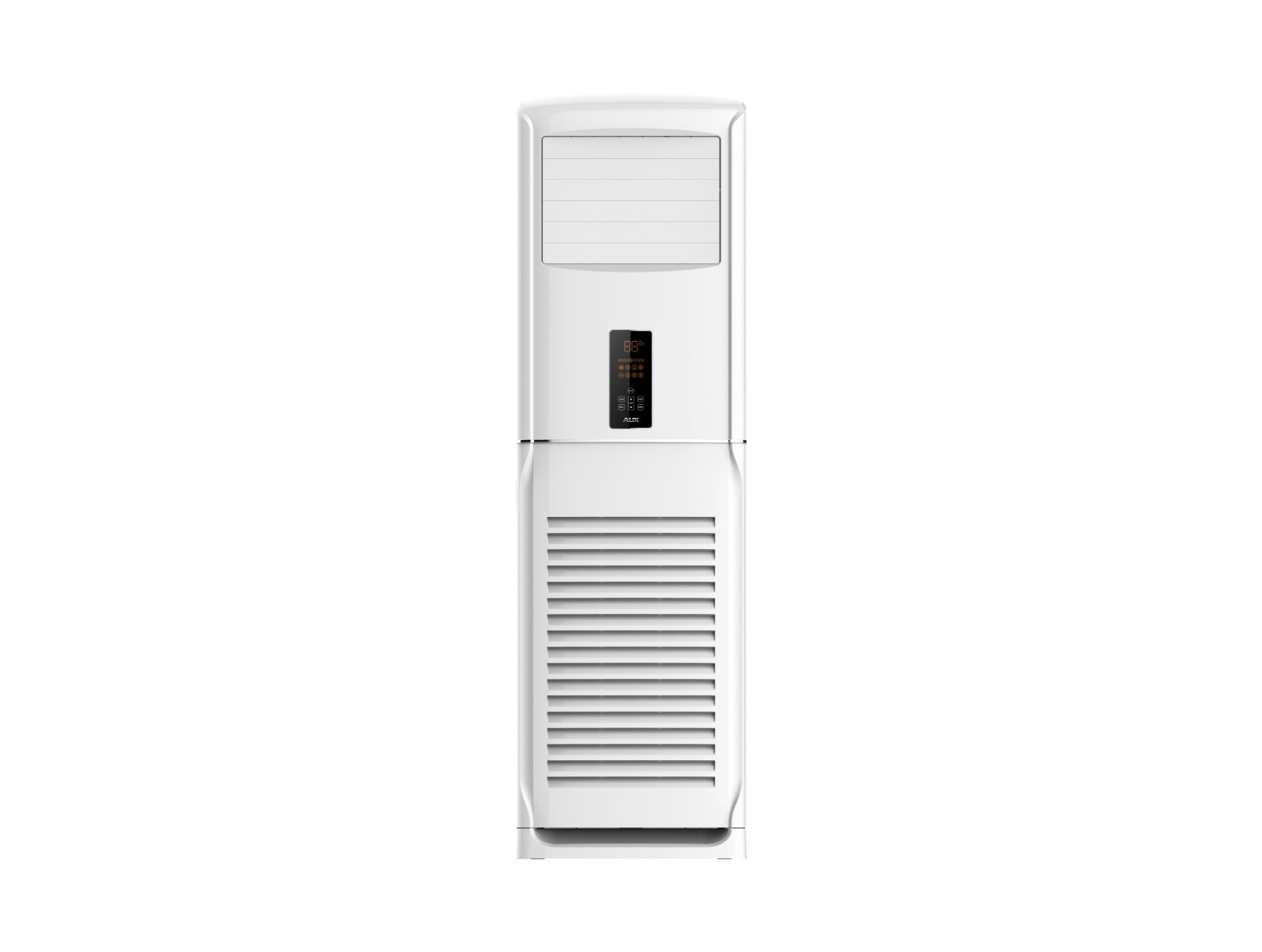
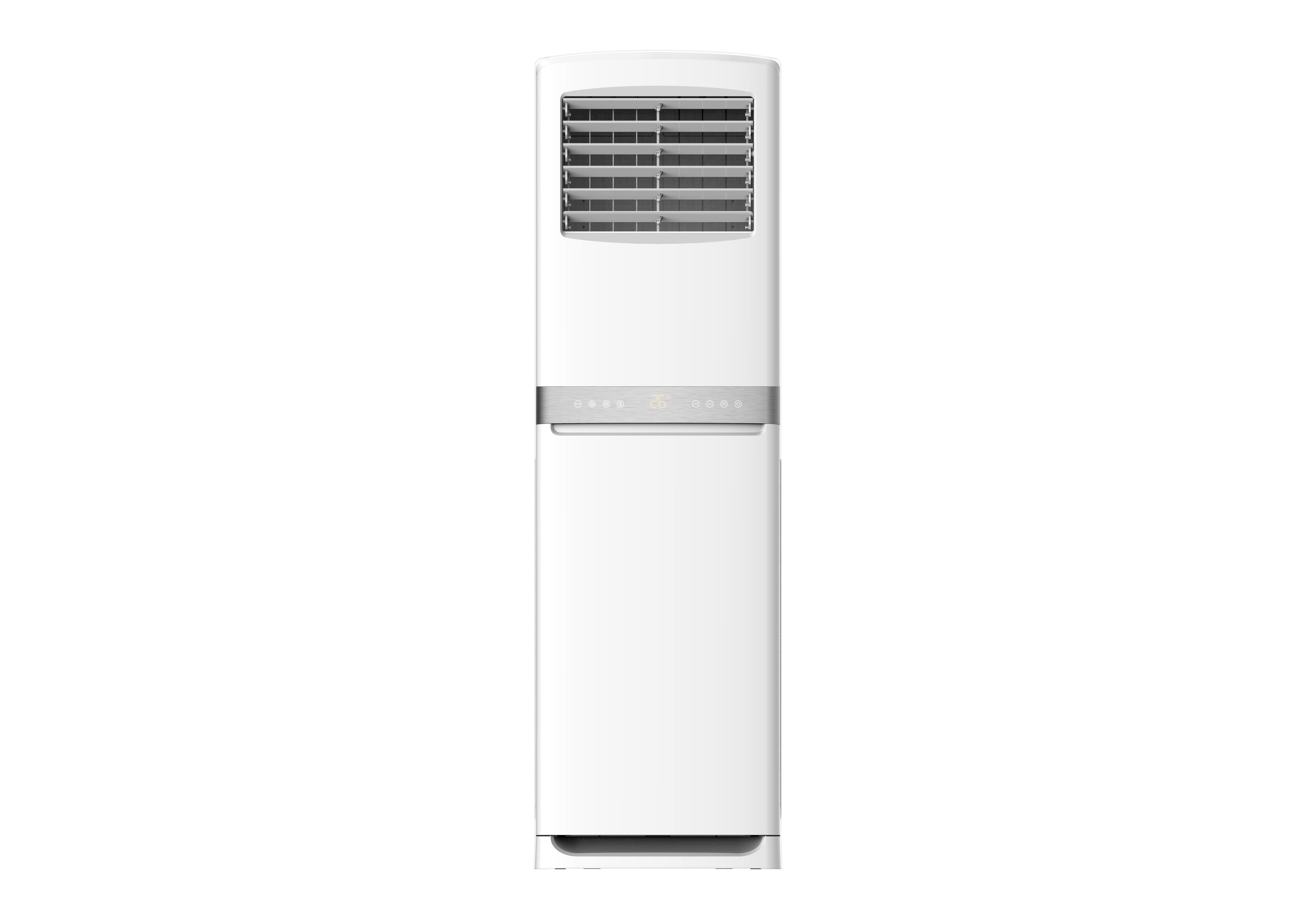
In response to these harsh climate challenges, the global cooling leader brand AUX, relying on its powerful accumulation of T3 technology, has launched multiple tropical-exclusive models. Through the table below, you can quickly pinpoint the most suitable AUX model for you based on environmental needs:
| Recommended Model | Tropical Environment Advantages | Applicable Scenarios | Protection Capability |
|---|---|---|---|
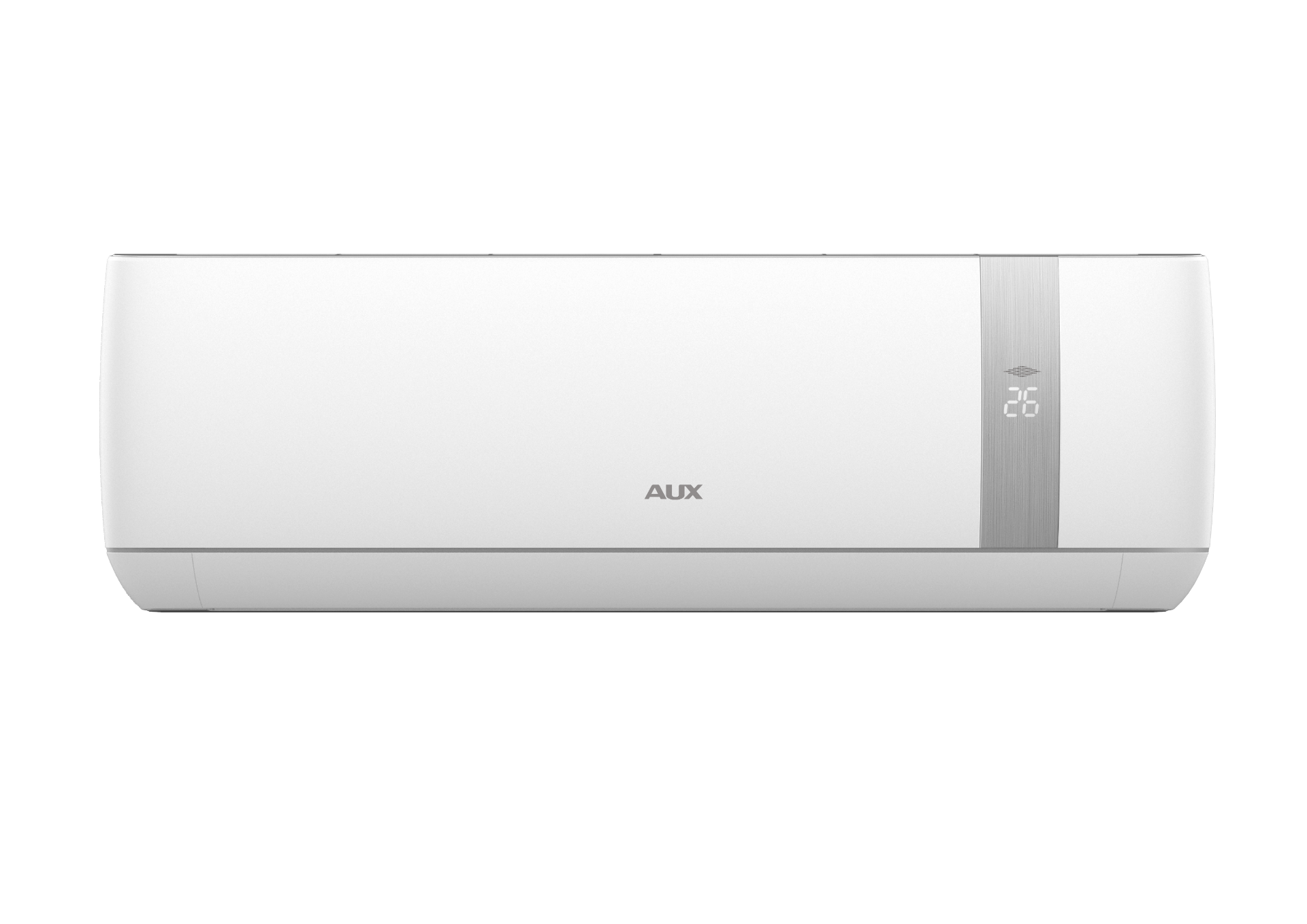
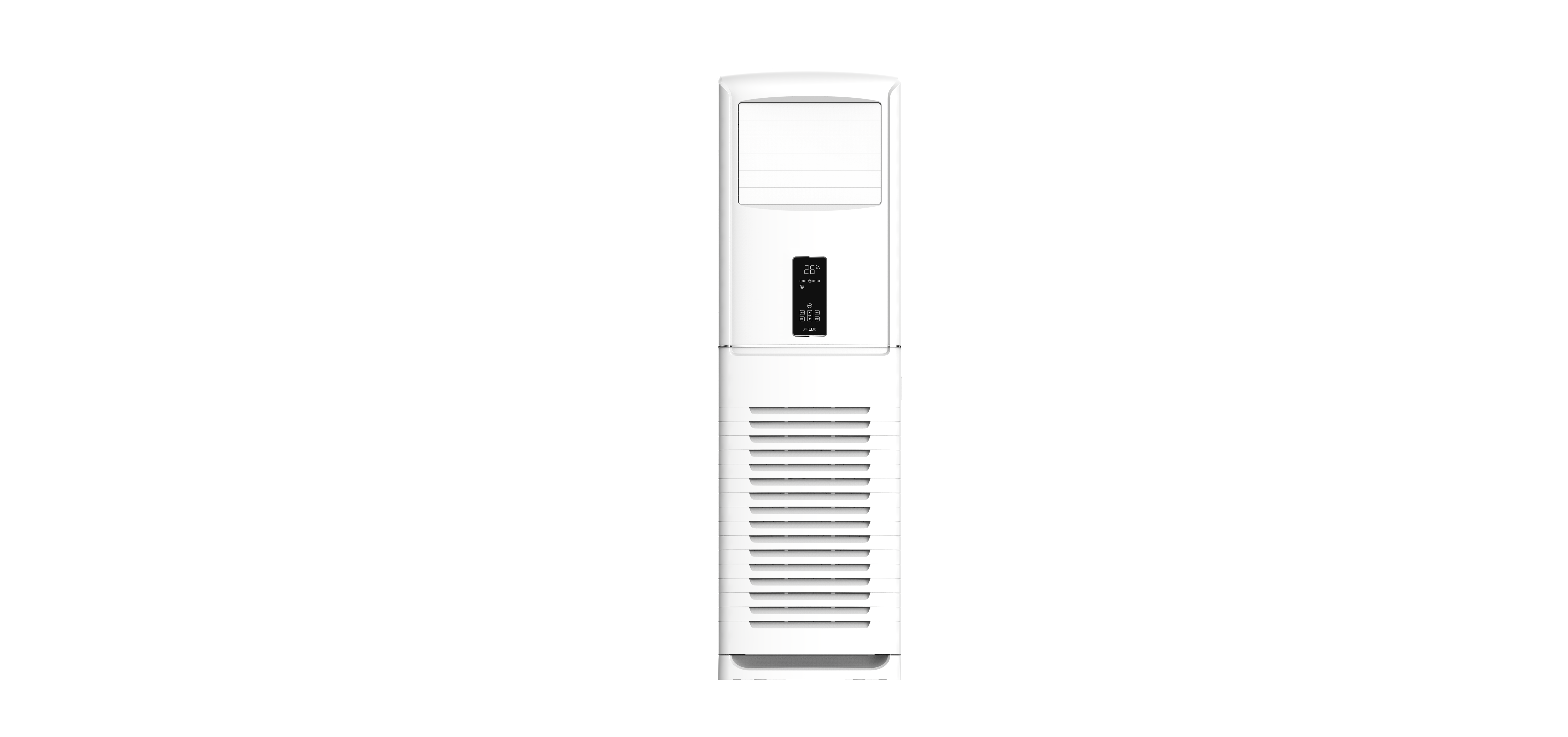
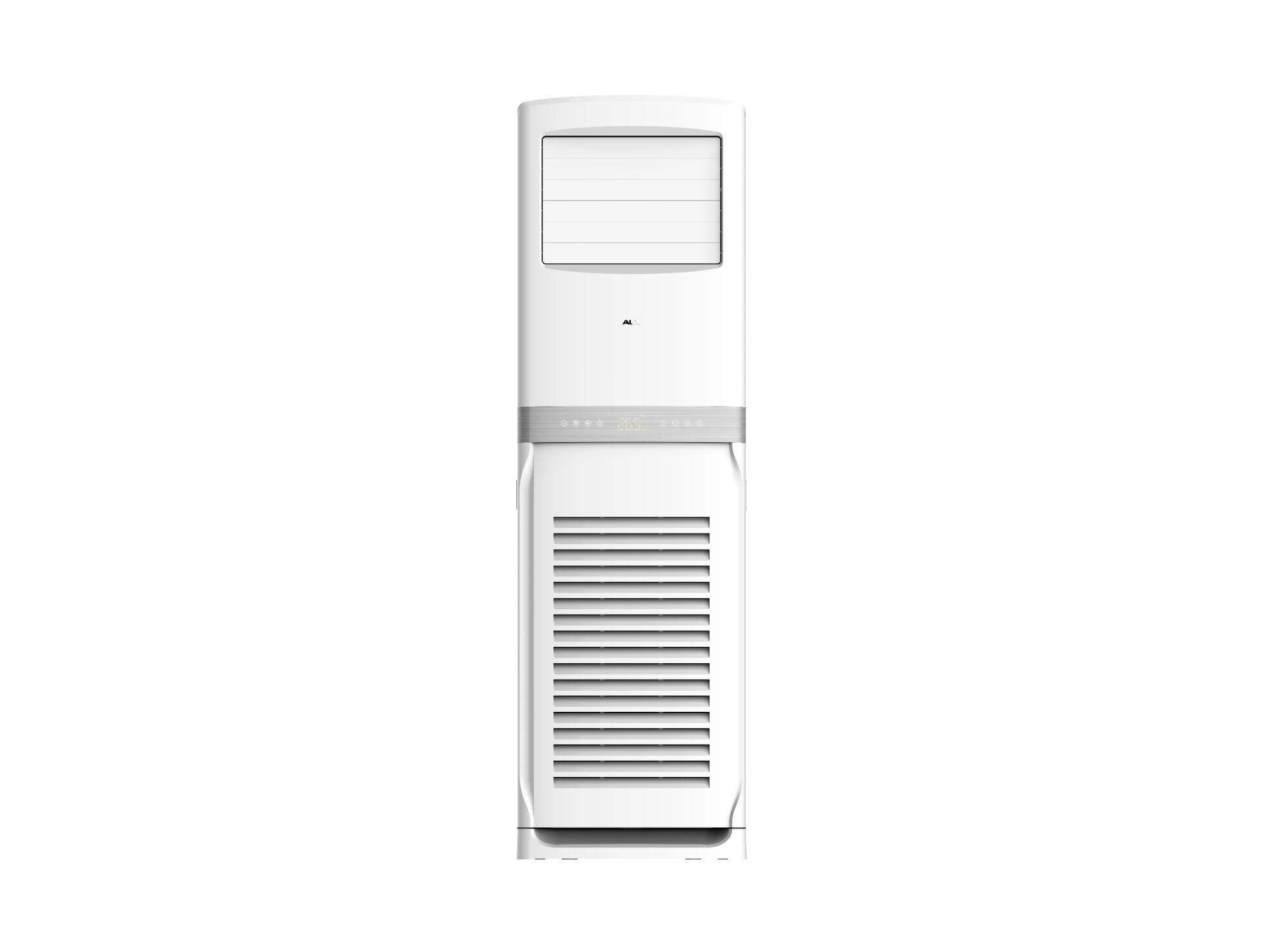
| AUX CA Series (T3) | T3 high-temperature stable cooling, suitable for extreme tropical and high-temperature environments | Desert regions, coastal high-temperature areas, top-floor residences, shops | Golden Fin anti-corrosion fins |
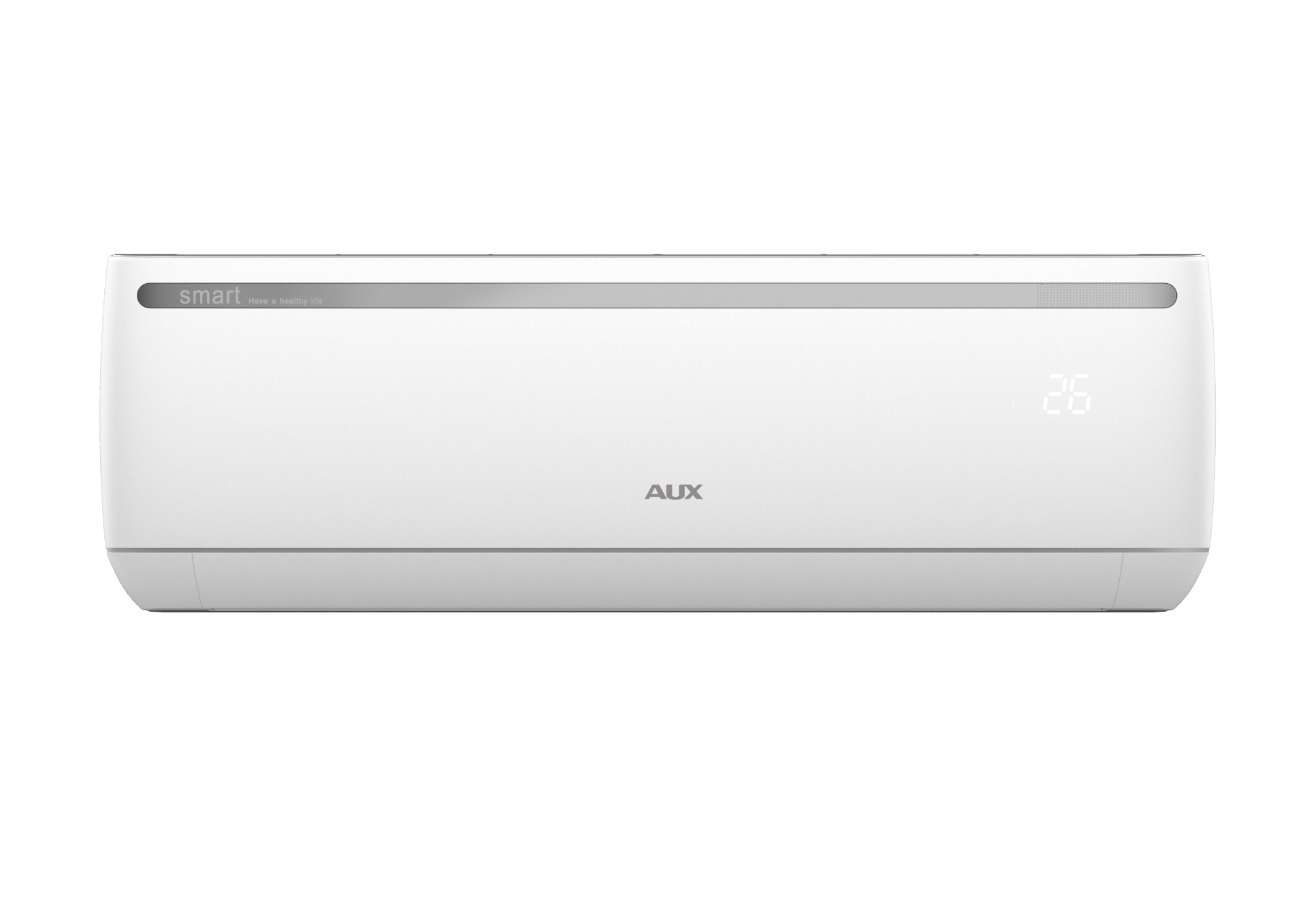
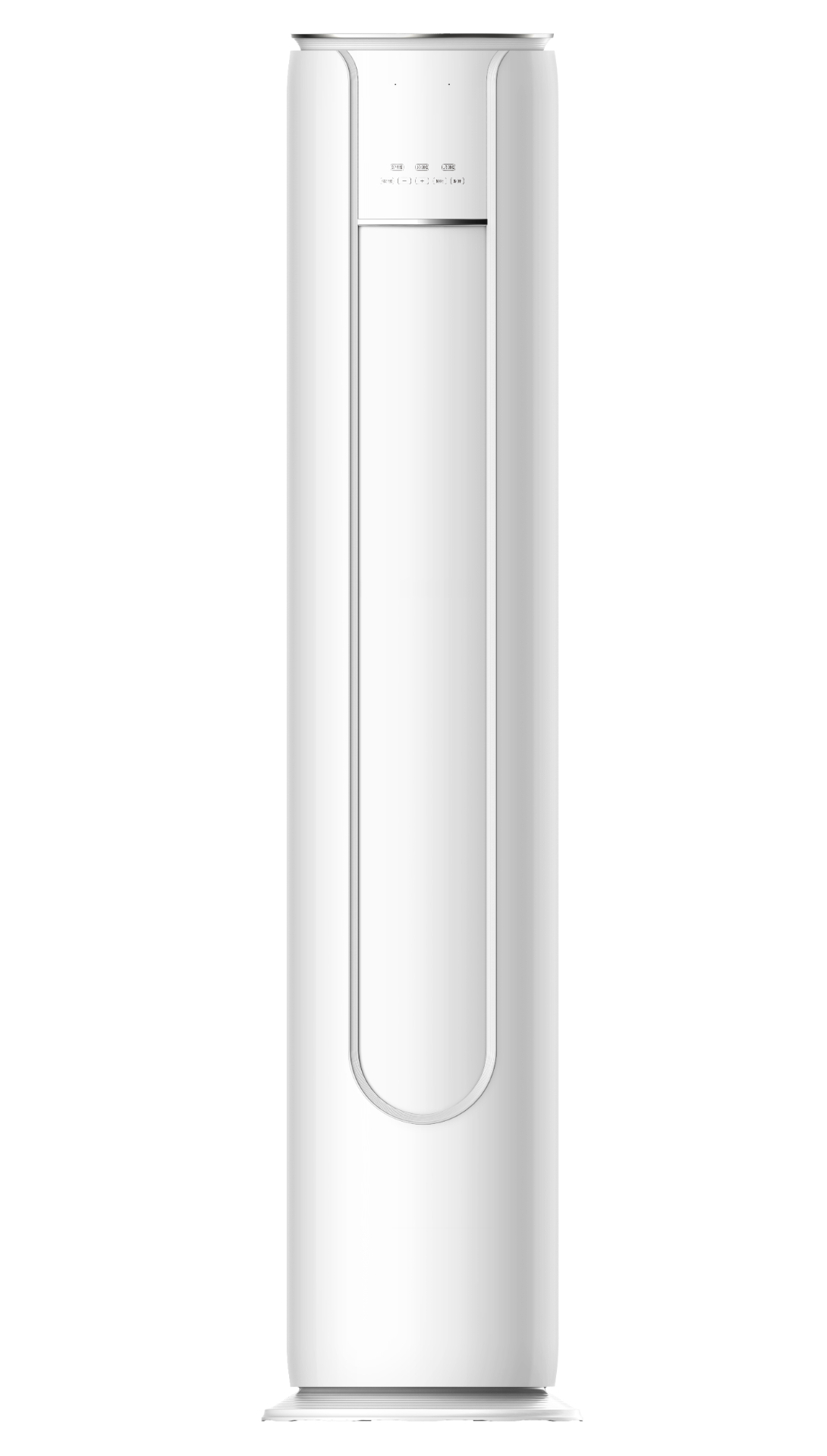
| AUX J-Smart | Smart air management and UV health purification, balancing comfortable experience in high-humidity environments | Modern families, apartment residences, comfort-oriented tropical households | Gold-Plated Fins anti-corrosion fins + anti-corrosion outdoor unit design |
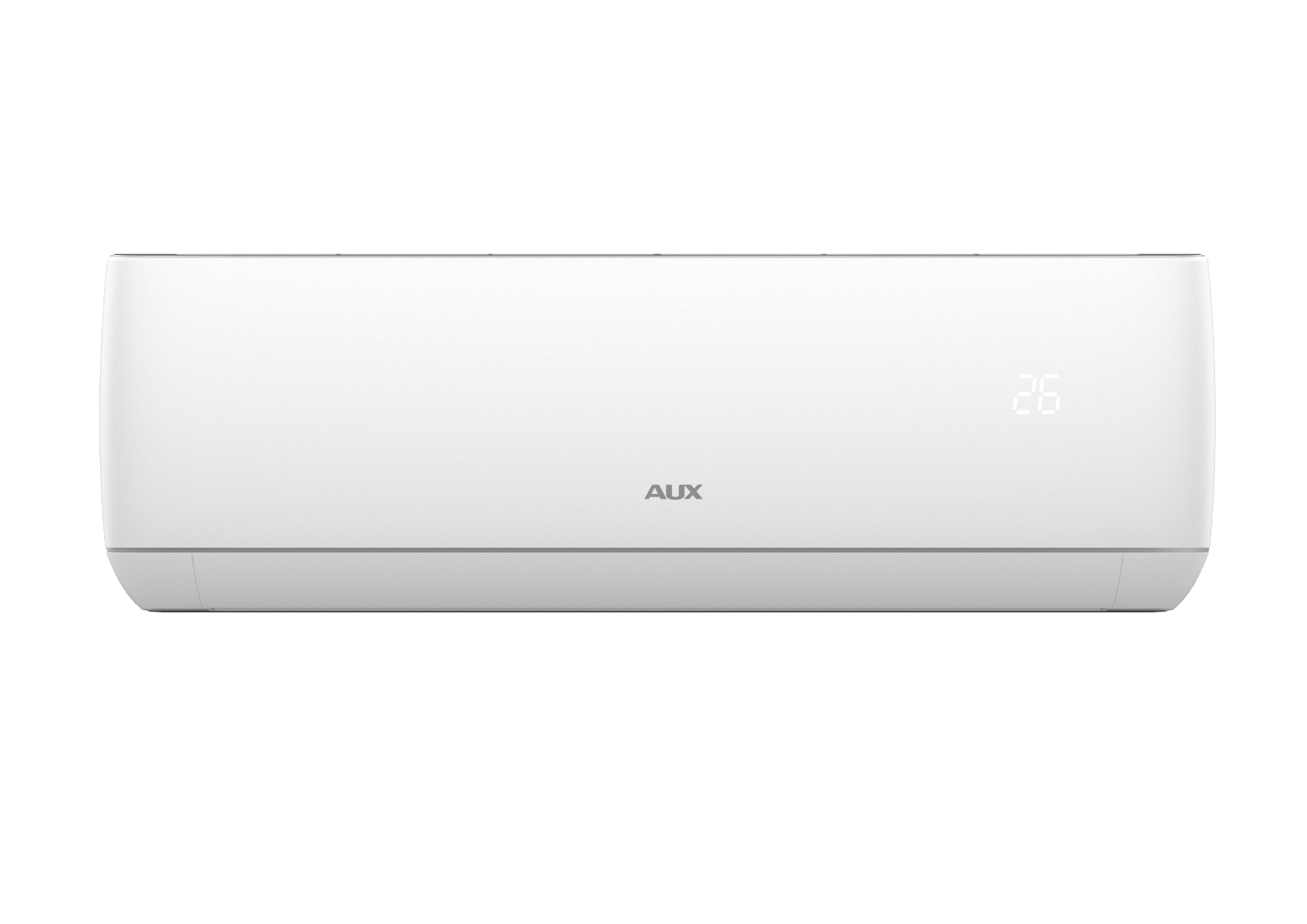
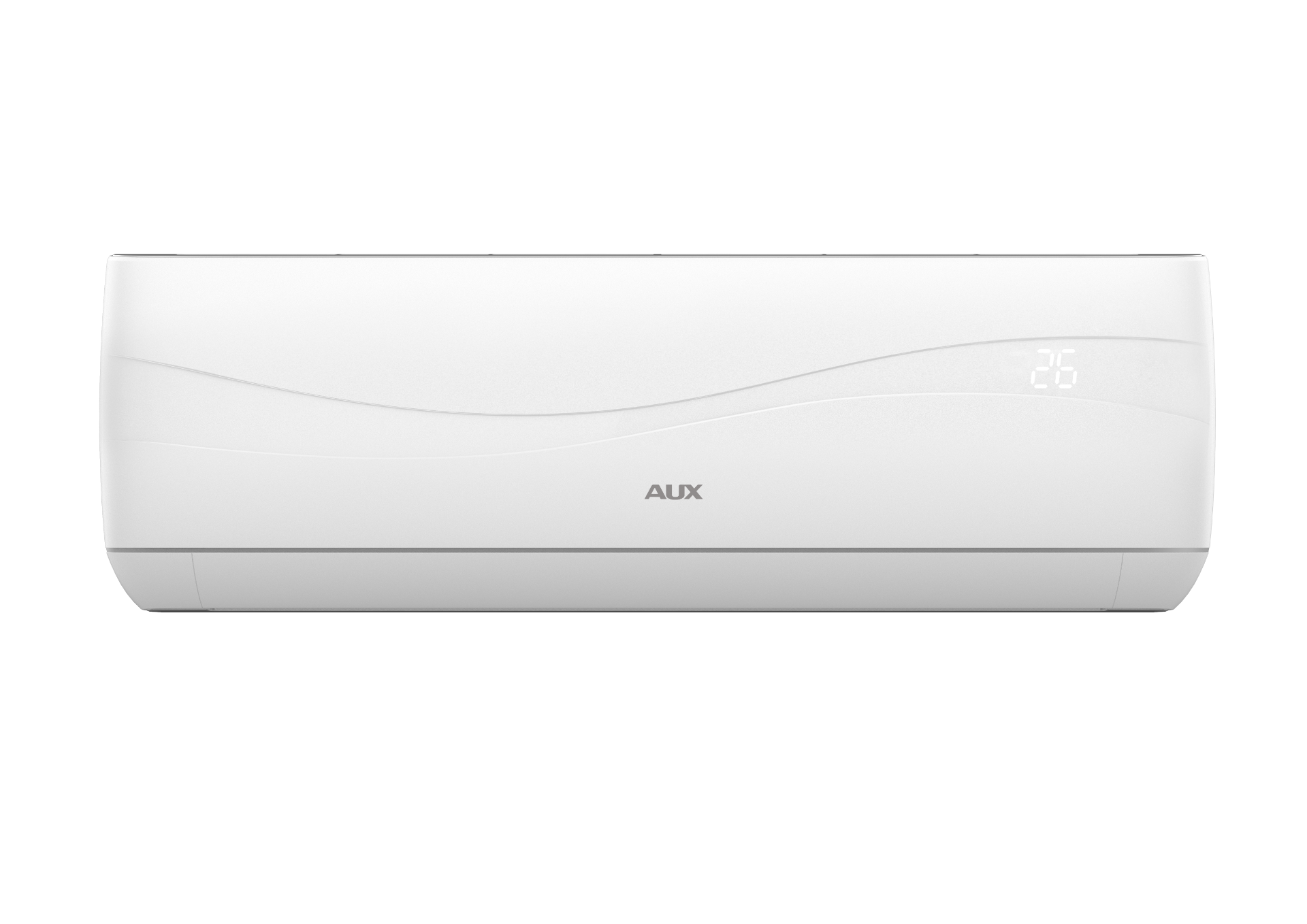
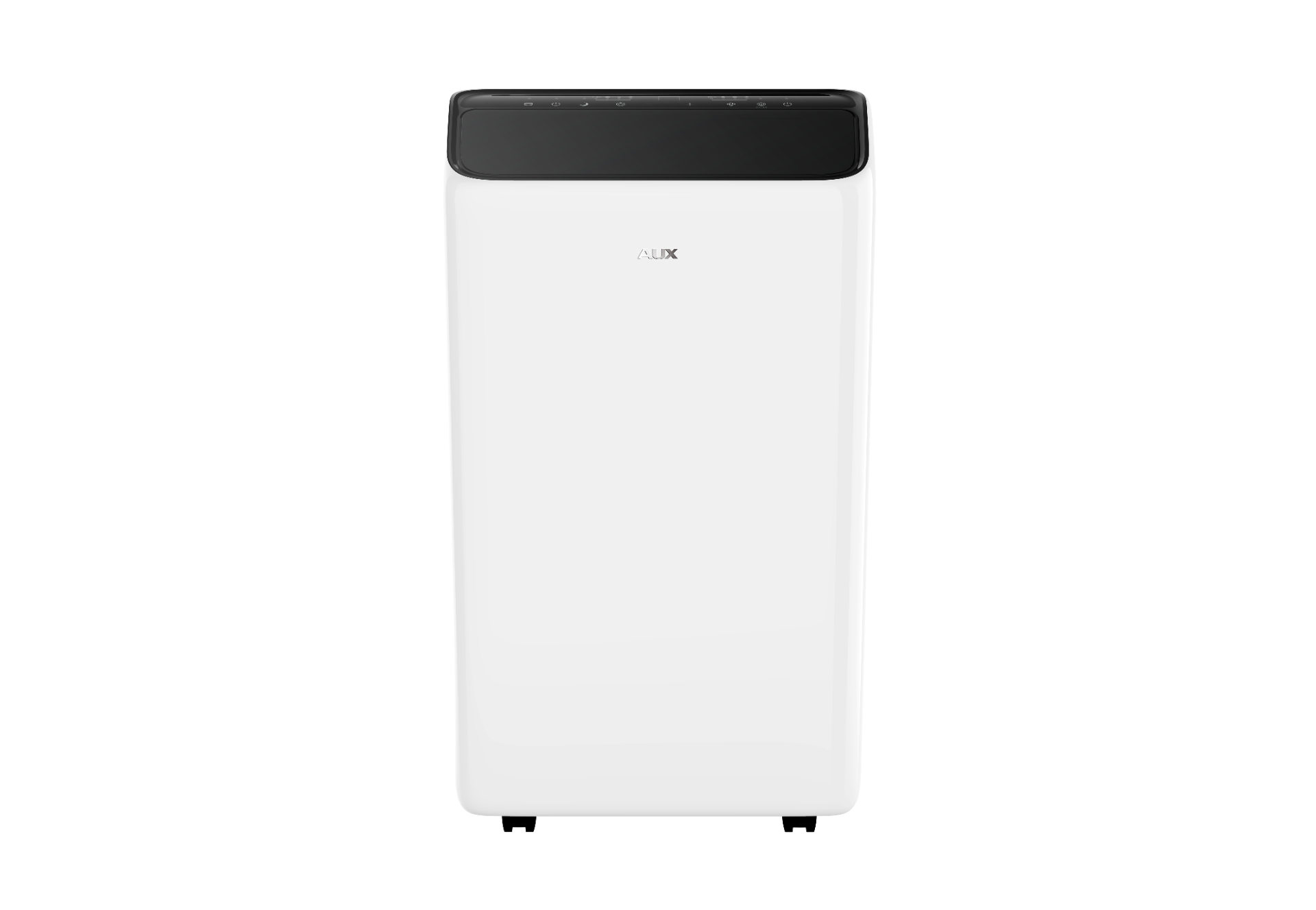
| AUX Q Series | Rapid cooling, balancing energy saving and high cost-performance, suitable for daily tropical climates | Ordinary tropical residences, rental houses, daily household use | Golden Fin anti-corrosion fins + anti-rust outdoor unit design |
FAQs About Tropical Air Conditioning
Tropical-rated AC is a cooling system specifically designed for extreme high temperatures in tropical and desert regions. It features larger-specification condensers, more powerful compressors, and faster heat dissipation fans, ensuring it does not overload or crash under the blazing outdoor sun.
It can be used, but it is highly prone to crashing. The heat resistance limit of ordinary air conditioners (T1 working conditions) is usually around 43°C. Exceeding this temperature, the cooling capacity of the machine will drop off a cliff, and it may even frequently trigger overheating protection, leading to power outages and tripping. Long-term overloaded operation will also shorten the lifespan of the air conditioner by 2-3 years.
Yes, Inverter AC is a powerful tool for long-term power saving in the tropics. Fixed-speed air conditioners will frequently start and stop at maximum power under high temperatures, which is extremely power-consuming. On the other hand, inverter air conditioners can dynamically adjust the compressor speed, maintaining a constant temperature with extremely low power consumption after cooling down rapidly.