







Global - English


In recent years, as electricity bills continue to rise, more and more households are focusing on energy consumption when shopping for air conditioners. A common question arises: is an inverter air conditioner actually more energy-efficient than traditional models? Is the higher purchase price worth it? In fact, inverter technology is widely used in various energy saving air conditioner units, yet many consumers remain unclear about its actual energy-saving performance in daily use. This article will compare operating principles, energy efficiency, and the real-world impact on electricity costs to help you determine if an inverter air conditioner is the smarter choice.
What is an Inverter Air Conditioner?
An inverter air conditioner is a type of air conditioning system that controls cooling capacity by regulating the operating speed of its compressor. Unlike traditional air conditioners, which can only run at a fixed power level, an inverter AC can dynamically adjust its power output based on the actual cooling demand of the room. This allows it to maintain a comfortable temperature while reducing unnecessary energy consumption. Because of this operating method, many consumers prioritize inverter technology when selecting an energy saving air conditioner.
What is Inverter Technology?
When researching air conditioners, many people ask: what is the inverter? Simply put, an inverter refers to an electronic technology capable of controlling the rotational speed of the compressor motor.
In traditional air conditioners, the compressor typically operates at a fixed speed: it stops working once the room reaches the set temperature and restarts when the temperature rises again. This frequent starting and stopping not only creates significant power surges but also increases overall energy consumption.
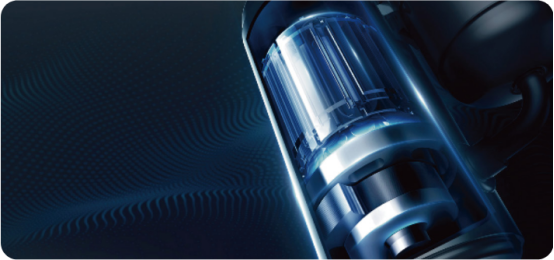
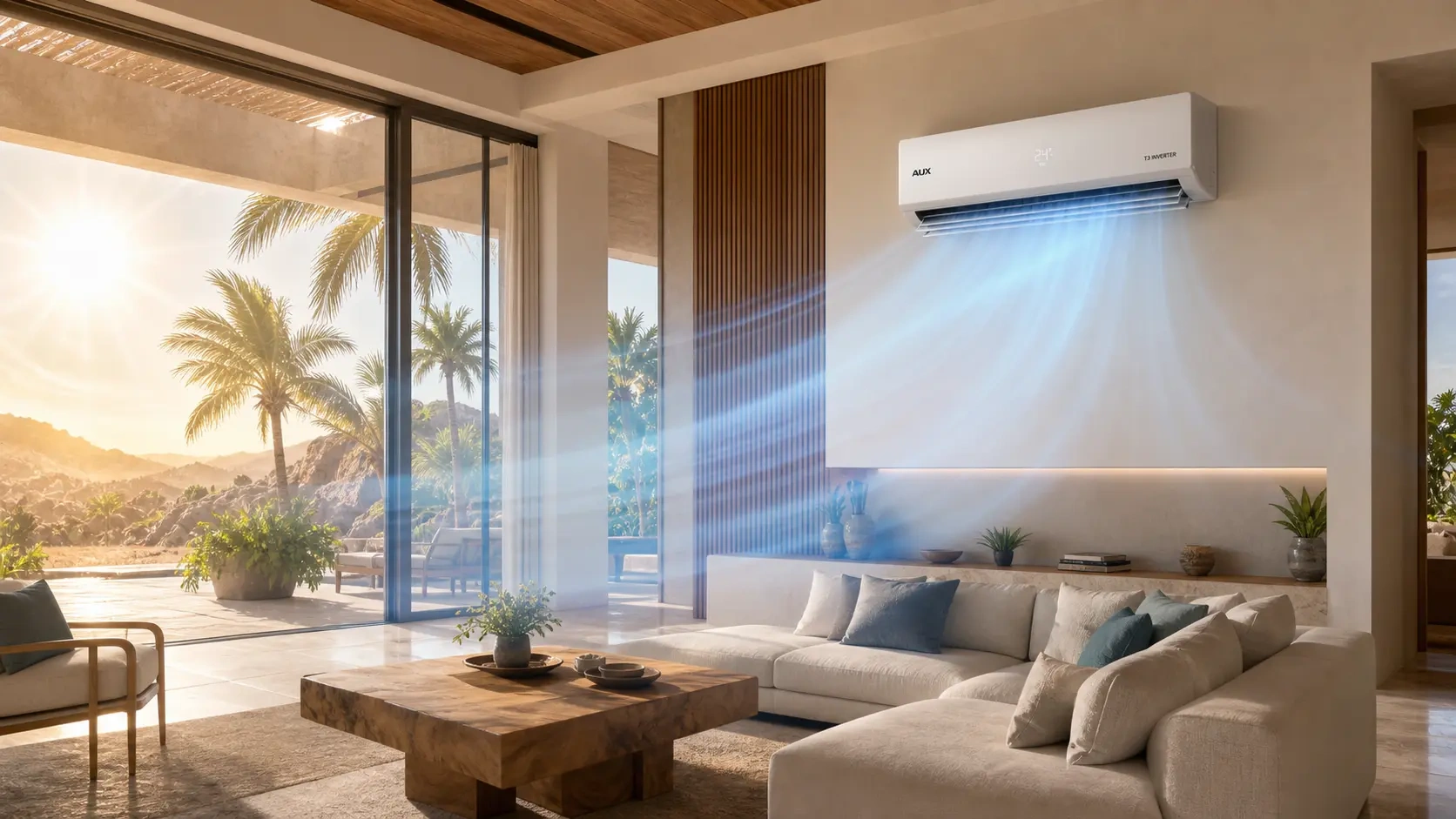
In an air conditioners inverter system, the compressor can change its speed according to the actual load. The system monitors the indoor temperature in real-time and automatically adjusts power output, ensuring the unit always operates in its most optimal state. This variable-speed operation is one of the core reasons why inverter air conditioners are so energy-efficient.
How an Inverter Air Conditioner Operates
In practice, an inverter air conditioner works quite differently from traditional models. When the unit is first turned on, the compressor runs at a high speed to quickly drop the indoor temperature to the set point.
Once the target temperature is reached, the system does not shut down completely. Instead, it slows down the compressor speed, continuing to run at a lower power level to maintain a stable room temperature. This approach allows the air conditioner to avoid the power surges caused by frequent starts and stops while minimizing energy waste.
It is precisely because of this continuous and smooth operating mode that many energy saving air conditioner products utilize inverter technology. Not only does it enhance energy efficiency performance, but it also provides a more stable and comfortable indoor environment.
What is a Non-Inverter (Fixed-Speed) Air Conditioner?
A non-inverter air conditioner refers to an air conditioning system that uses a fixed-speed compressor. Unlike an inverter air conditioner, which can adjust its power based on cooling demand, the compressor in a non-inverter unit can only run at a constant speed—it is either working at full capacity or stopped entirely.
When discussing non-inverter vs inverter AC, the operating method of the compressor is the most fundamental difference between the two. This distinction affects not only energy consumption but also indoor temperature stability and the overall user experience.
How a Non-Inverter Compressor Works
In a non-inverter air conditioner, the compressor runs at full speed to provide cooling as soon as it starts. Once the indoor temperature reaches the set point, the compressor shuts off completely.
As time passes and the indoor temperature rises back up to a certain threshold, the system restarts the compressor, running it at full load once again to cool the space. This "start-stop-restart" cycle repeats continuously throughout the unit's operation, meaning the cooling process of a non-inverter unit typically occurs in noticeable stages.
Why Frequent Starts and Stops Consume More Electricity
A major reason for the higher power consumption of non-inverter air conditioners is the high startup current. Every time the compressor restarts, it requires a significant burst of instantaneous current to drive the motor. If this startup process happens frequently, it increases overall electricity usage.
Furthermore, repeated cycling leads to significant fluctuations in indoor temperature: the temperature drops rapidly when the compressor starts and rises gradually after it stops. These temperature swings not only affect comfort but also prevent the system from maintaining a stable, high-efficiency operating state.
Consequently, in the non-inverter vs inverter AC comparison, non-inverter models generally underperform in terms of both energy efficiency and temperature consistency.
Inverter AC vs Non-Inverter: Energy Consumption Comparison
When choosing an air conditioner, one of the primary concerns for most people is power consumption. One of the core differences in the Inverter AC vs Non-Inverter debate is reflected in their energy performance. Because the two types of air conditioners operate their compressors differently, there are significant variations in their actual electricity usage.
Power Consumption During Continuous Operation
Under continuous operation, an inverter air conditioner typically demonstrates higher energy efficiency. The compressor in an inverter AC can dynamically adjust its speed based on indoor temperature and cooling demand, running at lower power during partial load conditions to reduce unnecessary energy consumption.
In contrast, a non-inverter unit can only run at a fixed speed. When the system starts, the compressor always works at full capacity; even as the room approaches the set temperature, it cannot reduce its power output. This operating style easily leads to energy waste and is a major reason for the higher energy consumption of non-inverter models.
Therefore, during extended periods of operation, an energy saving air conditioner utilizing inverter technology often shows a superior efficiency advantage.
Actual Impact on Electricity Bills
From a cost perspective, the advantage of an inverter air conditioner lies in its smoother power consumption curve. Since the compressor can run continuously at low power rather than frequently starting and stopping, the system's overall electricity usage remains more consistent.
In typical household scenarios, this means the inverter AC electricity bill is usually lower than that of a non-inverter unit, especially when the air conditioner needs to run for long periods. For instance, in a home requiring constant cooling during the summer, an inverter AC can maintain the temperature by lowering its operating power, thereby reducing electricity expenses.
While the initial purchase cost of an inverter air conditioner is generally higher, the lower electricity bills during long-term use can often gradually offset the initial equipment investment.
When is the Energy-Saving Effect Most Noticeable?
The energy-saving benefits of an inverter air conditioner are not equally obvious in every scenario. Typically, the efficiency advantage is most prominent under the following conditions:
- Long Daily Usage: For example, when using the AC for more than 6 hours a day; the longer the system runs continuously, the more pronounced the energy savings from inverter technology become.
- Hot Climates: In high-temperature environments where the AC must maintain cooling for long periods, an inverter model can reduce energy consumption by modulating its power.
- Tropical Regions: In tropical climates with high temperatures year-round, AC usage frequency is typically higher. Therefore, choosing an energy saving air conditioner (such as an inverter AC) is often more effective in lowering long-term electricity costs.
Inverter Air Conditioner Advantages
As the demand for energy efficiency grows, more and more households are focusing on inverter AC advantages. Compared to traditional fixed-speed models, inverter air conditioners offer significant benefits in terms of energy consumption, comfort, and operational stability. Consequently, they have become the mainstream technology for many energy saving air conditioner products.
Key advantages include:
- Lower Energy Consumption: Since the compressor can adjust its operating speed based on cooling demand, an inverter air conditioner only needs to run at low power during partial load conditions, thereby reducing overall electricity usage.
- More Stable Indoor Temperatures: Inverter ACs maintain the set temperature by continuously regulating the compressor speed. This avoids the temperature fluctuations caused by the frequent starts and stops of traditional units, making the indoor environment much more comfortable.
- Quieter Operation: During the temperature maintenance phase, the compressor typically runs at a lower speed, resulting in less noise. This makes them particularly suitable for bedrooms or spaces that require a quiet environment.
- Longer Compressor Lifespan: By reducing the mechanical stress caused by frequent starting and stopping, inverter systems can decrease compressor wear and tear, thereby extending the overall service life of the equipment.
- Smart Control Support: Many smart inverter AC models are also equipped with intelligent control technologies, such as remote control, automatic temperature adjustment, and energy management features, making air conditioner usage more convenient and efficient.
Final Verdict – Is an Inverter AC Worth It?
Overall, an inverter air conditioner generally offers distinct advantages in energy efficiency, temperature stability, and long-term operating costs. By using a variable-speed compressor, the system can adjust its power according to actual demand, thereby reducing unnecessary energy consumption—which is a key reason why many energy saving air conditioner models adopt inverter technology.
From a long-term perspective, if the air conditioner is used for many hours each day or is located in a hotter climate, an inverter model is much more likely to help lower your inverter AC electricity bill. Over time, the savings on electricity can, to a certain extent, offset the higher initial purchase price of the unit.
However, for short-term use or in very small spaces, a non-inverter unit may still be a lower-cost option. Therefore, whether to choose an inverter AC usually requires a comprehensive evaluation of factors such as usage frequency, climate conditions, and budget. Generally speaking, for most households that require frequent air conditioning, an inverter AC is often the more cost-effective choice.

FAQ
In most cases, an inverter air conditioner is more energy efficient because it can adjust compressor speed based on cooling demand, reducing unnecessary power consumption.
For households that use air conditioning frequently, an inverter AC can help reduce electricity usage and maintain a more stable indoor temperature over time.
To better understand the inverter AC advantages and the benefits of modern inverter technology, please read our detailed article on AUX inverter air conditioners.