










Global - English


What Is a Mini-Split?
A mini-split air conditioner, commonly referred to as a "ductless system," is a cooling and heating solution that targets specific rooms or "zones" without the need for massive, expensive ductwork. It is currently one of the most popular and high-efficiency HVAC options worldwide, particularly for residential homes and small commercial spaces.
Why is it called a "mini-split"?
On one hand, the term refers to its physical configuration, as the system is primarily composed of two parts:
l Outdoor Unit: This houses the compressor, condenser, and fan, and is responsible for efficiently dissipating or absorbing heat.
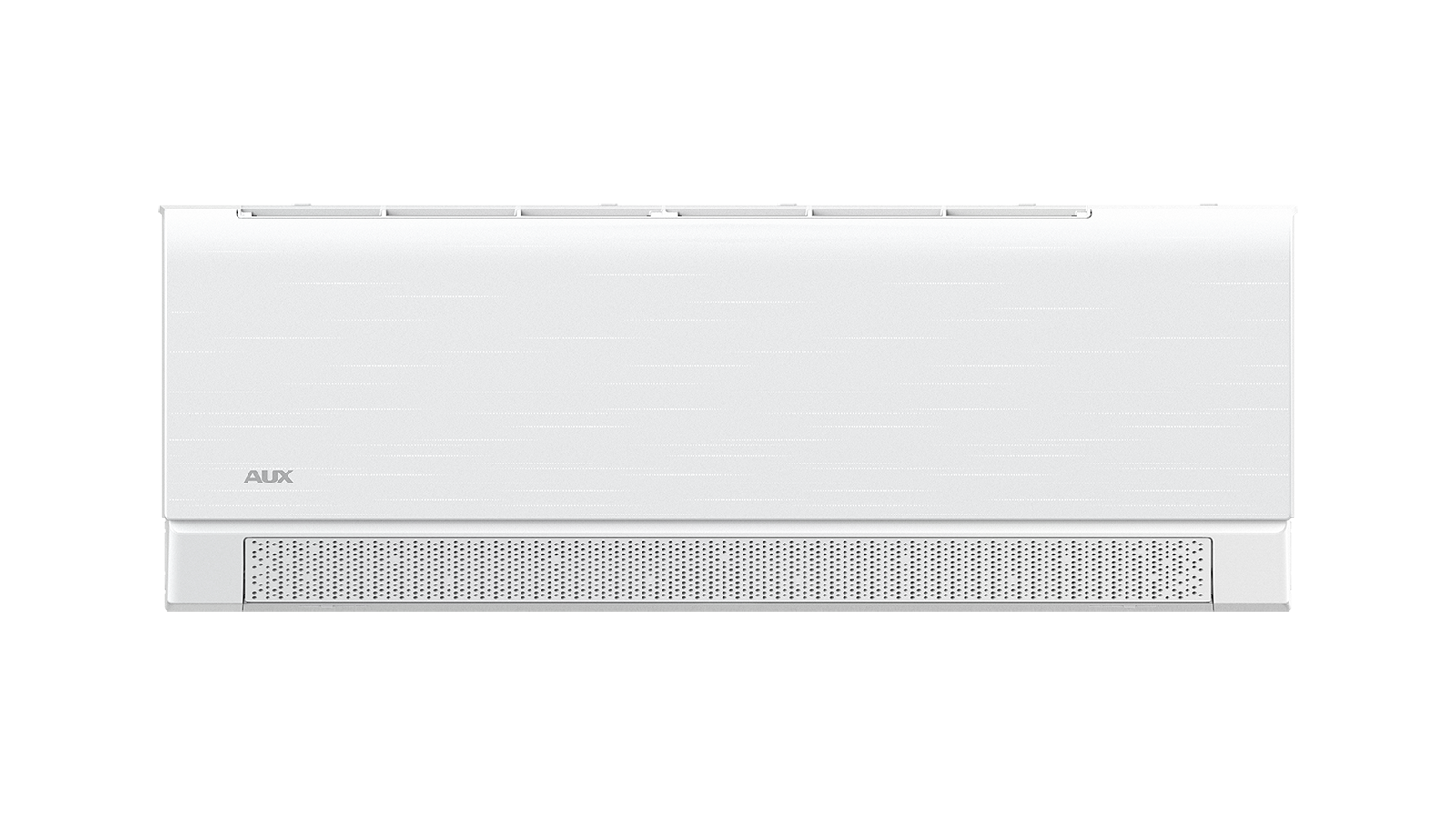
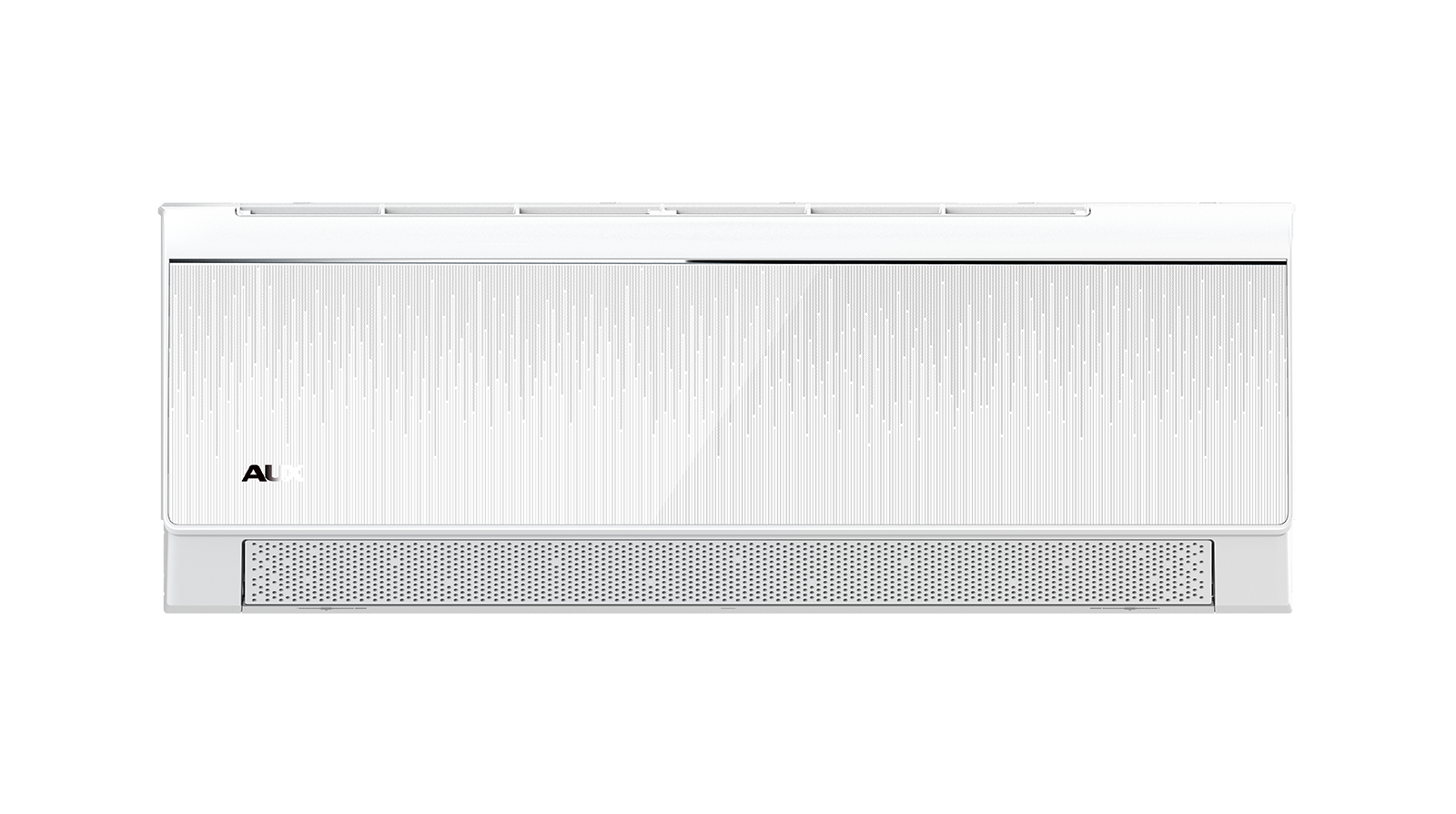

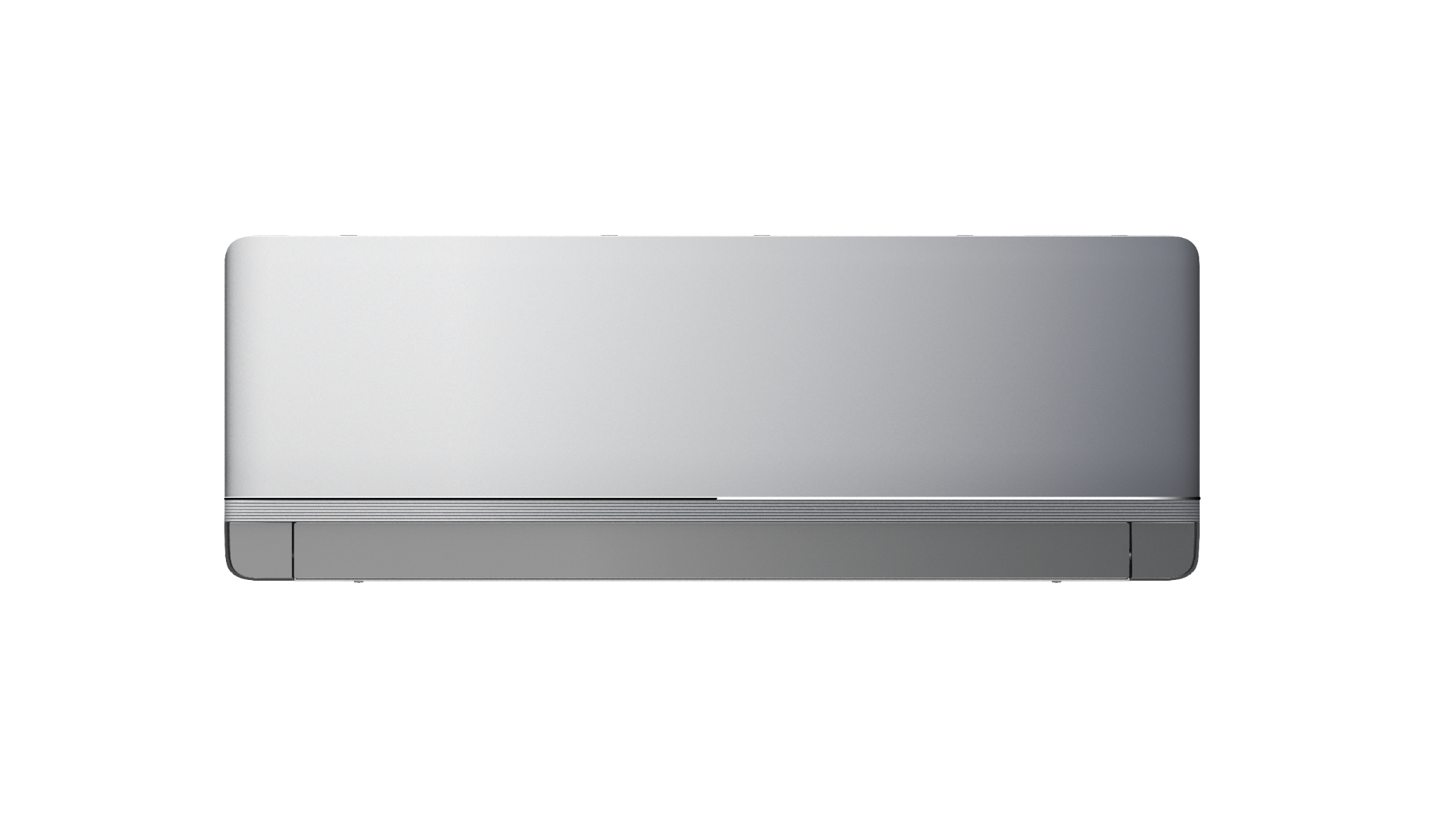

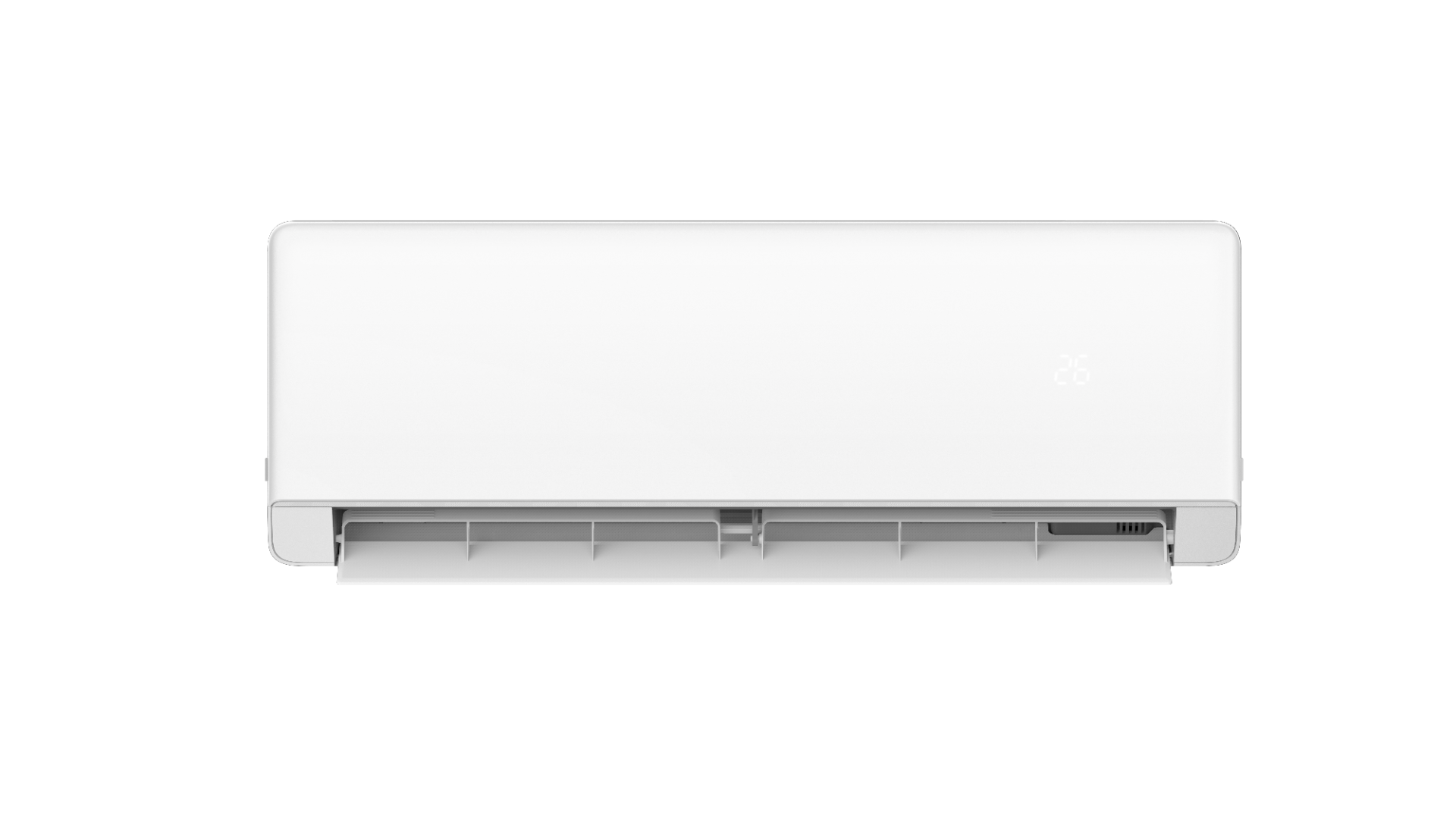
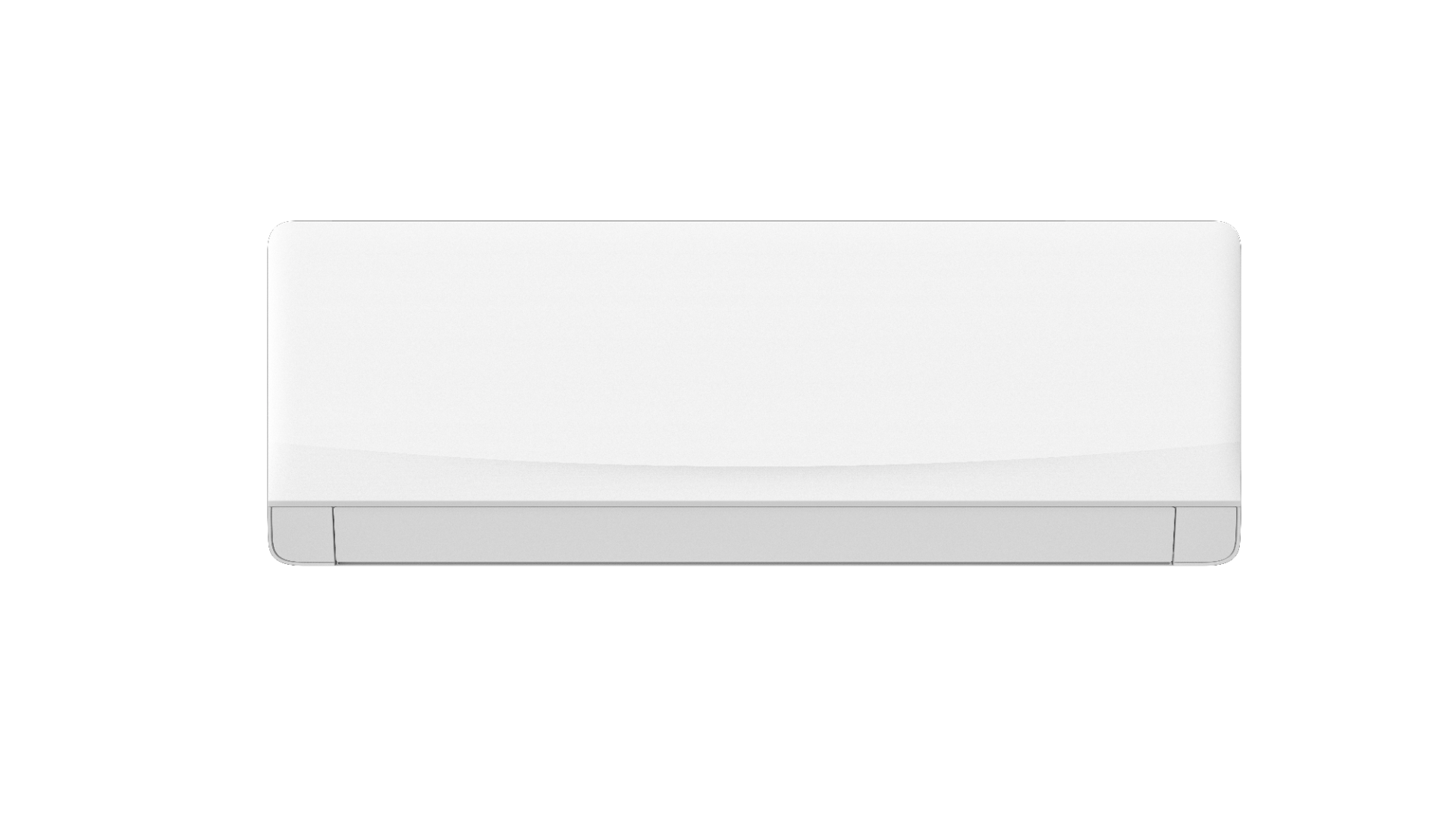
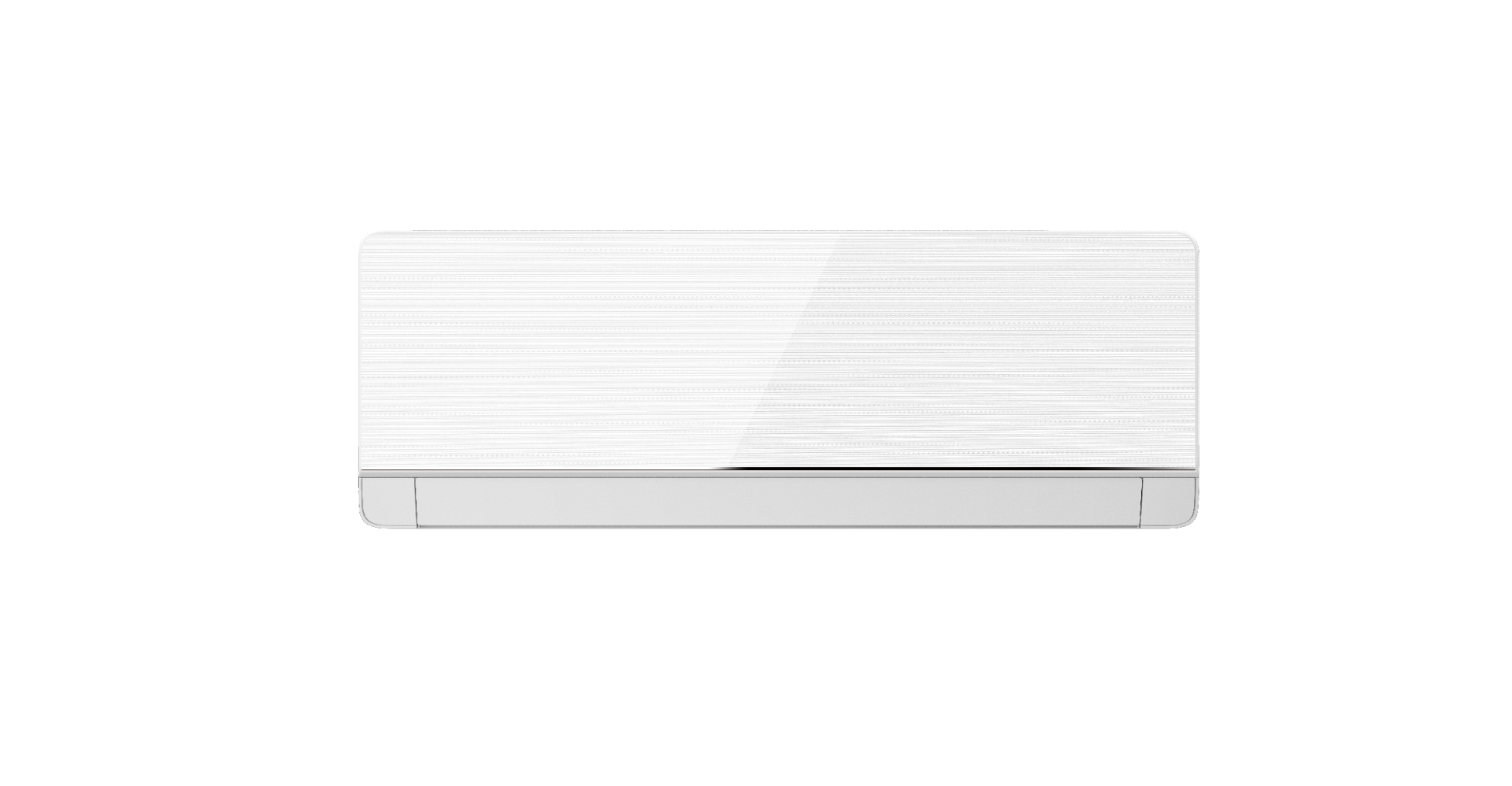
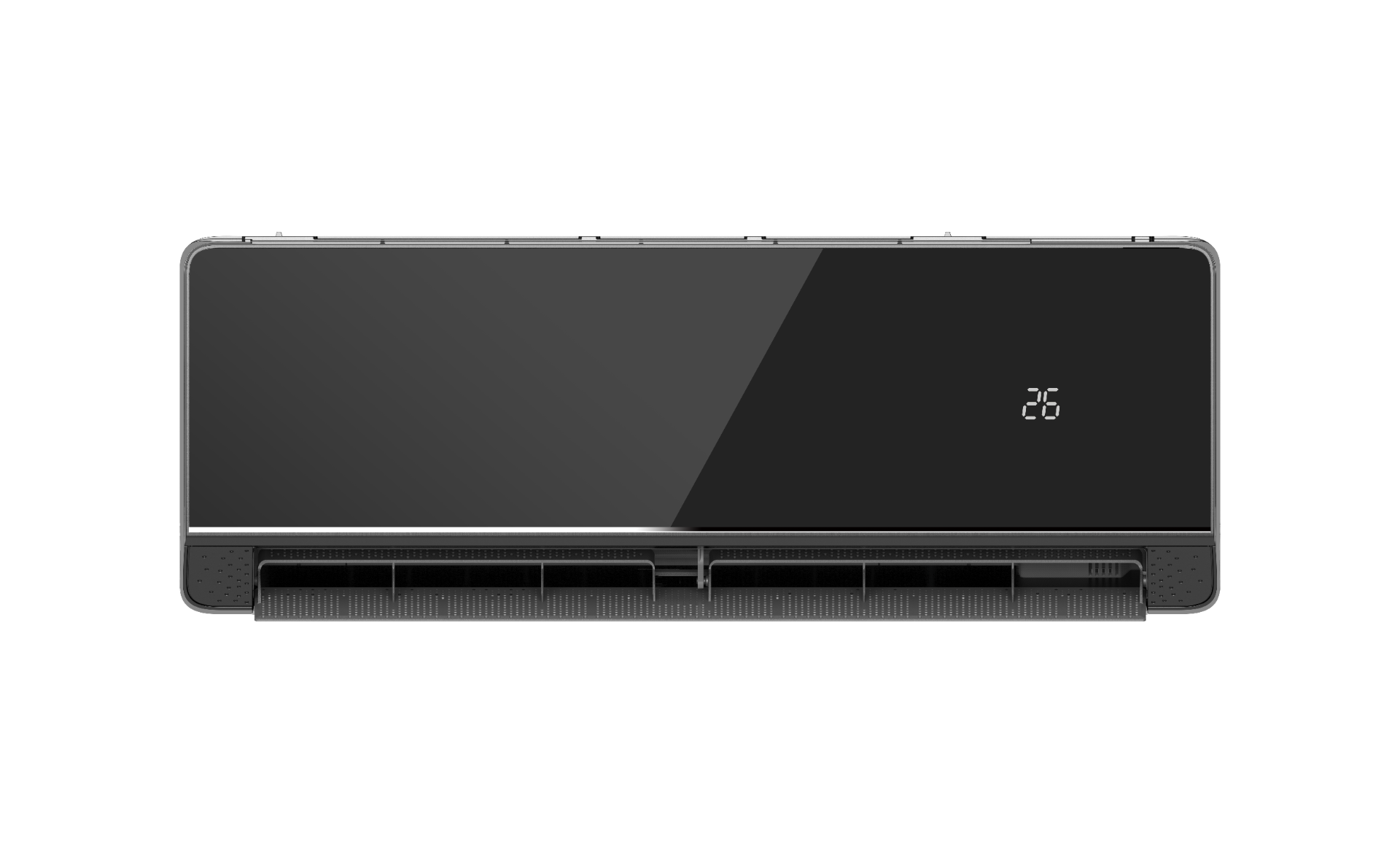
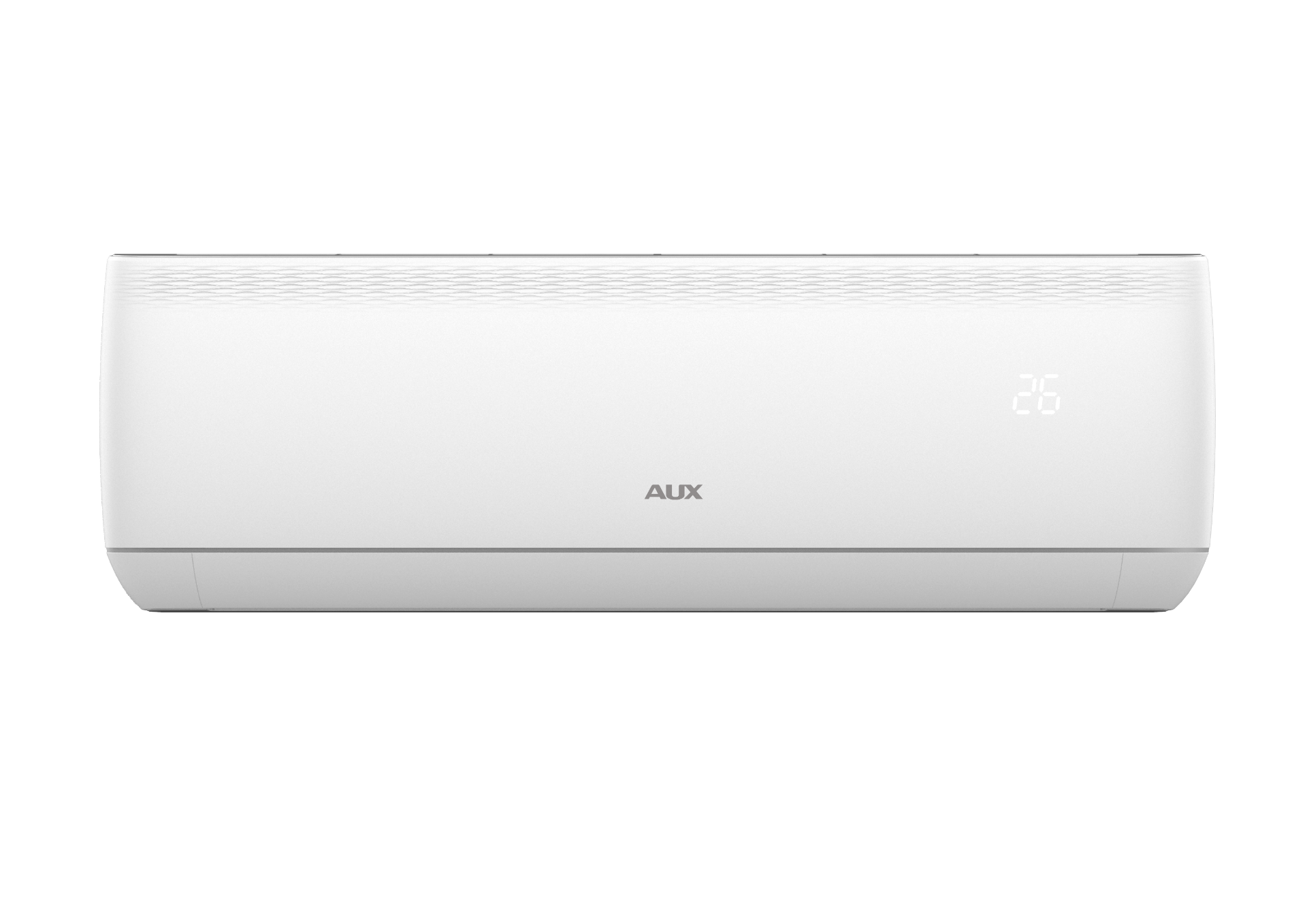
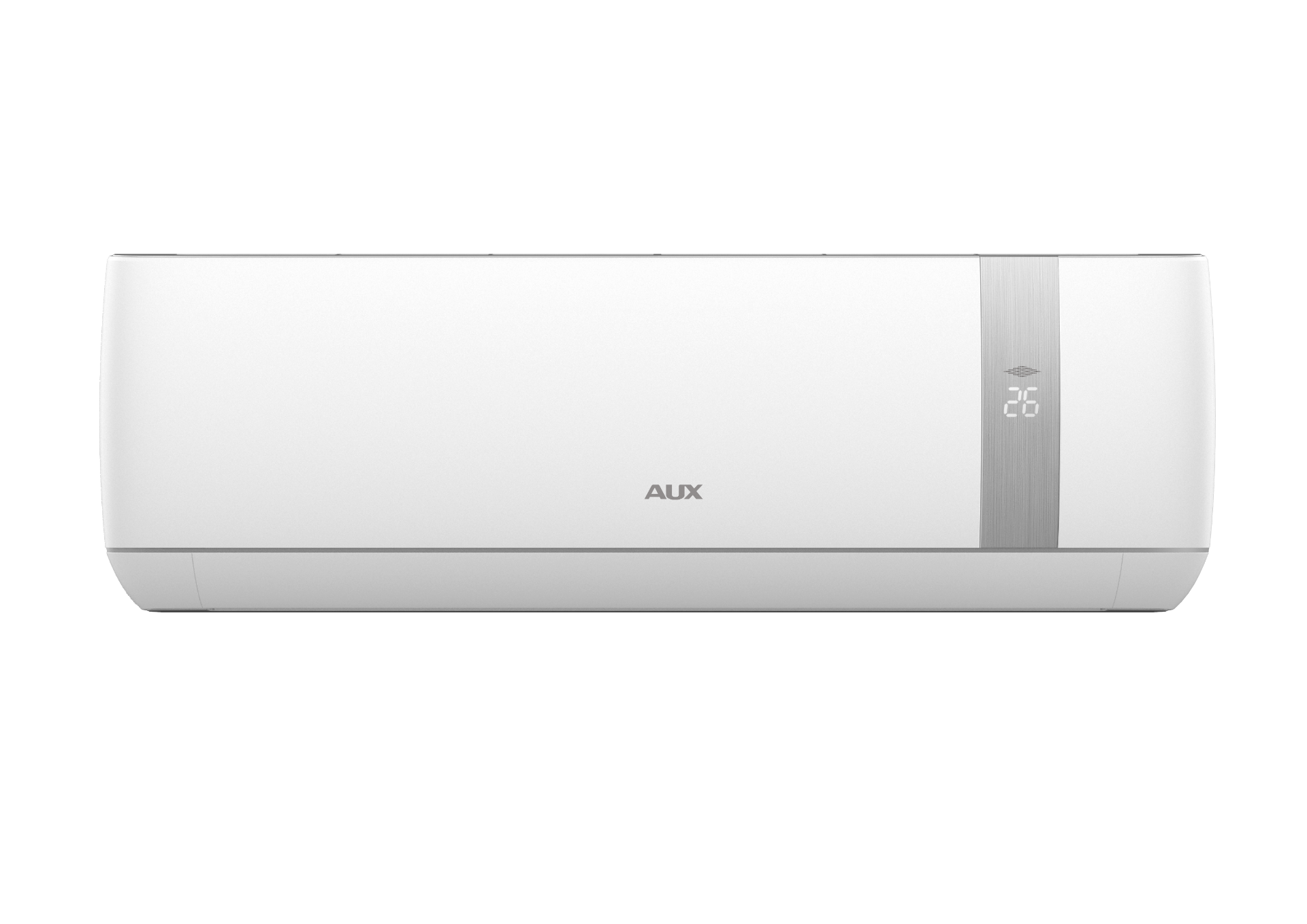
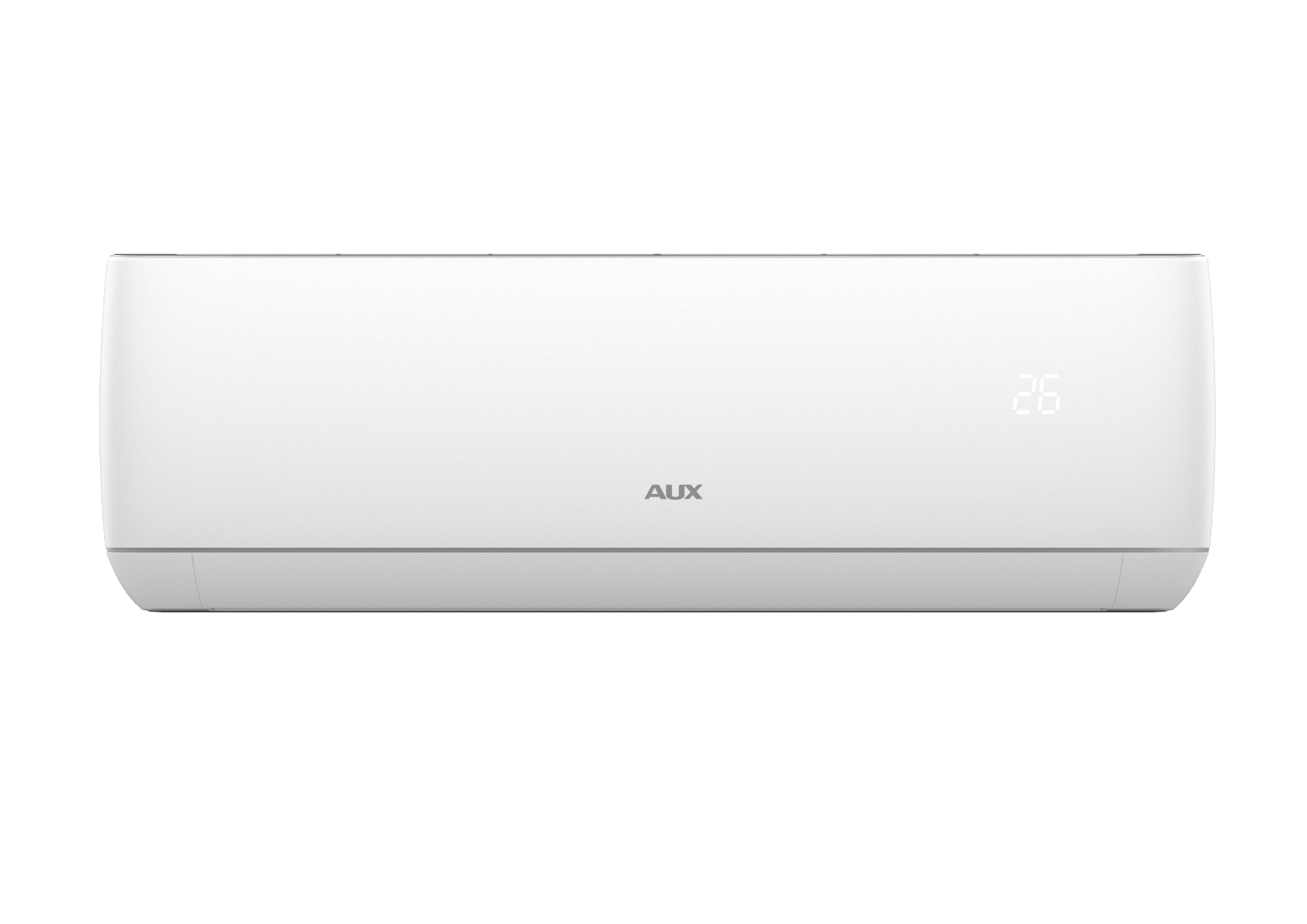
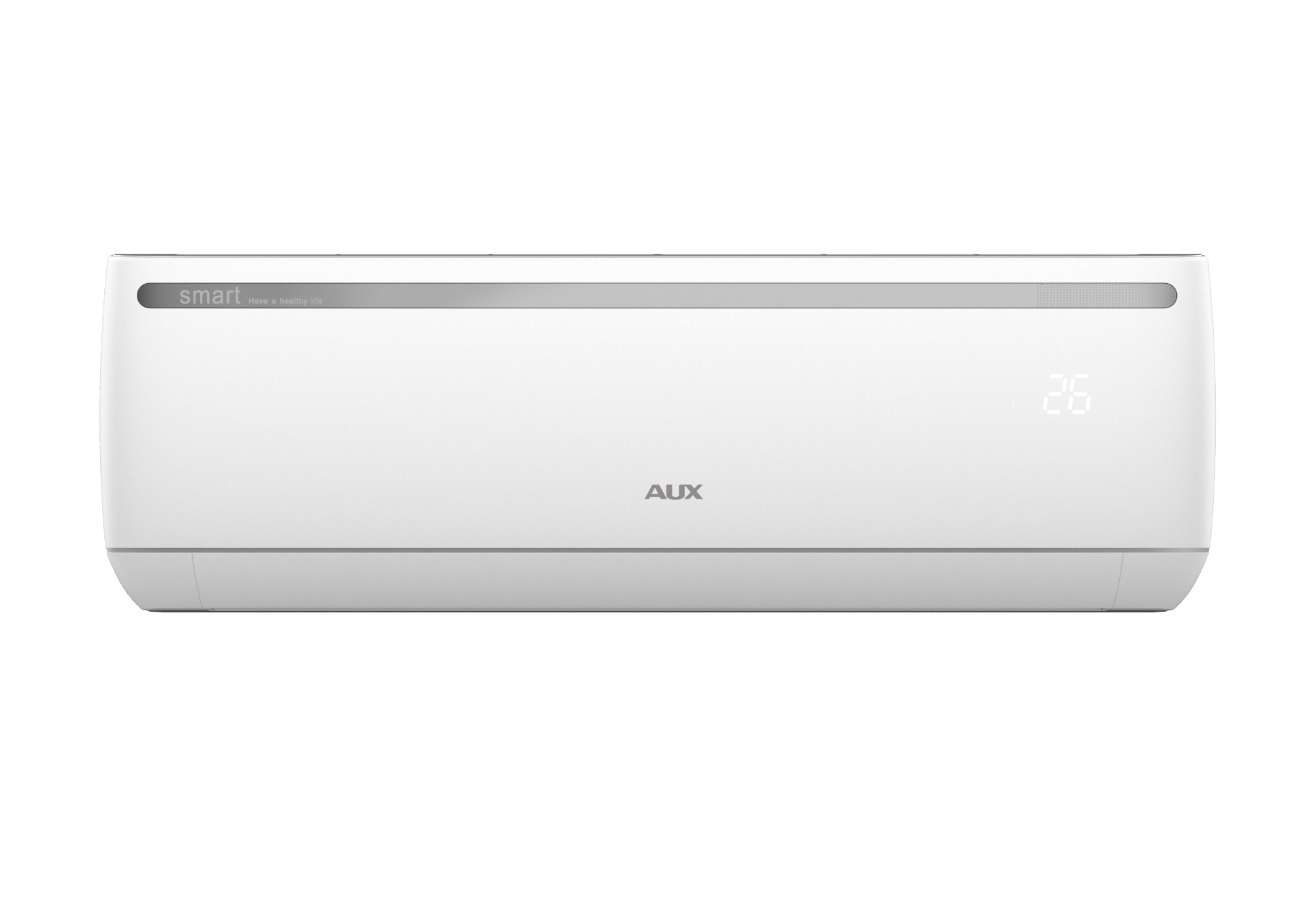
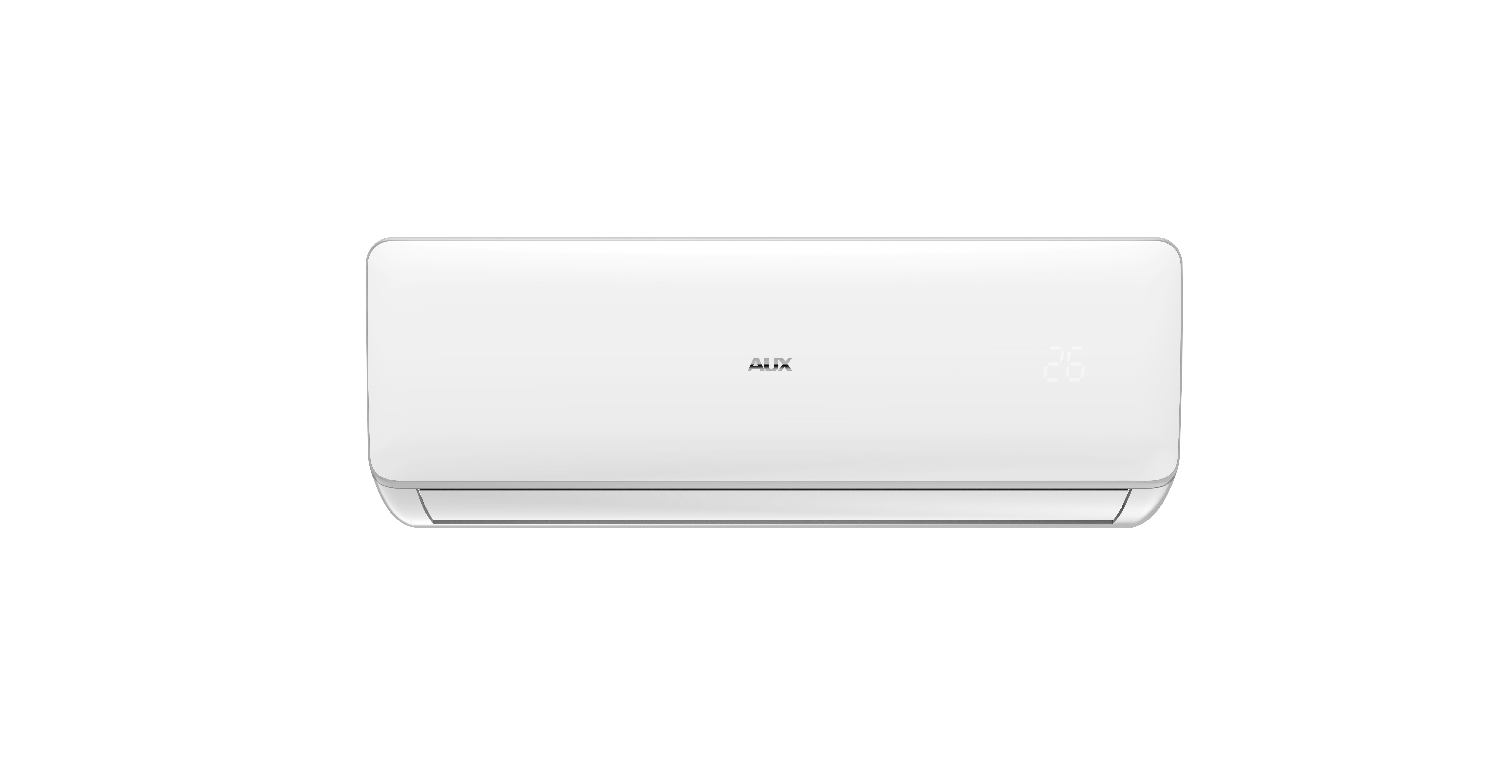
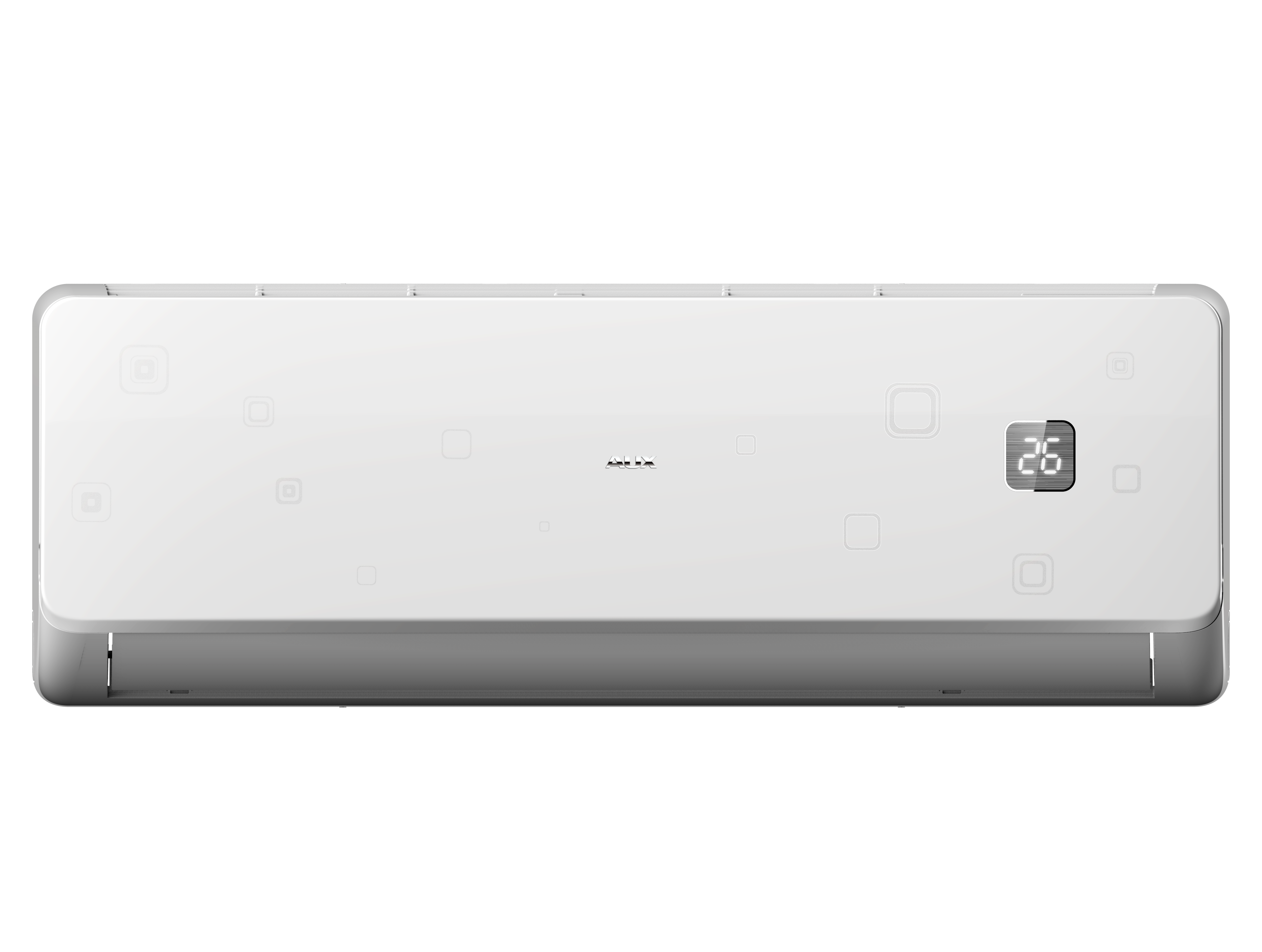
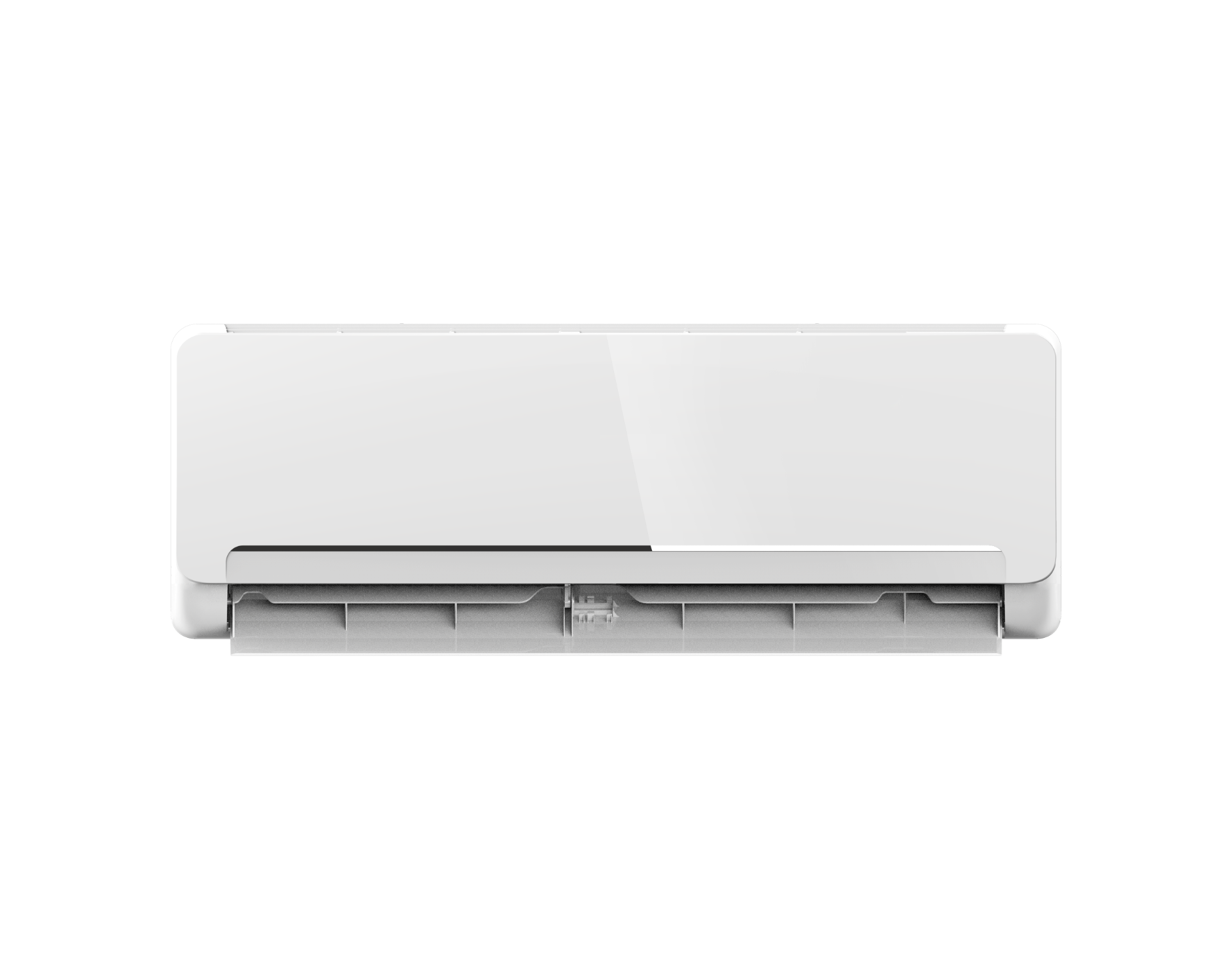
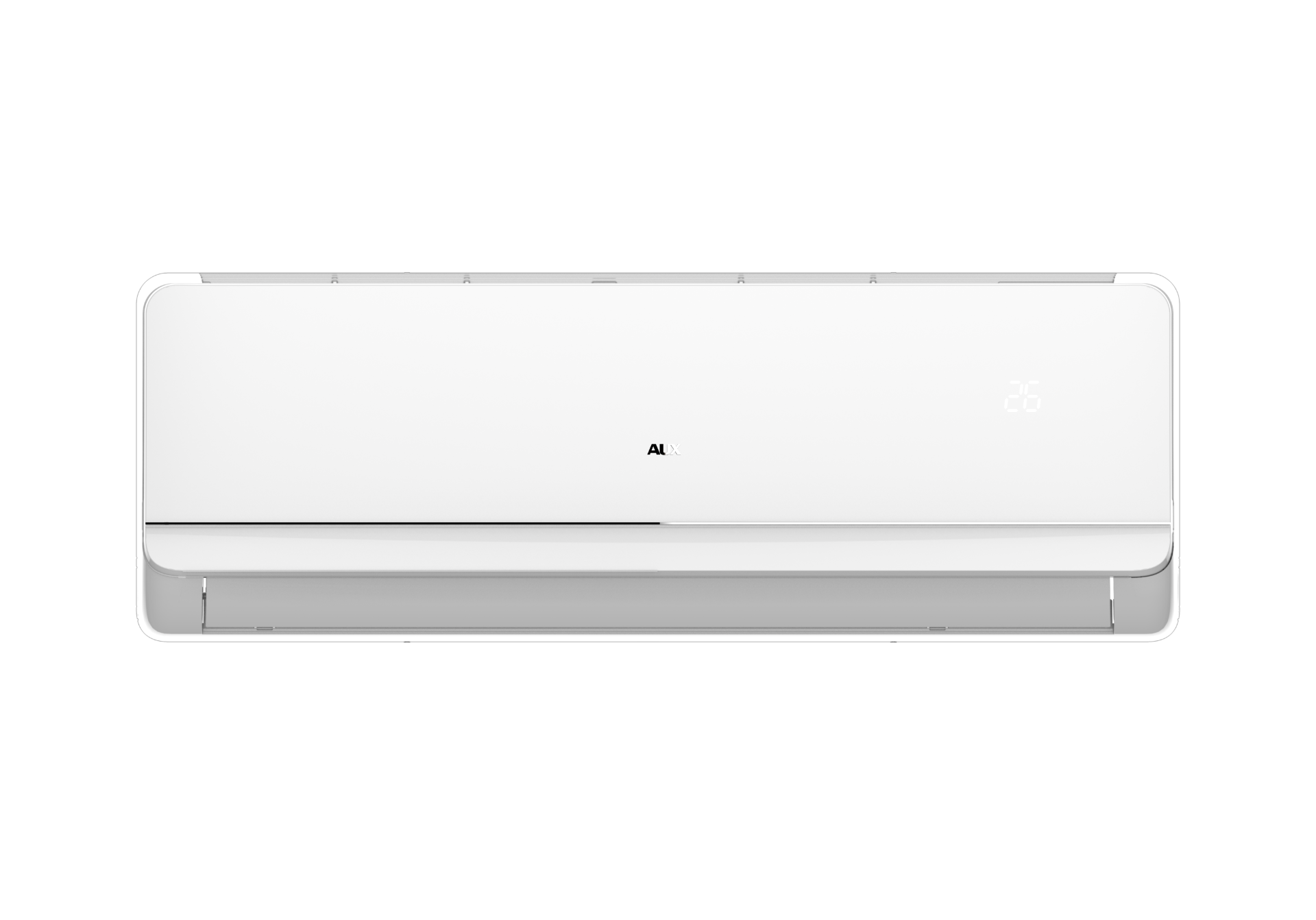
l Indoor Unit: These come in various styles—typically wall-mounted or ceiling-recessed—and are responsible for blowing conditioned air directly and evenly into the room.
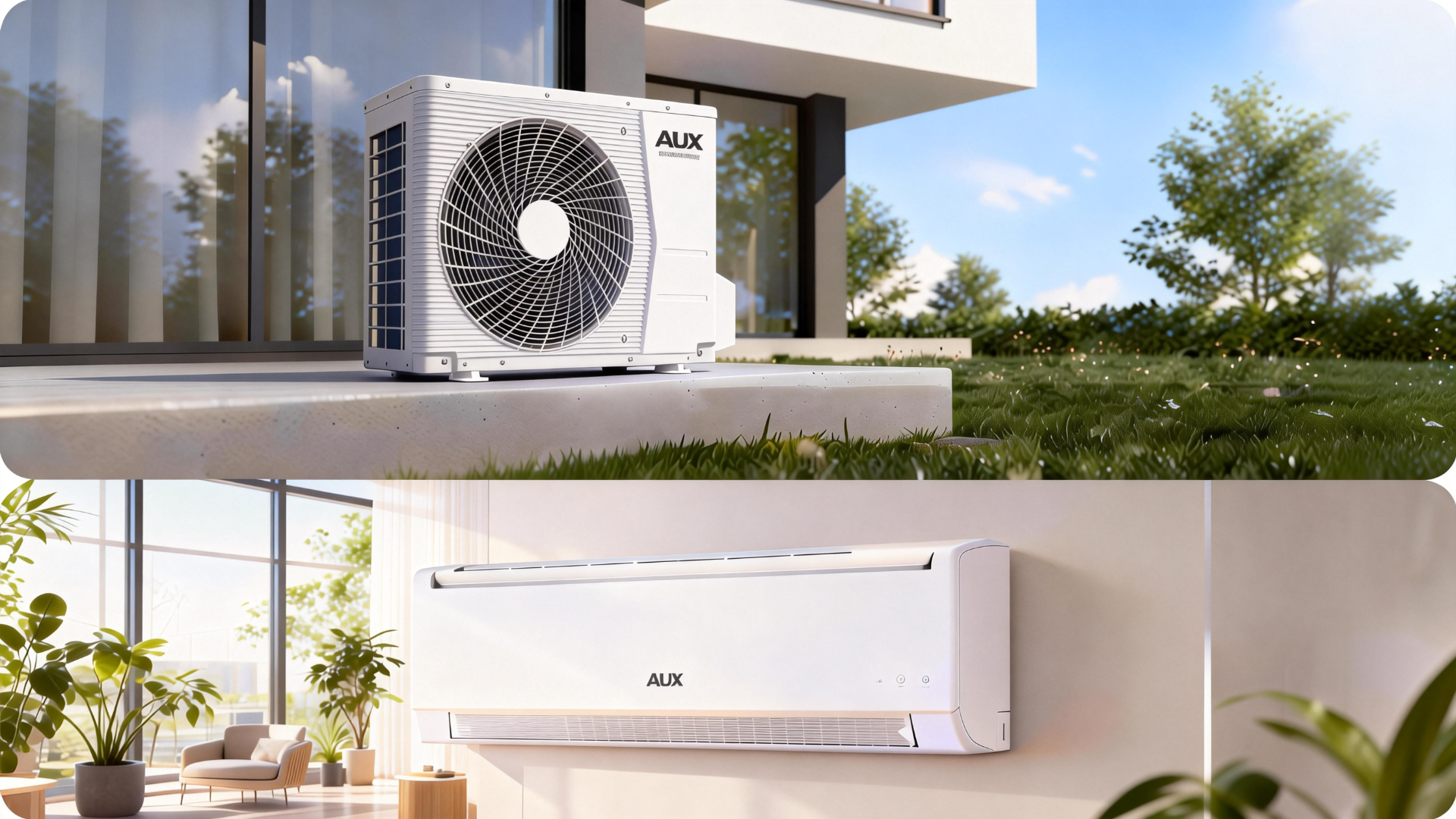
On the other hand, the "mini" in its name represents the "ultimate flexibility" in terms of space and installation. Compared to bulky, traditional central split systems, the core advantage here is the ductless design. While central air requires a complex network of air ducts, a mini-split only requires a small, 3-inch hole for the refrigerant lines to function.
Additionally, the indoor units are much smaller than a traditional central air handler, allowing for incredible flexibility in where they can be placed. This "mini" convenience makes them the premier choice for heating and cooling specific areas like older home retrofits, apartments, or sunrooms.
Because it combines a compact "mini" profile with separate "split" components, this system is widely known as a "mini-split."
Is a Mini-Split an Air Conditioner or an HVAC System?
In short, a mini-split is both an air conditioner (AC) and an HVAC system. More accurately, it is a high-efficiency, highly flexible, all-in-one HVAC solution.
HVAC is a broad industry term that stands for Heating, Ventilation, and Air Conditioning. A mini-split is a specific type of equipment within that industry. While a traditional "air conditioner" often only handles cooling, most modern mini-splits are heat pump systems that provide both cooling and heating. Because it addresses both climate control needs, it is professionally defined as a complete HVAC system.
How Does a Mini-Split Air Conditioner Work?
How it Cools:
l Indoor Heat Absorption: The indoor unit contains an evaporator coil made of copper tubing. As the indoor fan blows warm air from the room over these cold coils, the liquid refrigerant flowing inside absorbs the heat. During this process, the refrigerant heats up and evaporates from a liquid into a gas.
l Energy Transfer: This is what makes a mini-split unique. Unlike central air, which requires massive ductwork, a mini-split uses two small refrigerant lines to connect the units. The gaseous refrigerant carries the absorbed heat through a small hole in the wall to the outdoor unit.
l Outdoor Heat Exhaust: The compressor in the outdoor unit is the "heart" of the system. It pressurizes the gaseous refrigerant, causing its temperature to rise even further. The outdoor fan then blows across the coils to exhaust that heat into the outside air, causing the refrigerant to condense back into a liquid.
l The Cycle Repeats: The liquid refrigerant travels back to the indoor unit to start the process over.
How it Heats:
The heating process is similar to cooling; essentially, the refrigerant cycles between absorbing and releasing heat. The key difference is the direction of the refrigerant flow, which is managed by a four-way reversing valve. By switching the flow, the system enters "Heat Pump Mode":
l Outdoor Heat Absorption: Even in cold temperatures, the outdoor unit can still extract ambient heat from the outside air.
l Compression: The refrigerant is pressurized by the compressor, turning it into a high-temperature gas.
l Indoor Heat Release: This hot gas enters the indoor unit and releases its heat through the condensation process, warming the room and turning the refrigerant back into a liquid.
l Continuous Cycle: The liquid refrigerant returns to the outdoor unit, and the system continues to cycle to maintain a comfortable temperature.
In short, a mini-split works by using refrigerant to act as a "two-way heat mover." In the summer, it absorbs indoor heat and pumps it out; in the winter, it grabs heat from the outdoors and moves it inside.
Does a Mini-Split Work Like a Heat Pump?
Based on the principles we just discussed, you might wonder: Does a mini-split work like a heat pump? The answer is a definitive yes.
The vast majority of modern mini-splits are essentially ductless heat pump systems. Although most people call them "air conditioners," the inclusion of the 4-Way Reversing Valve allows them to flip the refrigerant flow at any time. This enables the system to switch between exhausting heat in the summer and "harvesting" outdoor heat to bring inside during the winter.
Unlike electric space heaters that "create" heat using high-resistance coils, a mini-split—like all heat pumps—simply "moves" heat through physical phase changes. Instead of consuming massive amounts of electricity to generate thermal energy directly, it uses refrigerant as a vehicle to exchange energy between the indoors and outdoors. This "transfer logic" is the core definition of heat pump technology and the primary reason why it is recognized as a world-class, high-efficiency climate solution.
Types of Mini-Split Air Conditioning Units
While mini-split units come in a wide array of physical styles and mounting options, they are fundamentally categorized by their system architecture. At its core, the type of system you choose is defined by whether a single outdoor compressor powers one indoor unit or manages multiple units across different zones.
Single-Zone vs. Multi-Zone Mini-Split Systems:Which One Is Right for You?
l Single-Zone Systems: This is the basic "one-to-one" configuration, consisting of one outdoor unit connected to one indoor unit. It is the perfect solution for providing precise climate control to a specific space, such as a new sunroom addition, a garage workshop, or an individual bedroom. Because the system path is straightforward, installation is fast, and energy efficiency ratings are typically exceptional.
l Multi-Zone Systems: This setup features one high-capacity outdoor unit powering multiple indoor units (typically 2 to 5). The primary advantage here is "zoning control"—the ability to set different temperatures or turn units on and off independently in each room. This not only saves outdoor real estate by requiring only one condenser but also cuts energy costs by allowing you to turn off climate control in unoccupied rooms.
What Does a Mini-Split Look Like from the Outside?
After understanding the functional differences, many homeowners wonder about the system's outdoor footprint. From the outside, a mini-split looks significantly different than a traditional central air conditioner.
Regardless of whether you choose a single or multi-zone system, the outdoor unit (condenser) is easily recognizable. It typically features a slim, rectangular cabinet. Thanks to its side-discharge design, it has a much thinner profile than the bulky, square "top-discharge" units found in traditional central air systems.
l Placement: It offers great installation flexibility; it can be mounted on a ground-level pad, attached to an exterior wall via heavy-duty metal brackets, or even placed on a balcony or roof.
l Connections: The outdoor unit is linked to the indoor unit by a line set—a bundle of refrigerant lines, a drain line, and power cables encased in a white, weather-resistant insulation. These are usually routed neatly along the exterior wall.
Mini-Split Support and Product Options
Where Can I Find Support for Mini-Split Systems?
Because ductless heat pump systems involve a sophisticated refrigerant cycle, choosing a split air conditioner supplier with a strong technical background is vital. From site selection advice during the initial install to long-term performance maintenance, you can rely on official channels for the following:
l Technical Documentation Center: Access to comprehensive installation specs and troubleshooting guides.
l Certified Professional Service: Regular annual inspections help keep the system operating at peak energy efficiency in both cooling and heating modes and can extend the equipment’s service life.
AUX Split Air Conditioner Overview
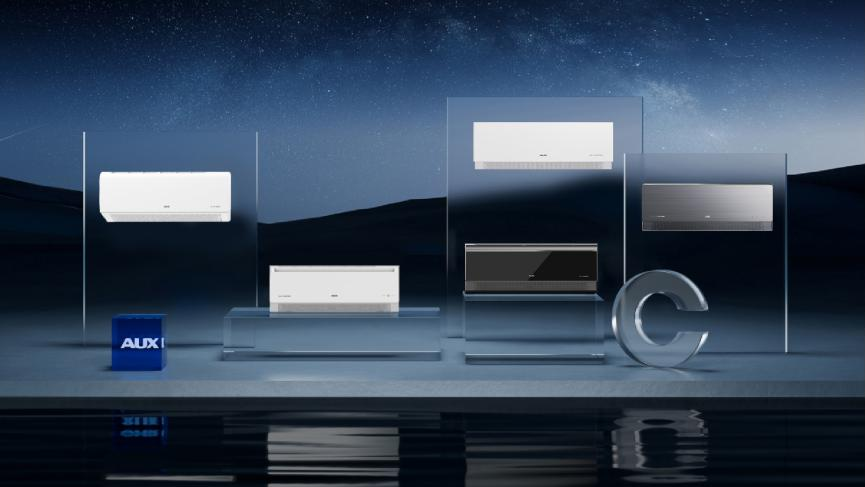
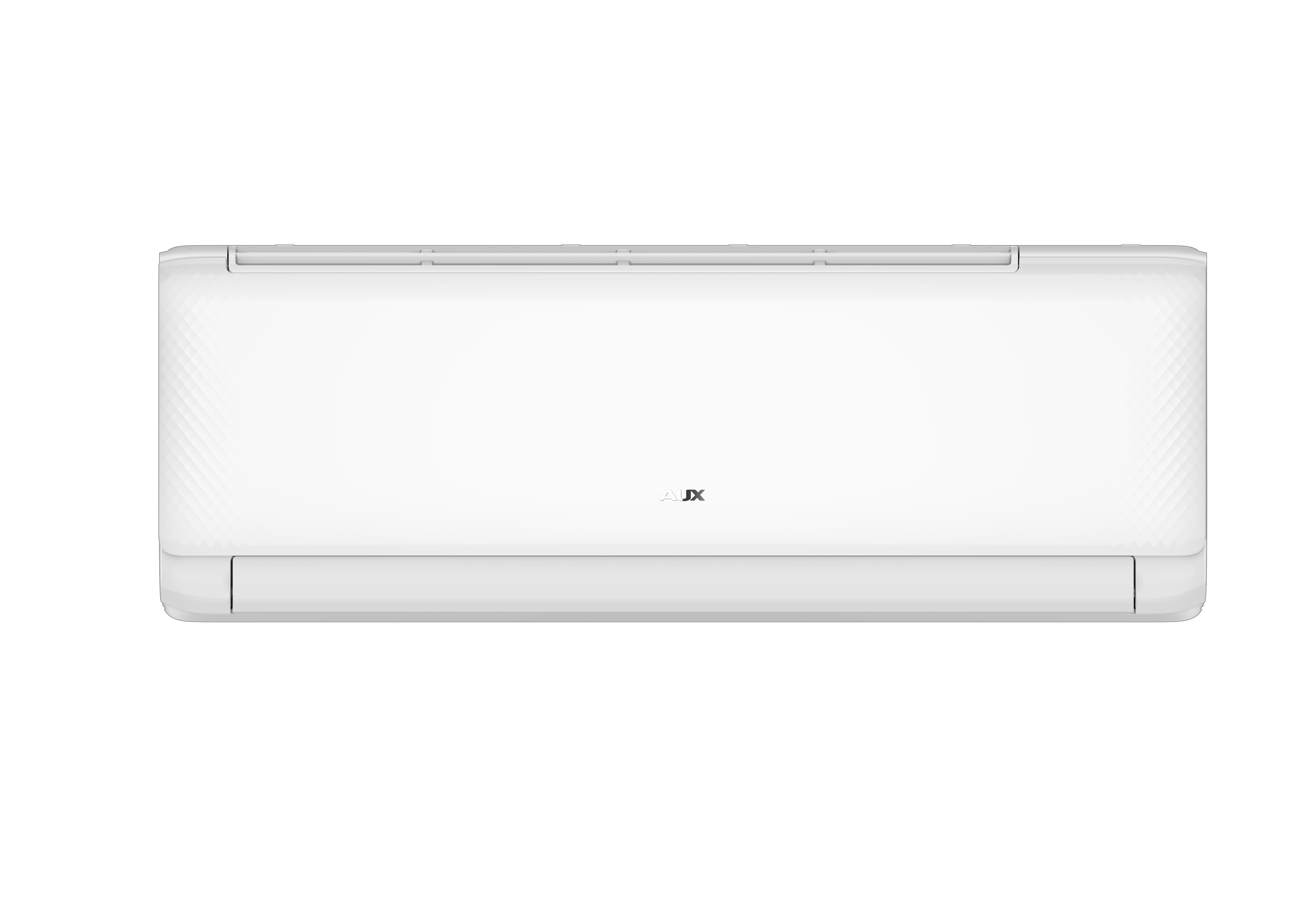
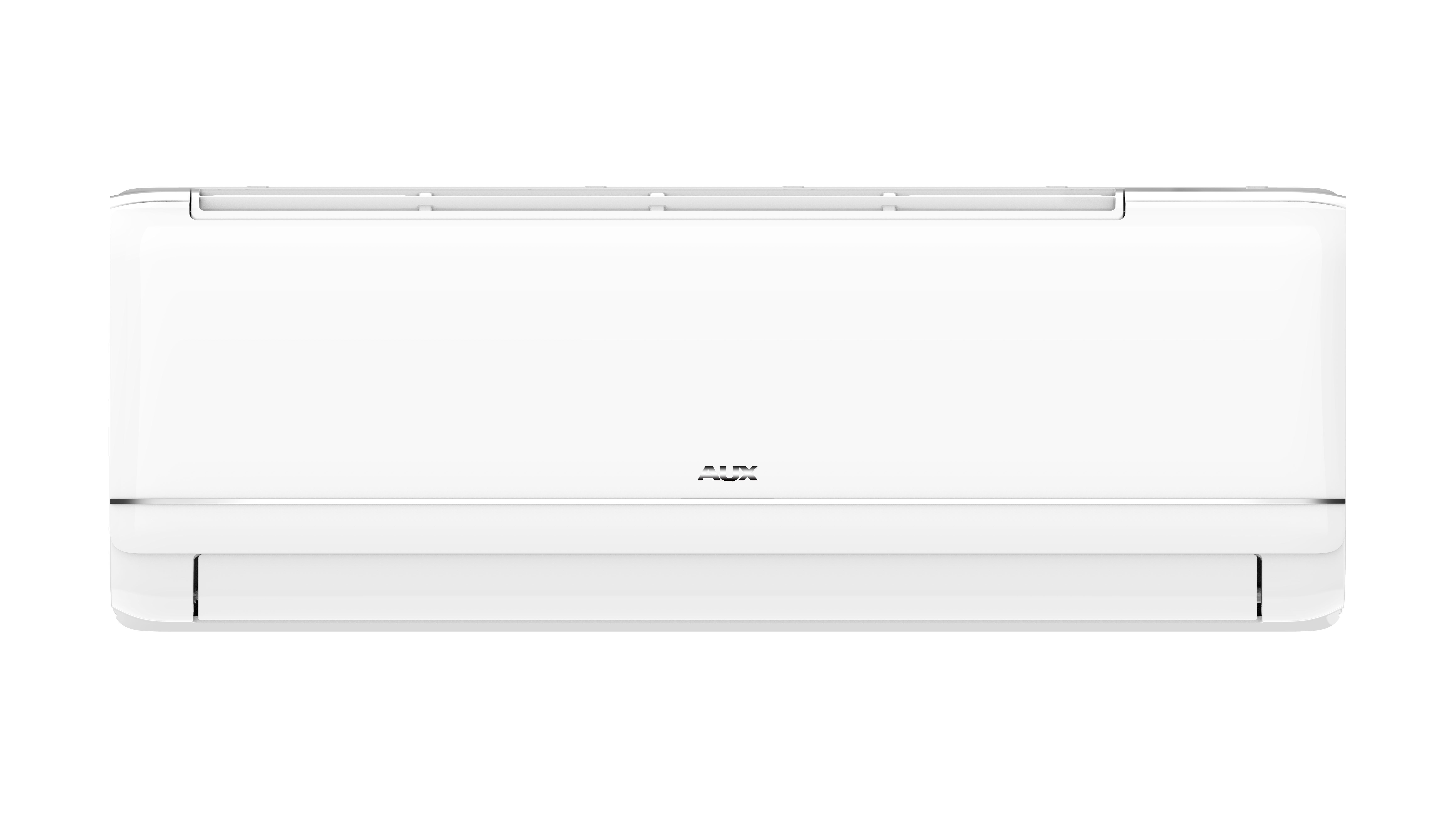
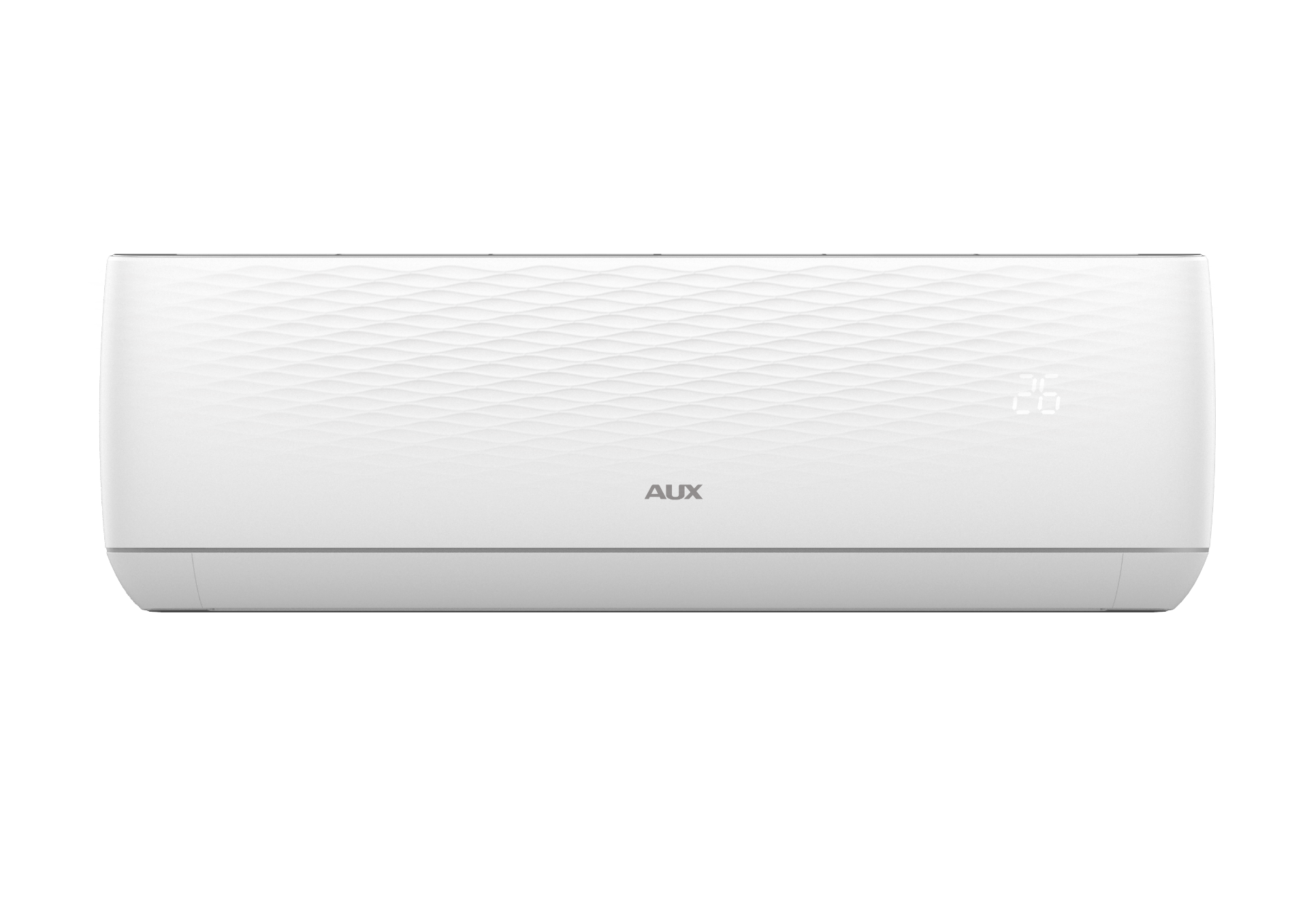
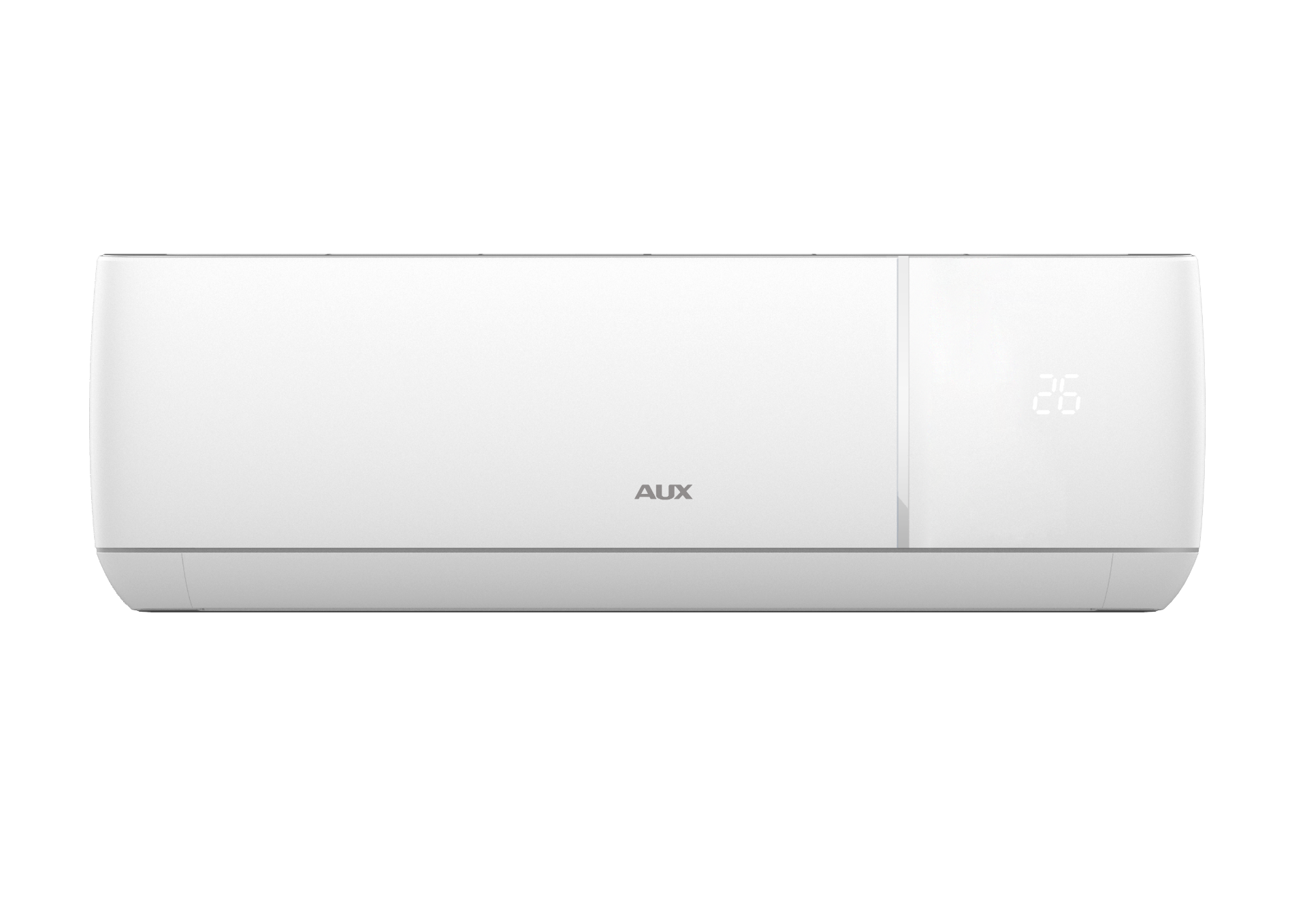
As a global leader in air conditioning, AUX Air Conditioner offers a diverse Air Conditioning Series tailored to various home layouts and lifestyles. We focus on two primary ductless solutions:
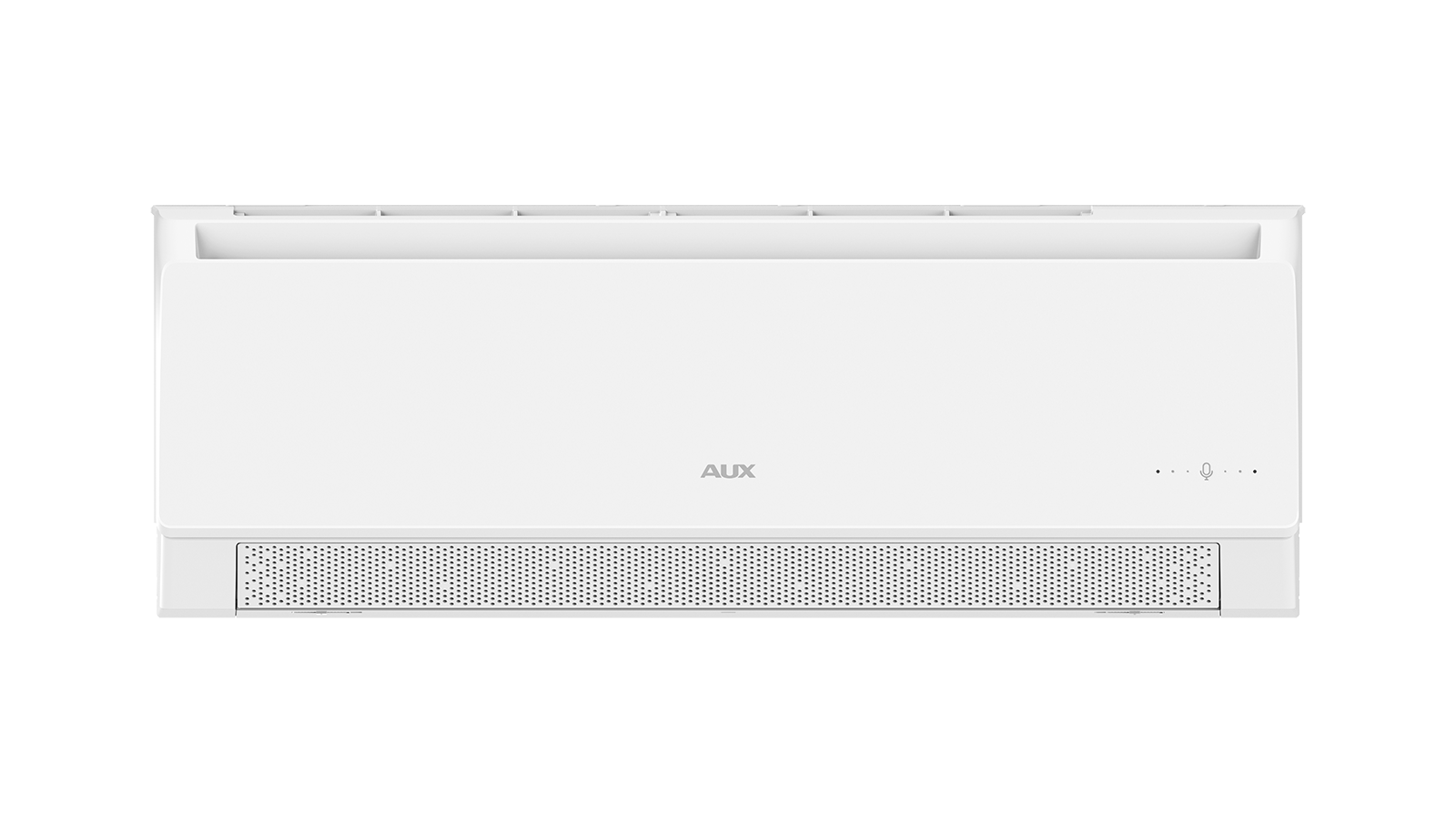
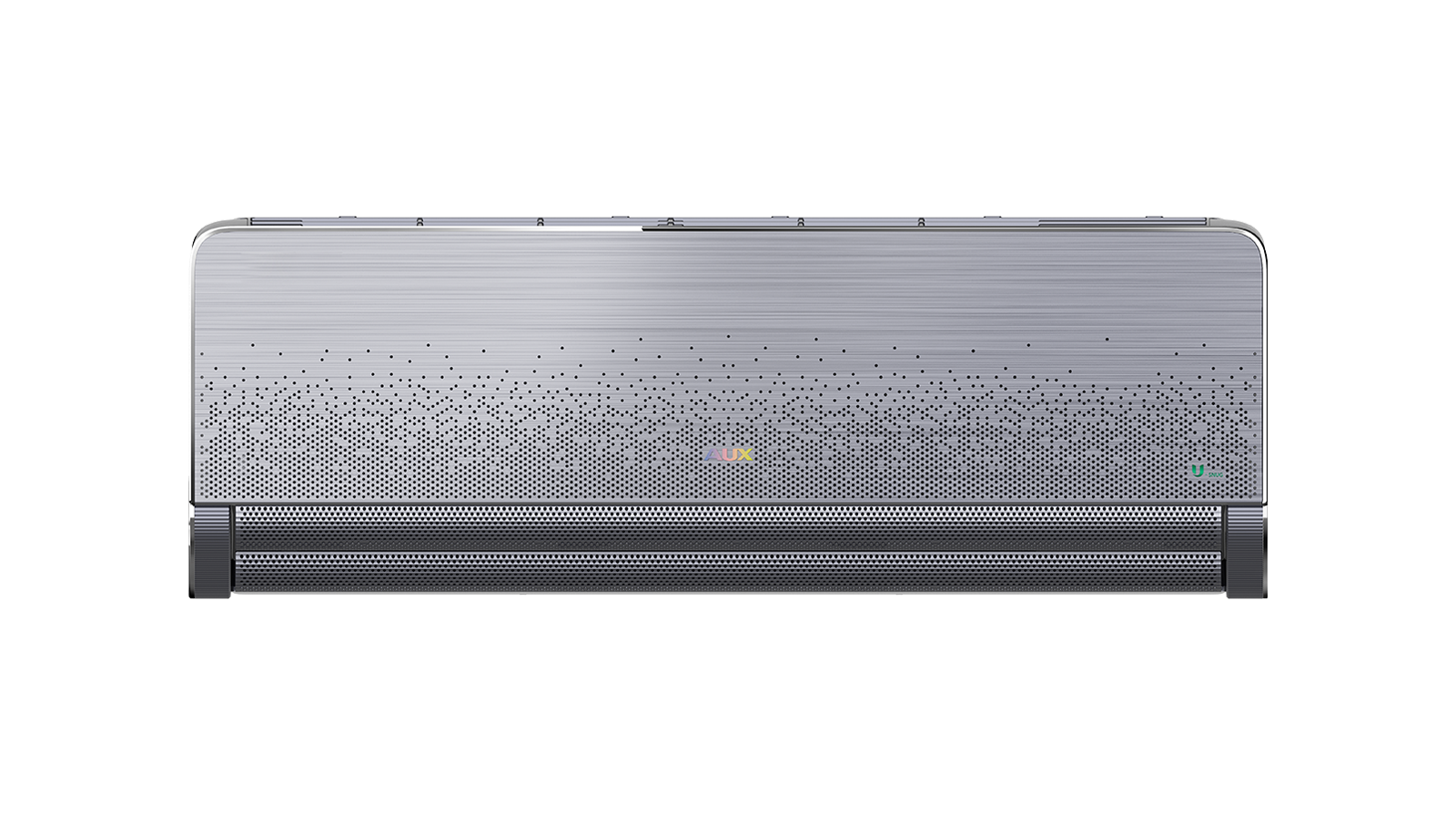
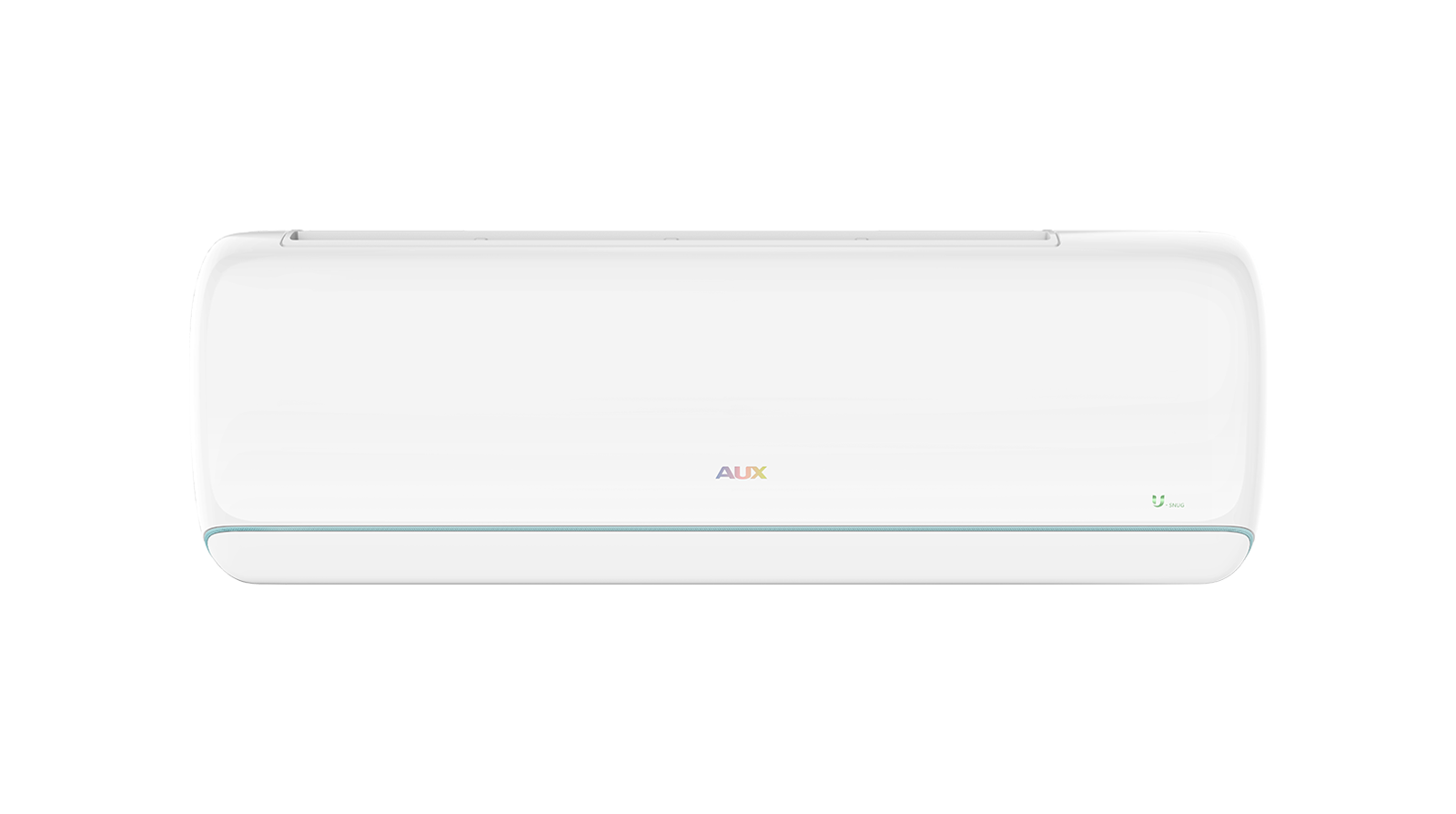
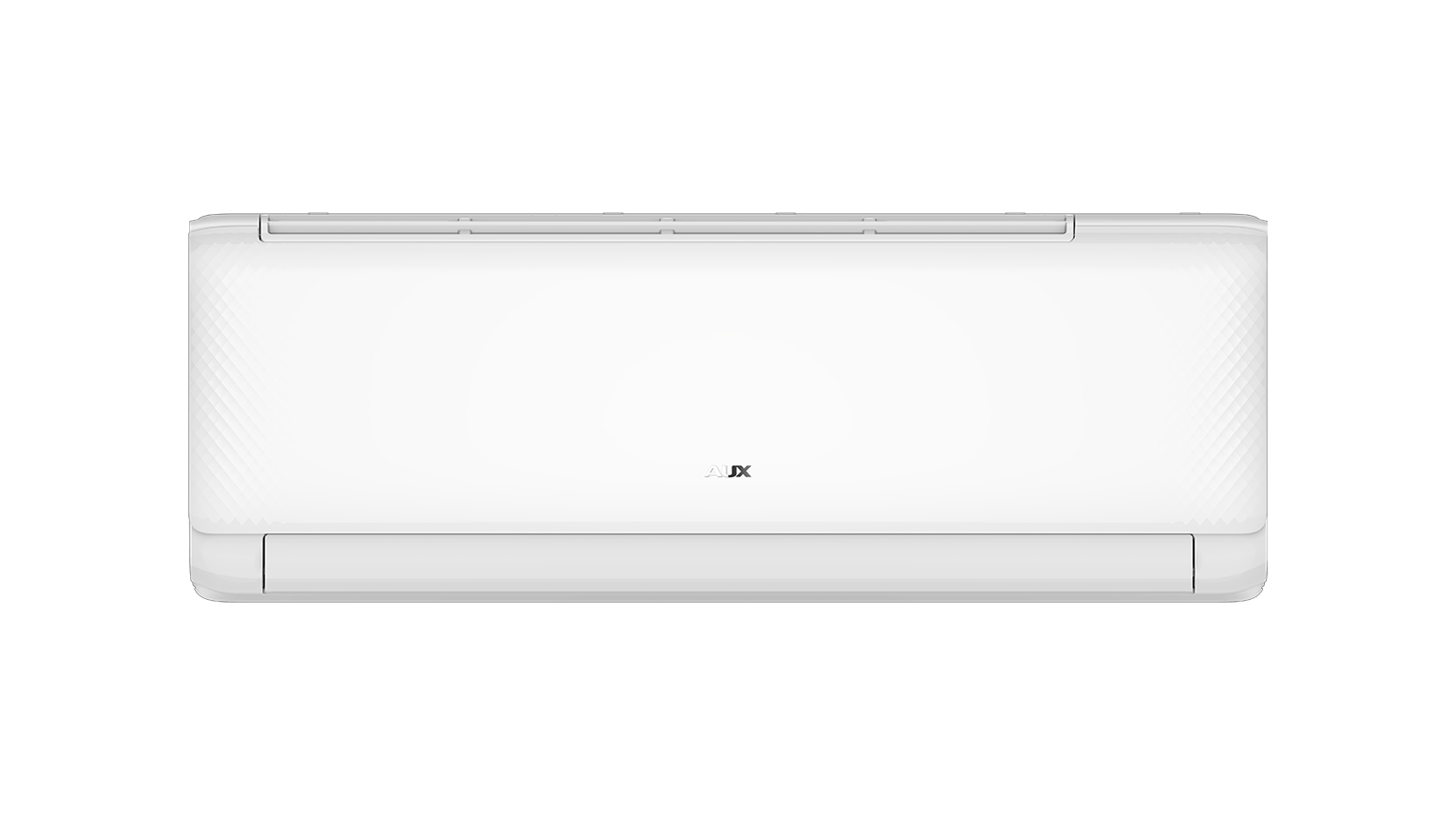
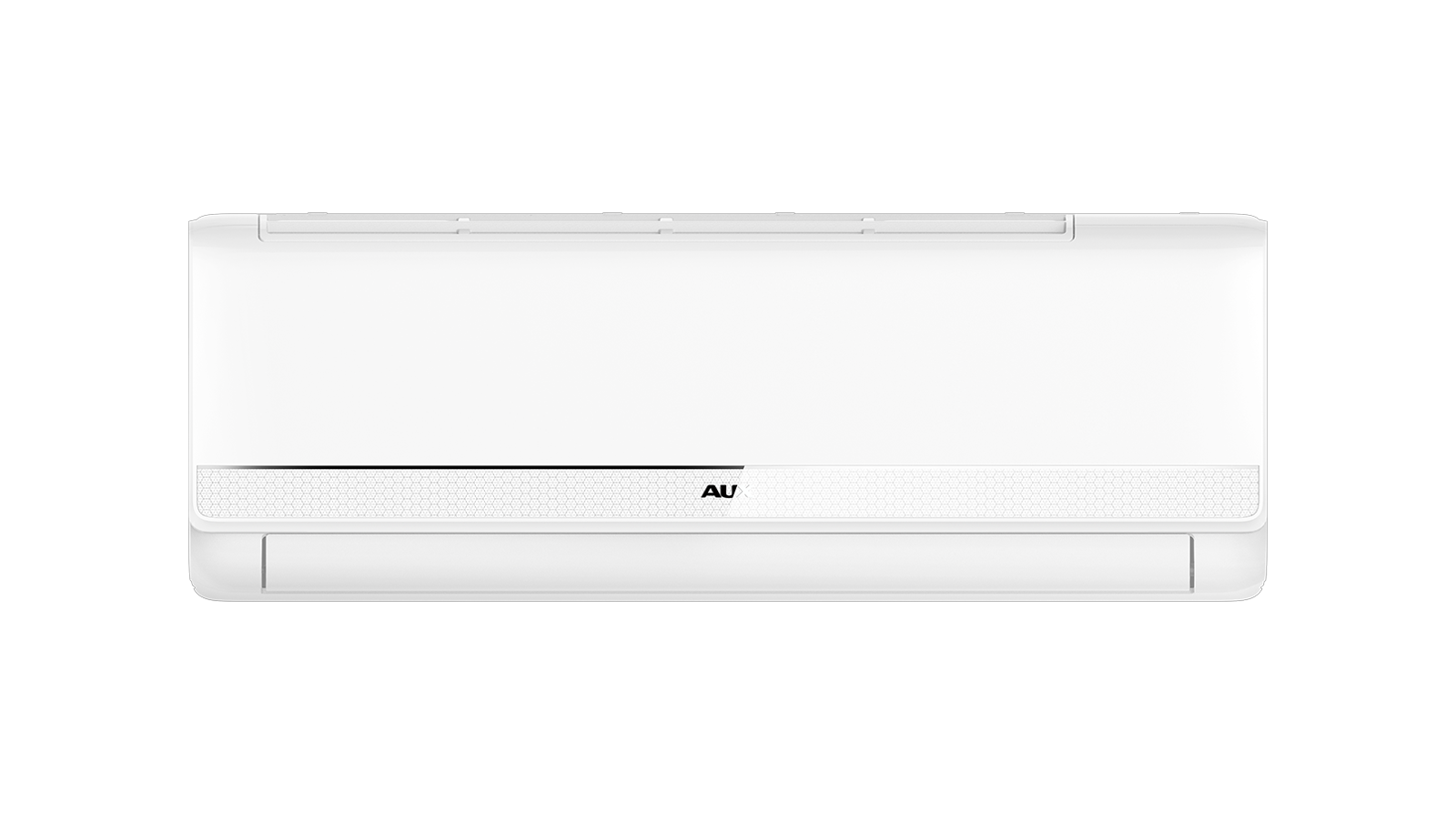
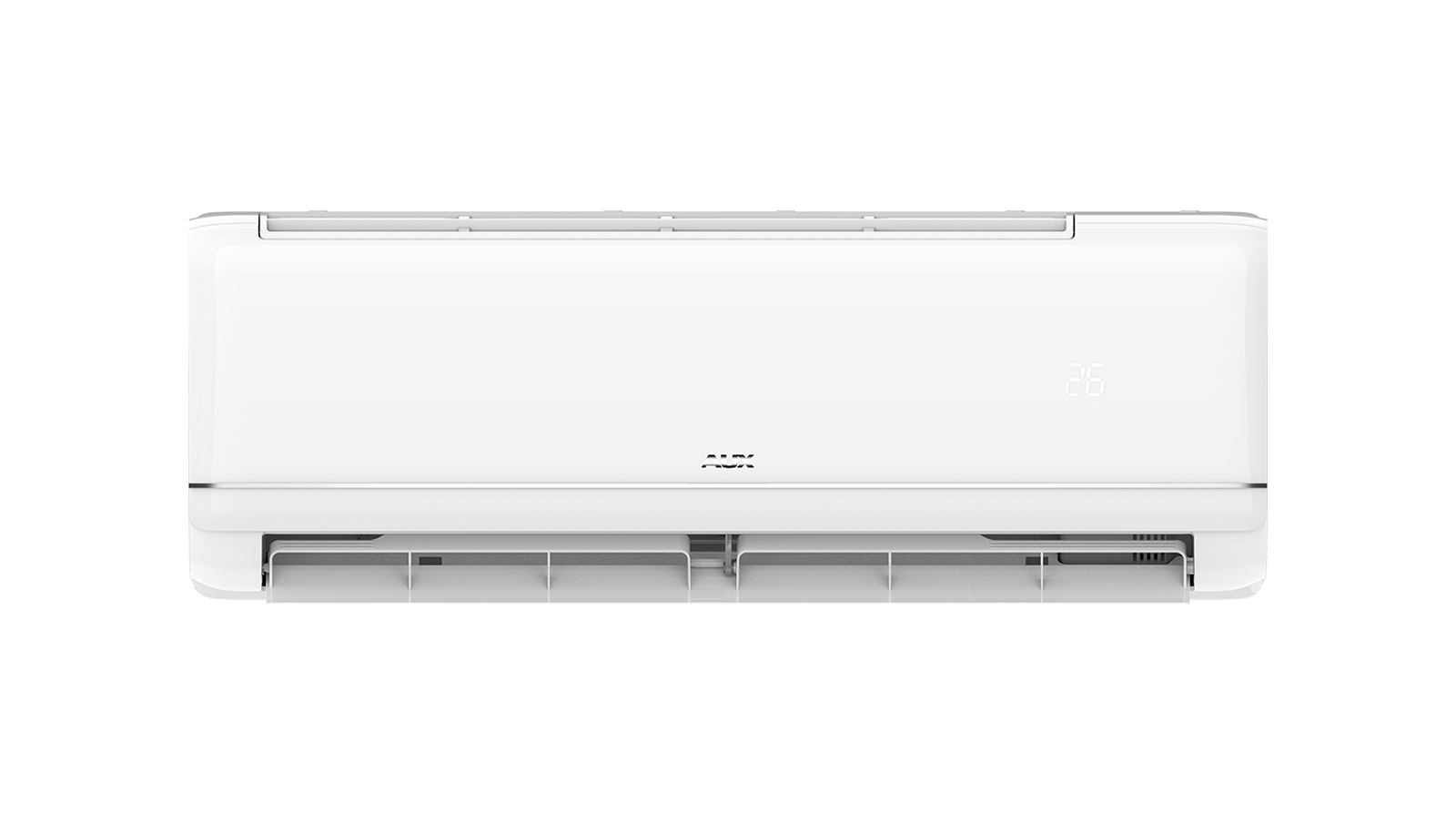
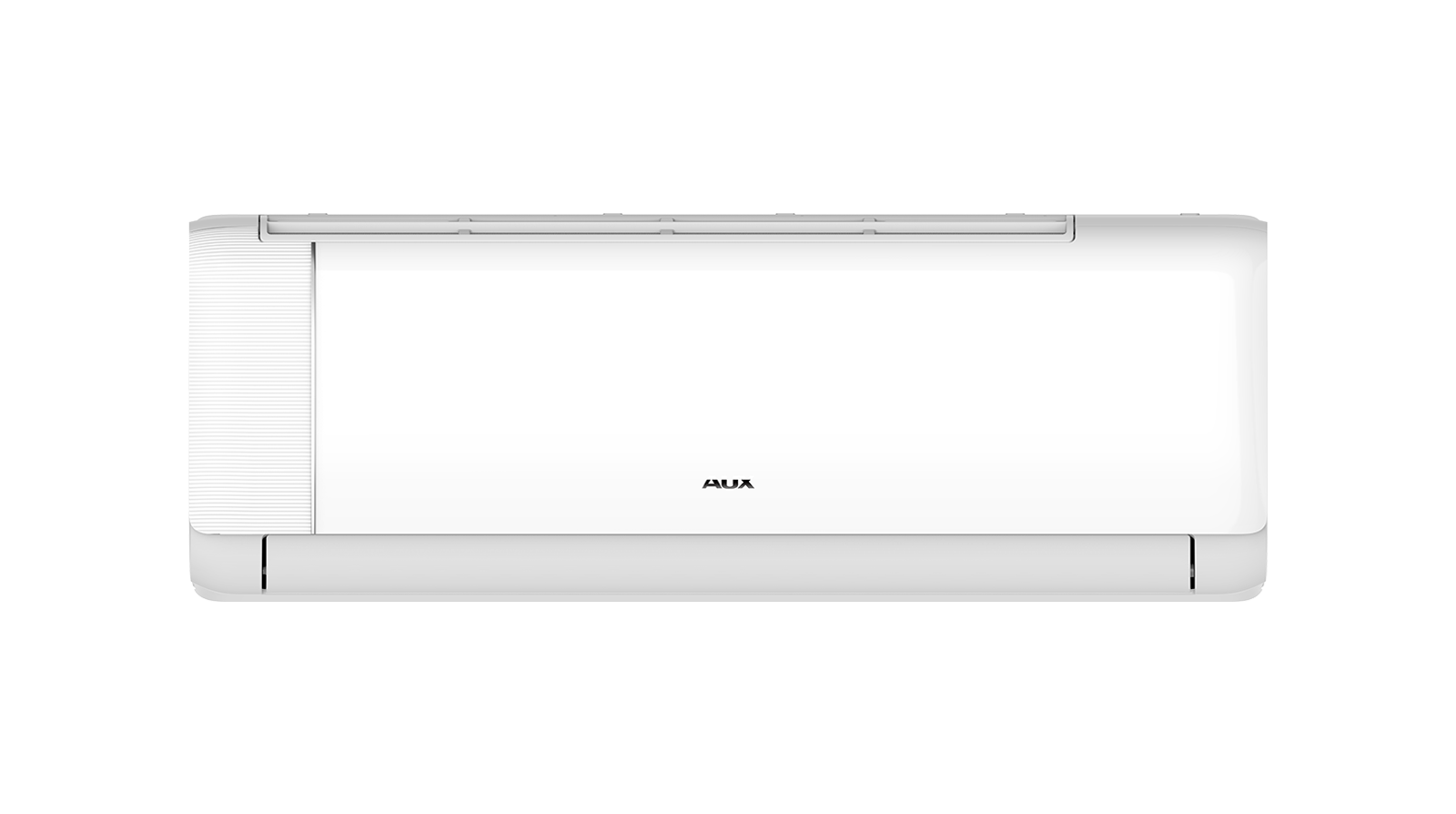
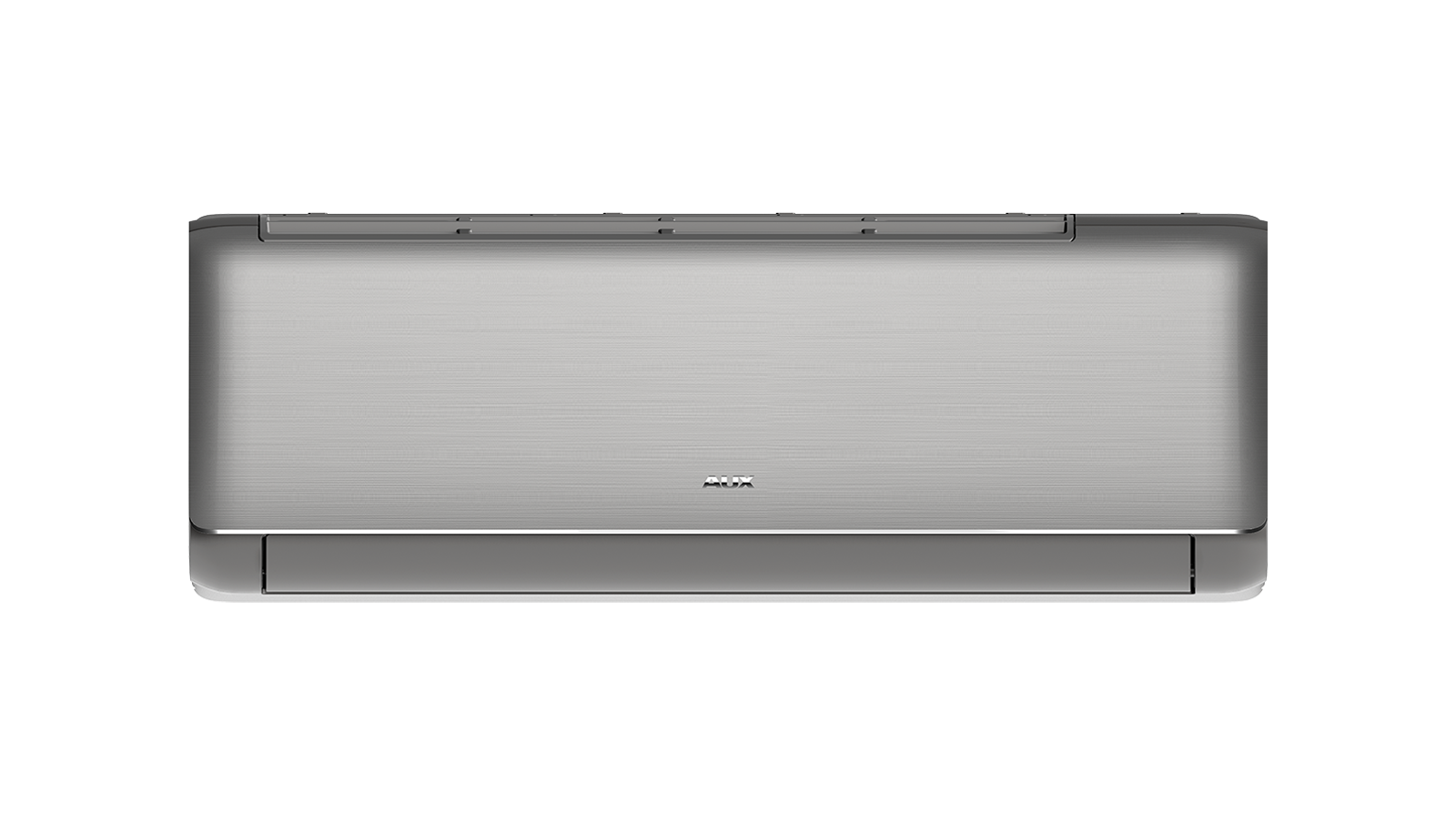
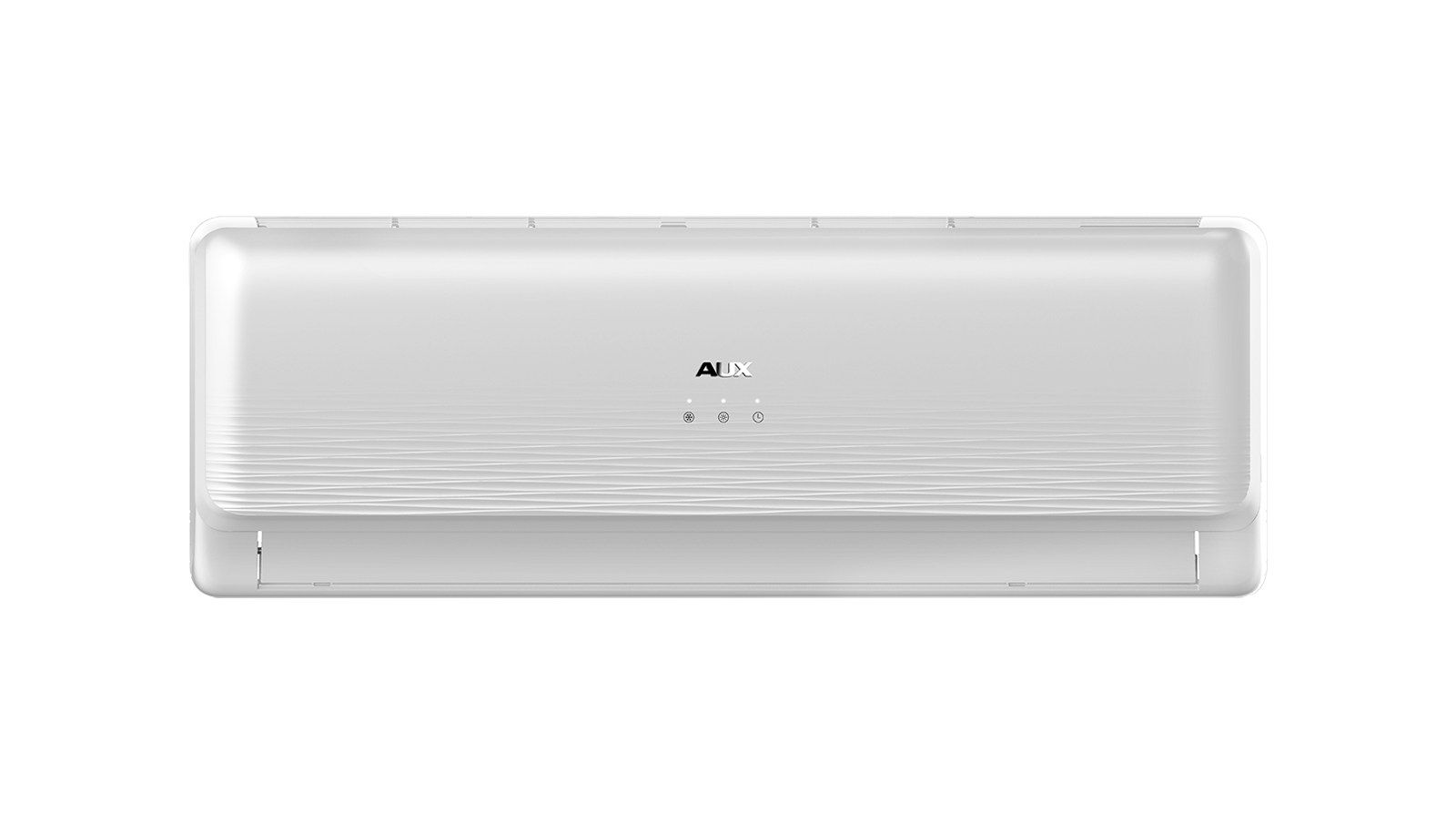
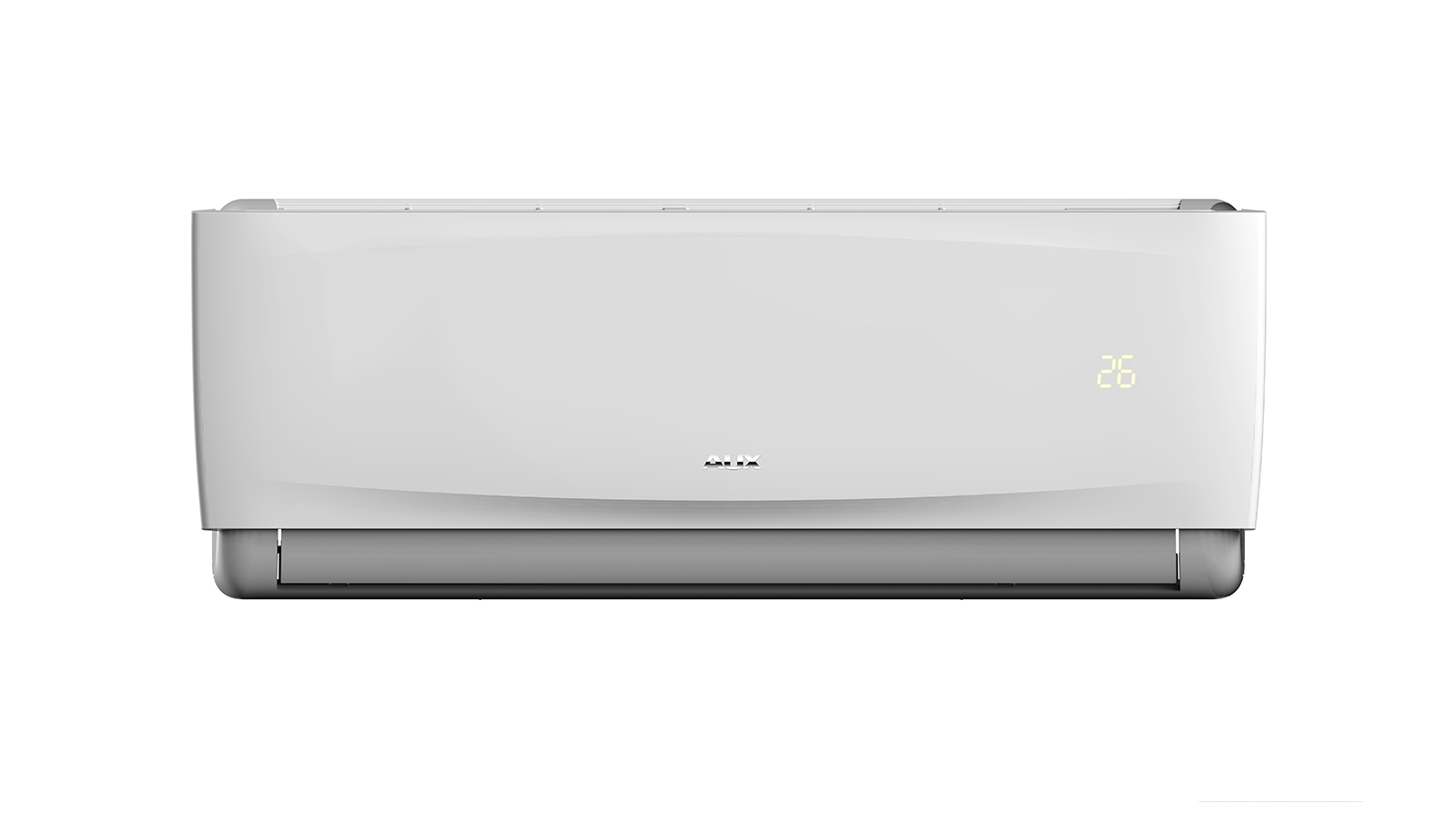
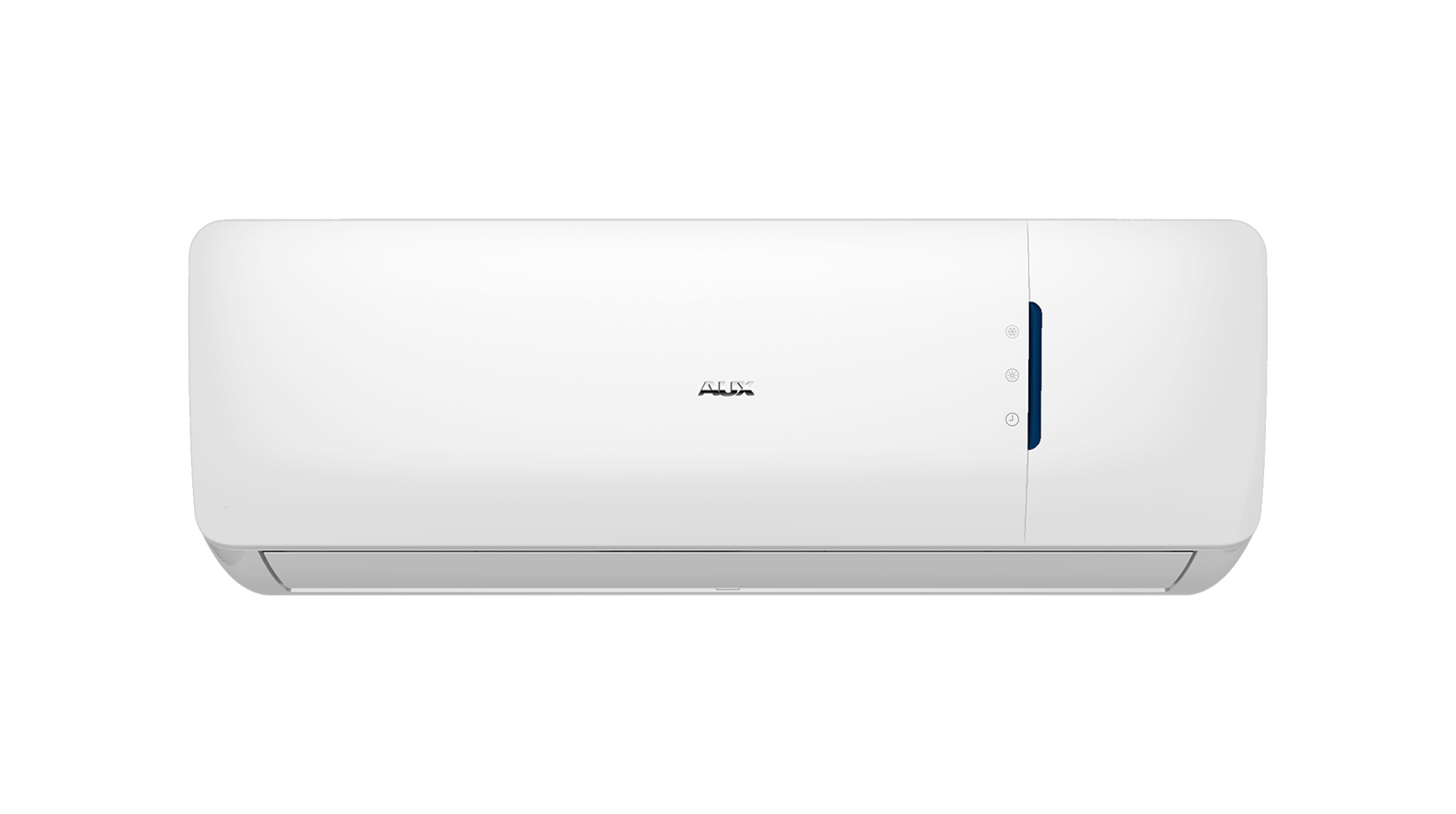
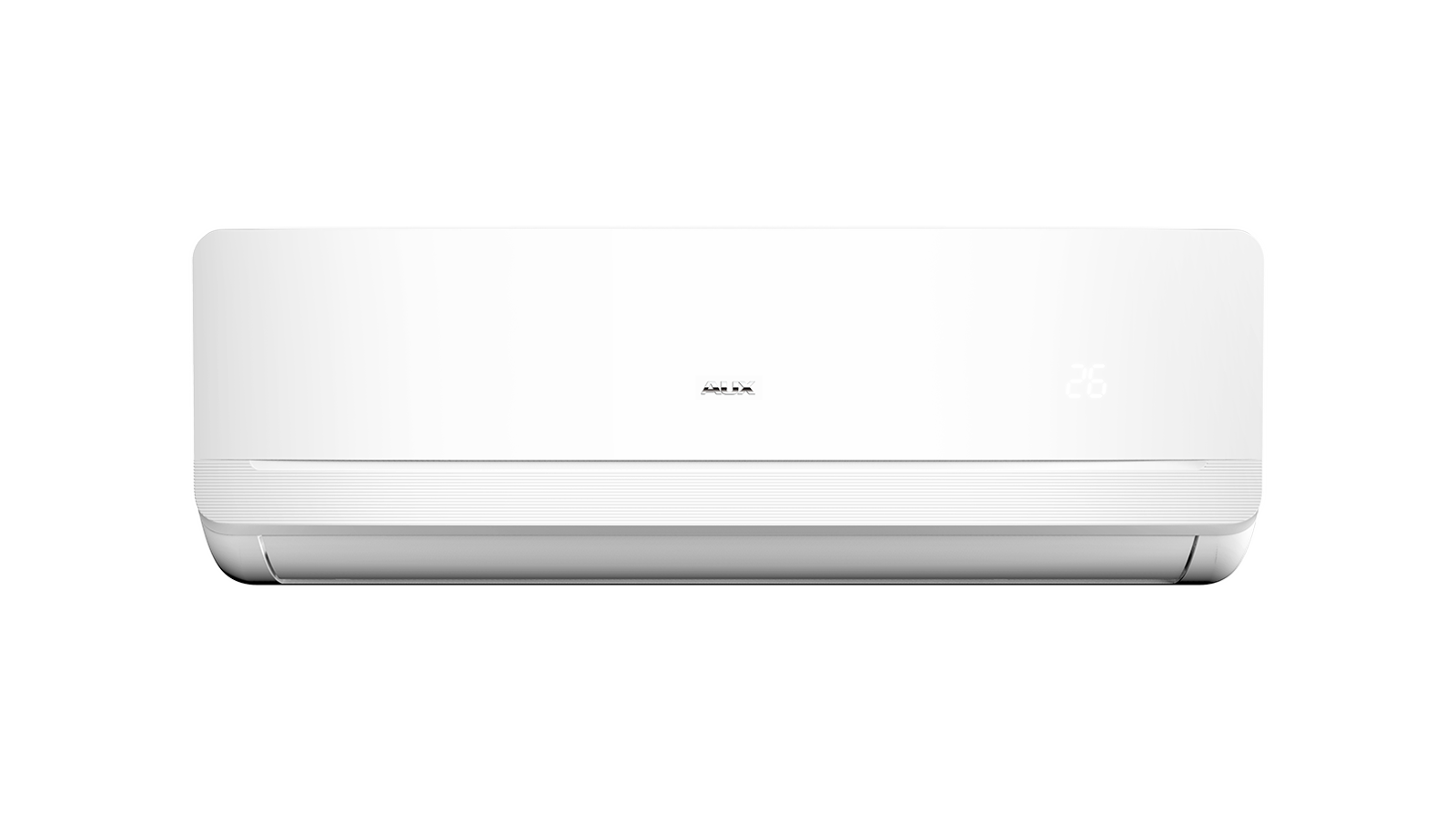
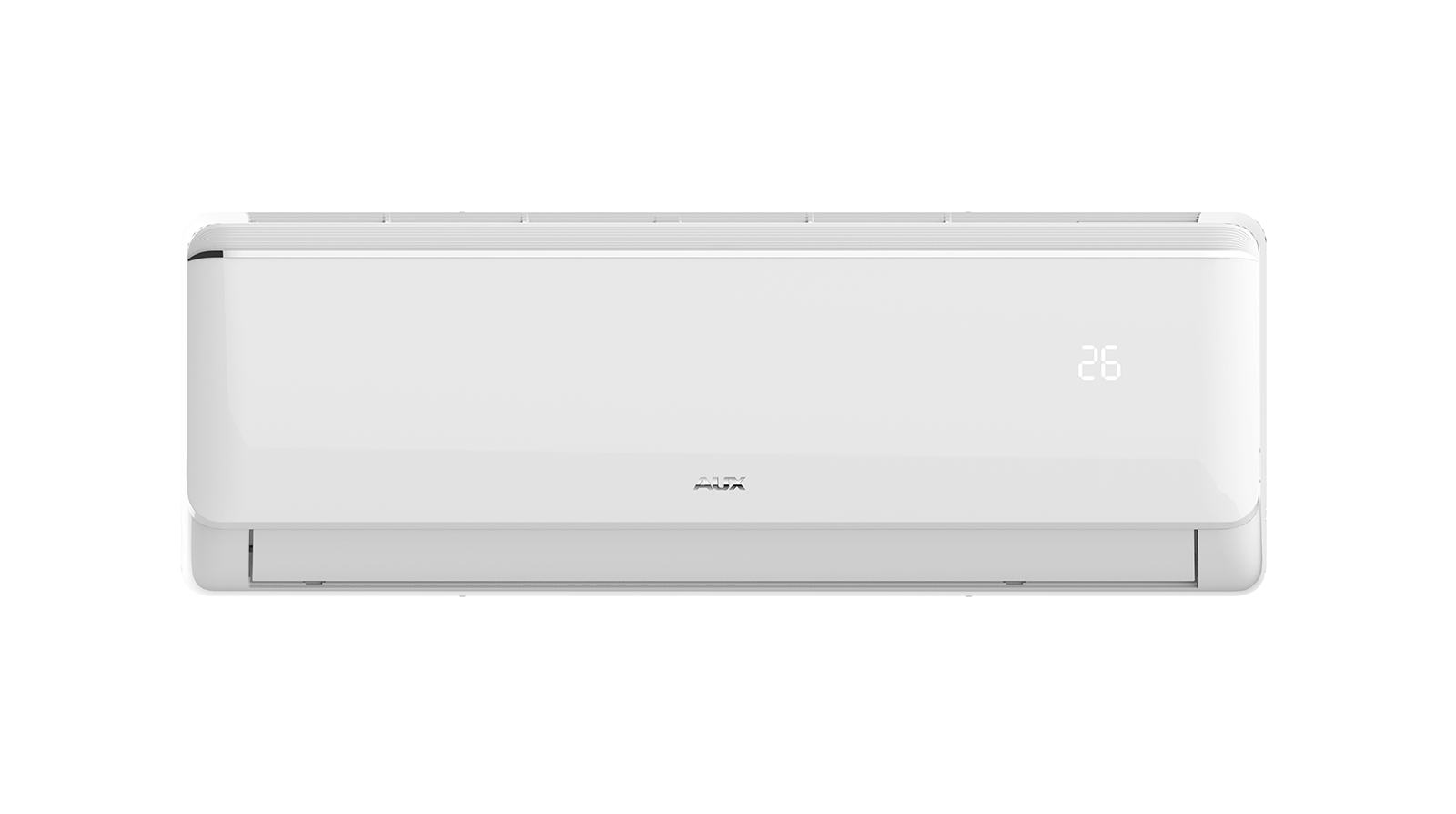
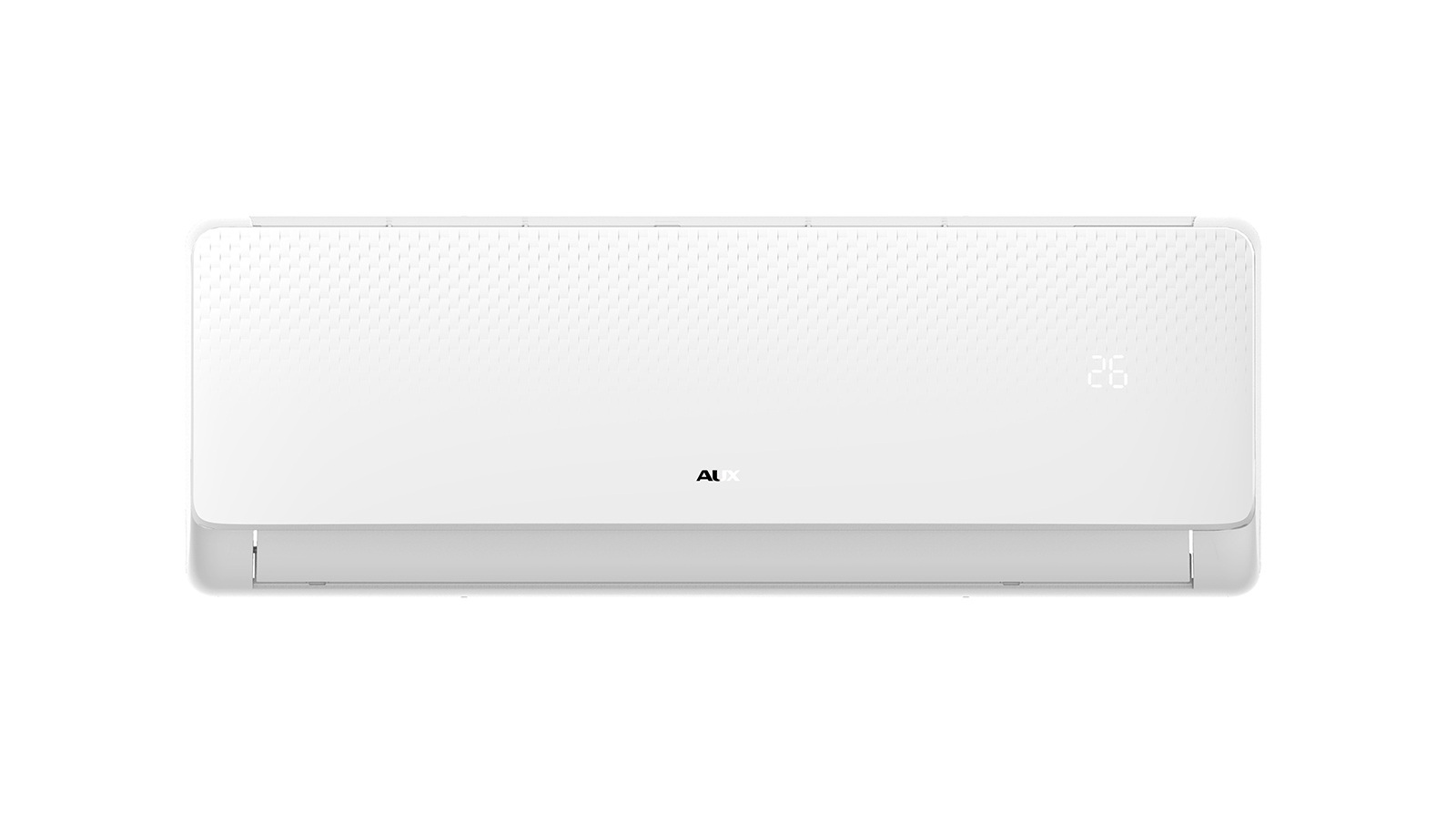
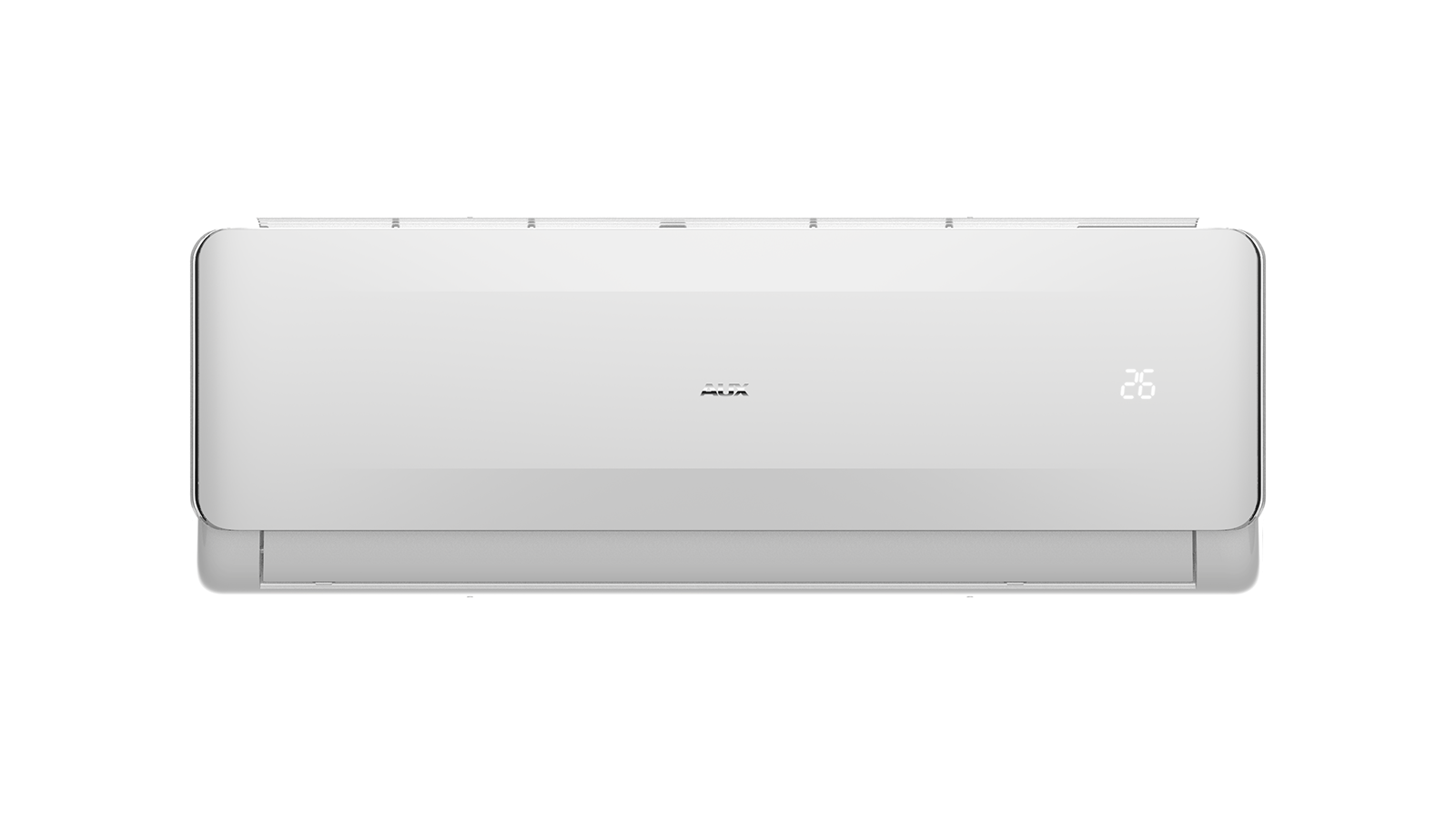
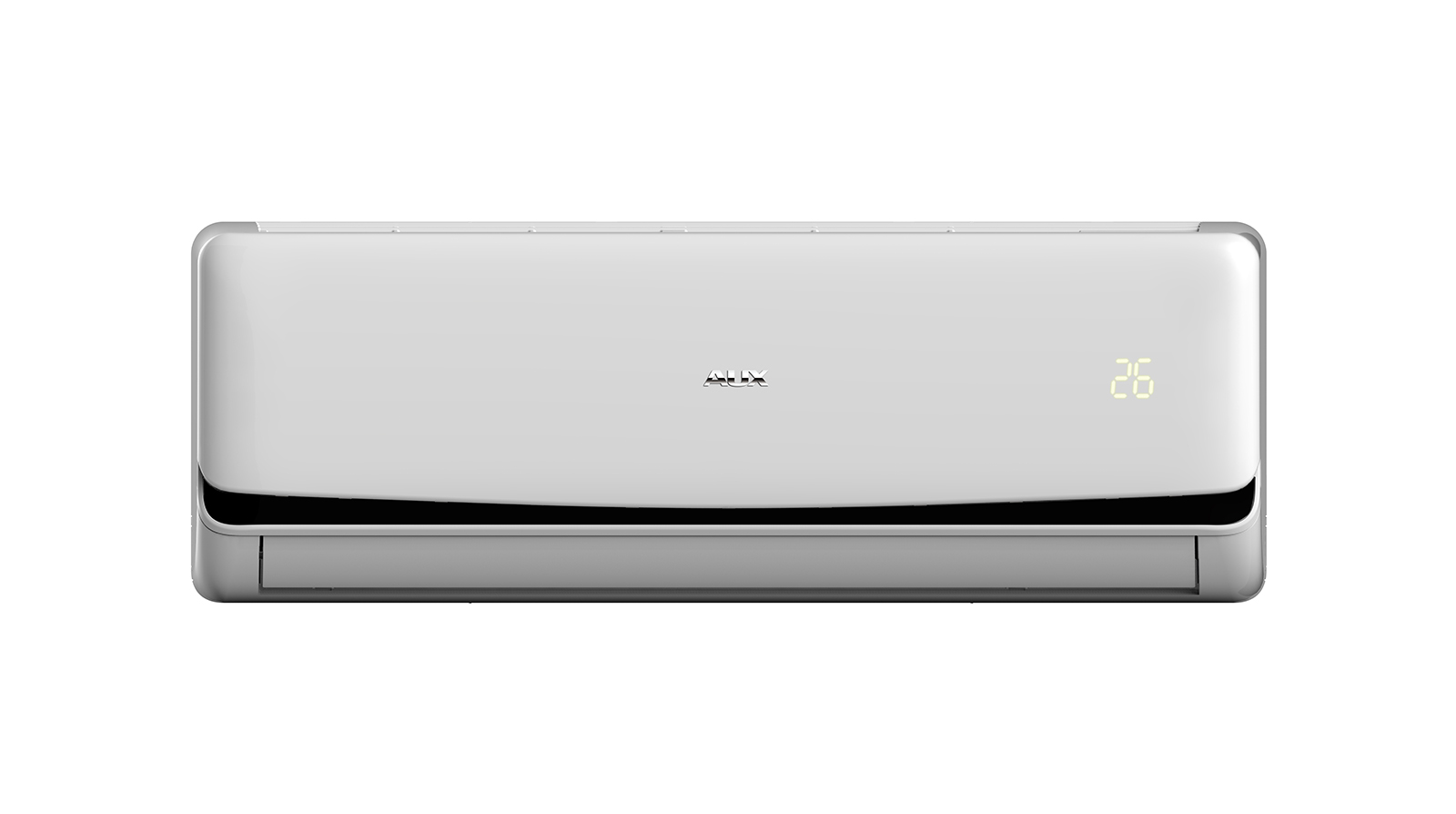
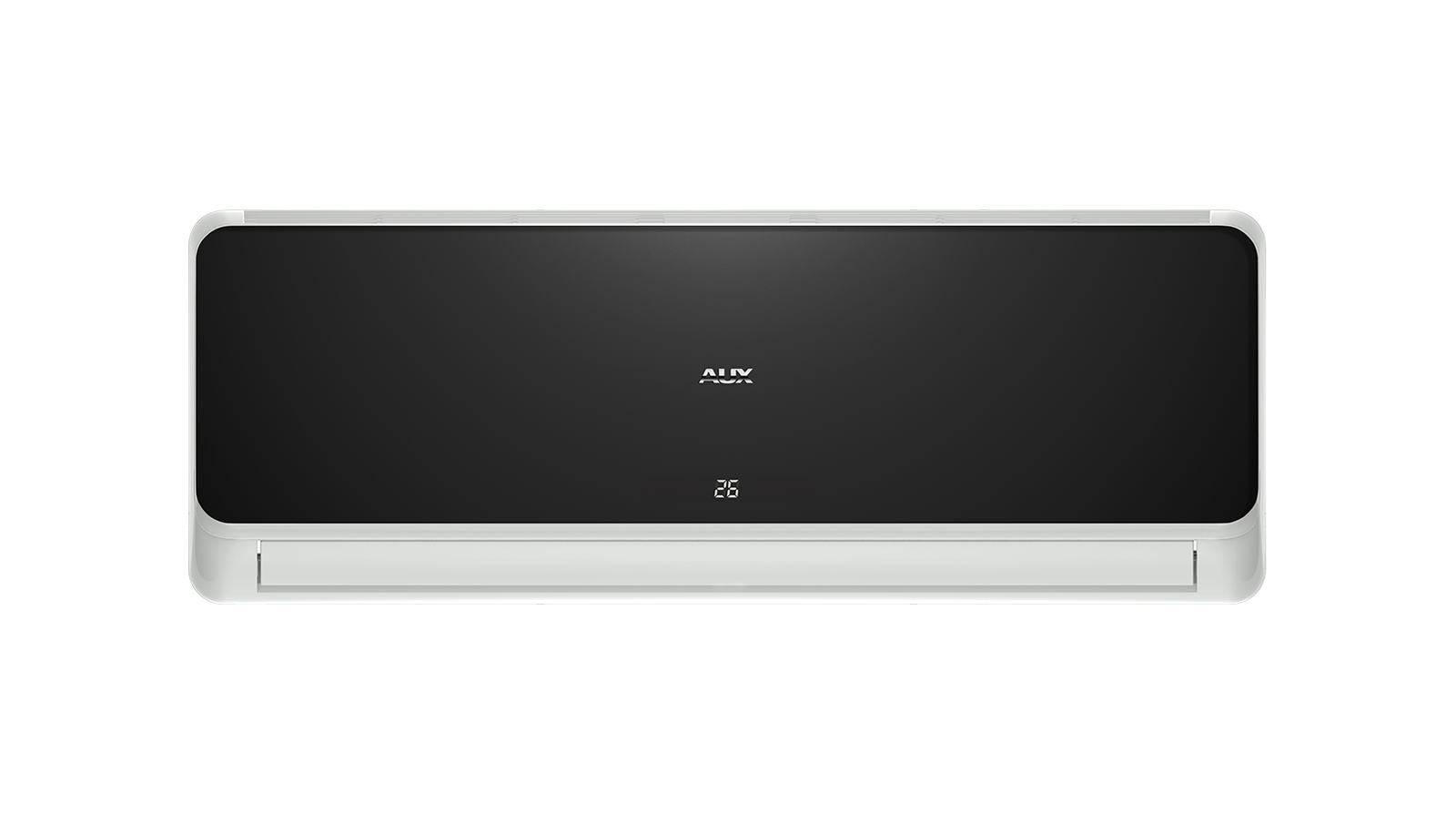
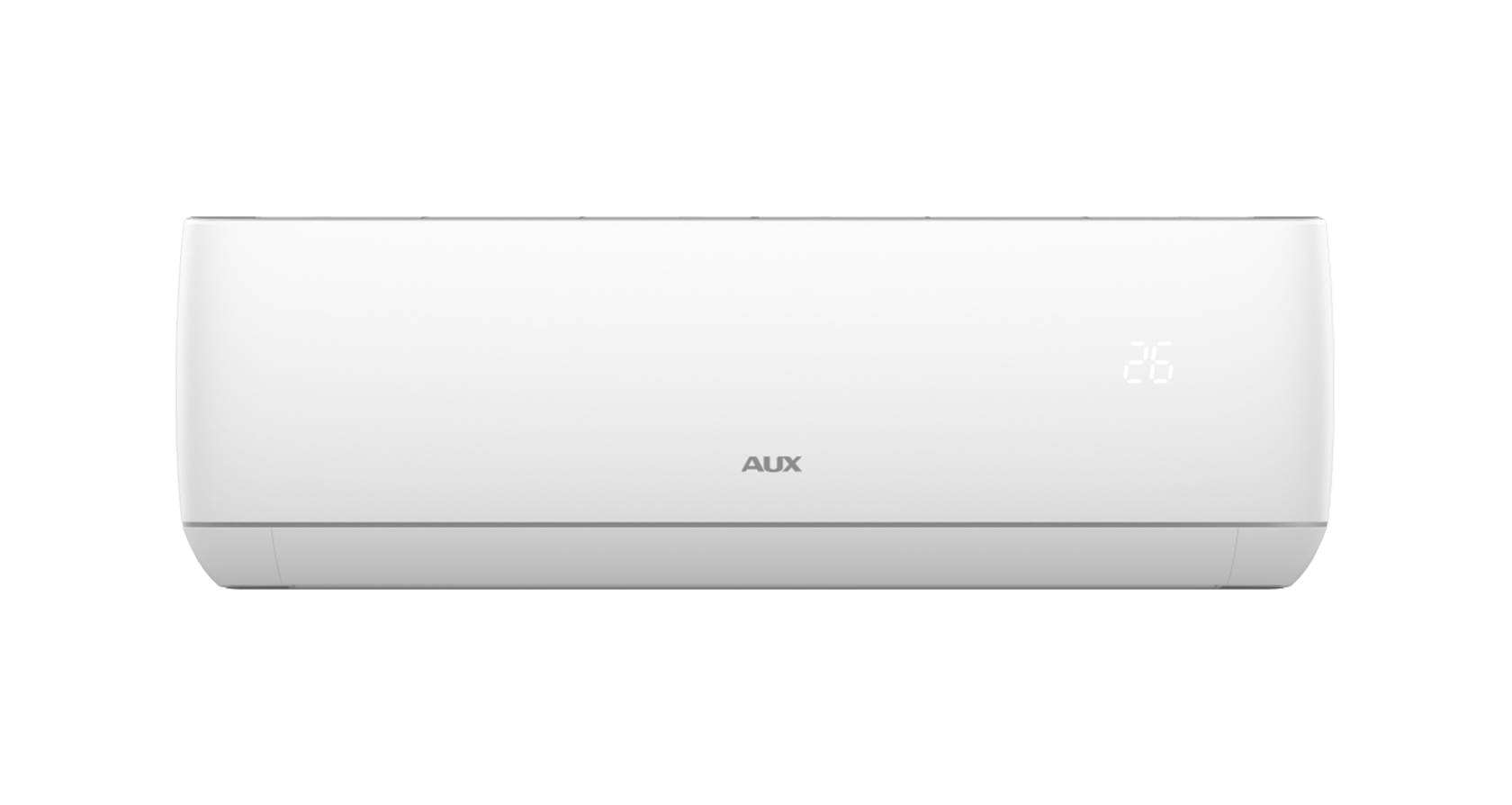
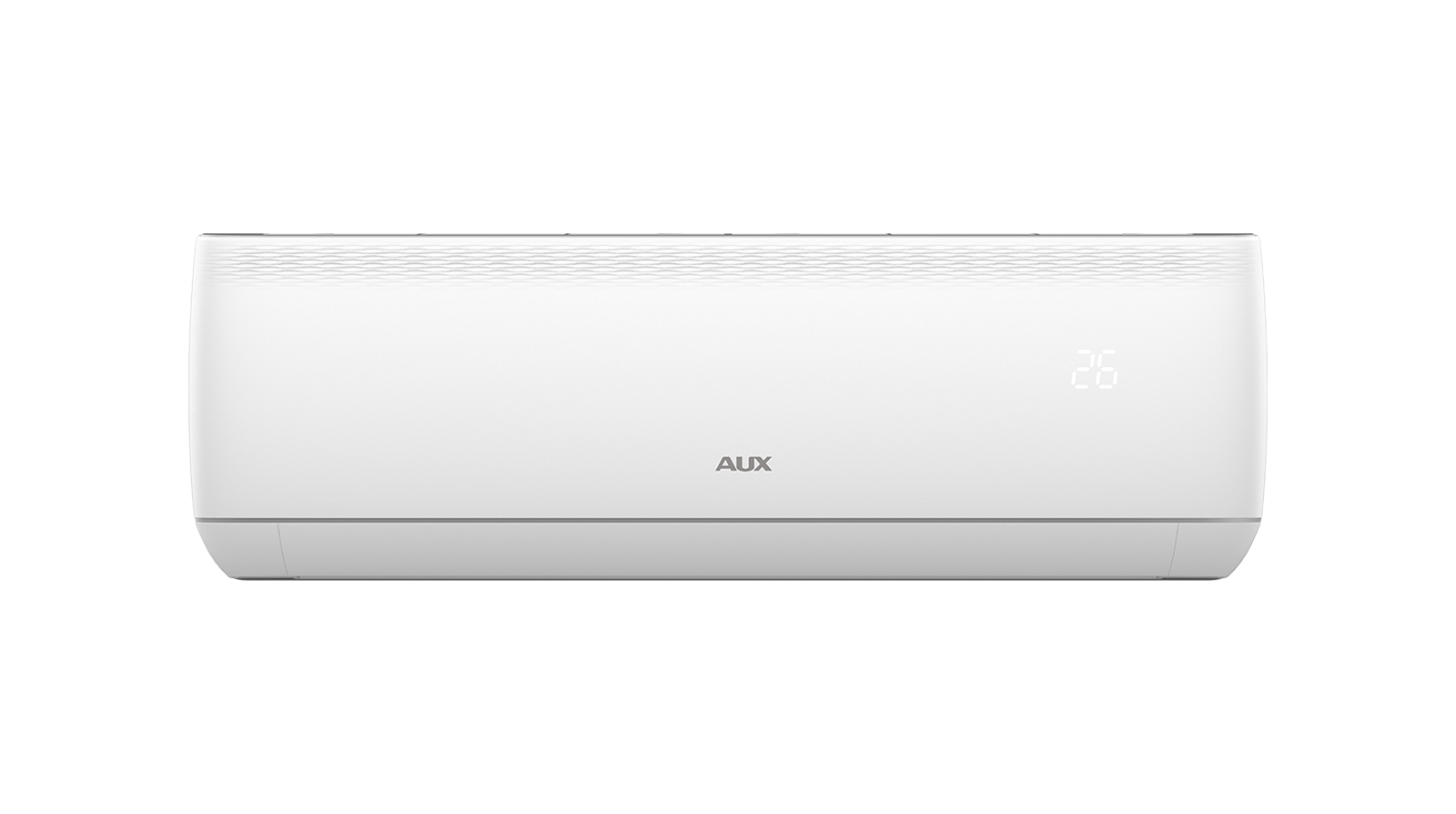
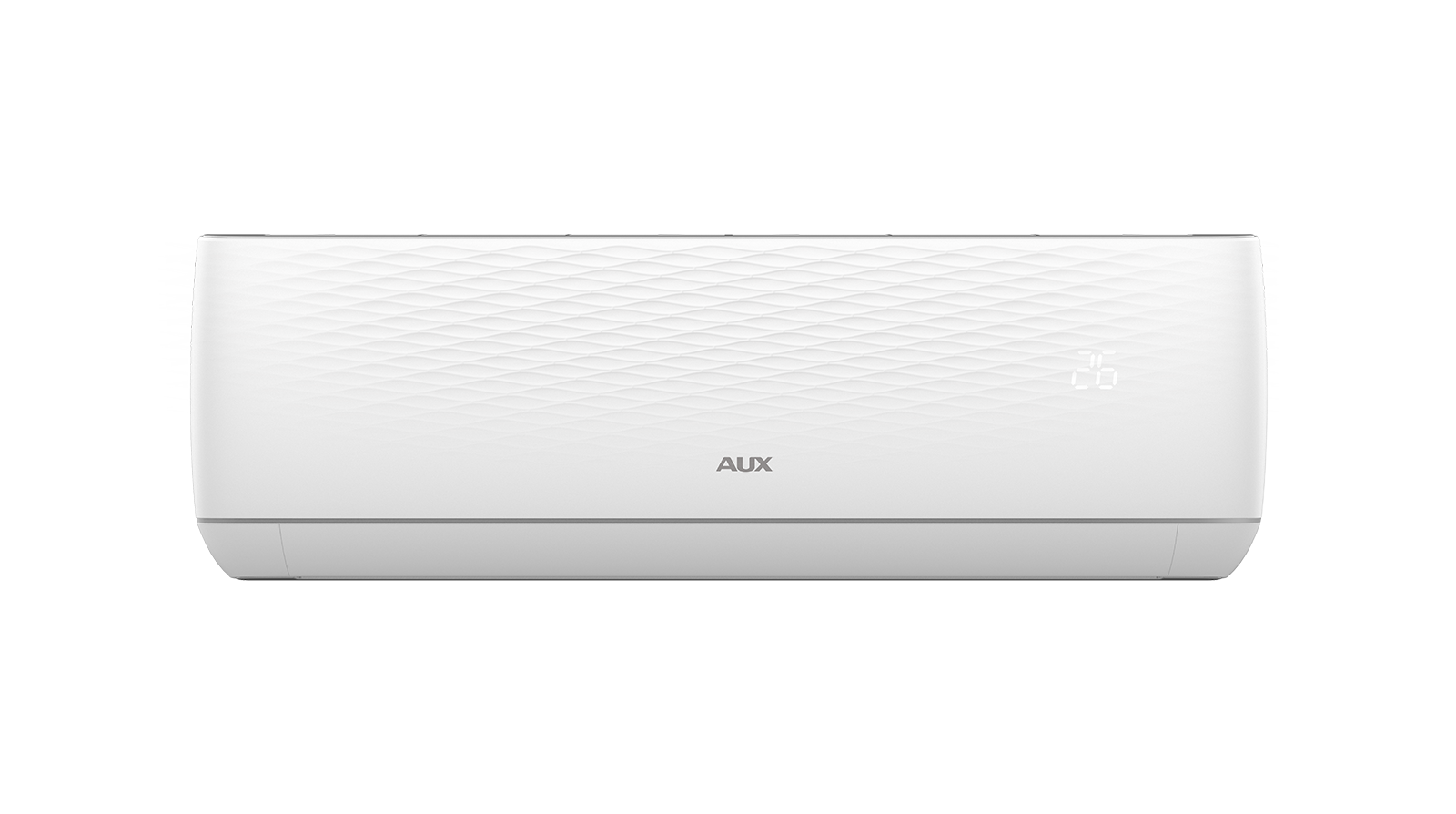
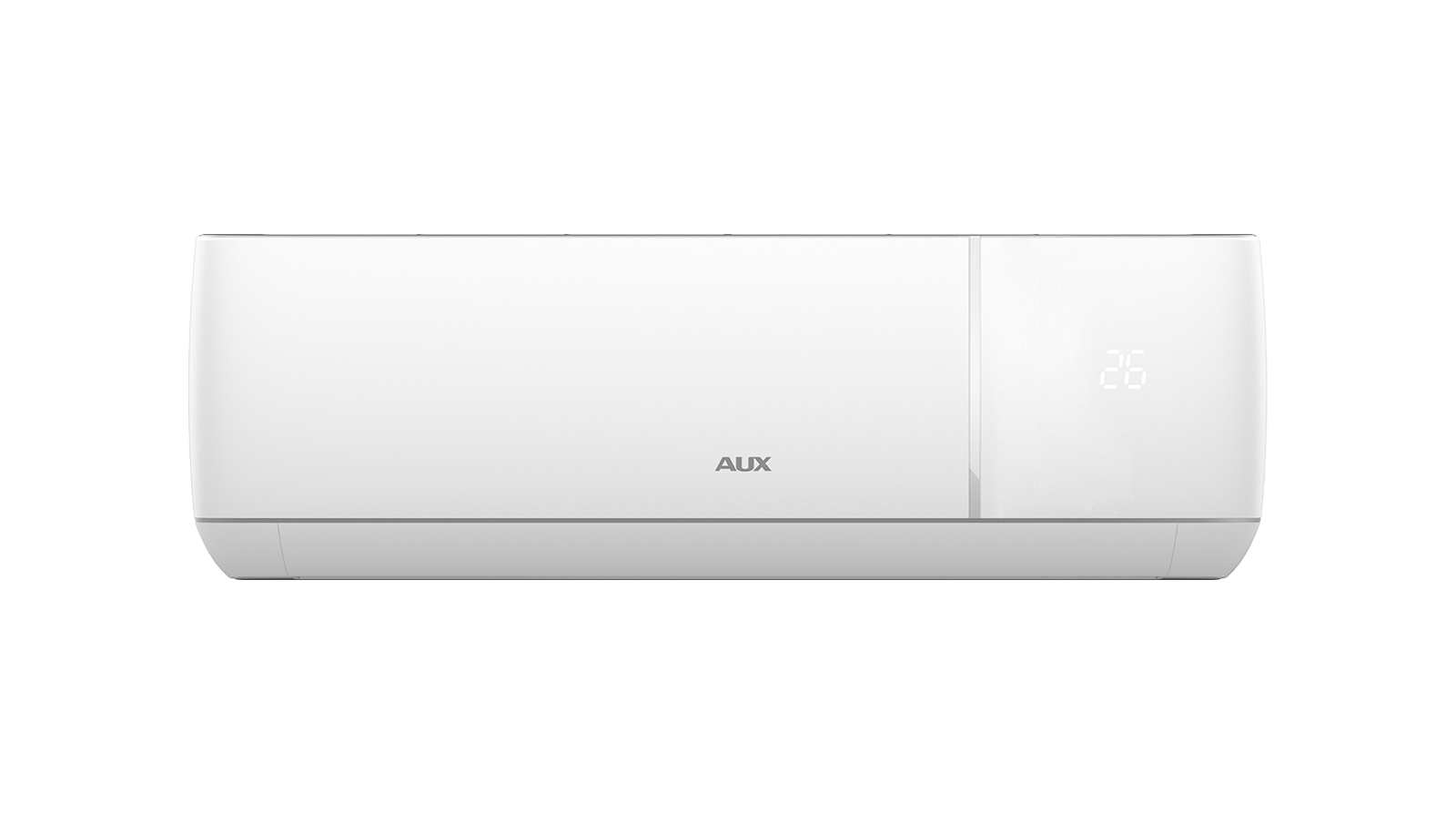
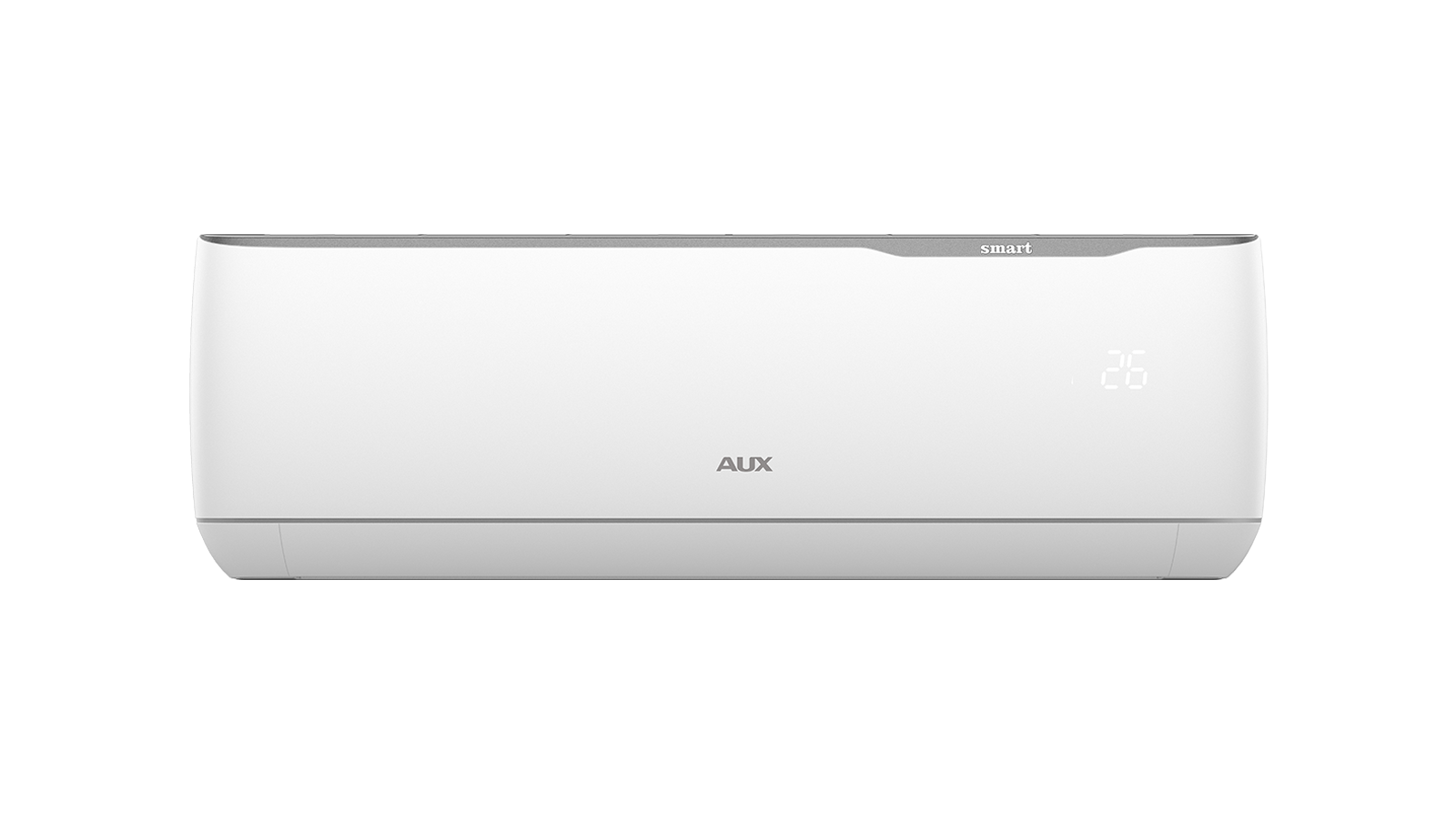
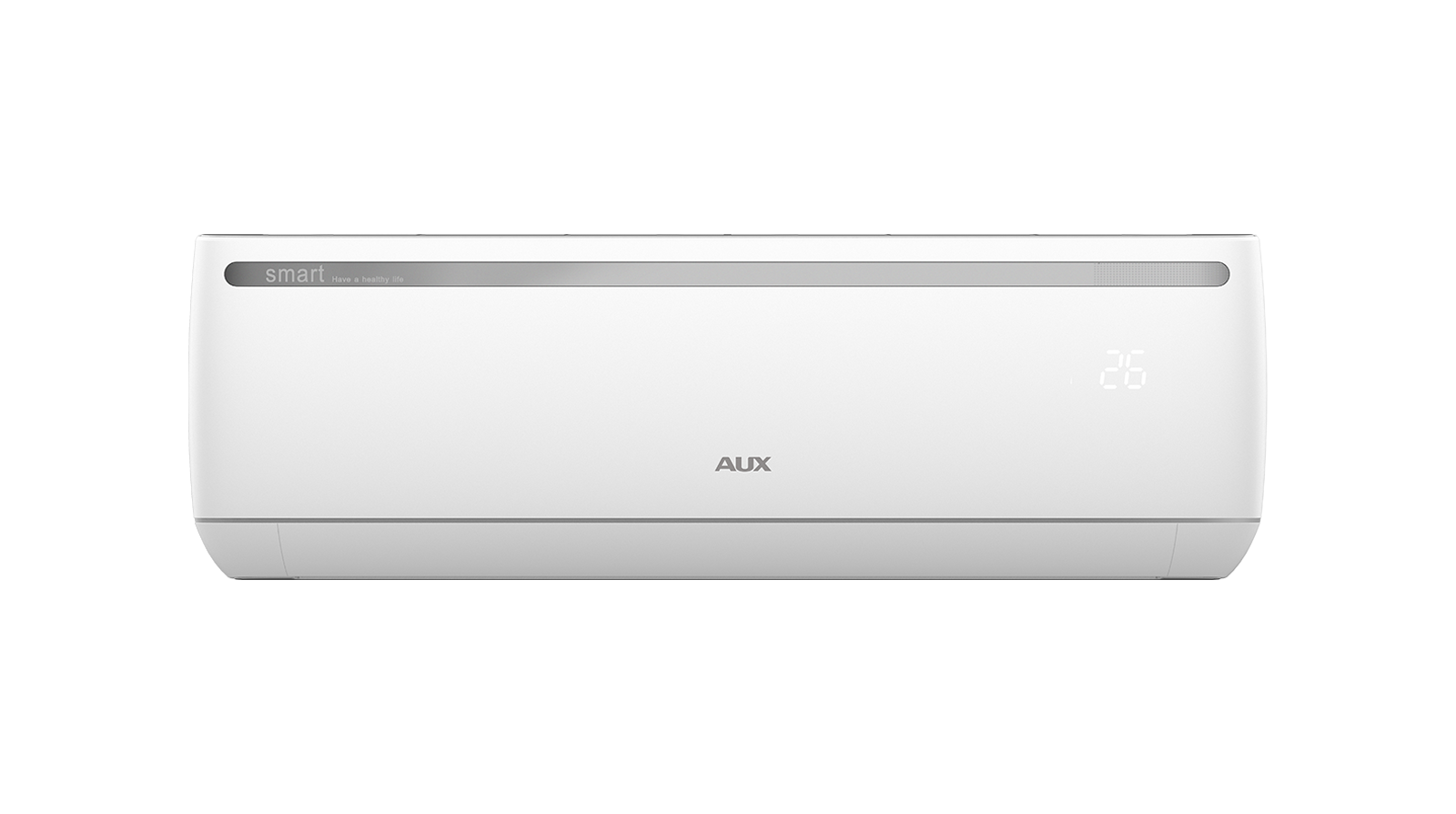
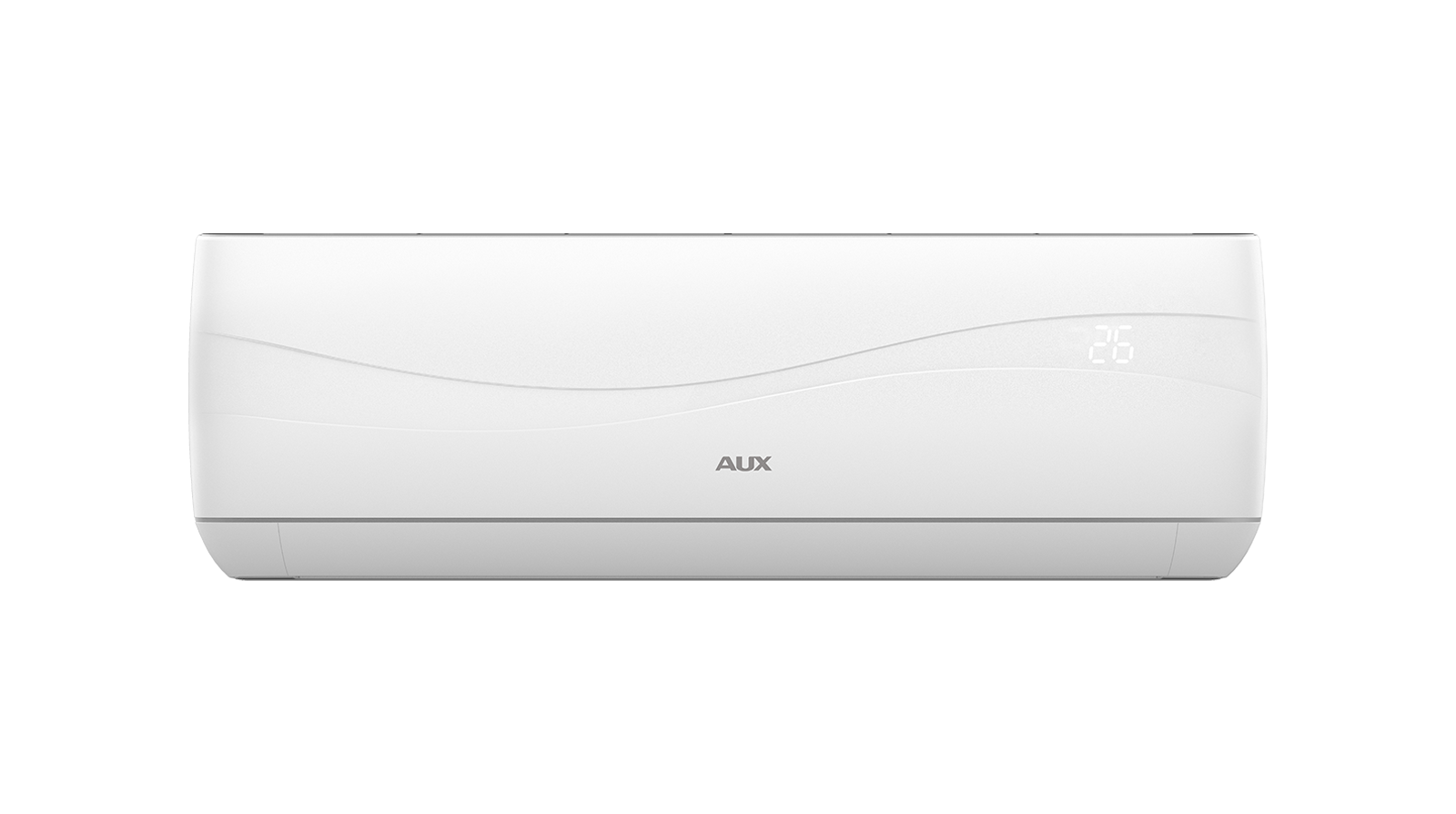
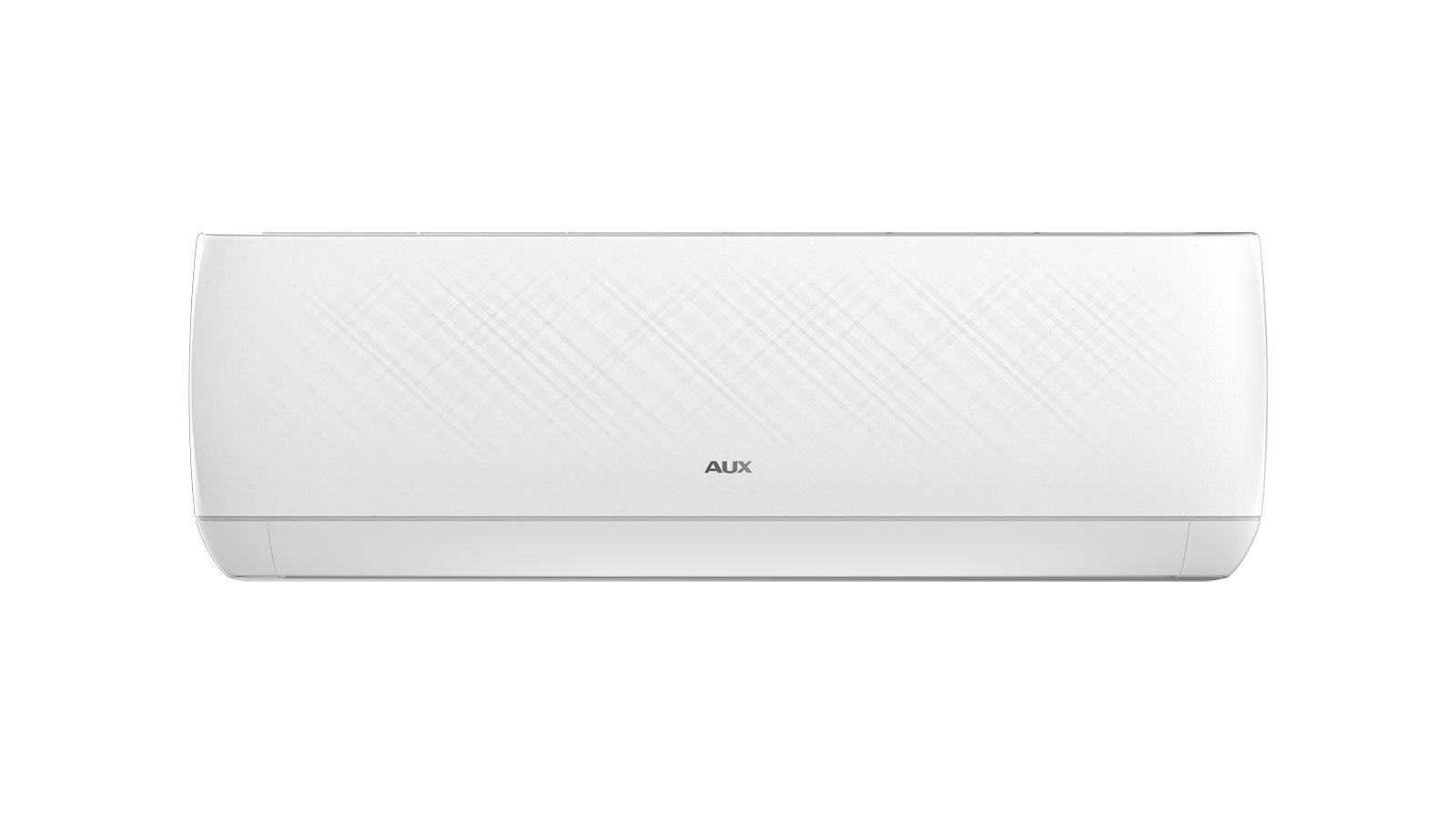
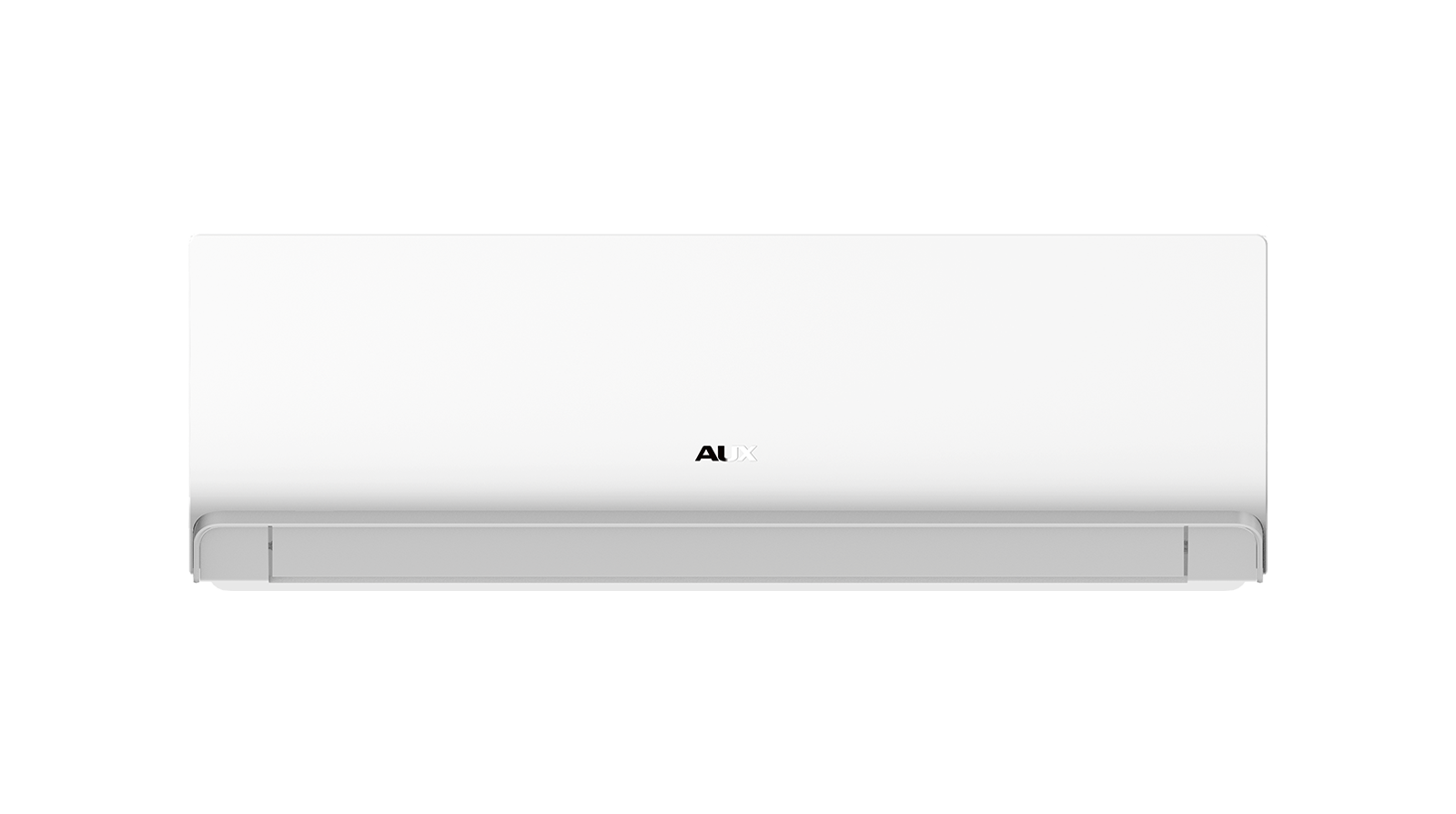
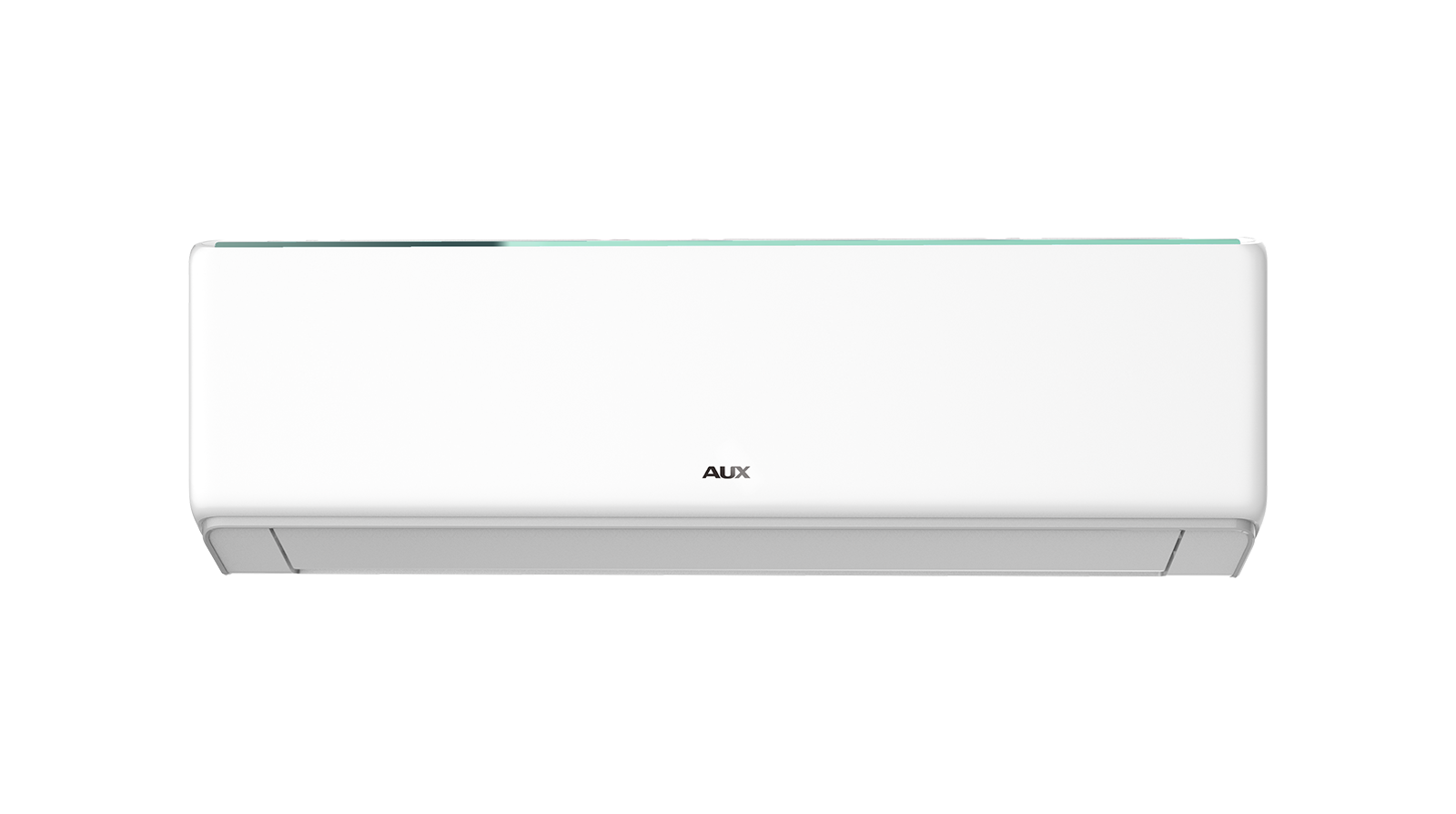
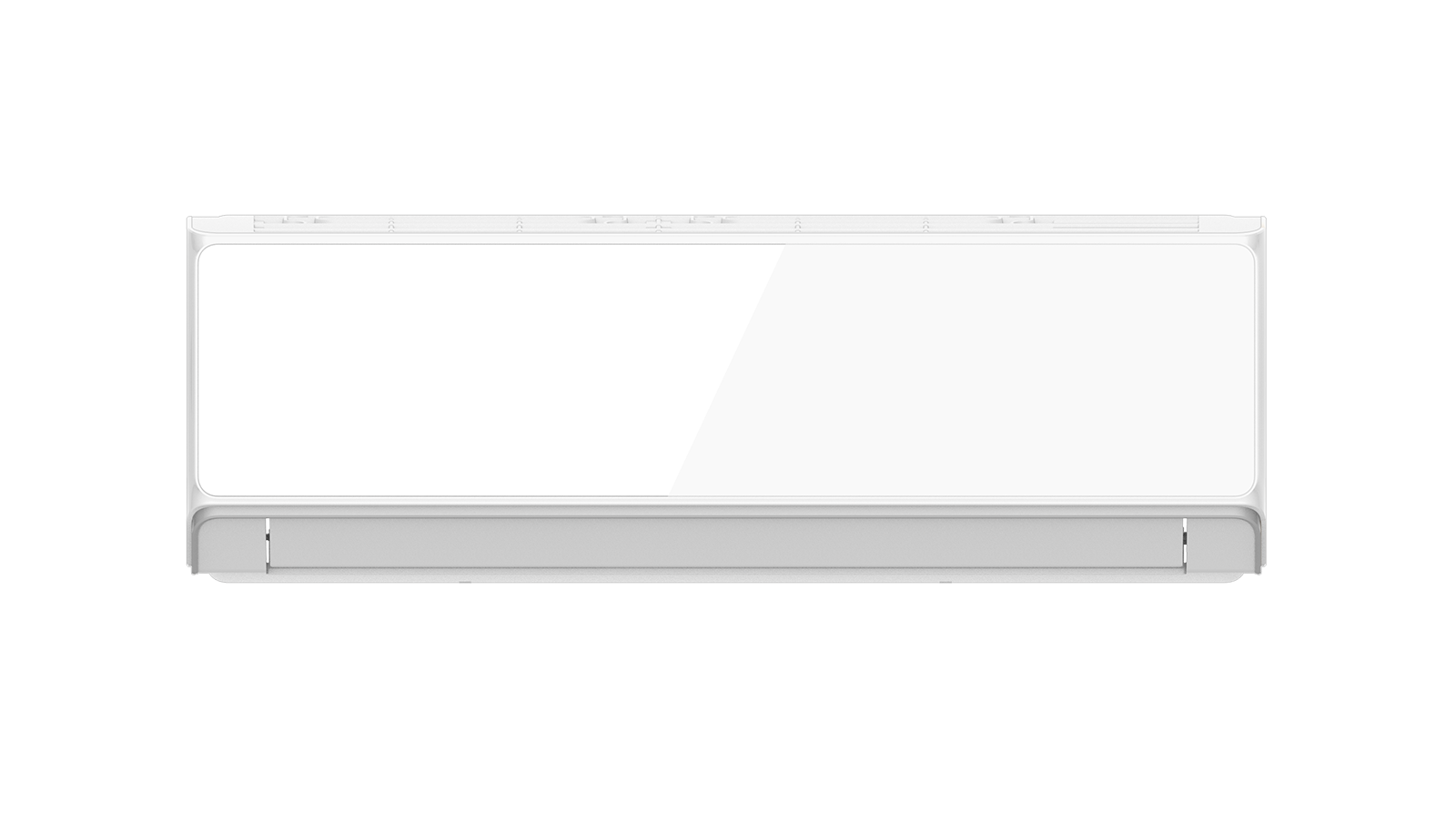
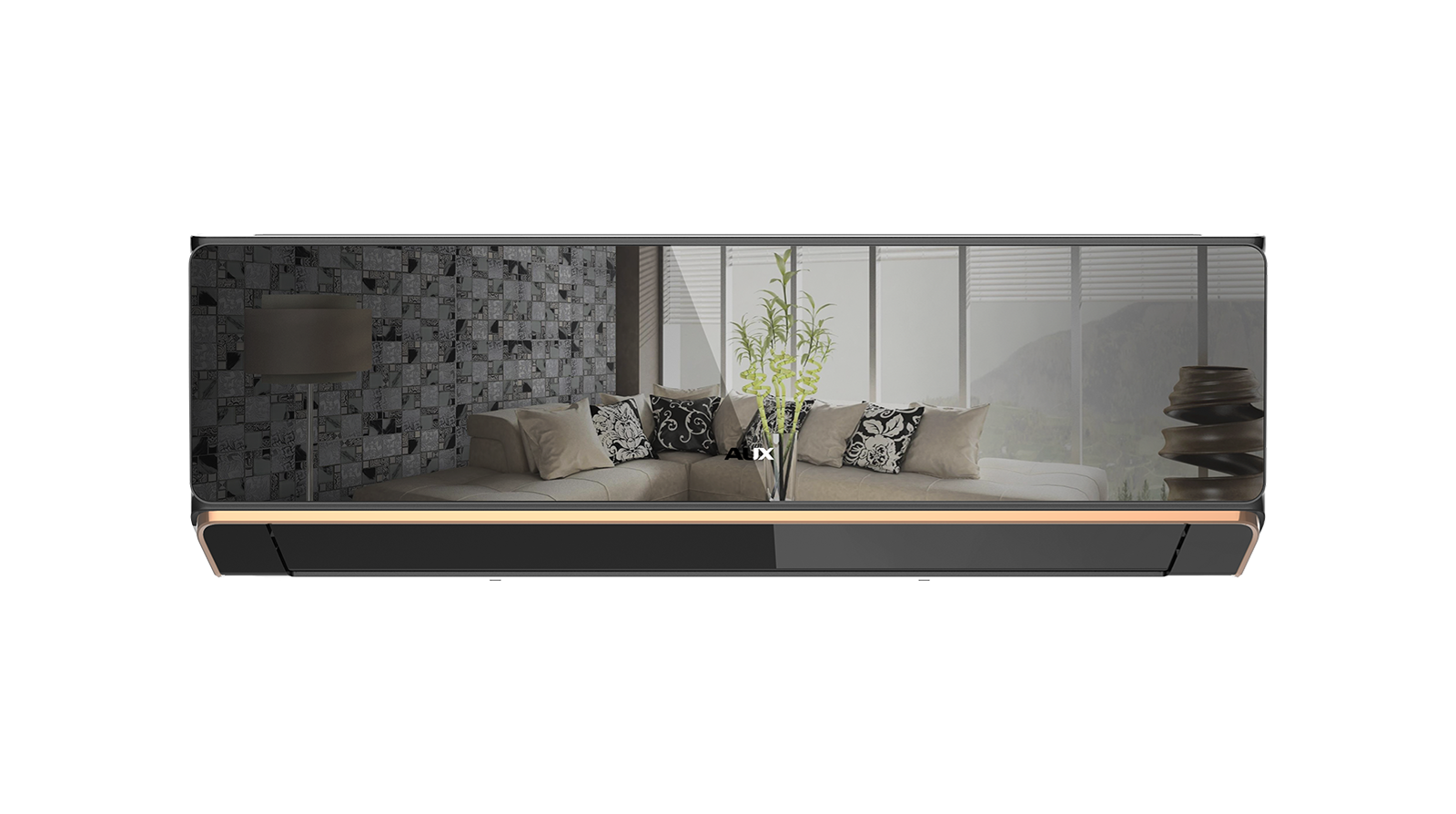
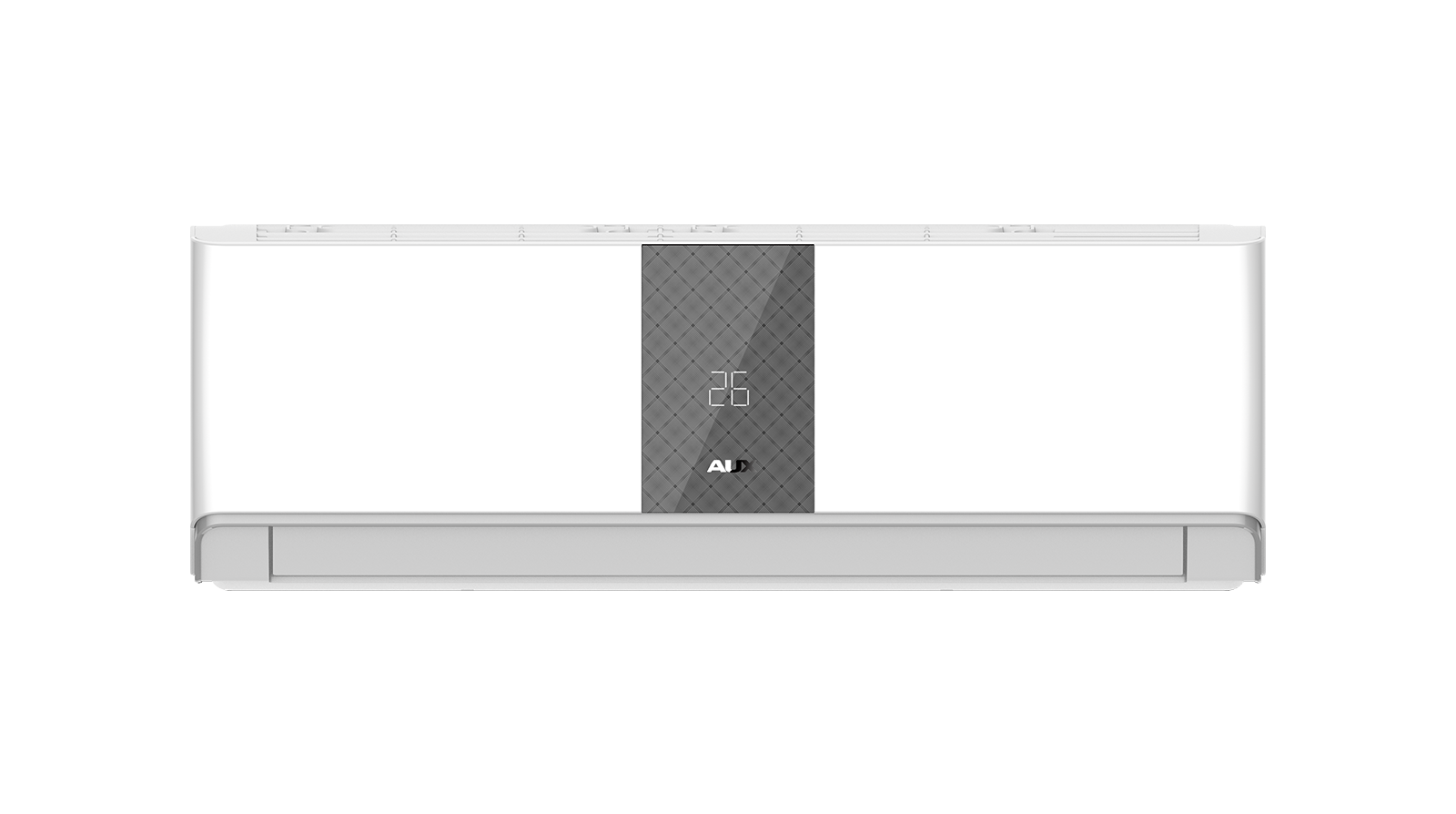
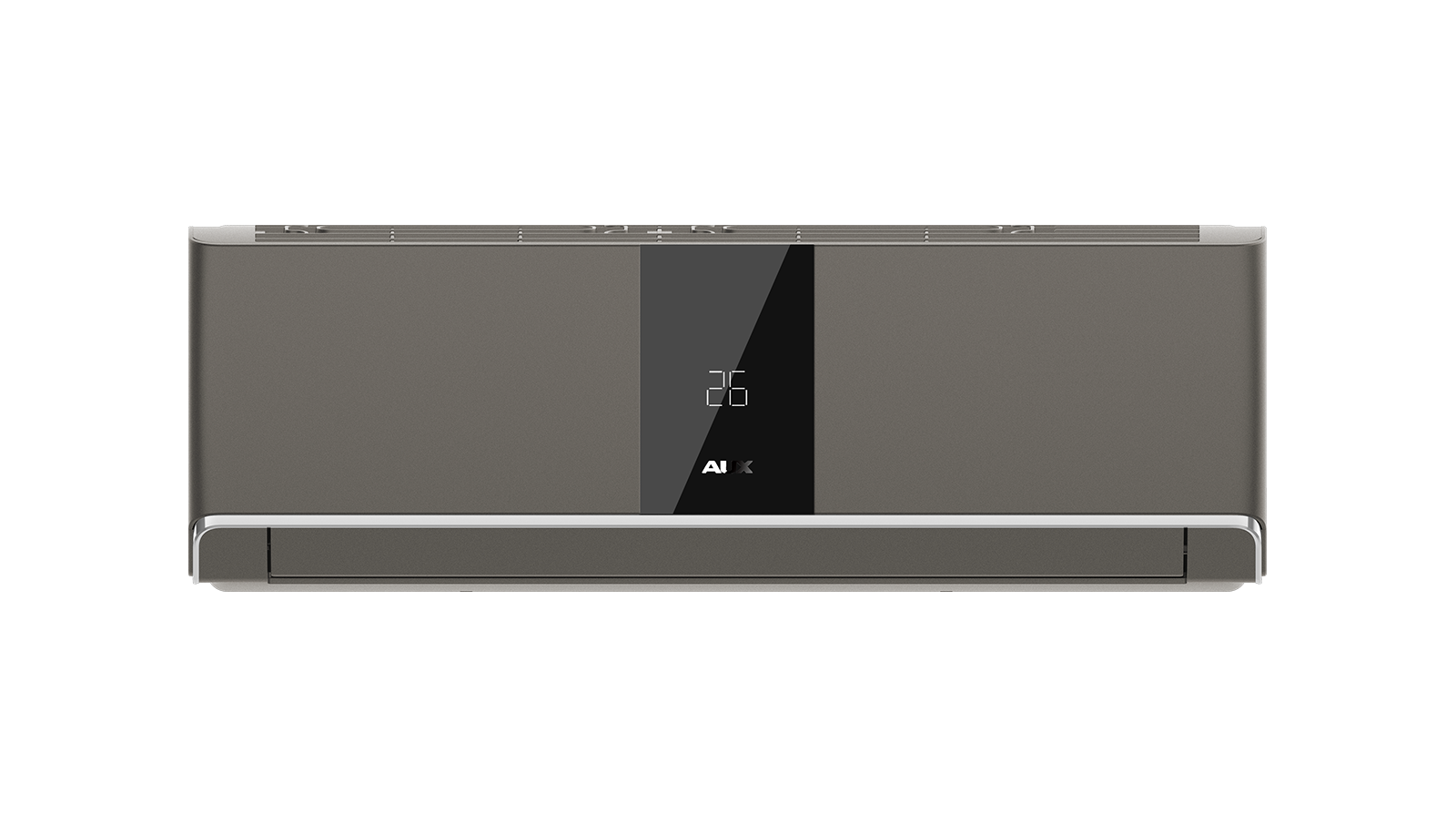
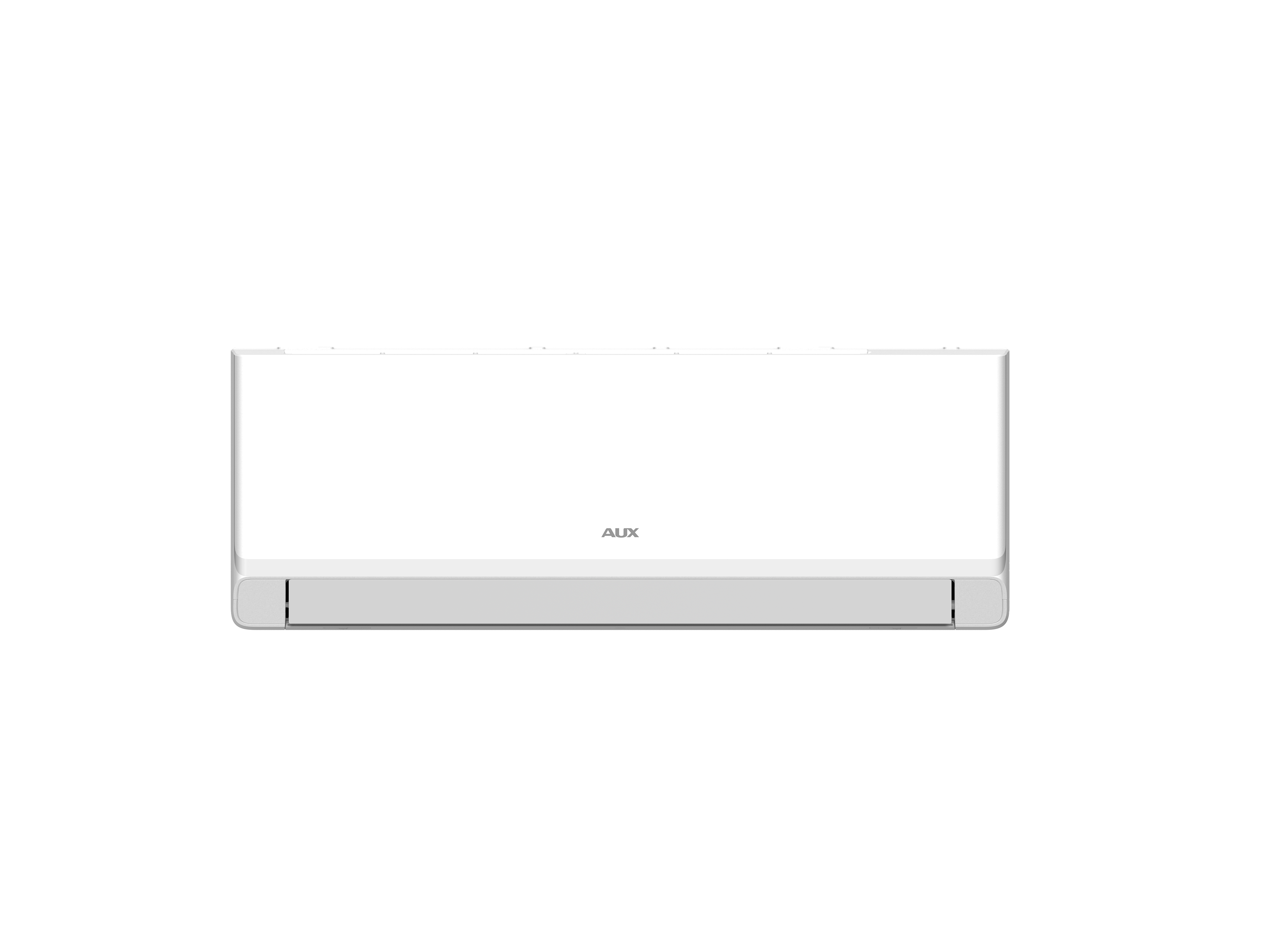
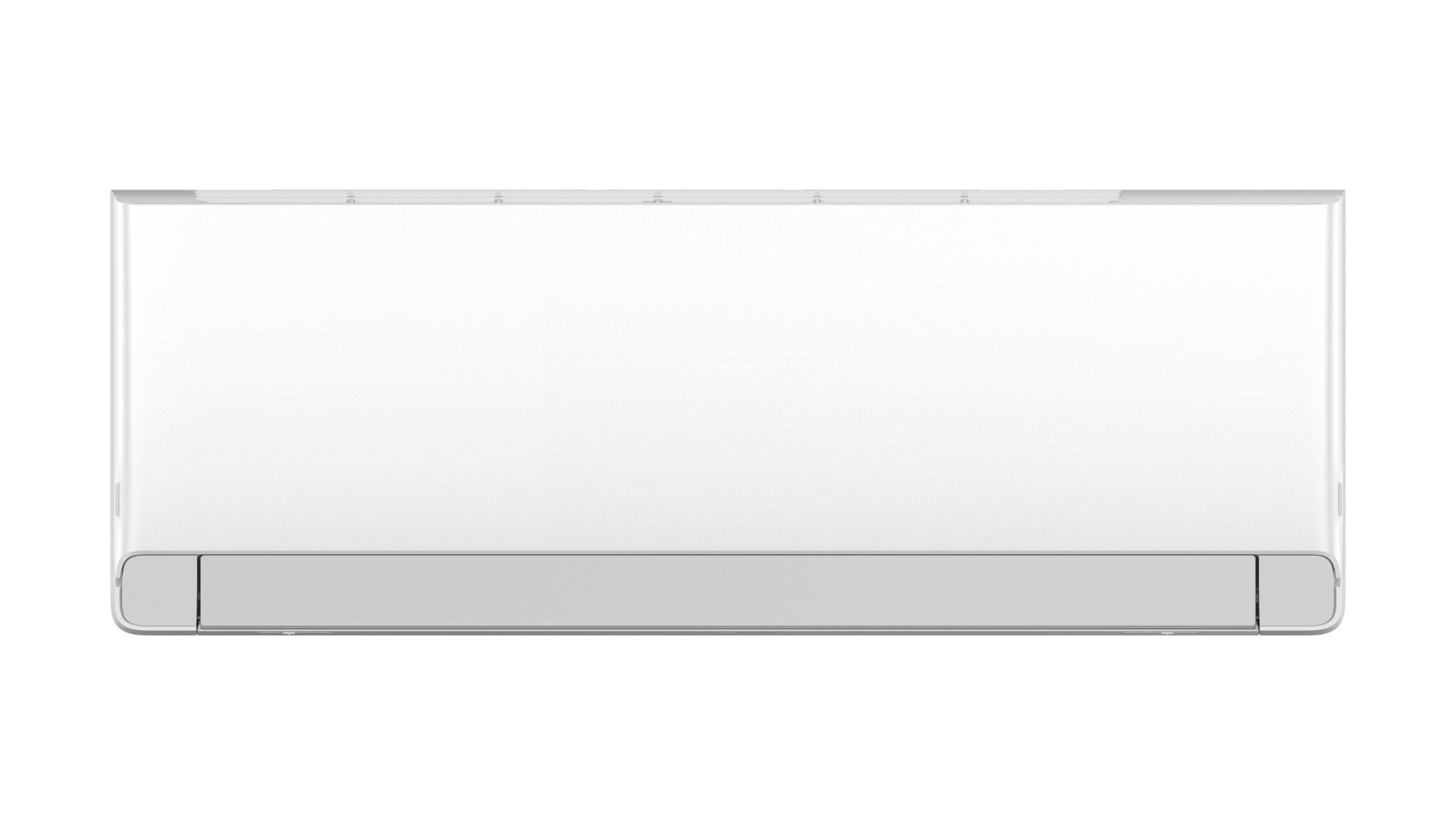
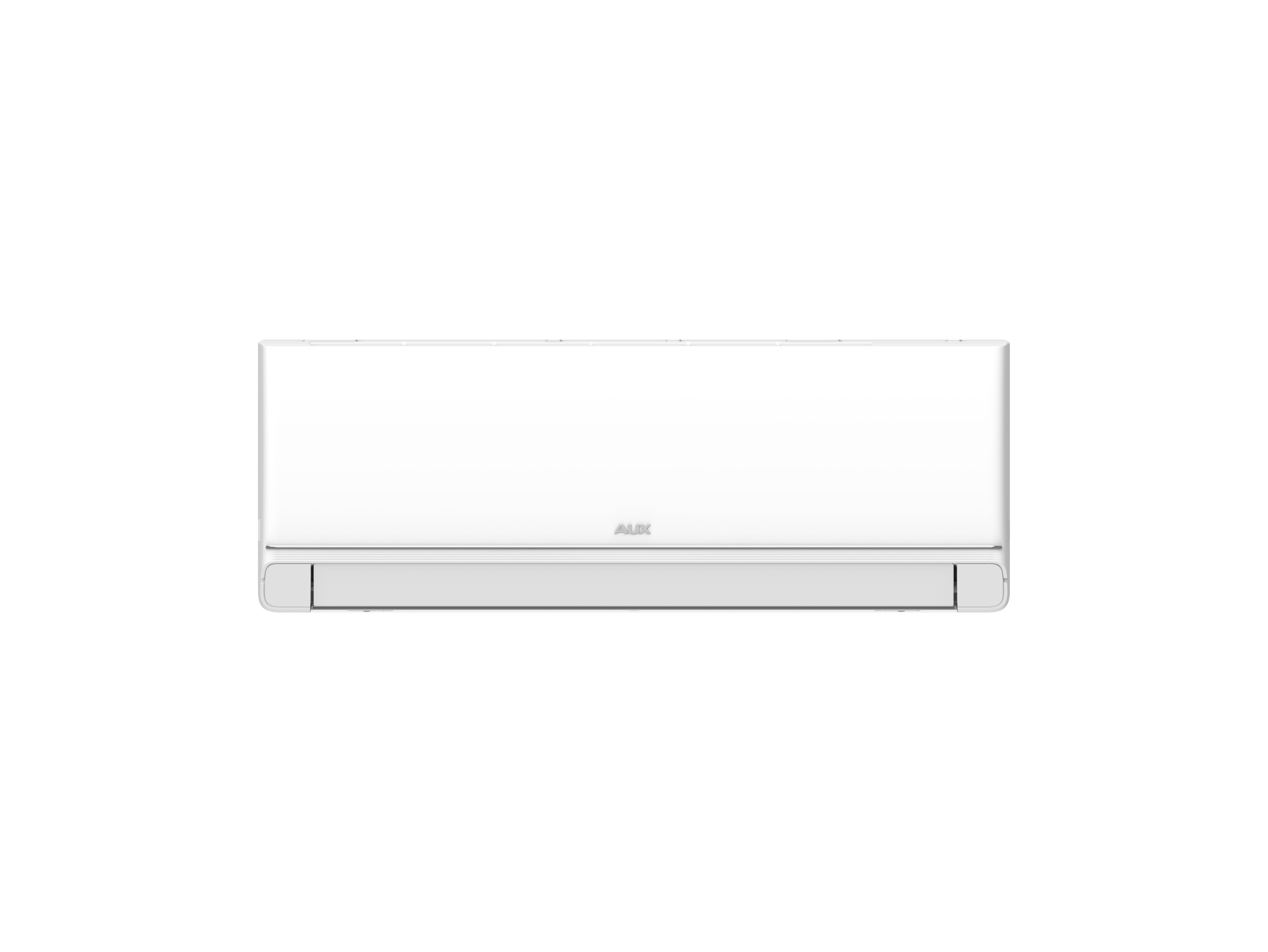
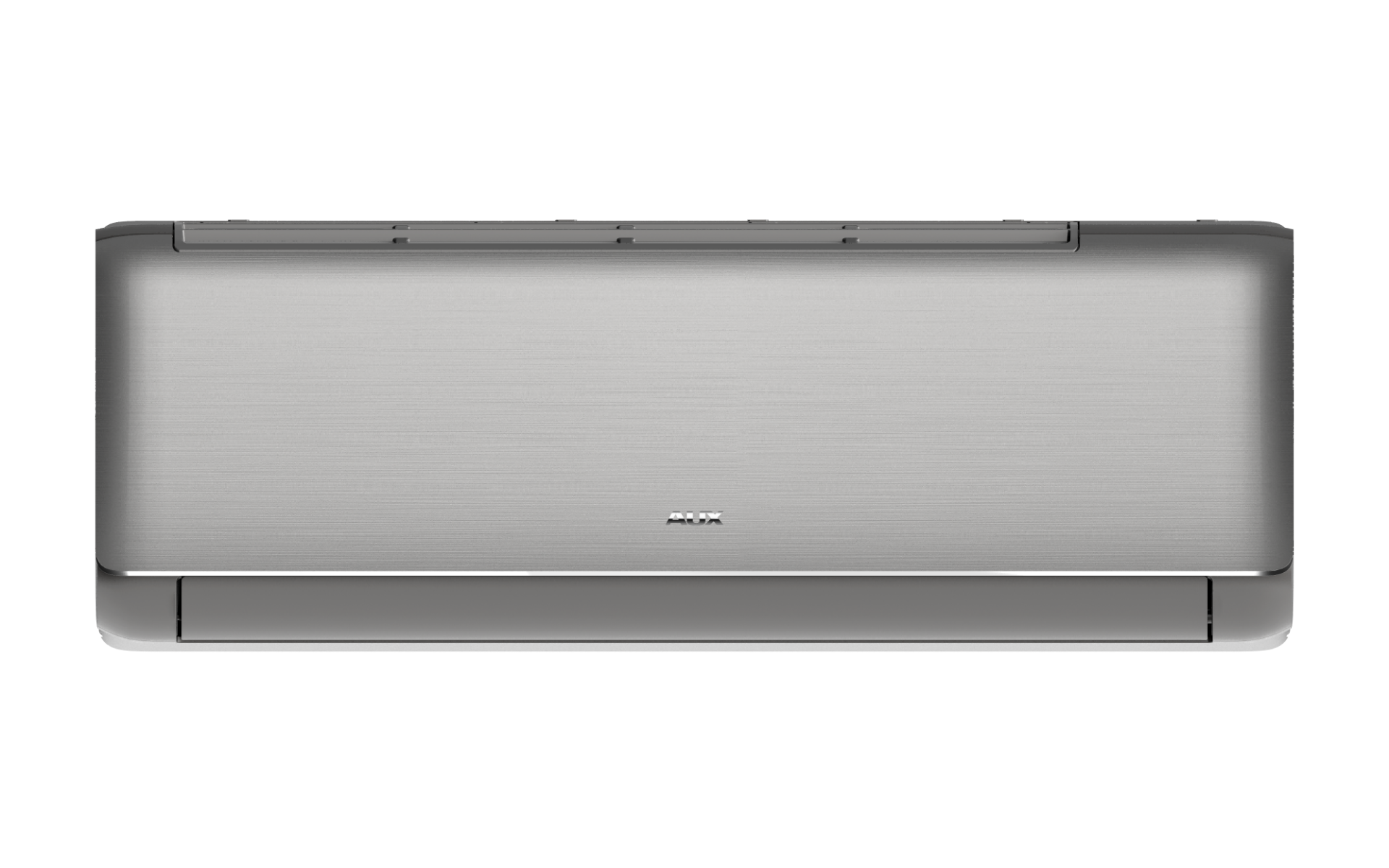
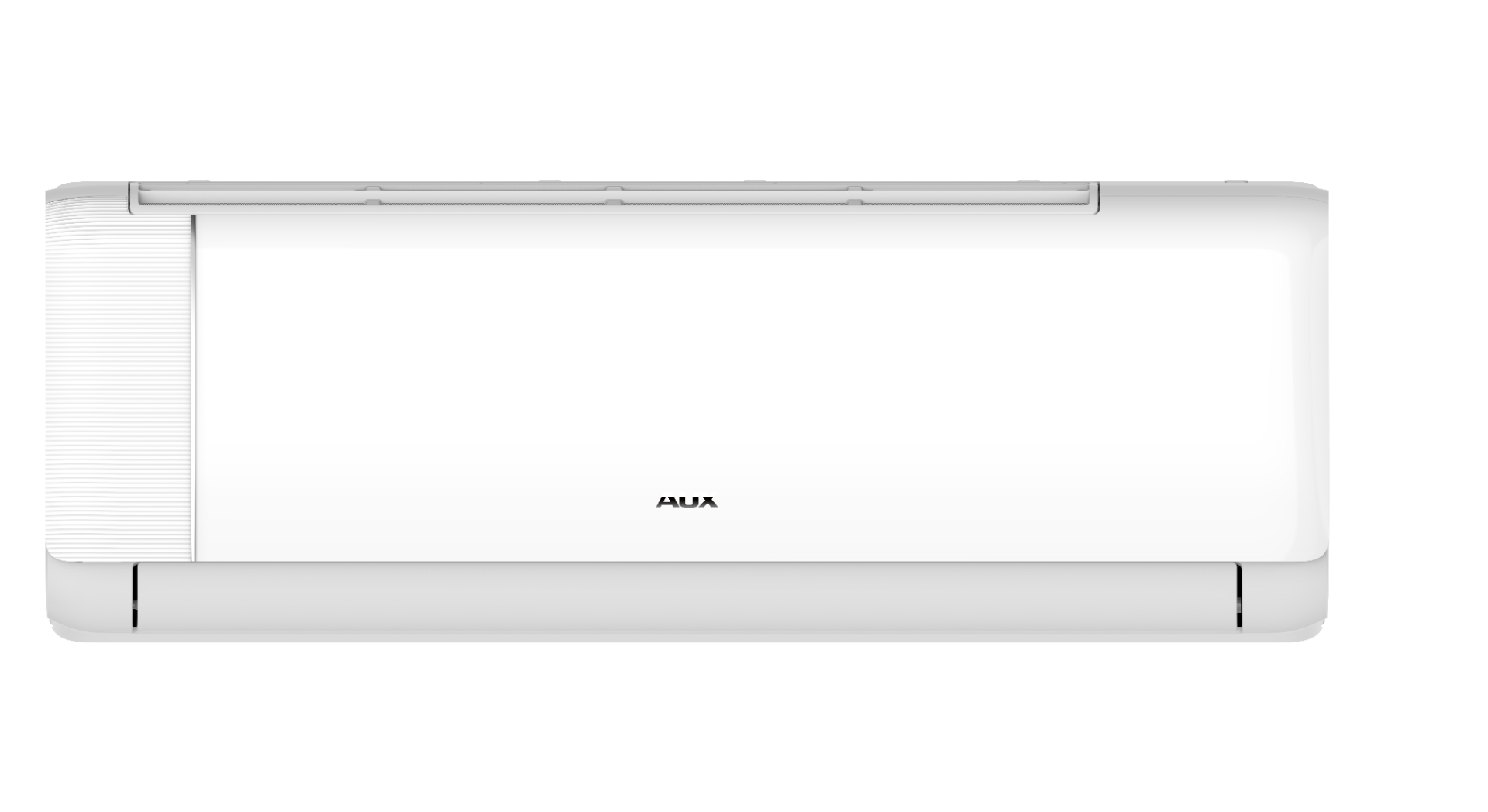
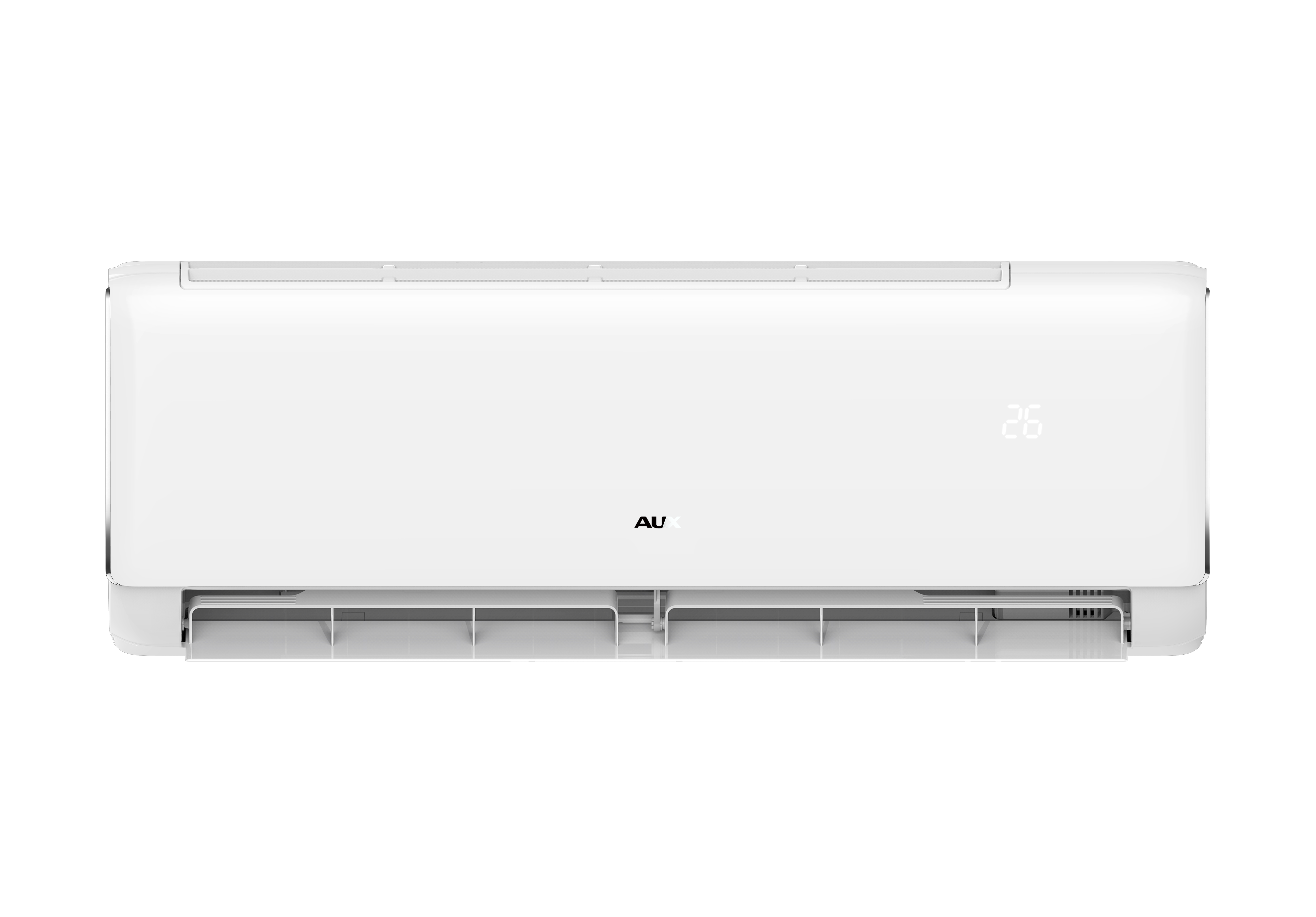
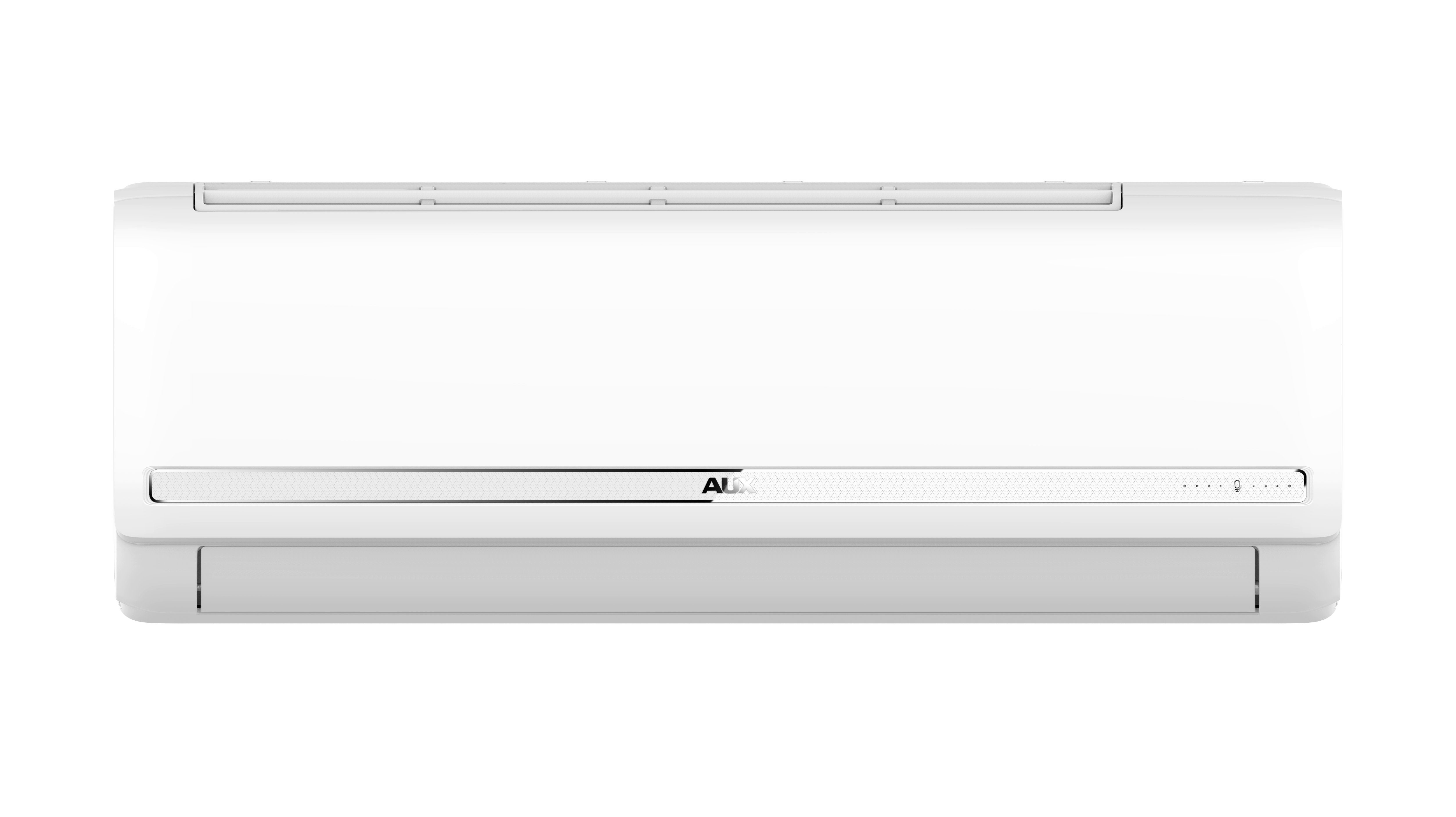
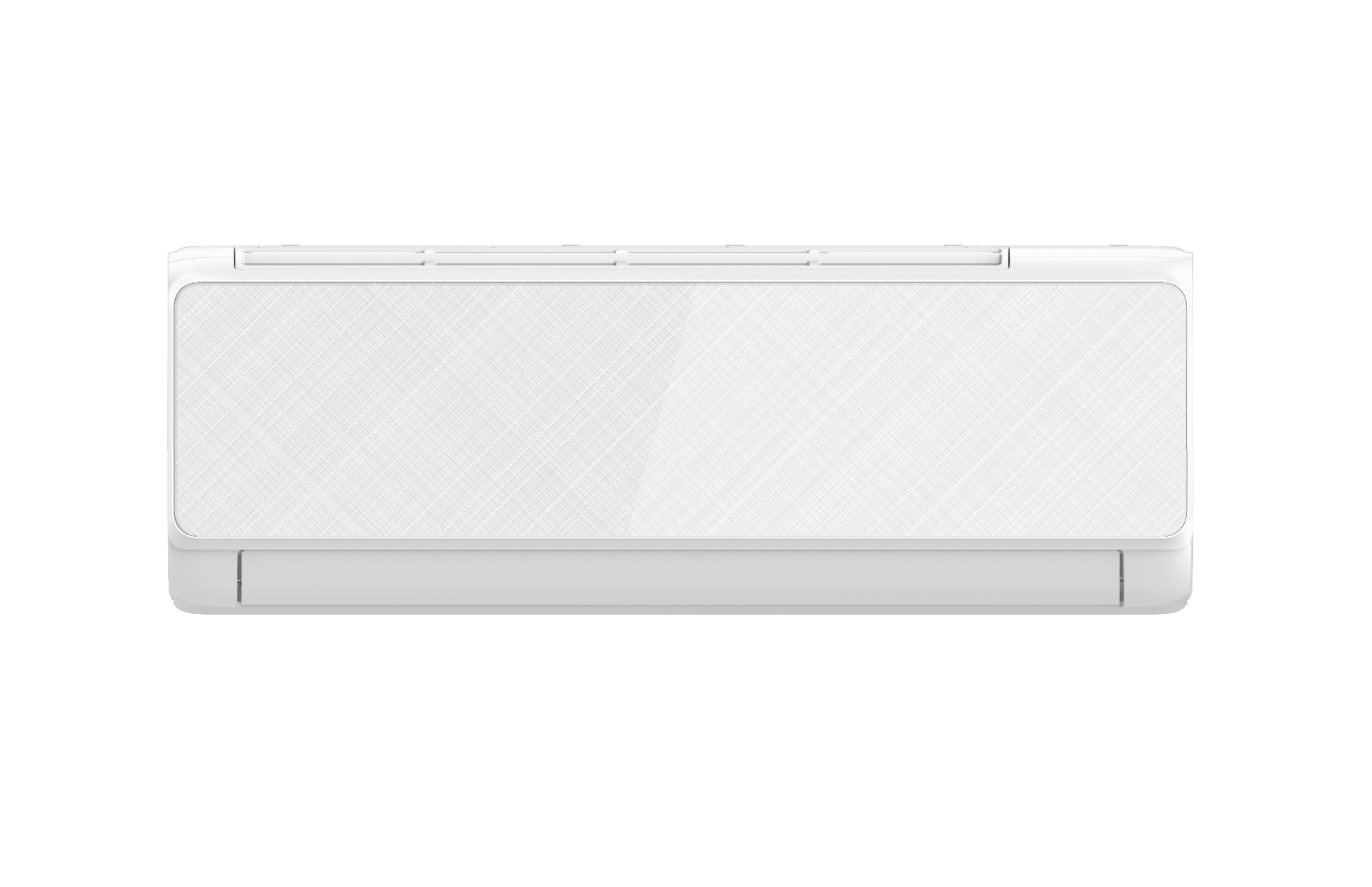
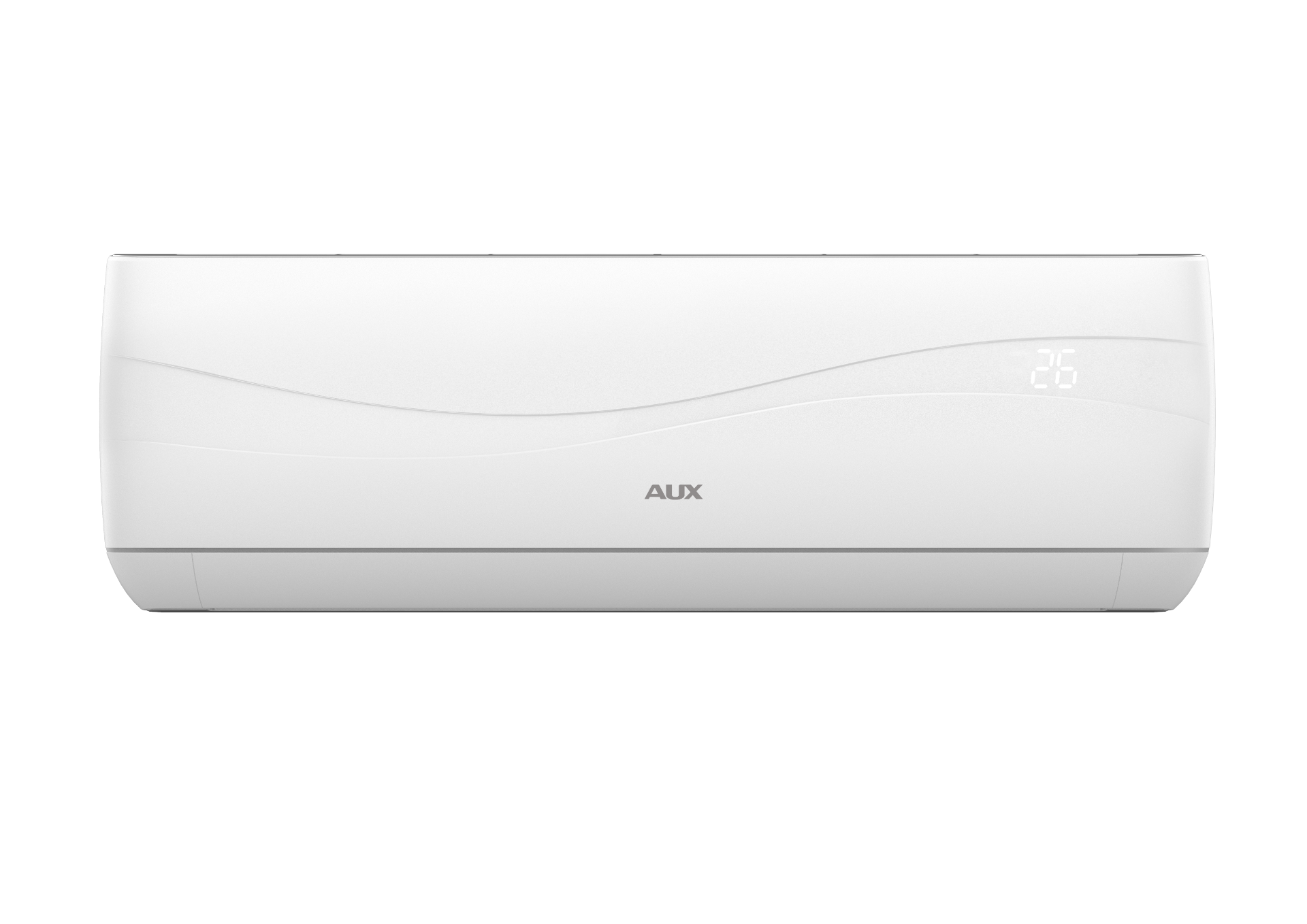
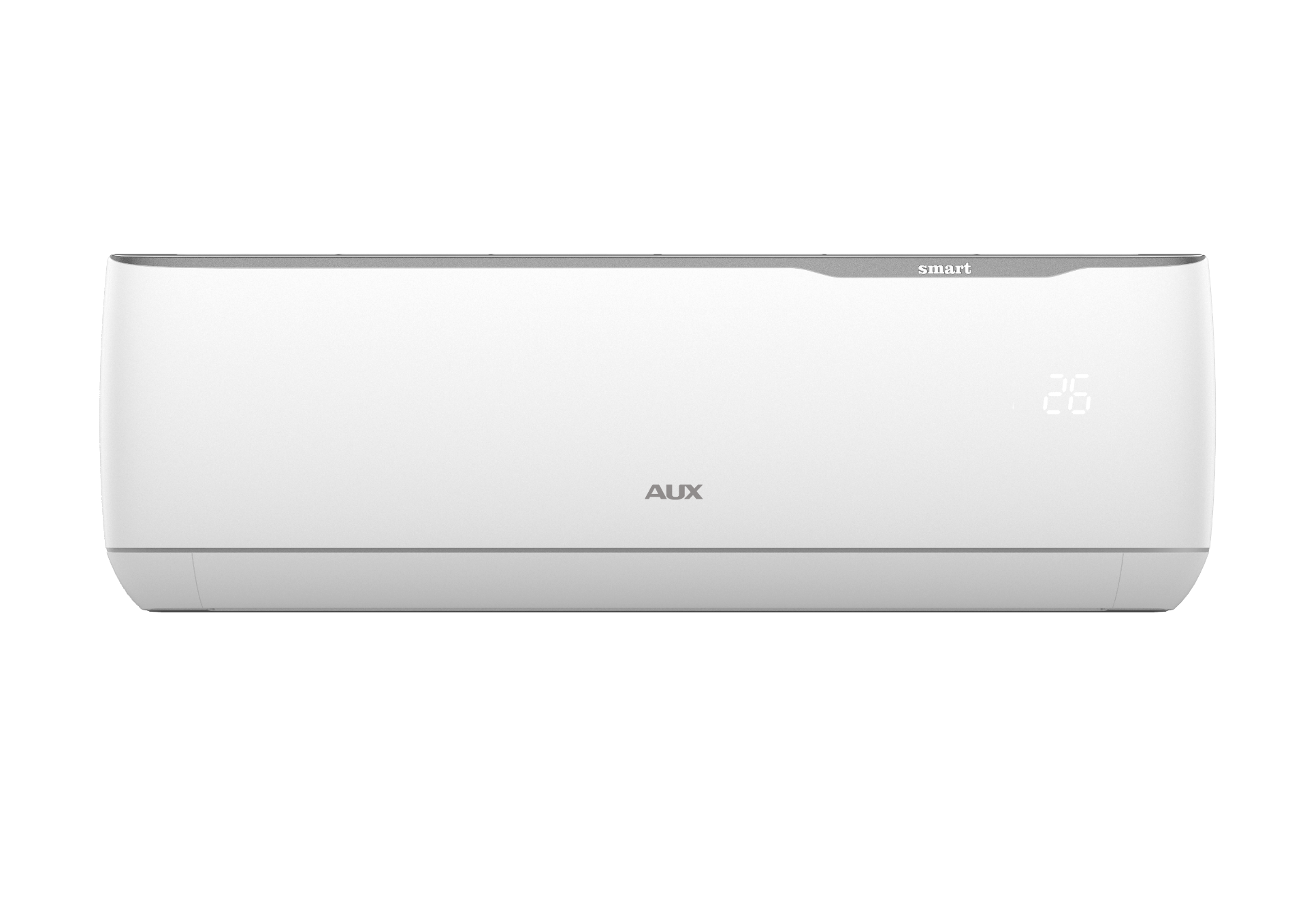
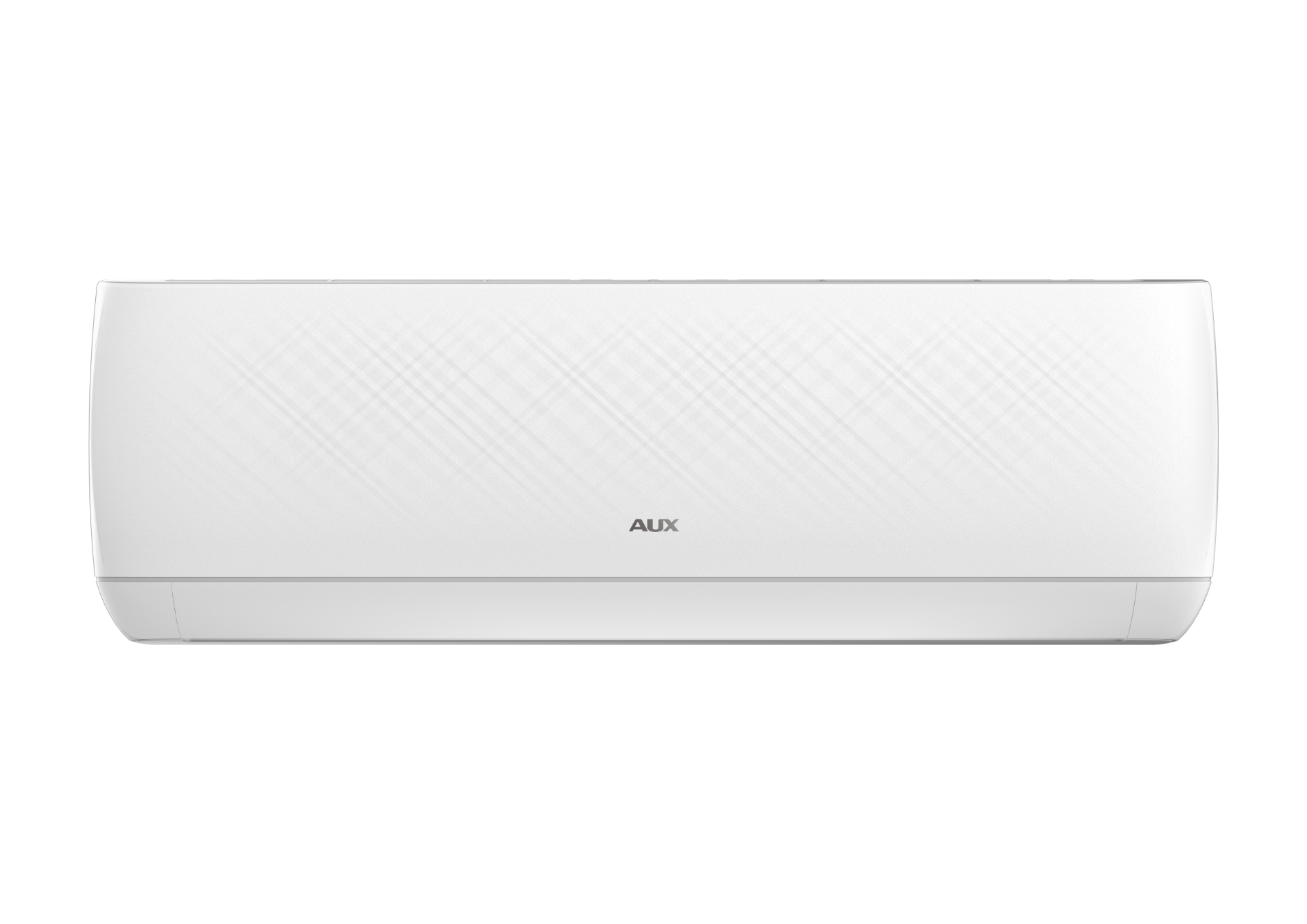
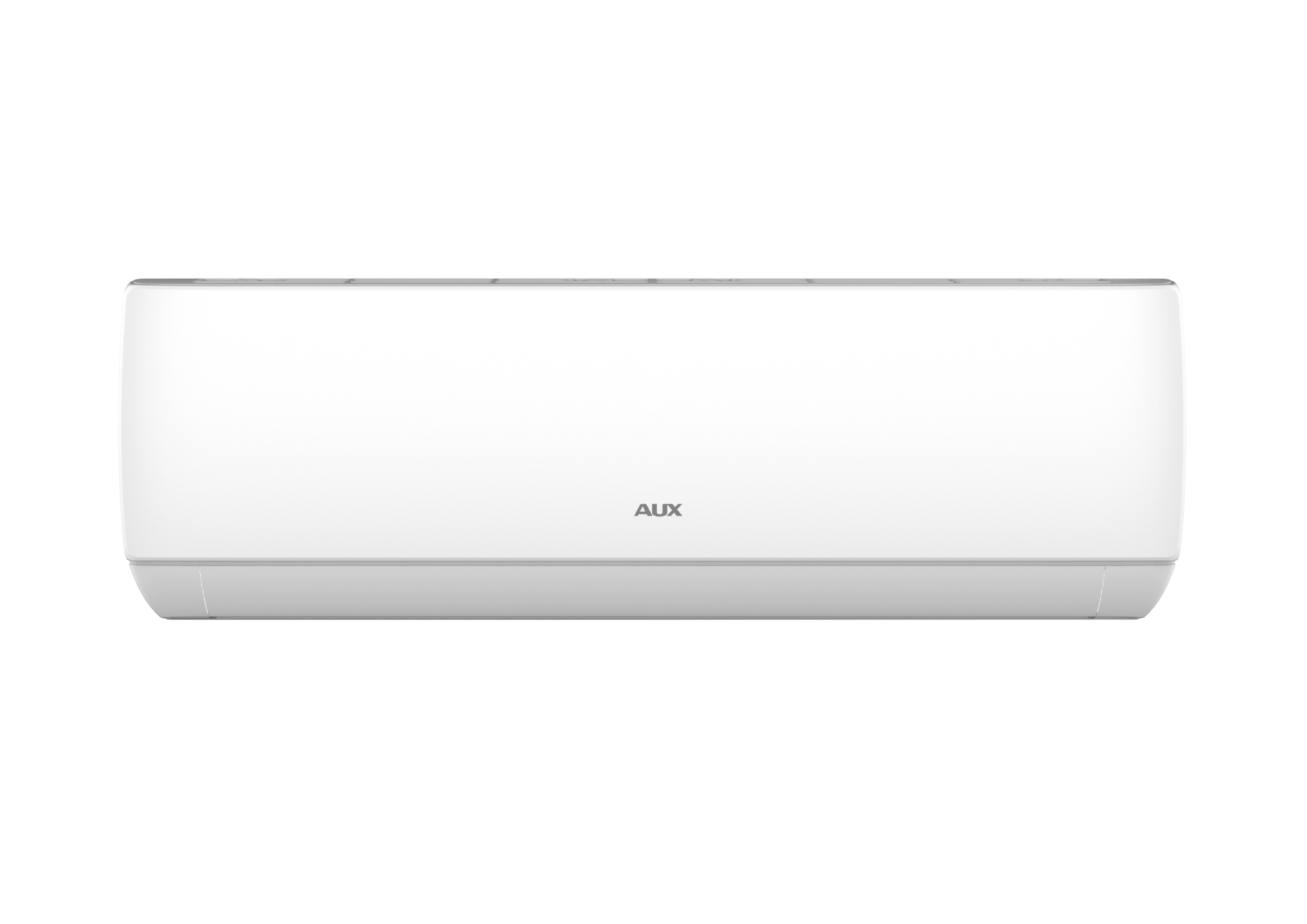
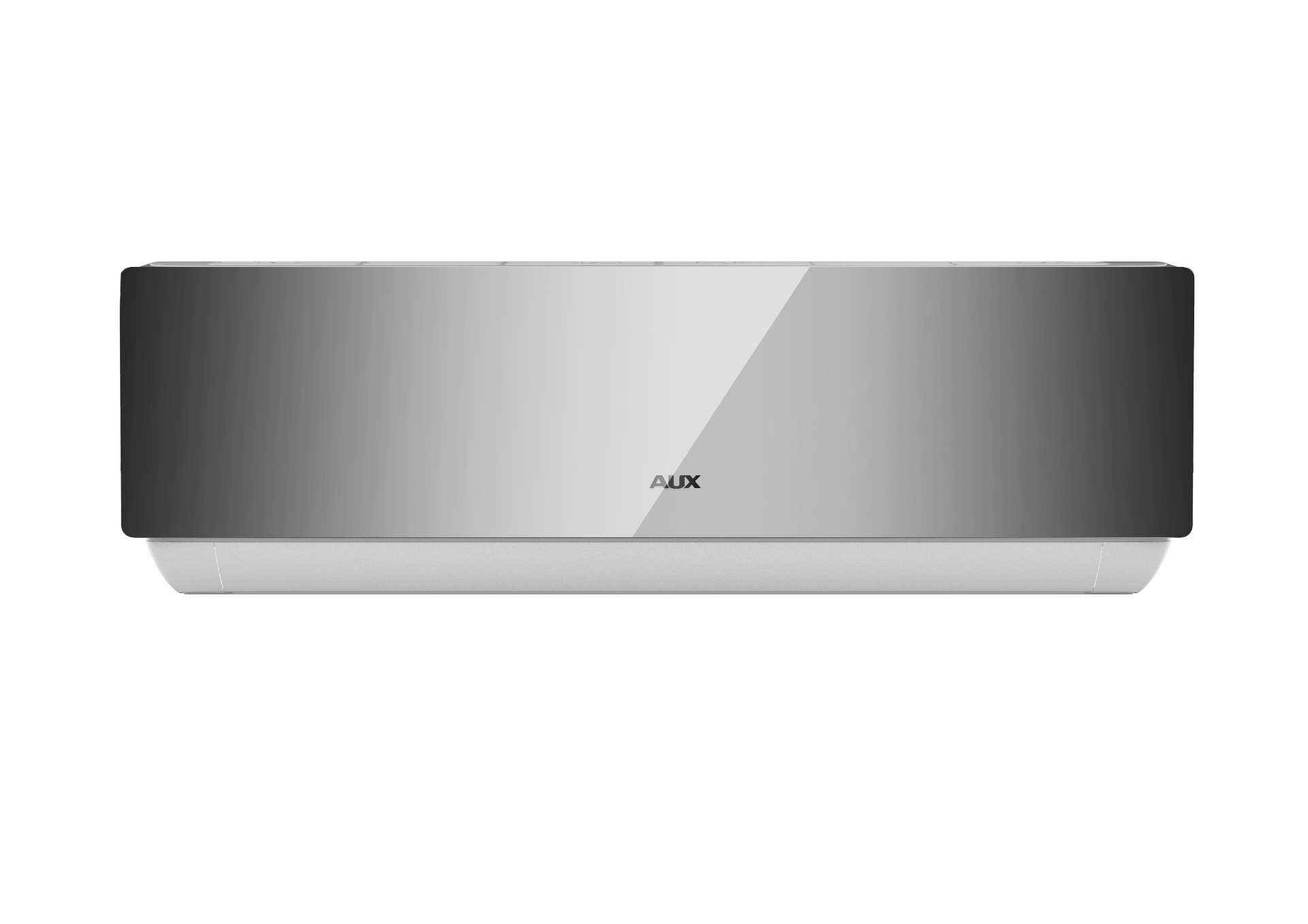
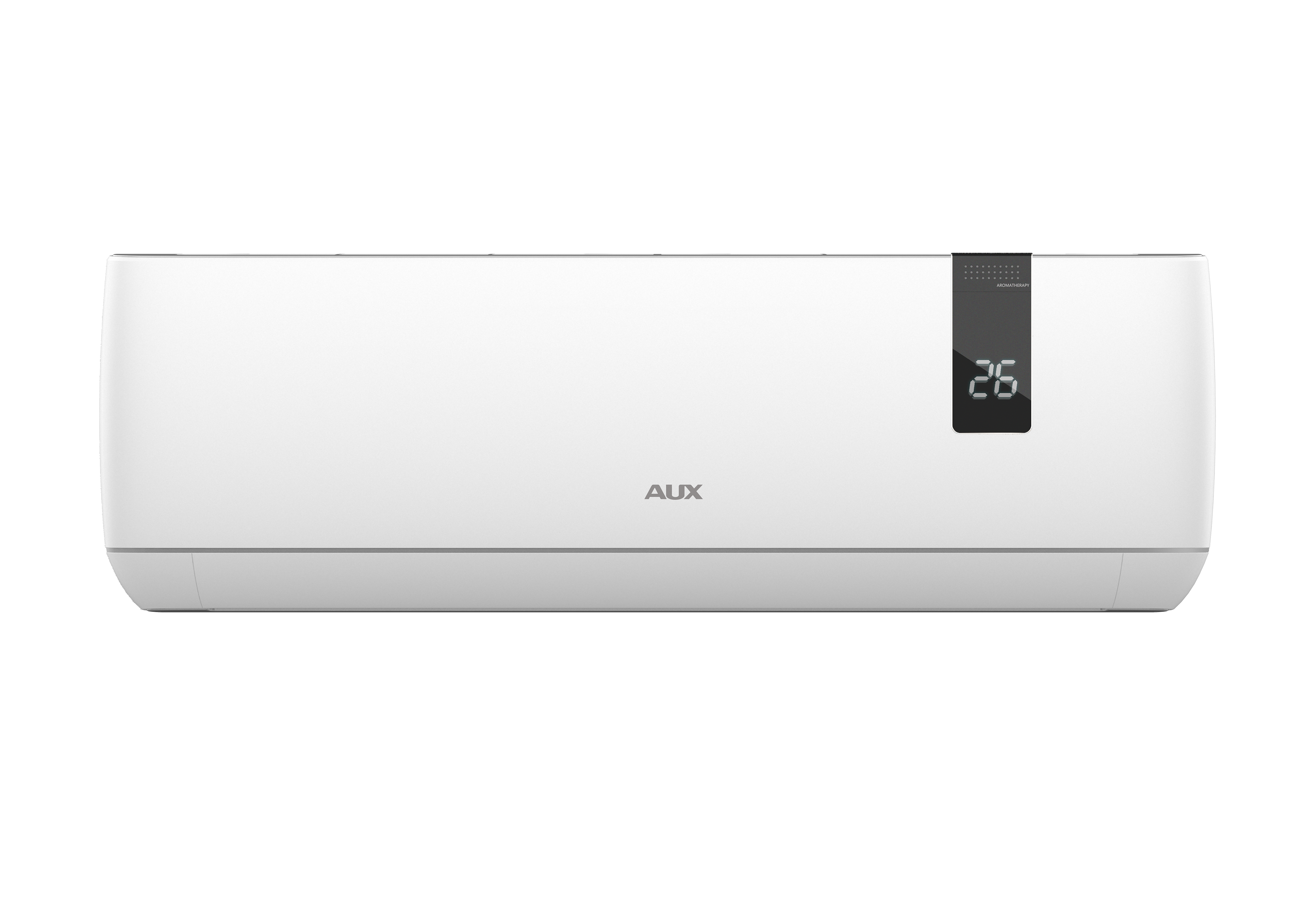
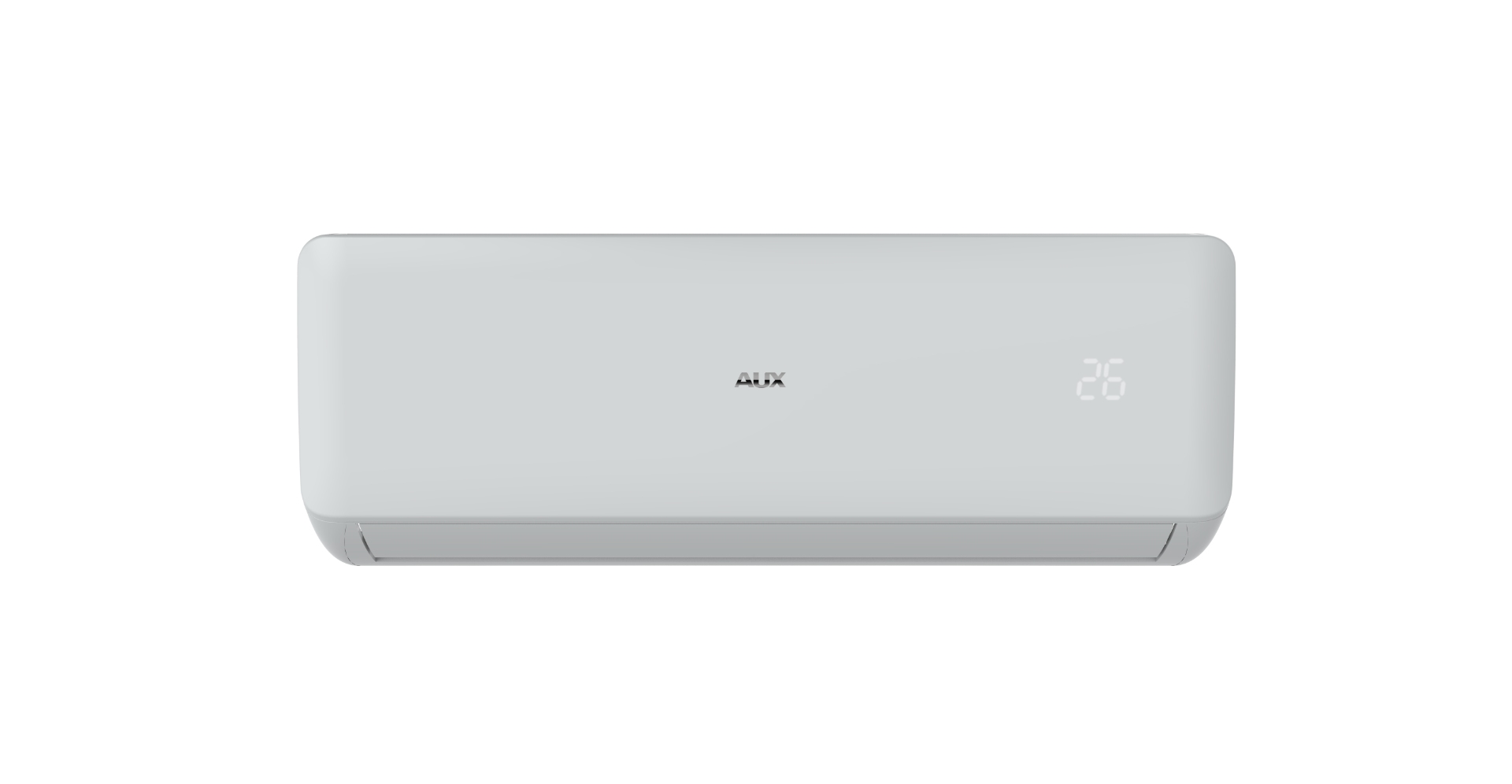
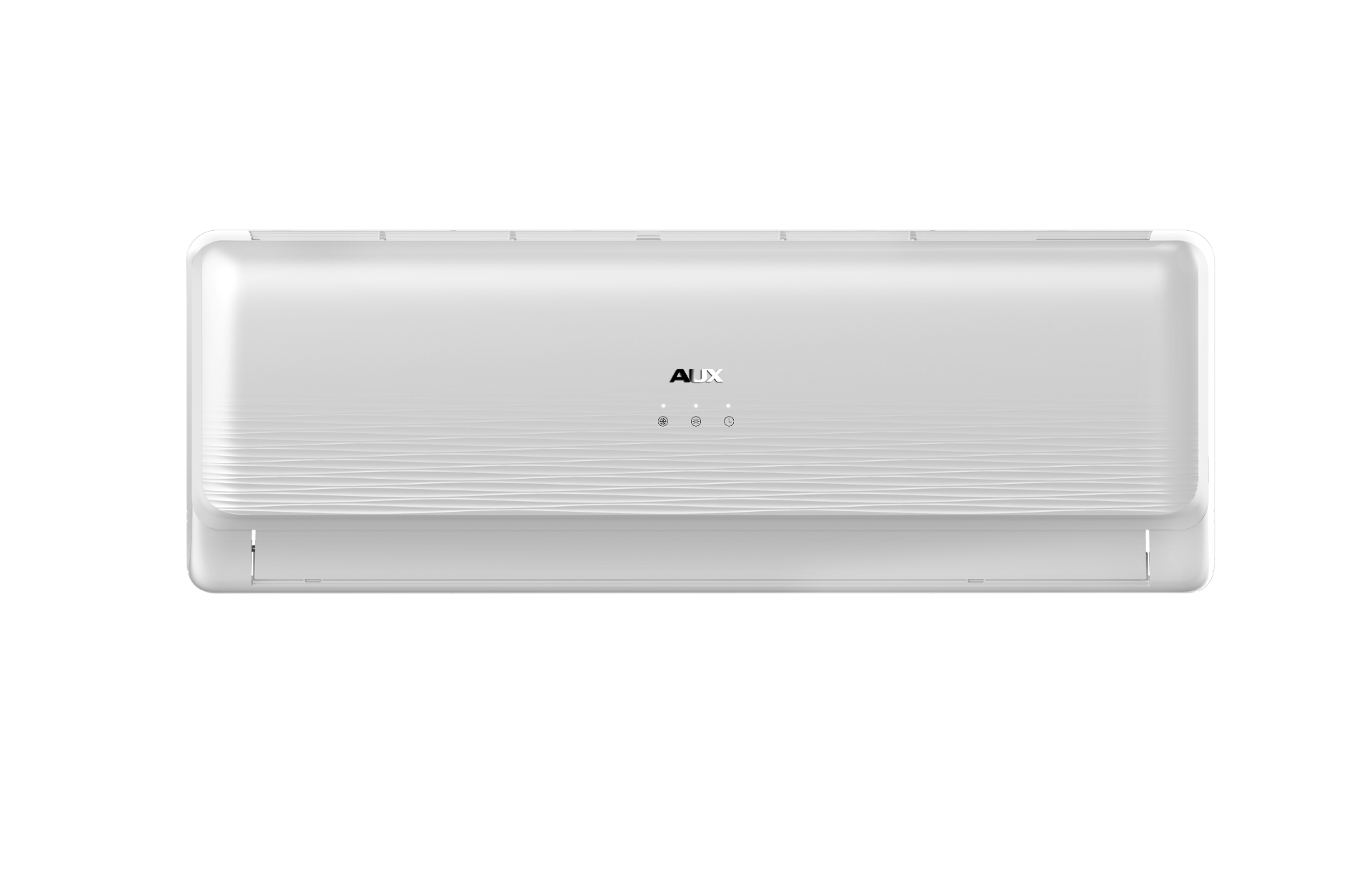
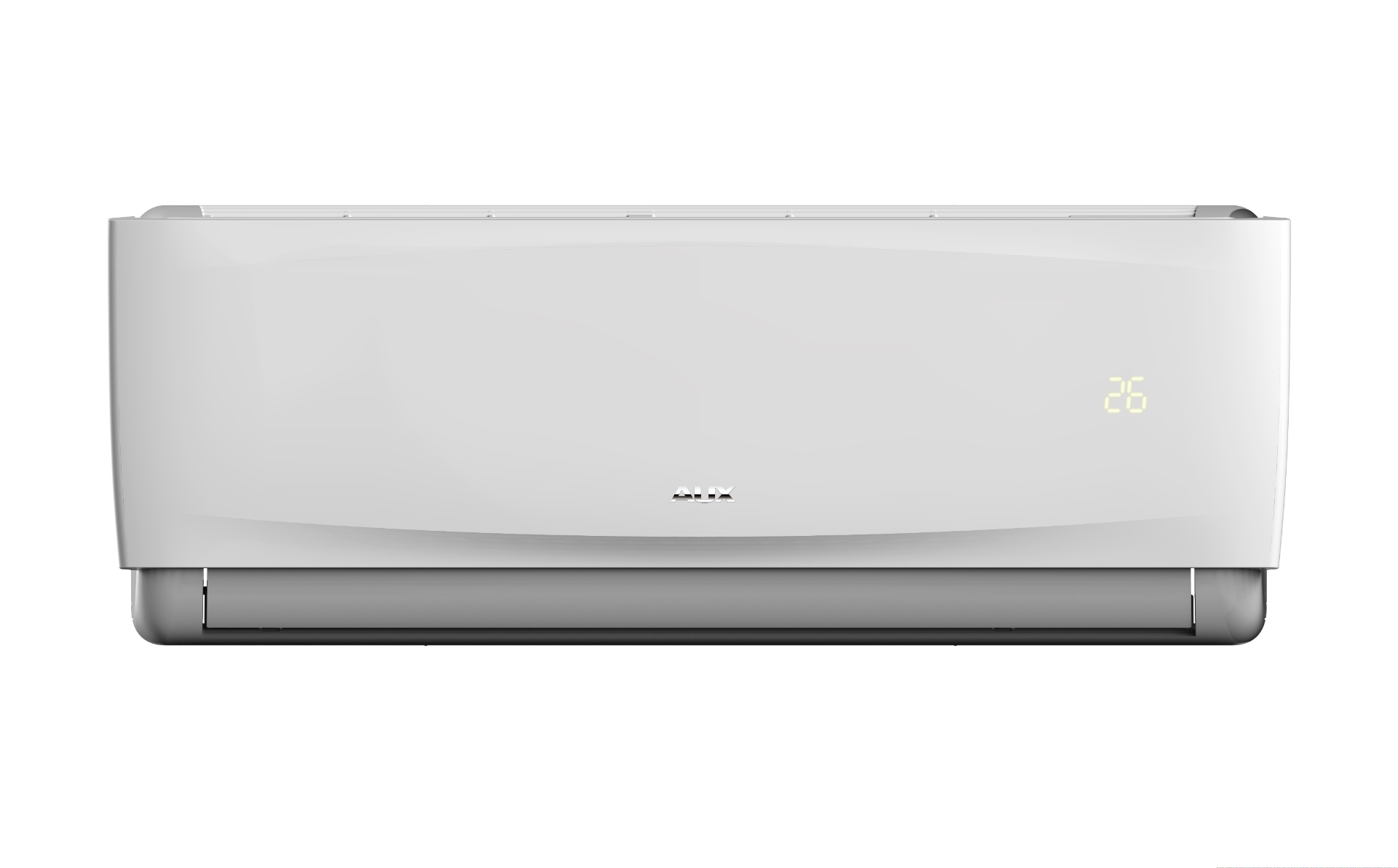
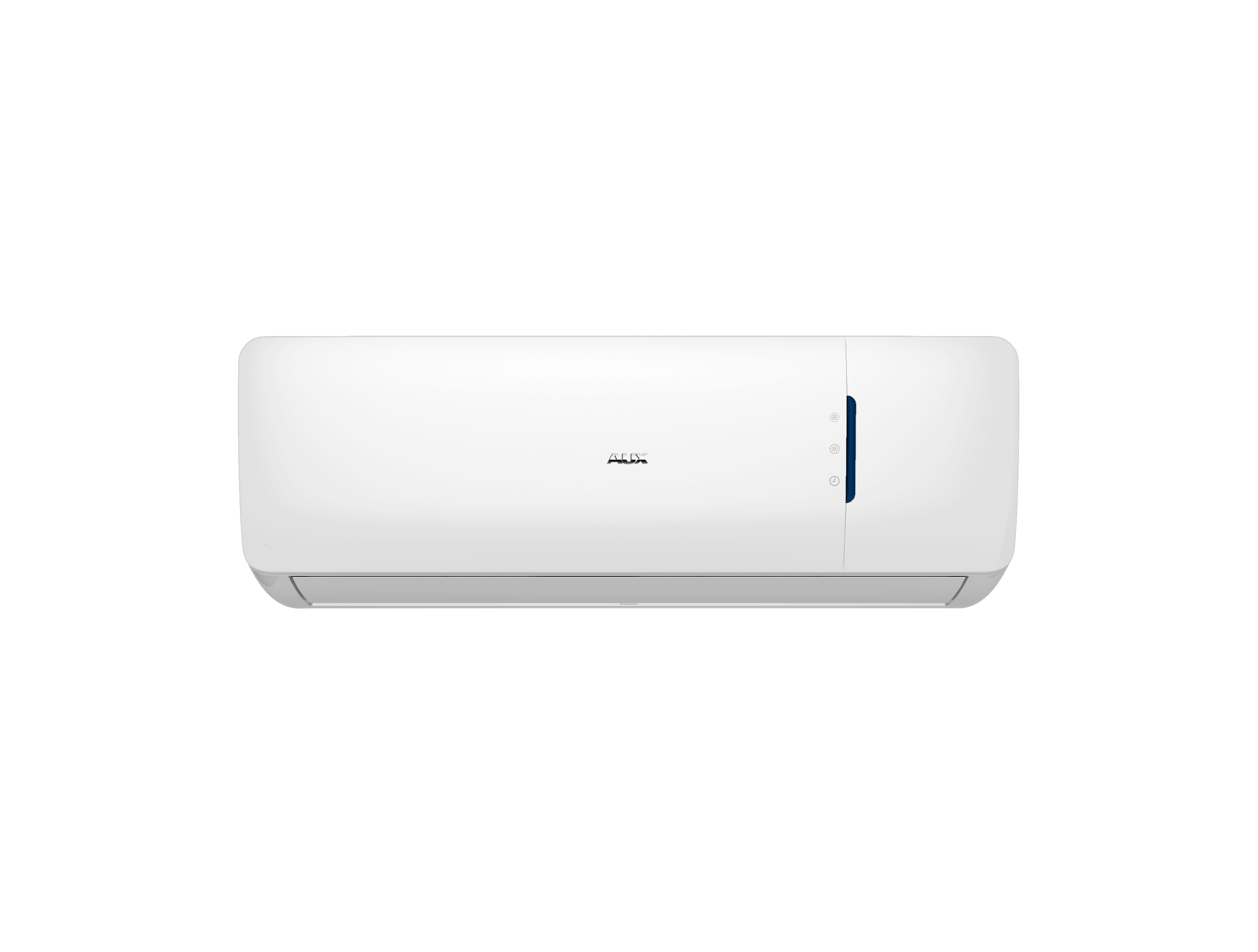
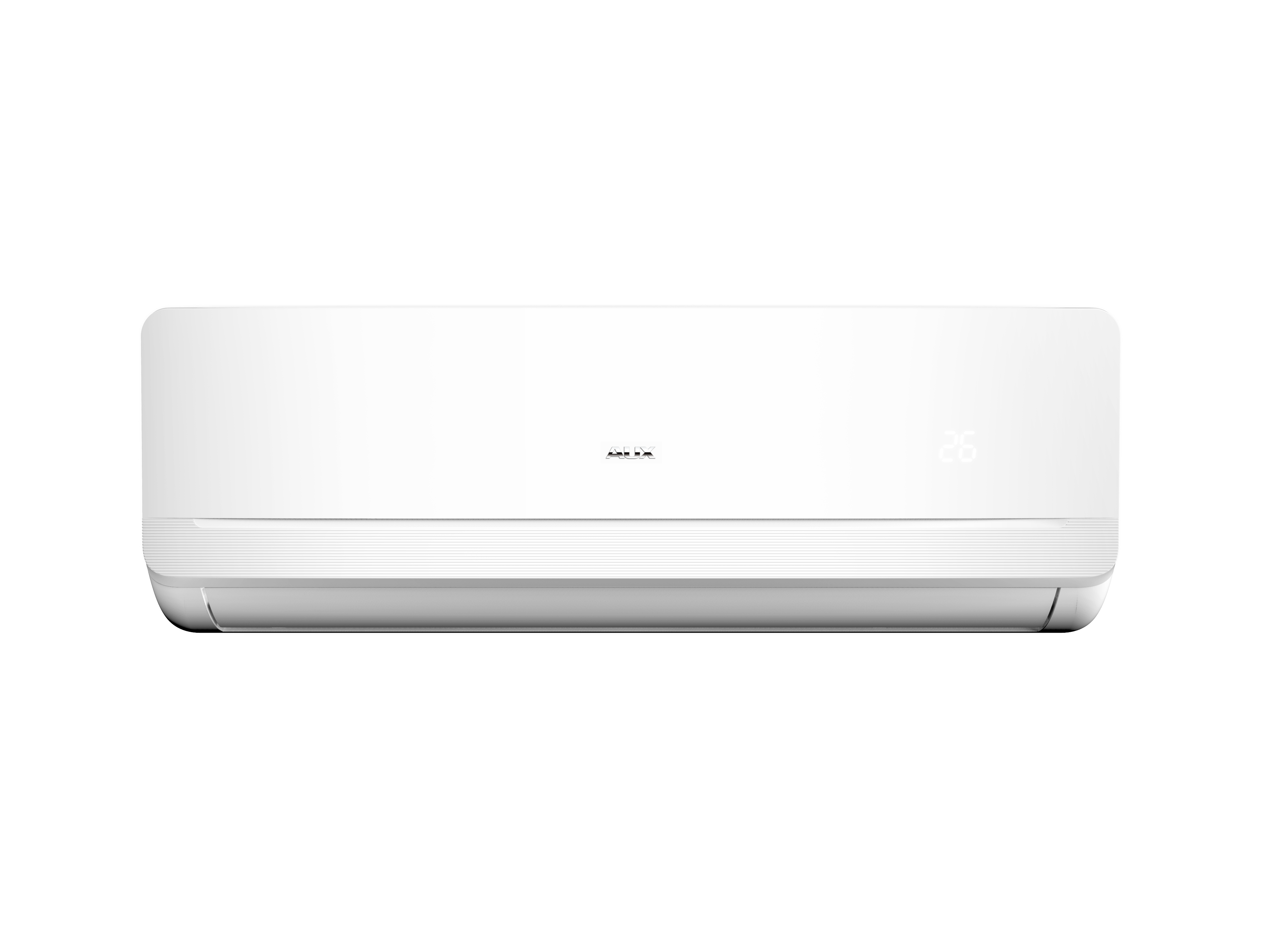
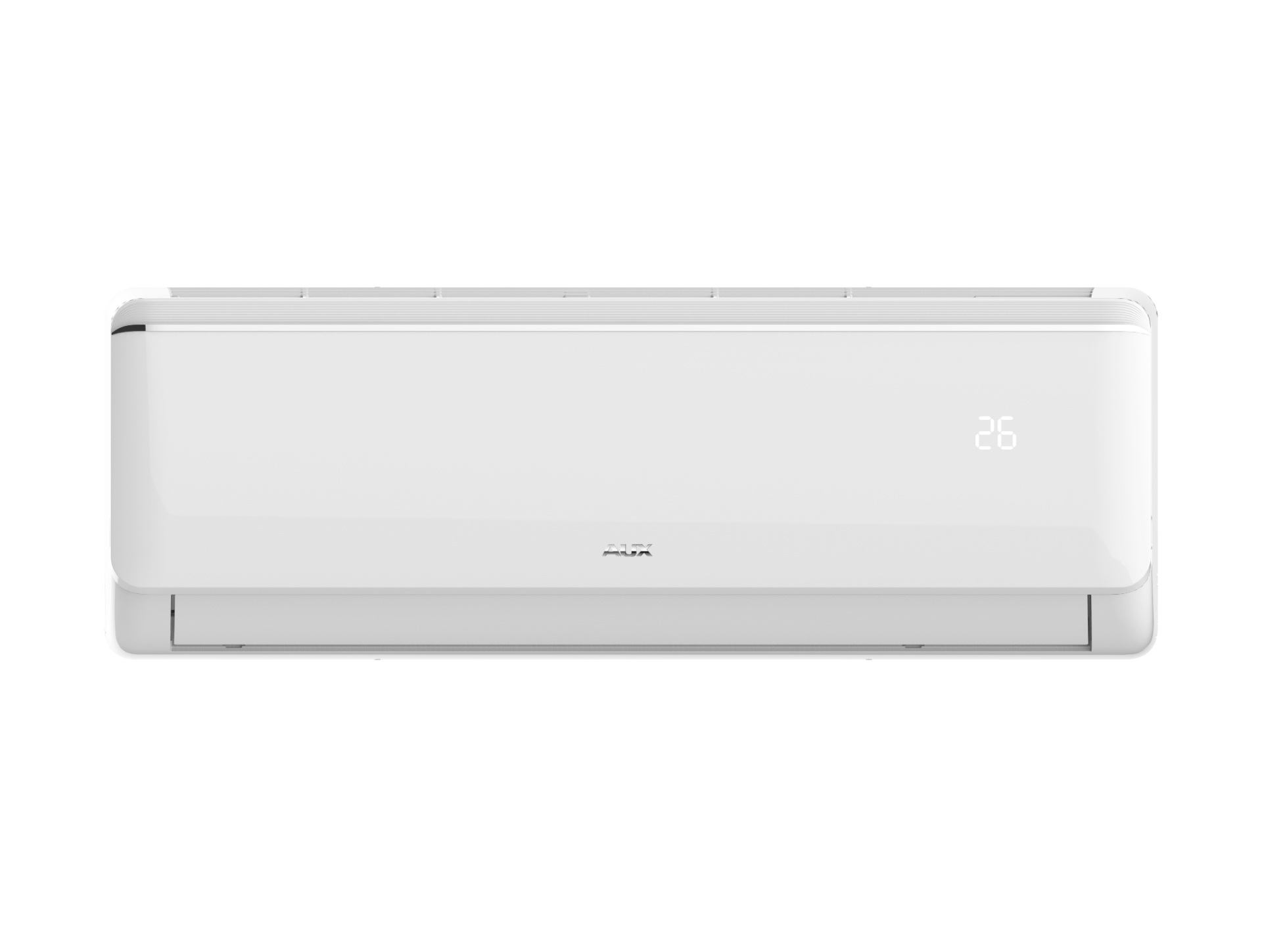
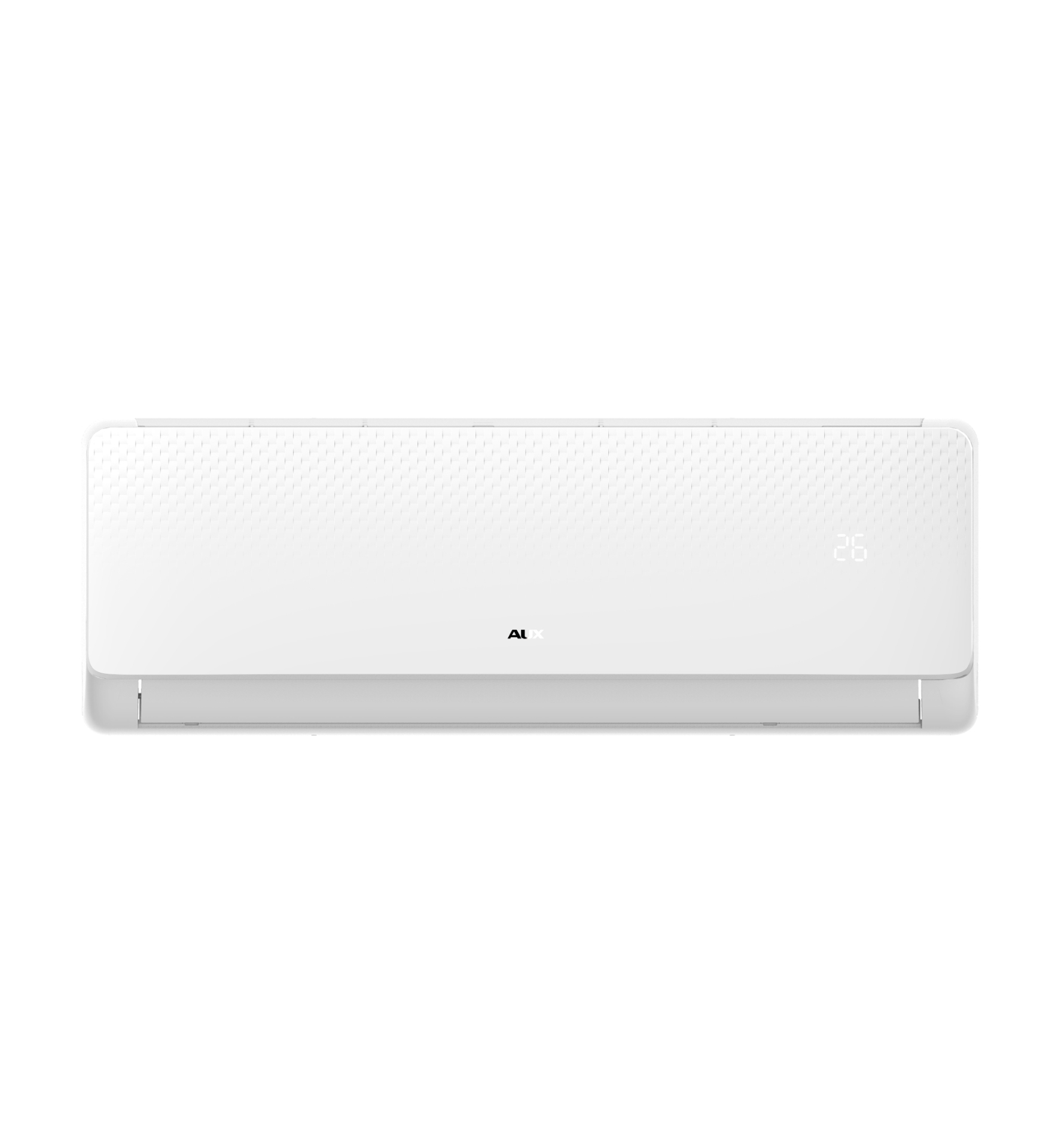
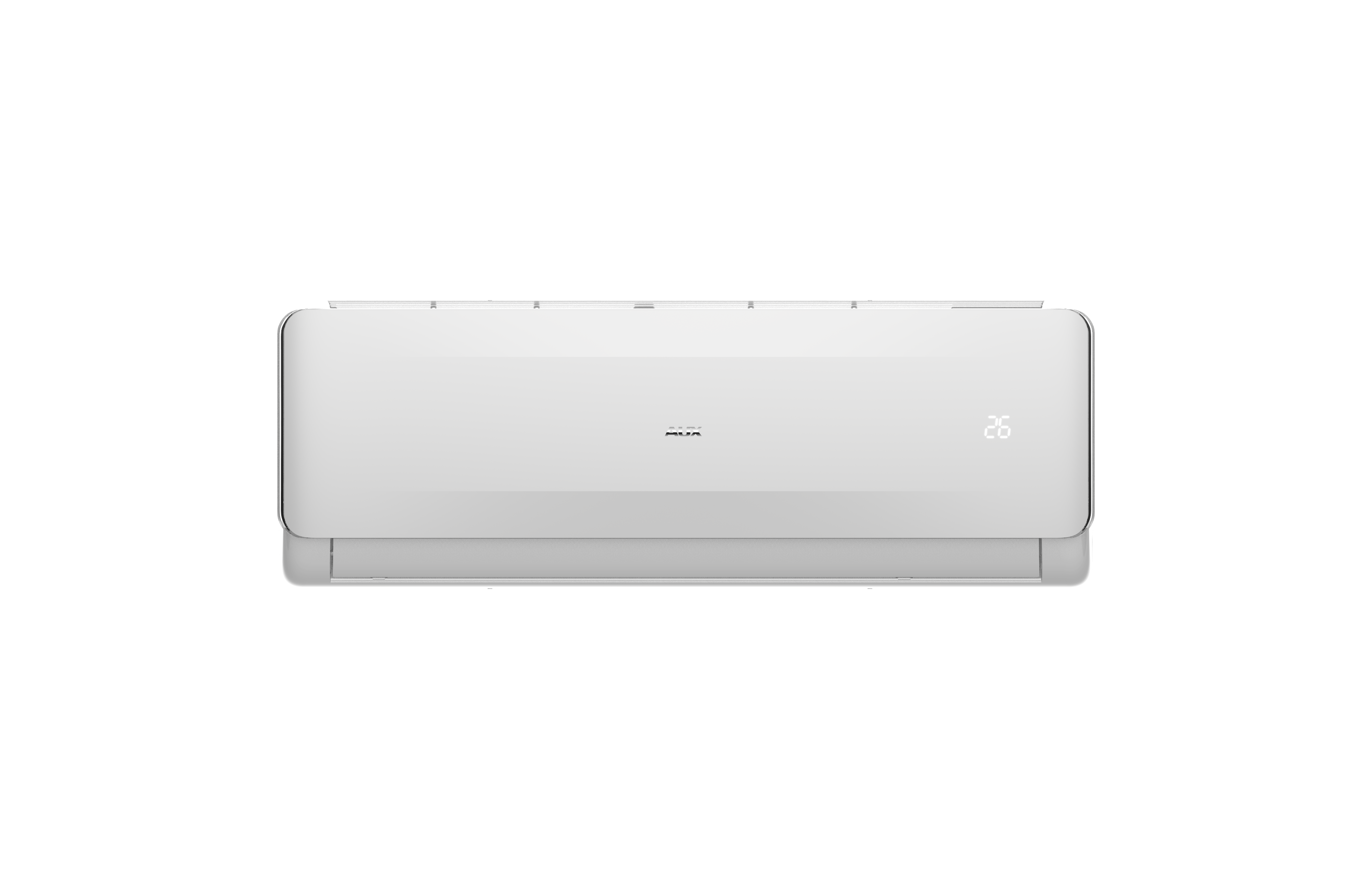
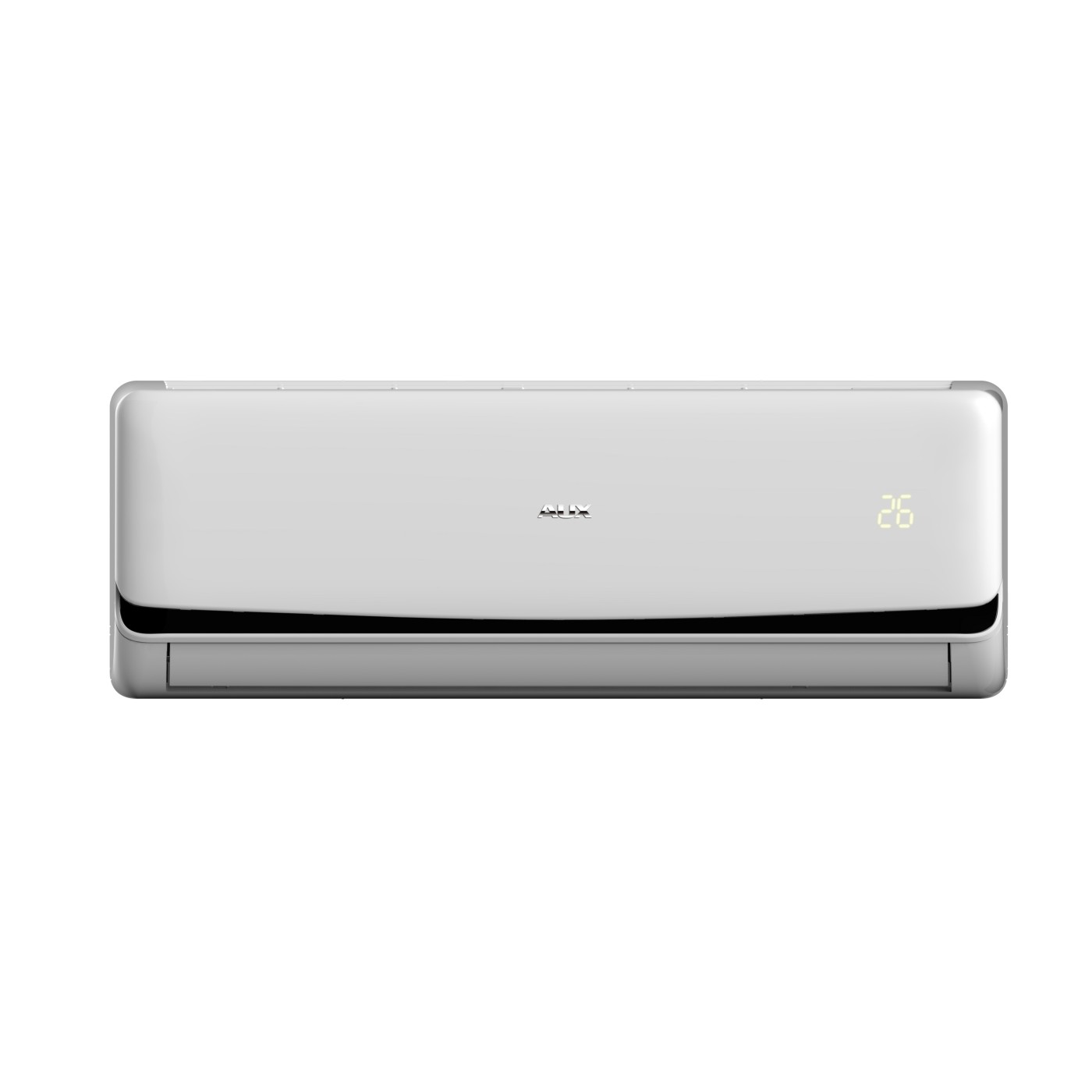
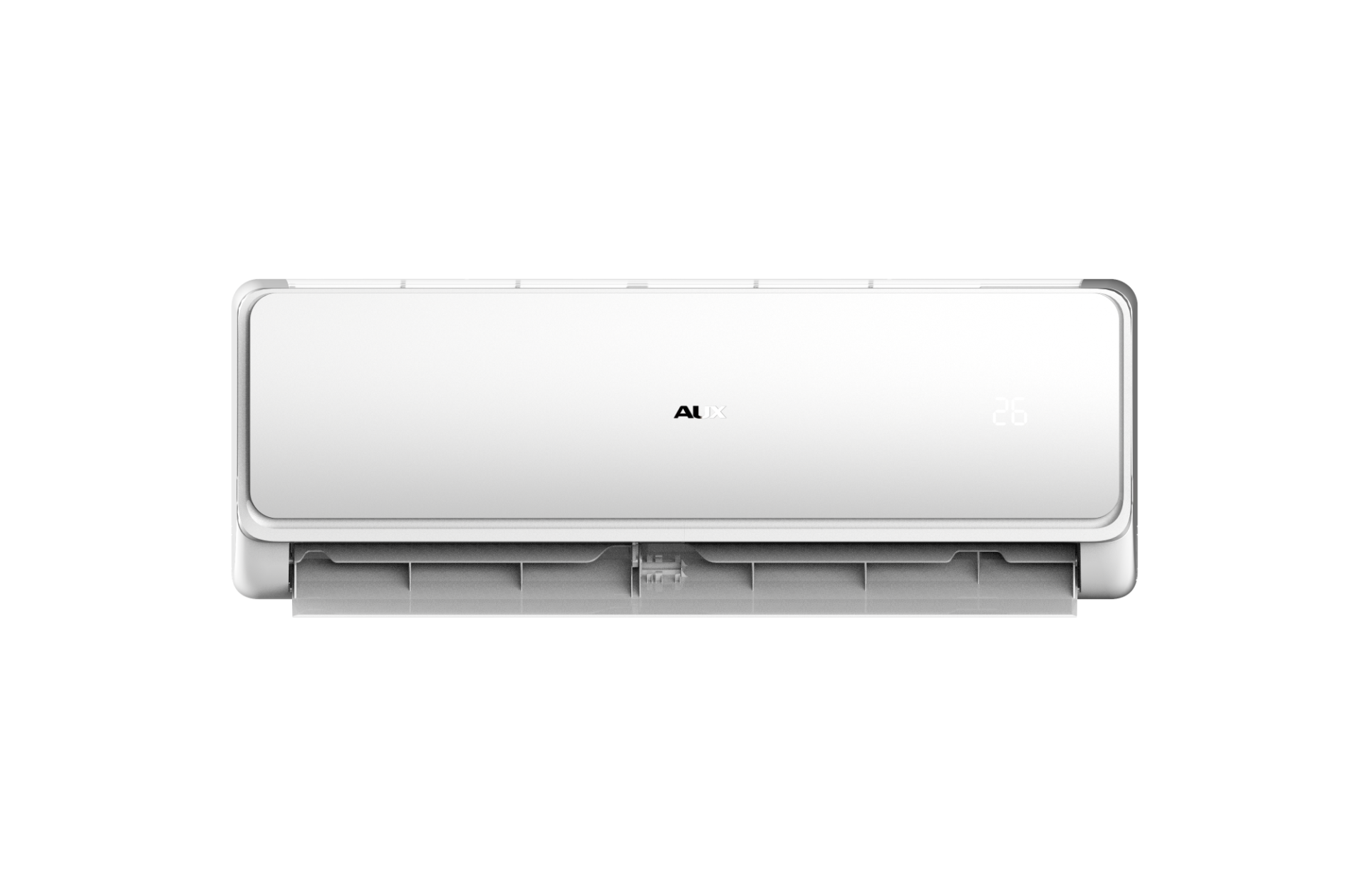
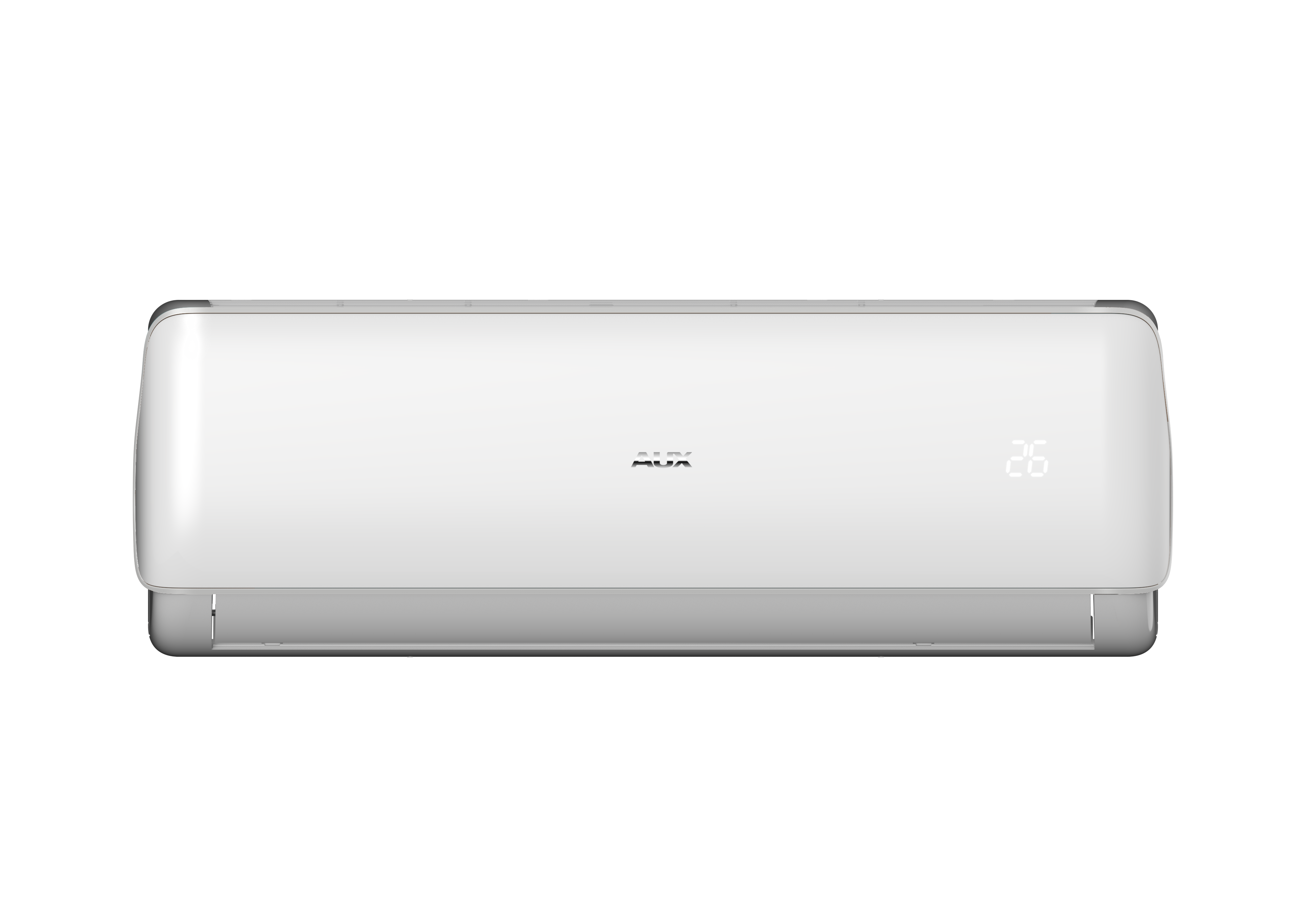
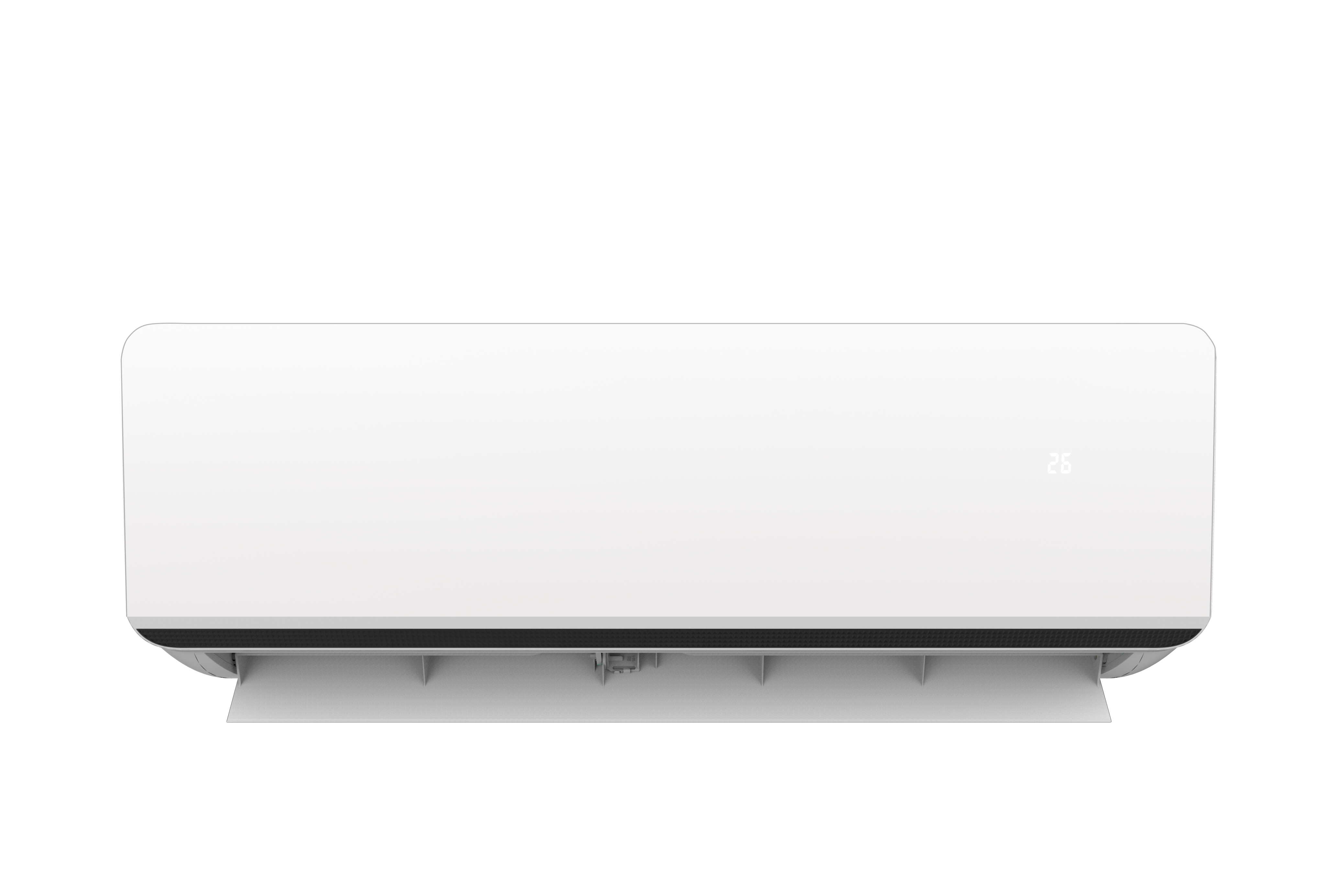
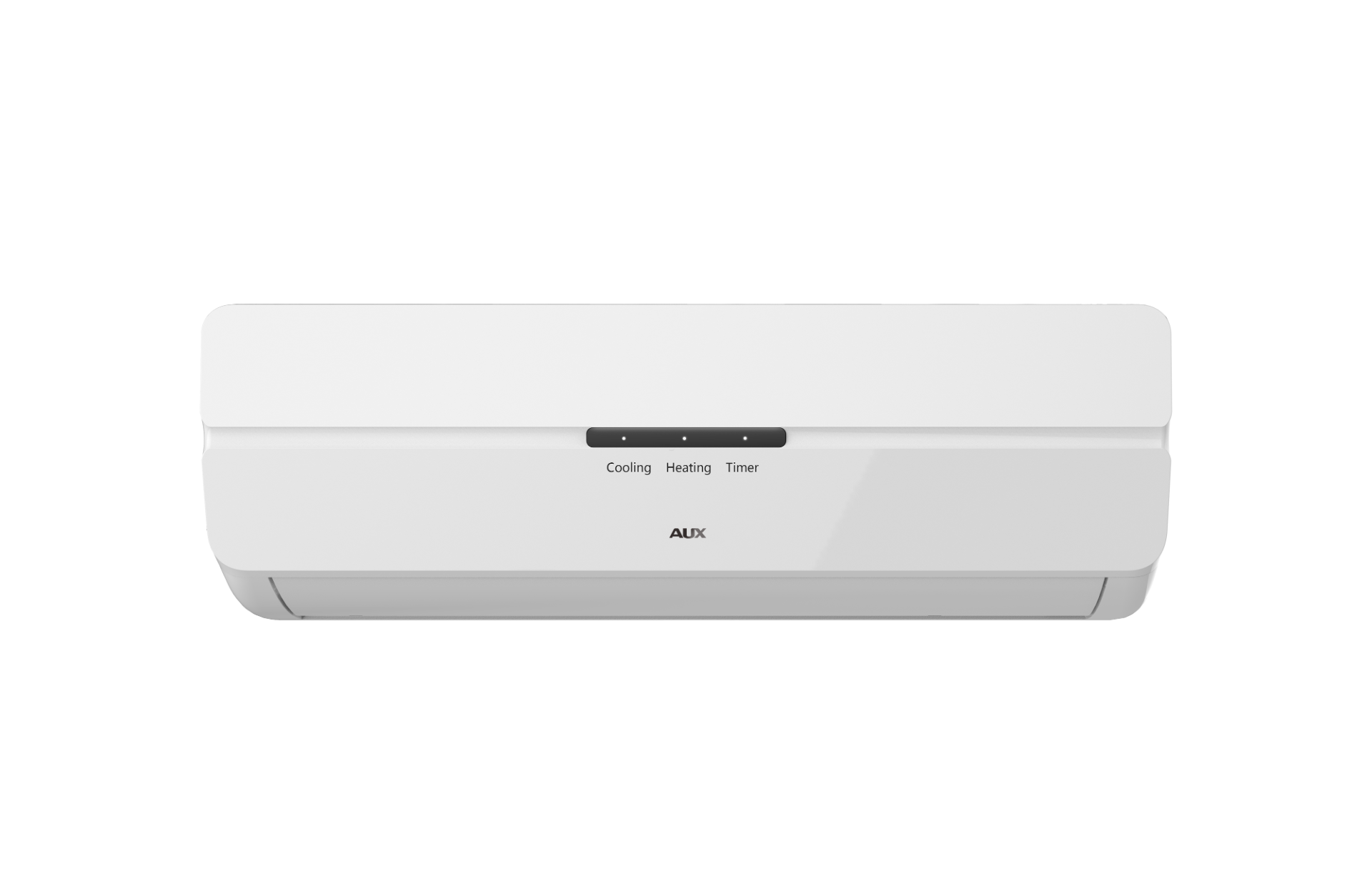
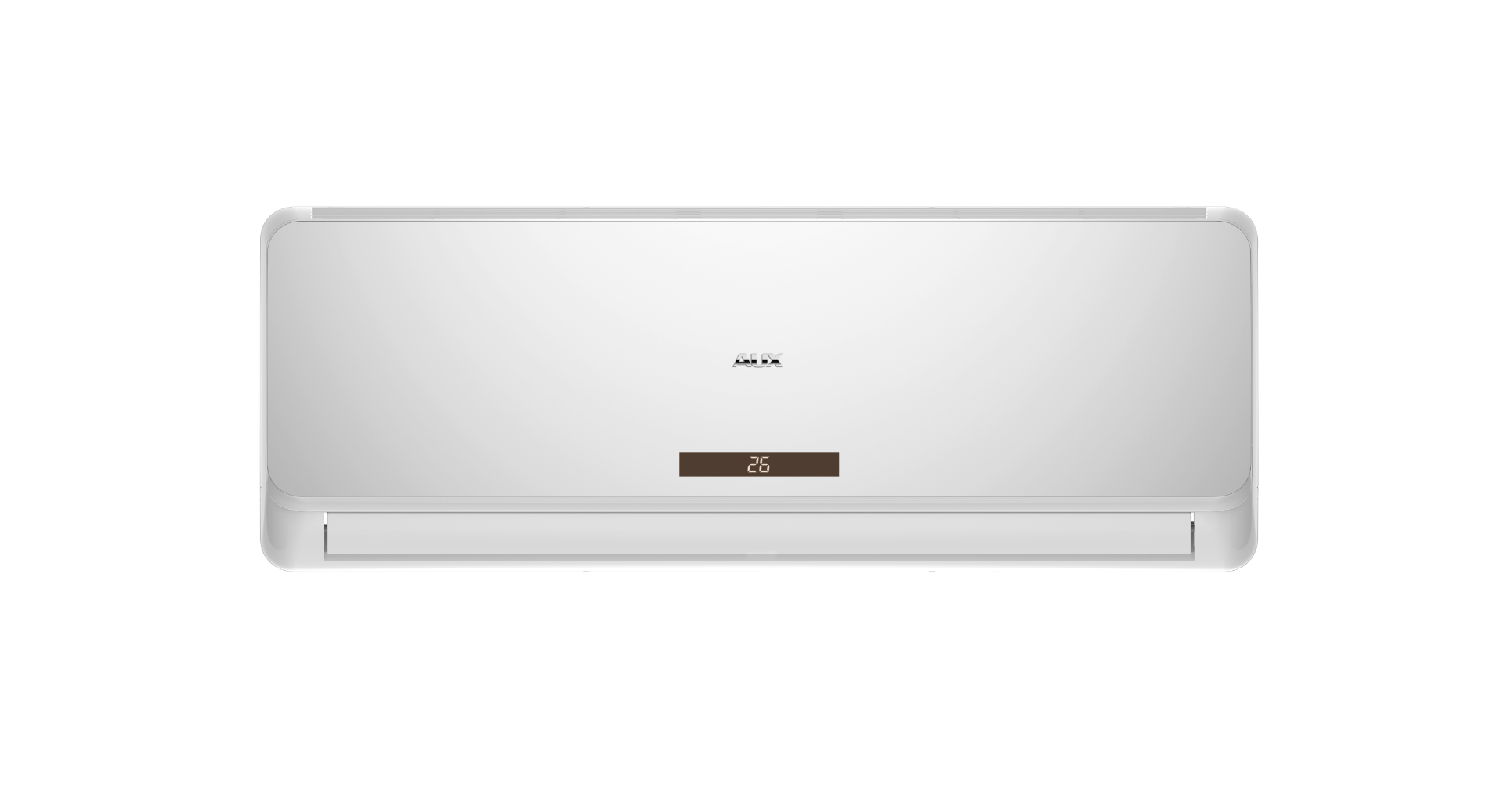
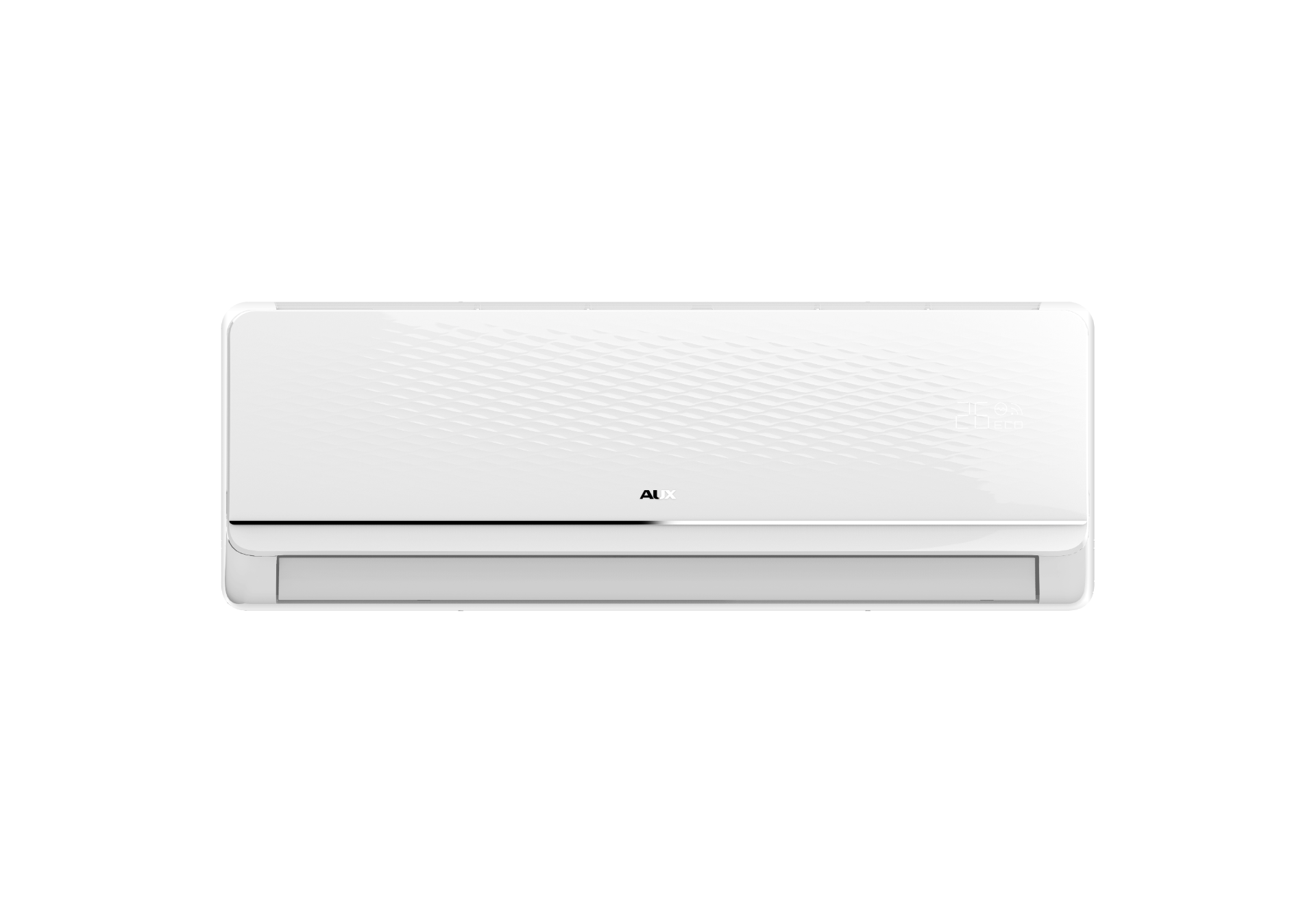
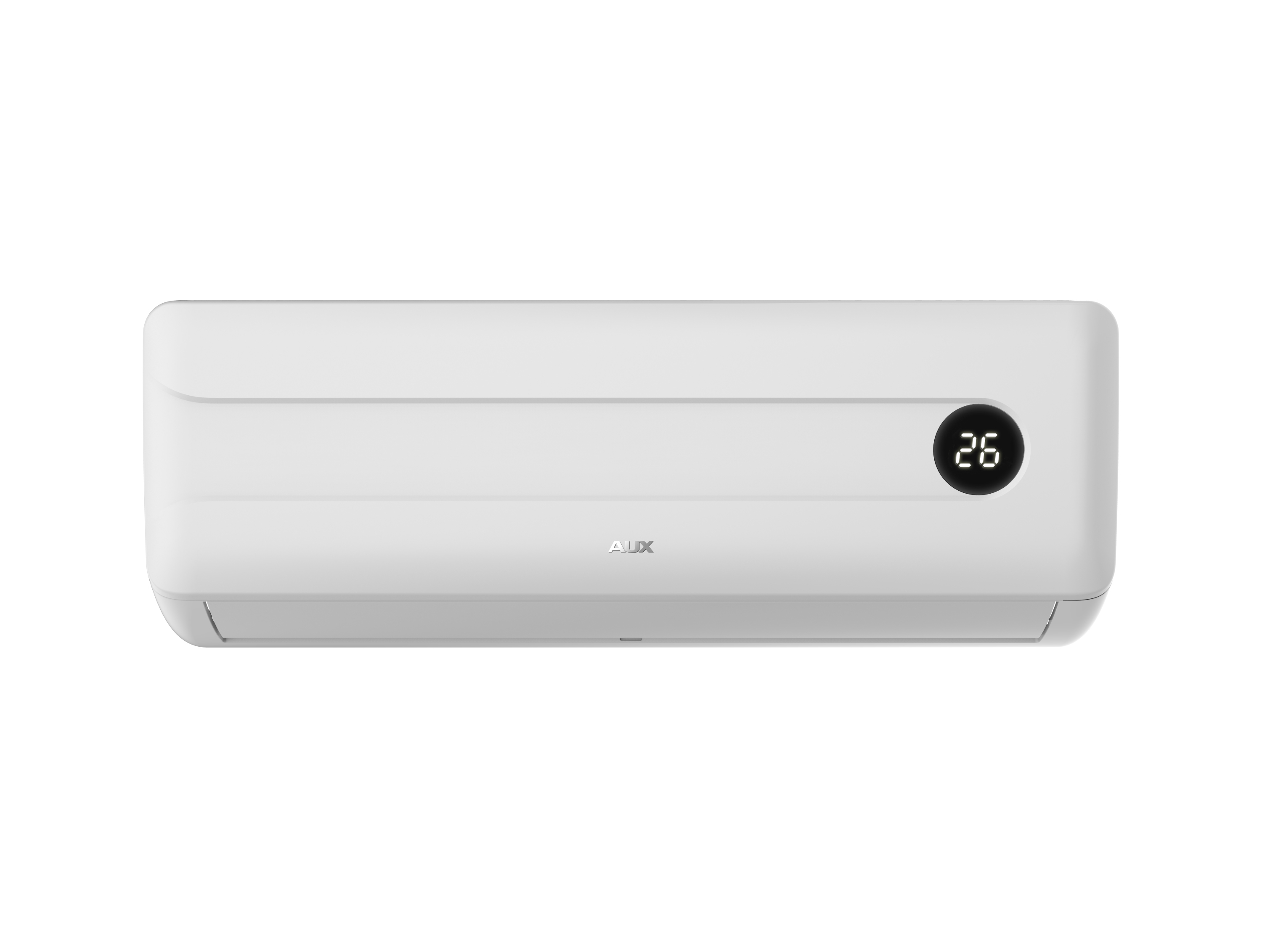
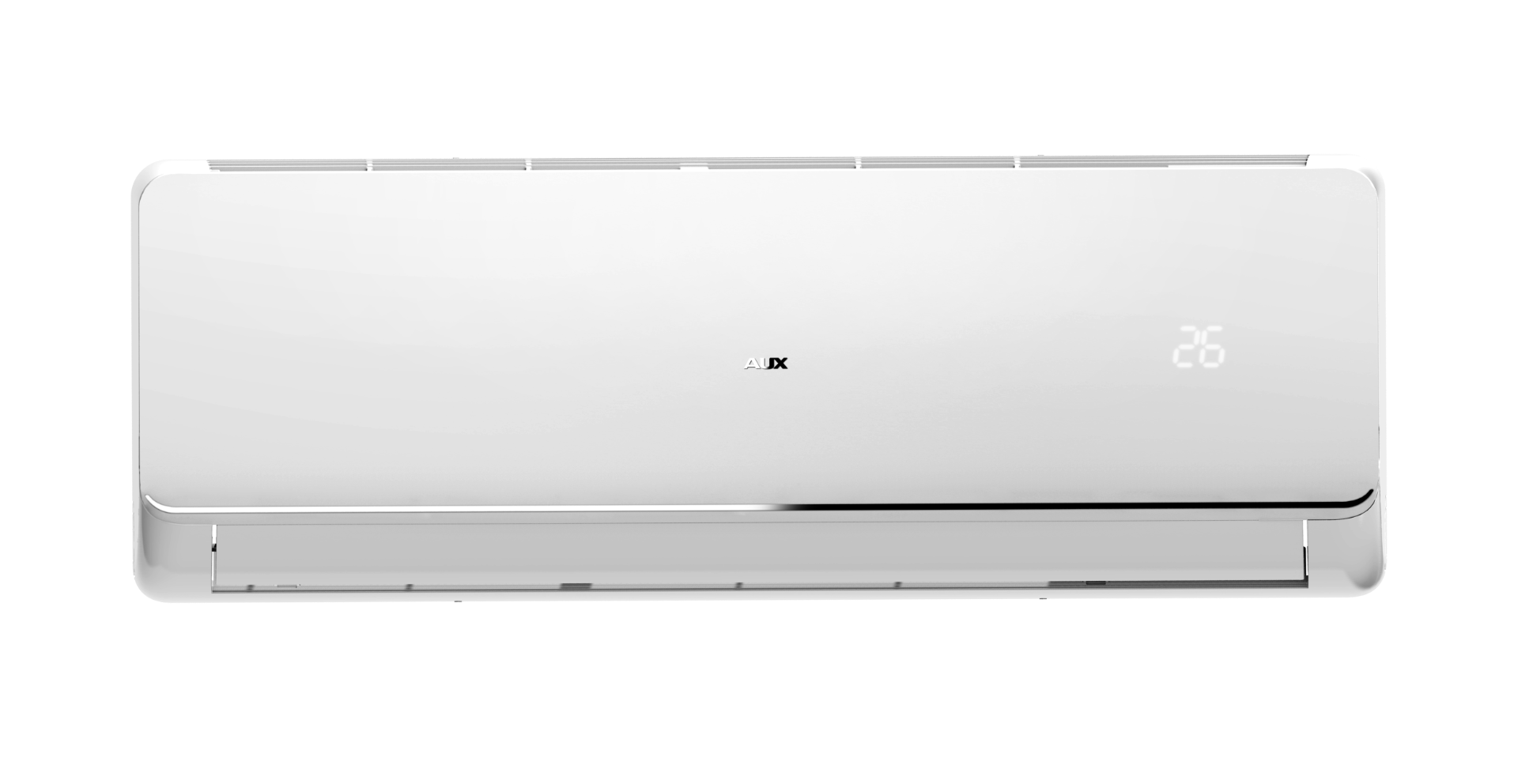
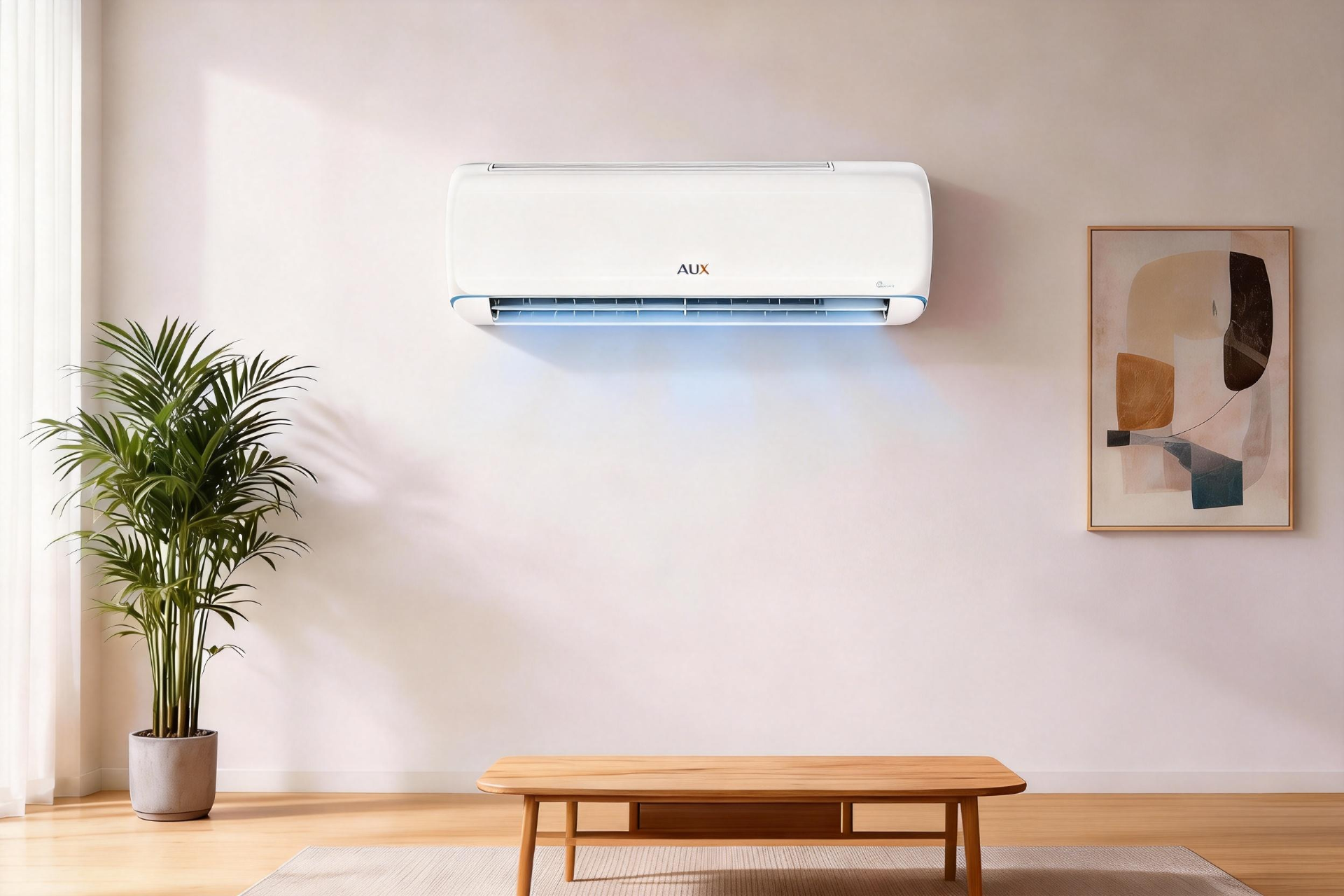
l Wall-Mounted Solutions: This is the most popular choice for residential users. If you are looking for a quiet air conditioner, these high-wall units utilize inverter technology to operate at "whisper-quiet" levels, making them perfect for bedrooms. For those prioritizing air quality, AUX offers self-cleaning air conditioners that automatically remove dust and dirt from the evaporator. This design blends aesthetic appeal with the guarantee of consistently fresh indoor air.
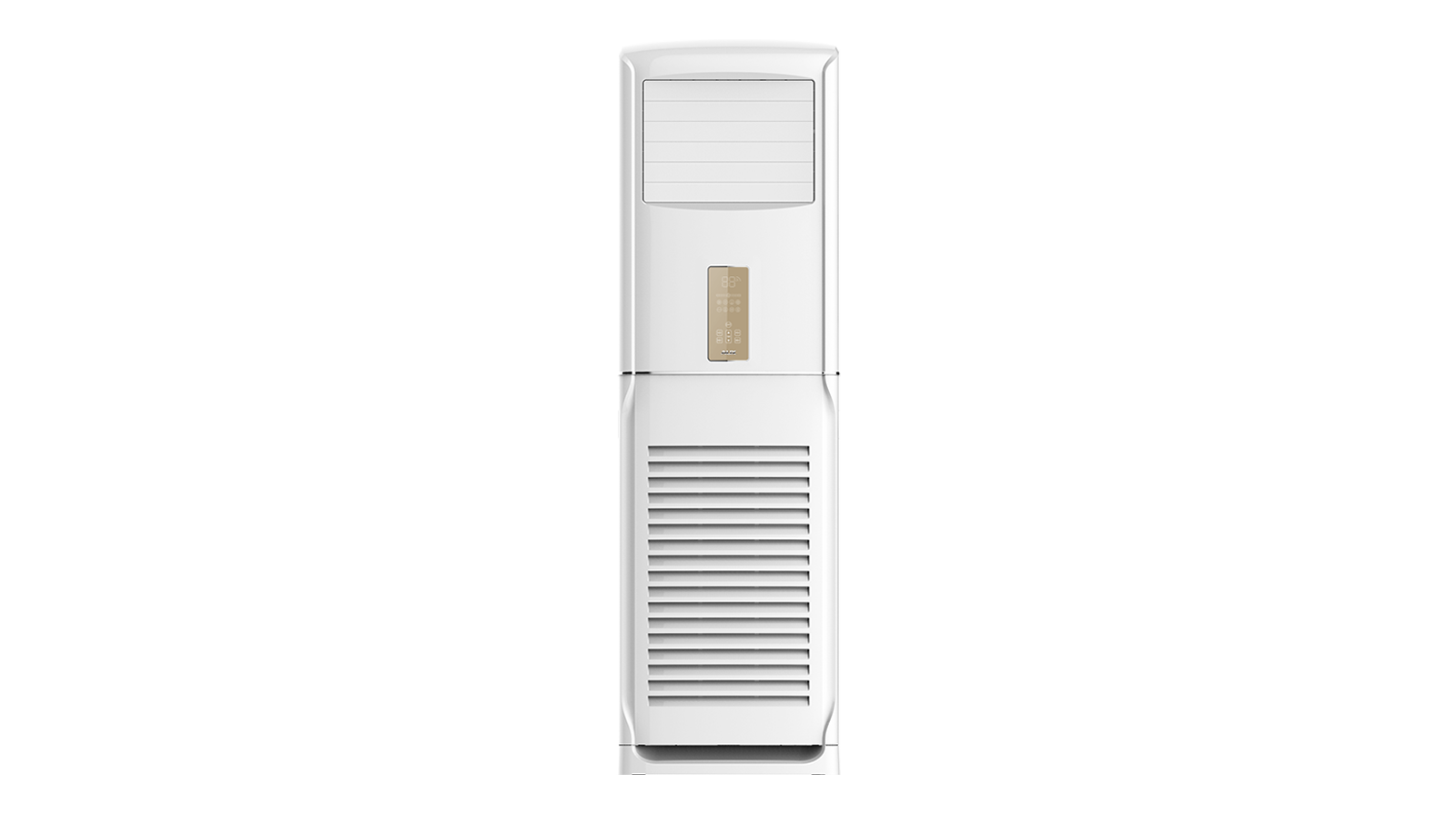
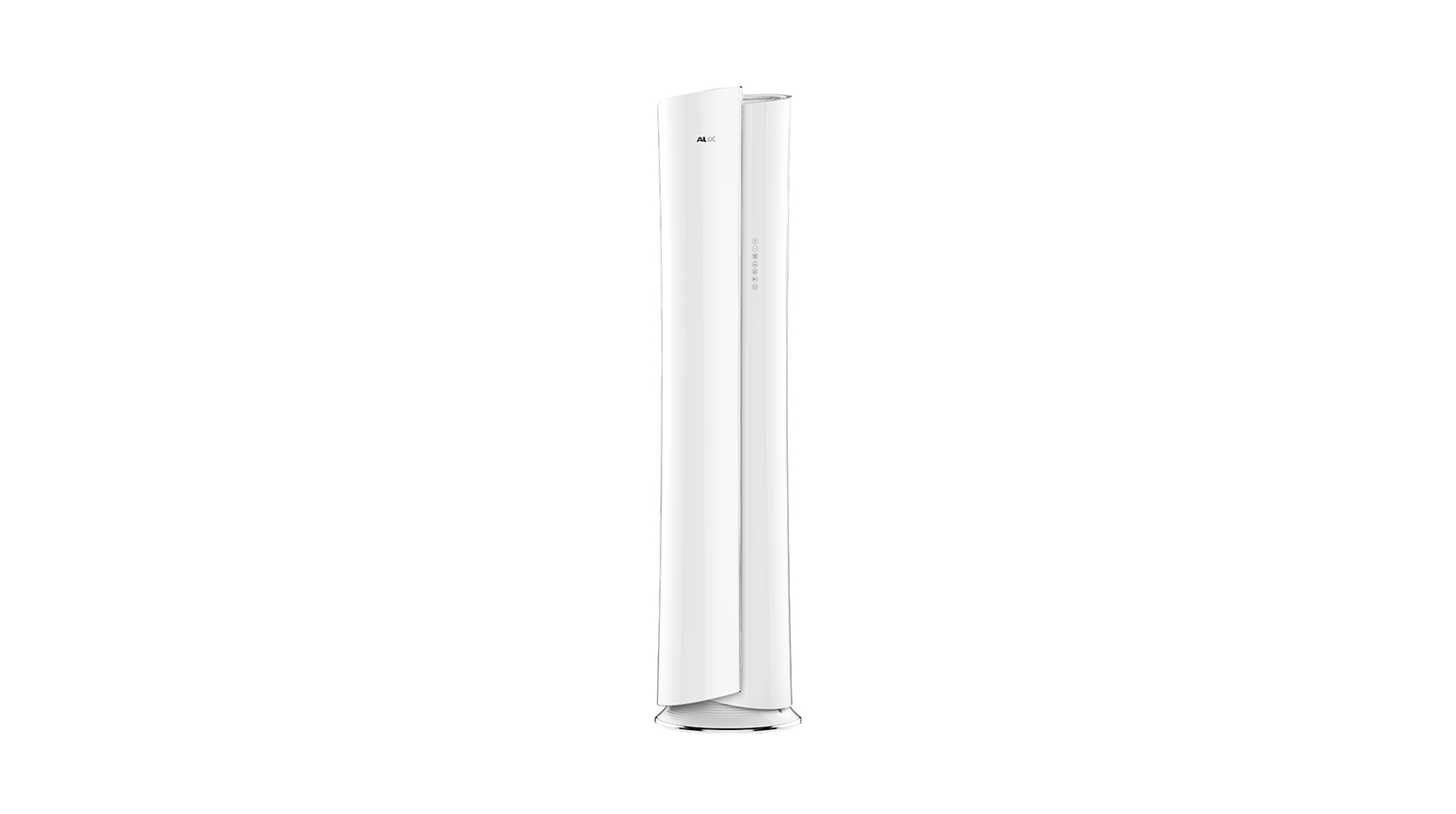
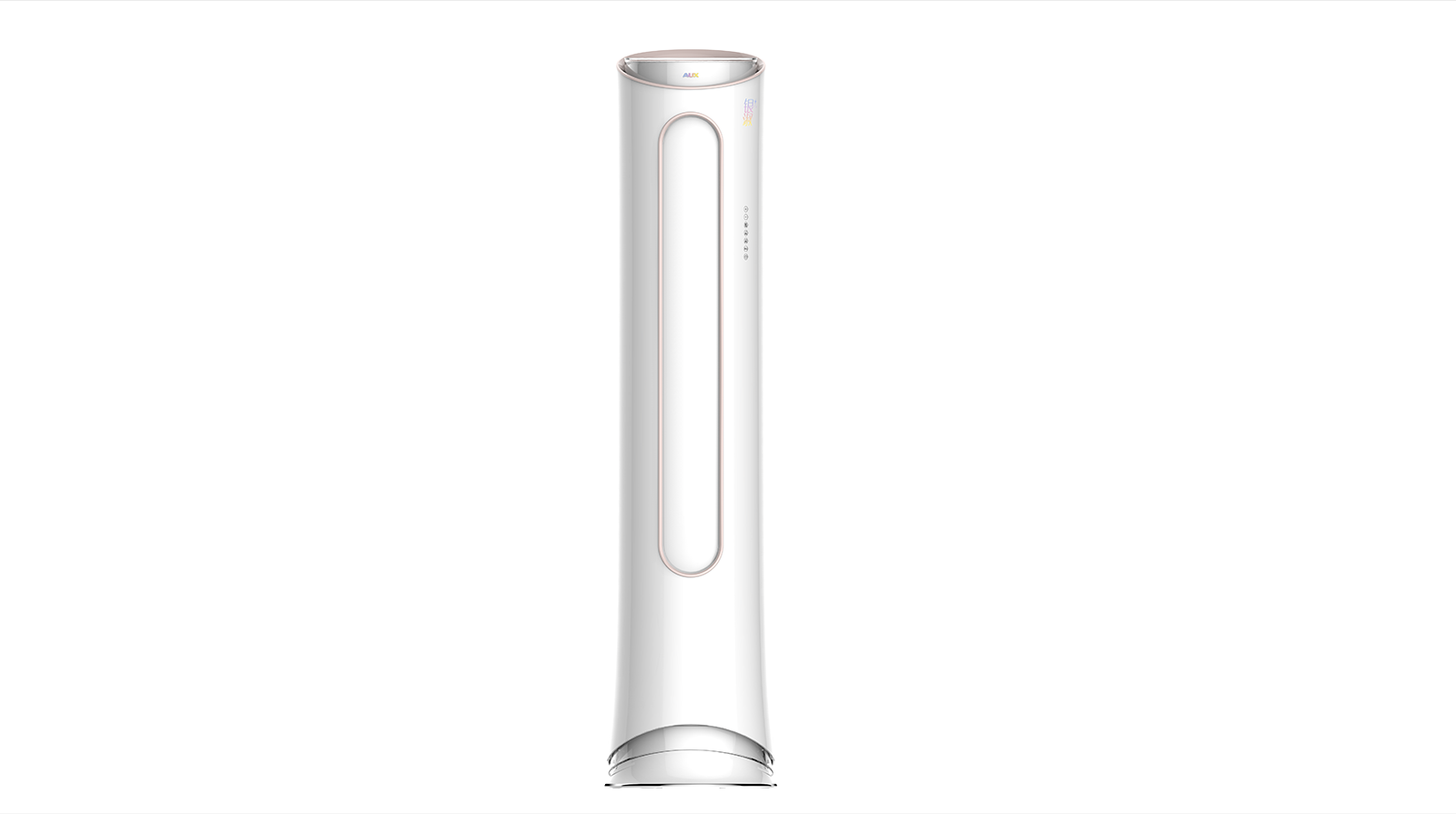
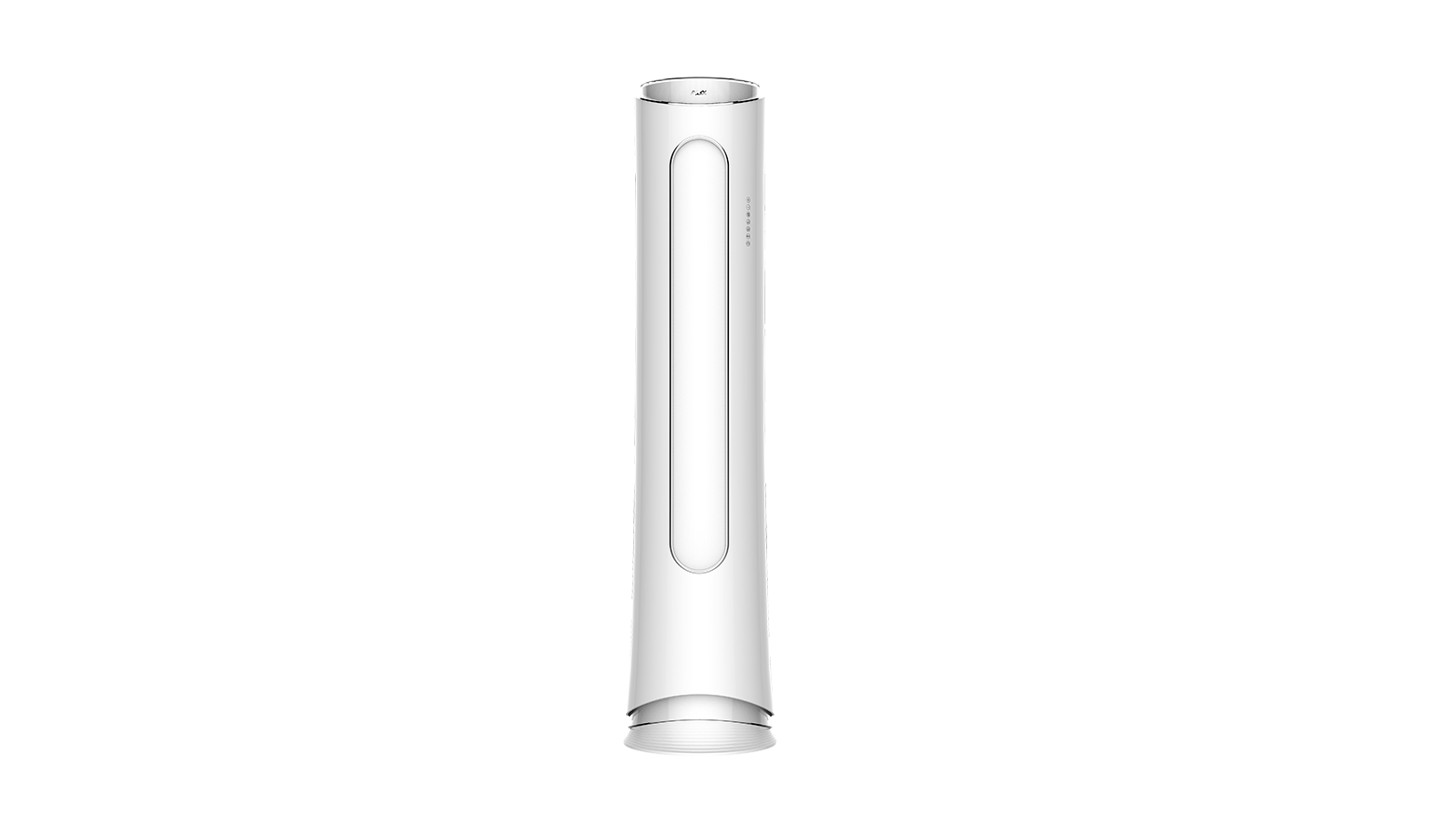
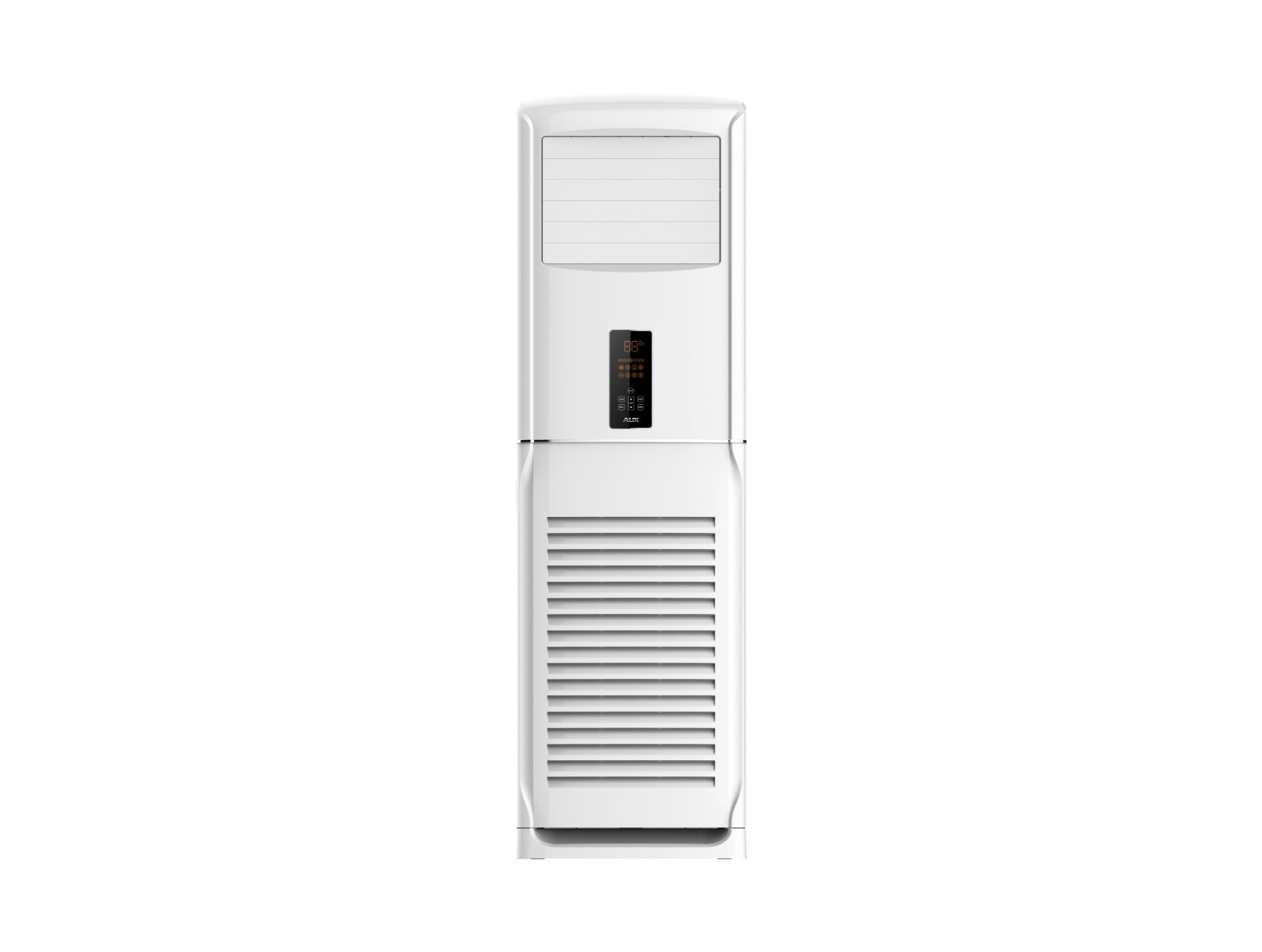
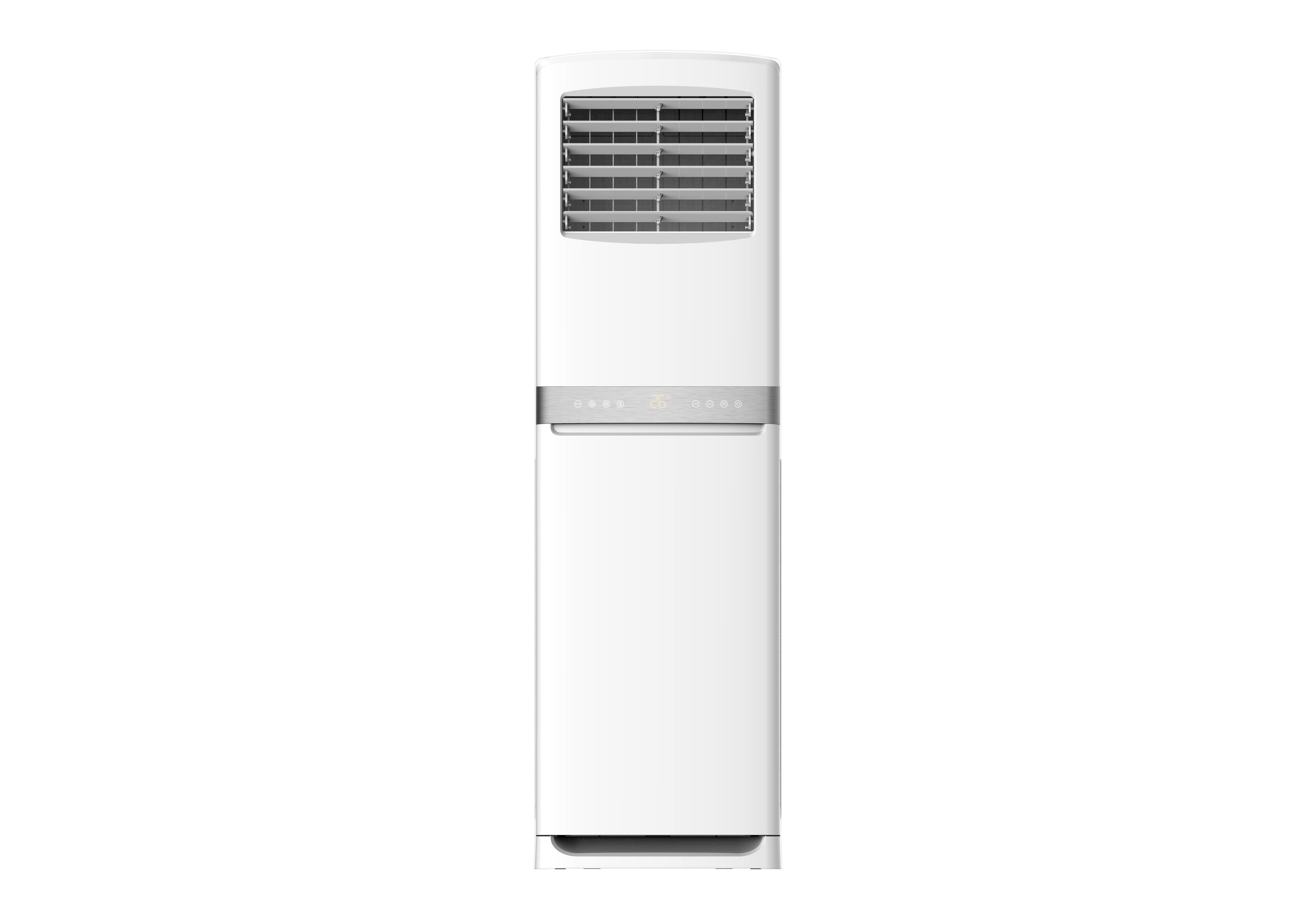
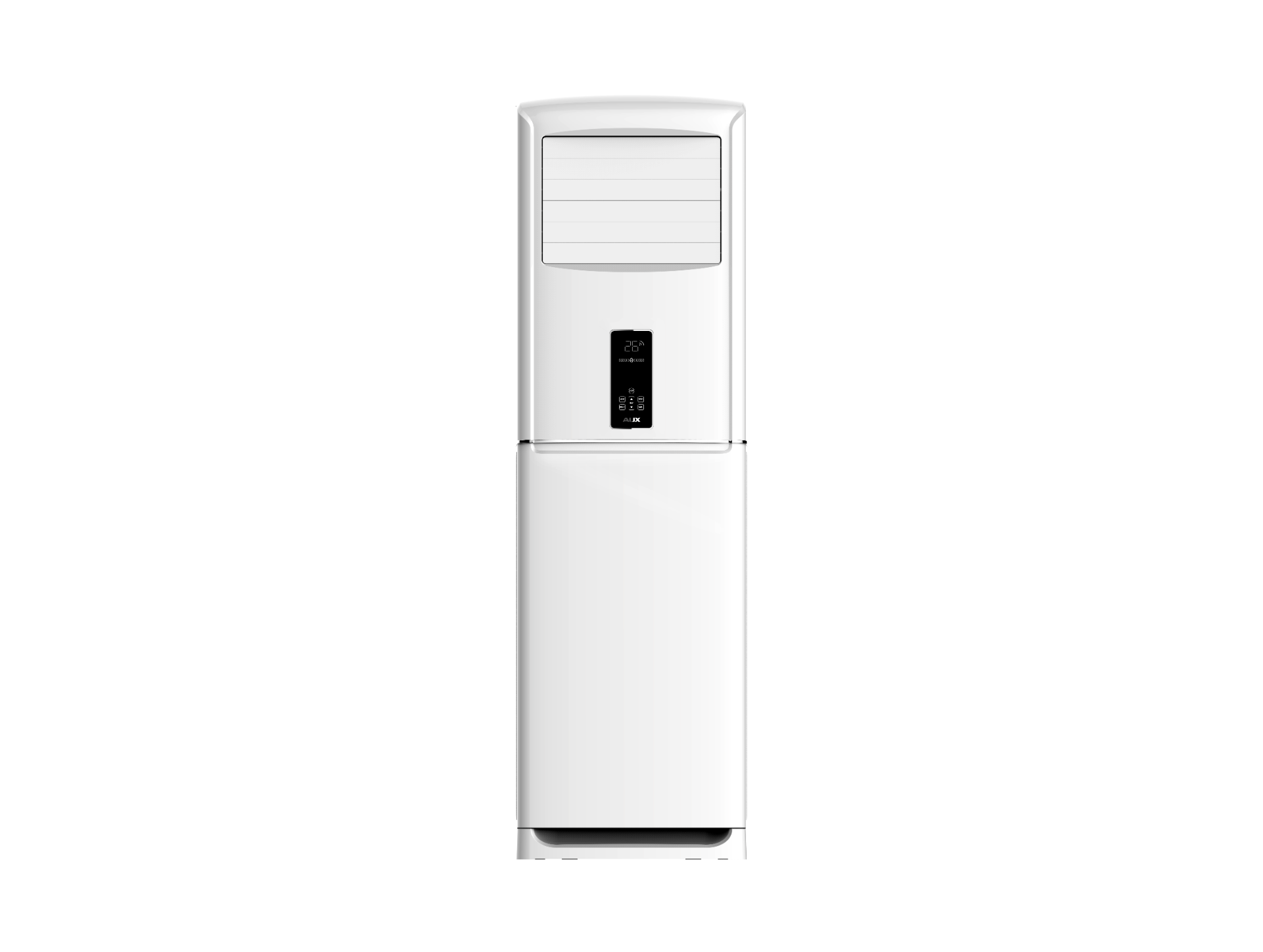
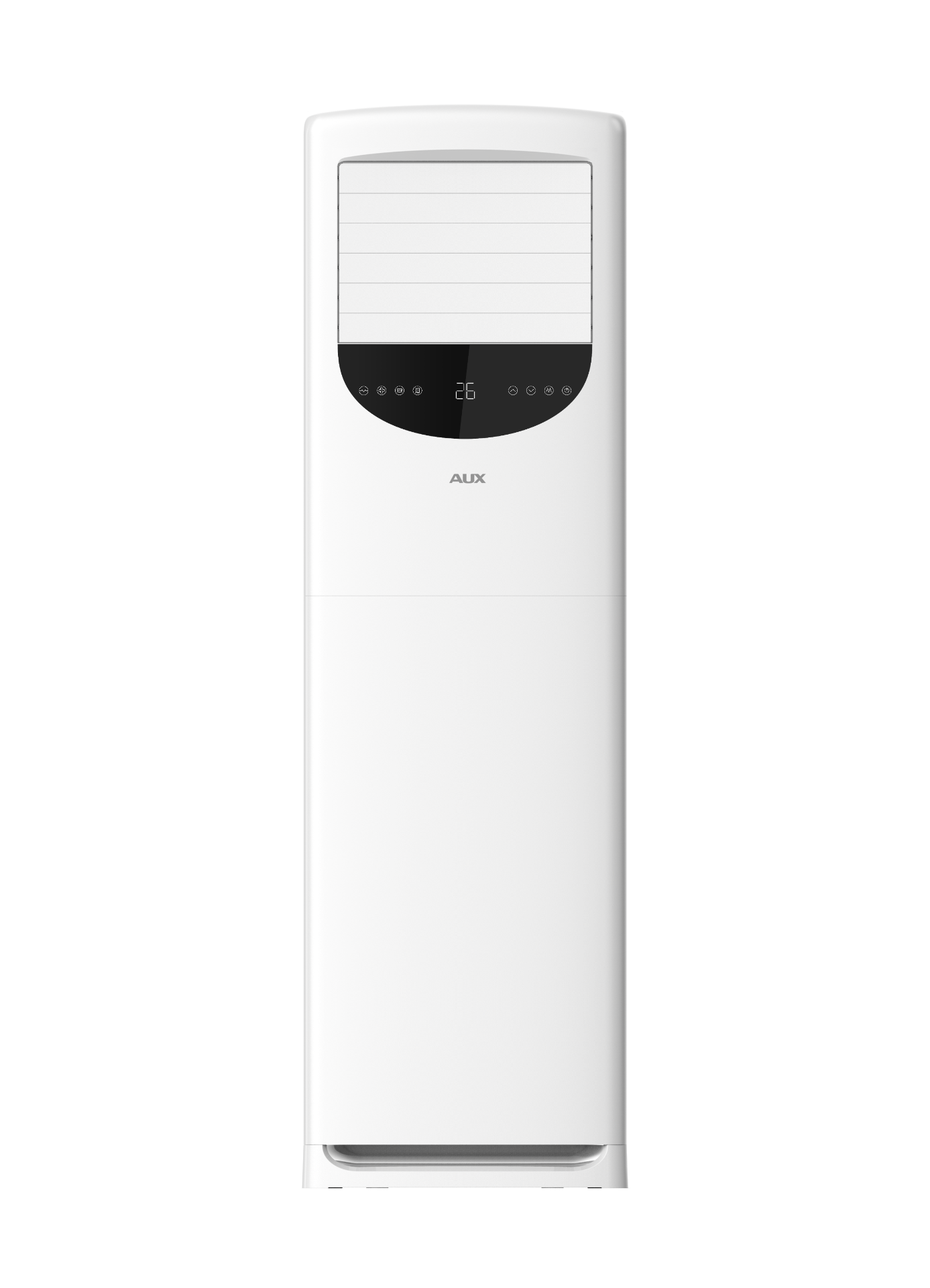
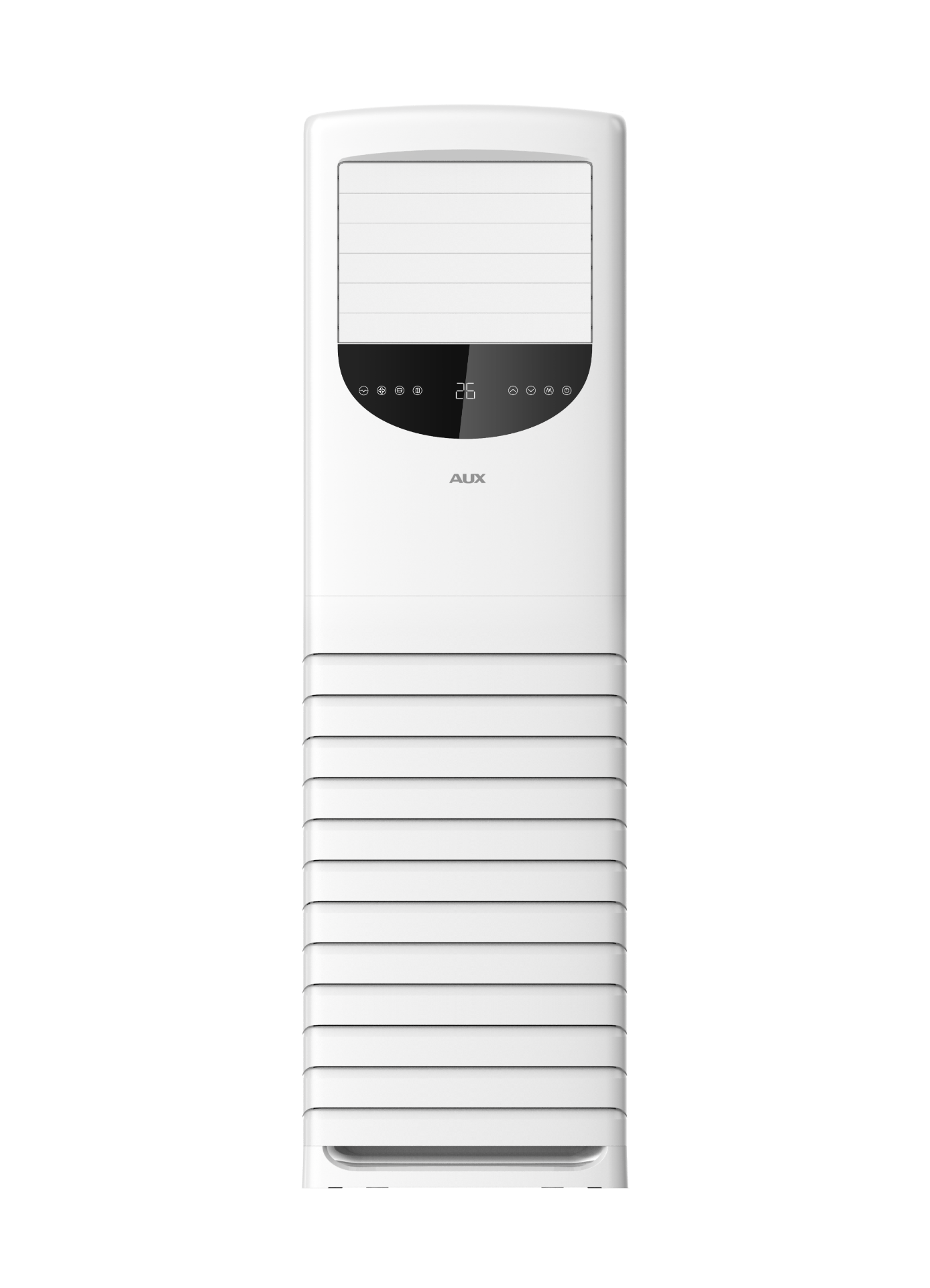
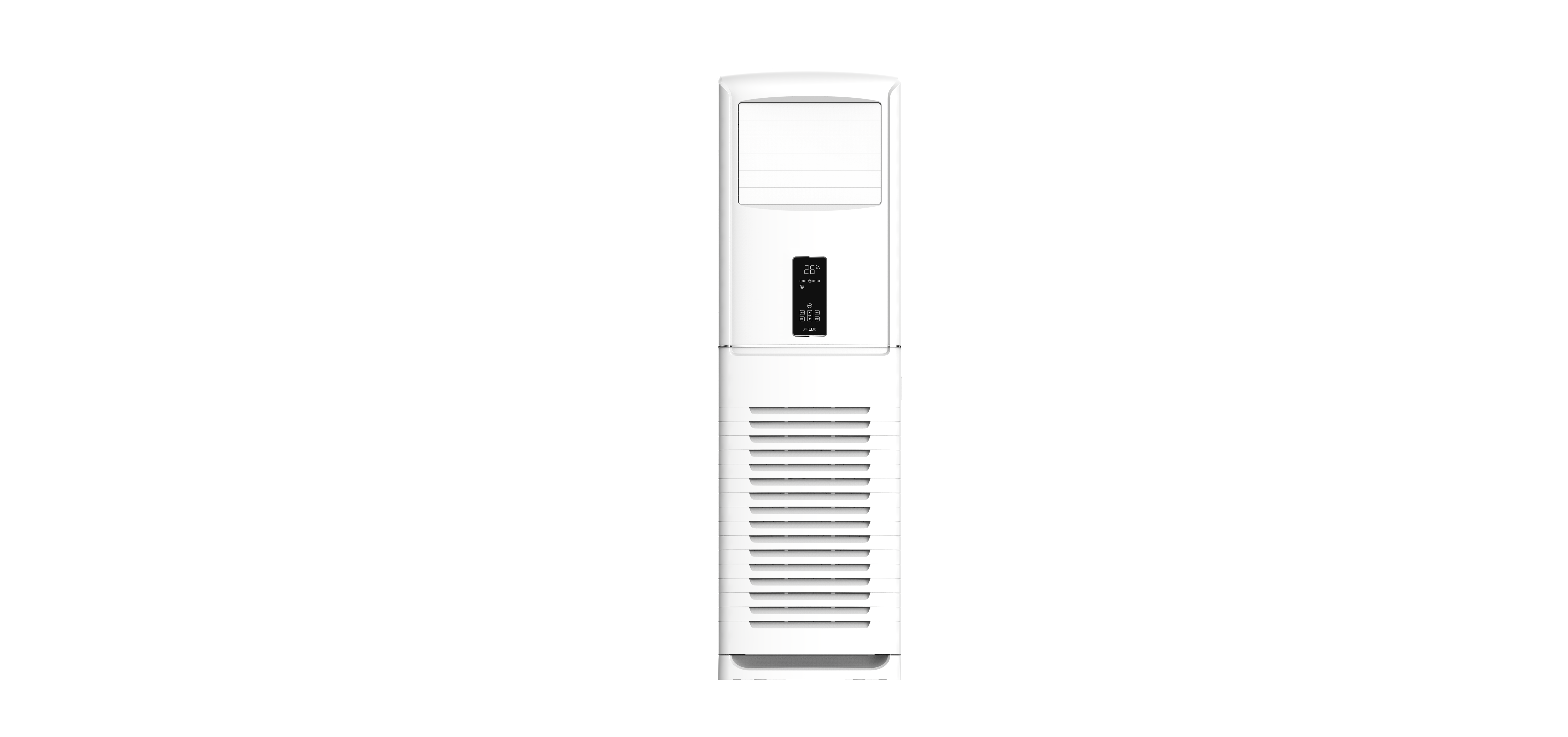
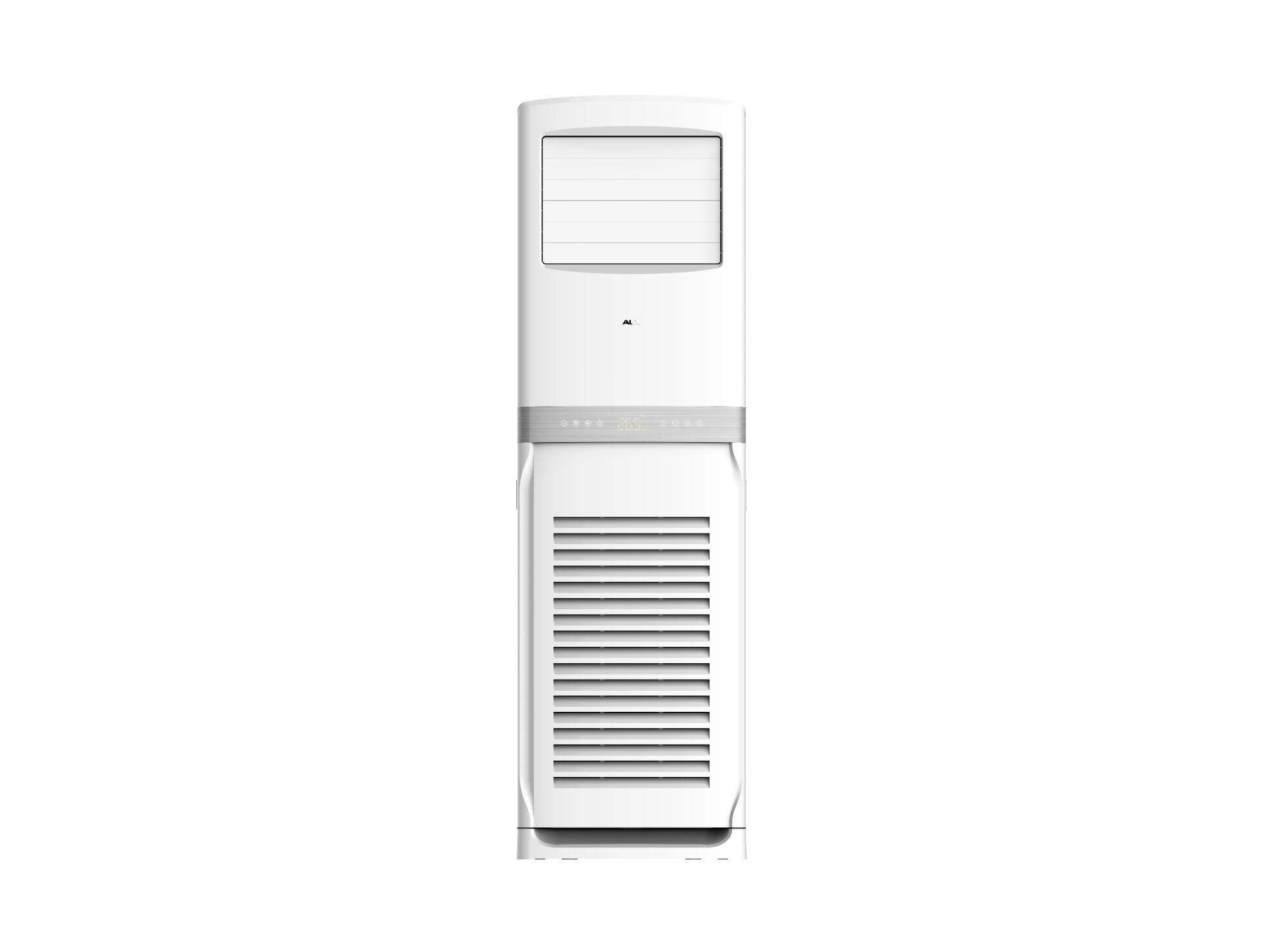
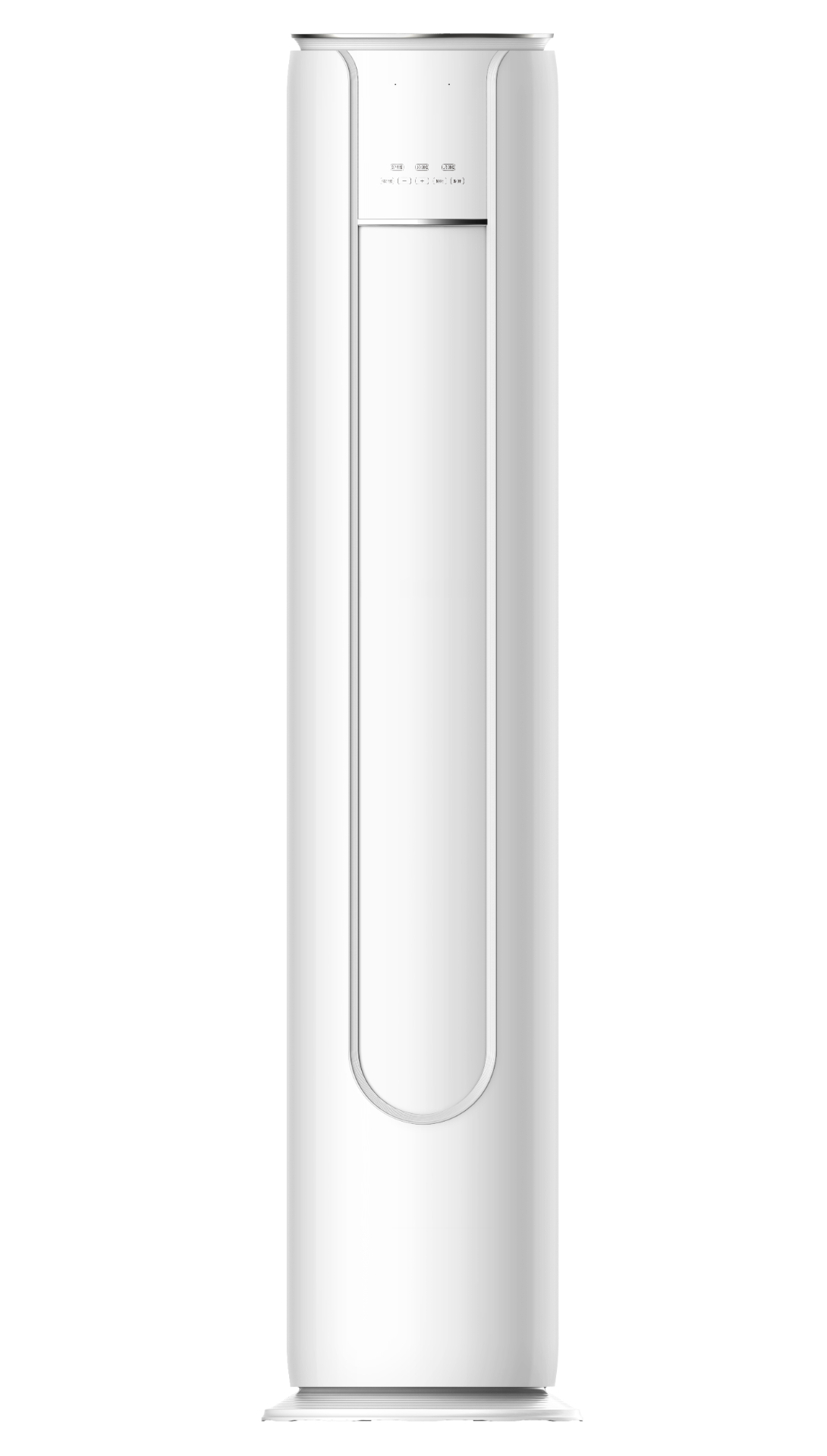
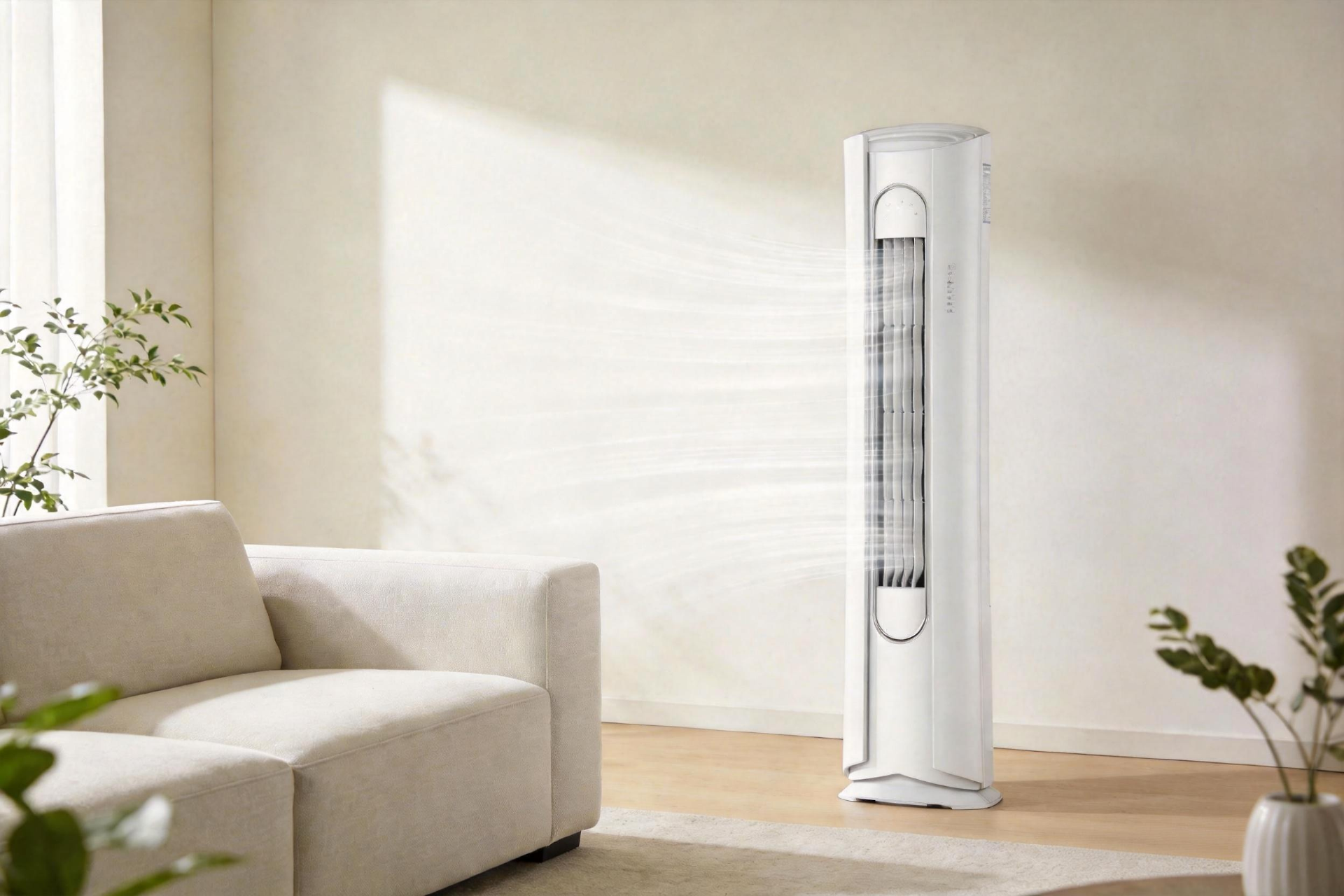
l Floor-Standing Solutions:If you need powerful heating and cooling support for a large living room or open-plan area, a Vertical Air Conditioner is the more suitable choice. AUX's Inverter Floor Standing Air Conditioner is specifically optimized for large spaces; its slim footprint lets it blend effortlessly into your furniture layout. Thanks to strong long-distance airflow and multi-dimensional air-delivery technology, this solution helps each area of a large space quickly reach the ideal temperature, while still delivering the energy-saving performance of its inverter system.
Understanding how a mini-split air conditioning system works is only the first step. One of the most common follow-up questions is: What size mini-split do I need? Choosing the right size directly affects comfort, energy efficiency, and the lifespan of the system.