







Global - English



As temperatures rise during the summer, electricity bills tend to increase—largely due to the frequent use of air conditioners. Among all cooling options, a split air conditioner (split AC) is one of the most common choices for homes.
But how much electricity does a split AC actually use? And more importantly, how much does it cost to run every day?
In this guide, you’ll learn how much electricity a split AC uses per hour, what it typically costs to run, and how to reduce your overall energy consumption.
Understanding Split AC Power Consumption and How to Calculate It
A key concern for homeowners is understanding how much electricity a split AC unit consumes and how to estimate monthly energy costs. This section explains split AC power consumption, provides a simple calculation method, and highlights factors that affect actual usage.
How Much Electricity Does a Split AC Use per Hour
A typical split air conditioner (split AC) consumes approximately 0.8–2.5 kWh per hour, depending on unit capacity, efficiency rating, and usage conditions. This range reflects commonly cited industry averages and manufacturer specifications for residential split AC units.
Typical power input by size:
-
- 1 Ton (12,000 BTU): ~0.8–1.2 kW
- 1.5 Ton (18,000 BTU): ~1.2–1.8 kW
- 2 Ton (24,000 BTU+): ~1.8–2.5 kW
Note: Actual electricity consumption varies with factors such as inverter technology, room size, temperature settings, and usage patterns.
How to Calculate Split AC Electricity Usage
You can estimate electricity consumption using a simple formula:
Power (kW) × Running Time (hours) = Energy Consumption (kWh)
Example: A typical 1.5 ton split AC unit with a power input of ~1.2 kW running 8 hours per day:
Calculation: 1.2 kW × 8 hours = 9.6 kWh per day
Over a month (30 days): 9.6 kWh × 30 days = 288 kWh
This value can then be multiplied by your local electricity rate to estimate the cost of running the AC.
Why Split AC Electricity Consumption May Vary
Actual electricity usage is usually lower than the maximum calculated value because:
-
- The compressor does not run continuously
- Inverter air conditioners adjust power based on cooling demand
- Environmental conditions such as room insulation, outdoor temperature, and airflow affect operation time
Key Factors That Affect Split AC Electricity Consumption
Split AC electricity consumption is influenced not only by the unit itself, but also by room conditions, usage habits, and overall system efficiency. Understanding these factors can help you choose an energy efficient split system and effectively reduce your electricity bills.
Room Conditions and AC Capacity (BTU / Ton)
Room size, ceiling height, sun exposure, and insulation all determine the actual cooling demand. Larger spaces or poorly insulated rooms require more cooling, forcing the AC to run longer and consume more electricity.
To achieve optimal efficiency, the AC capacity must match the room requirements. Typical recommendations for mini-split indoor units:
-
- 9,000 – 12,000 BTU Units: Suitable for small rooms (bedrooms, offices). Indoor units typically measure 30–33 inches wide, compact enough for narrow wall sections or “over-the-door” placement.
- 18,000 – 24,000 BTU Units: Ideal for medium-sized spaces (living rooms). Indoor unit width generally 40 inches or more to accommodate a larger heat exchanger.
- 30,000 BTU and above Units: Best for large areas or open layouts. These models have a significantly larger footprint and require enough wall space for unobstructed air circulation.
Properly matching the room’s cooling demand with the AC’s capacity and indoor unit size is key to efficient energy consumption and a comfortable indoor environment.
Energy Efficiency (EER / SEER)
The energy efficiency of an air conditioner plays a crucial role in determining its electricity consumption. Units with higher EER (Energy Efficiency Ratio) or SEER (Seasonal Energy Efficiency Ratio) can deliver the same cooling output while consuming less power.
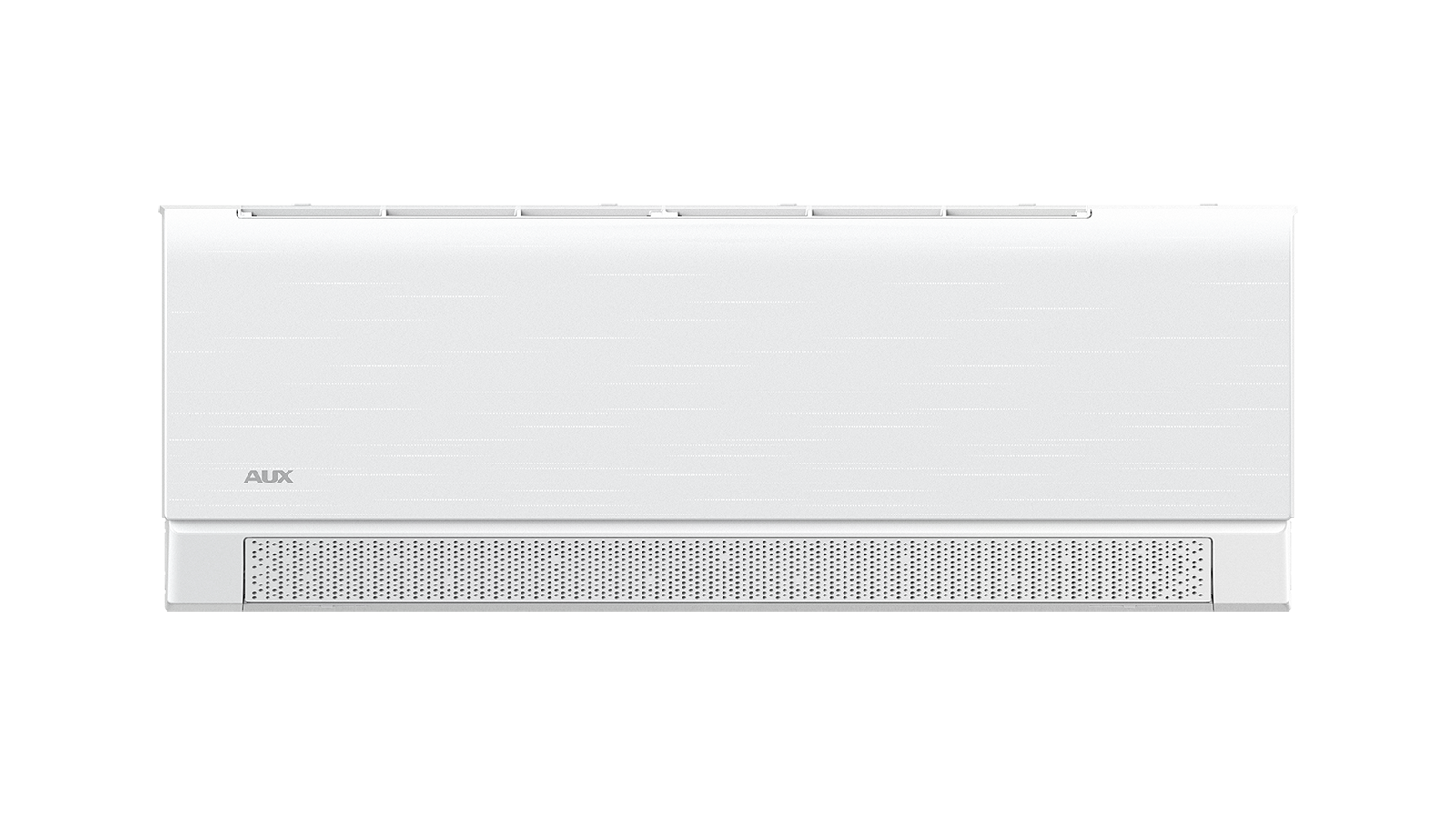
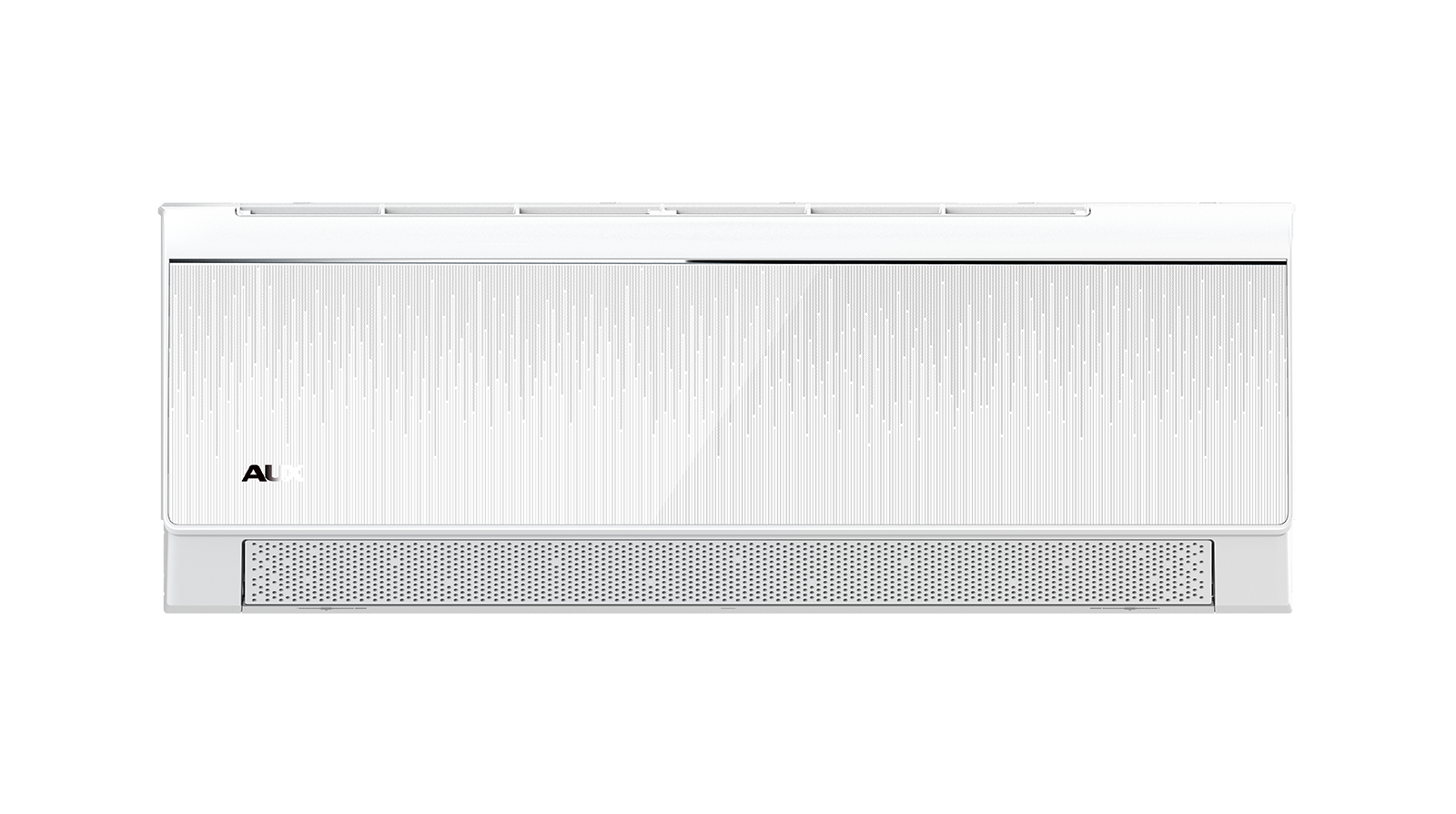
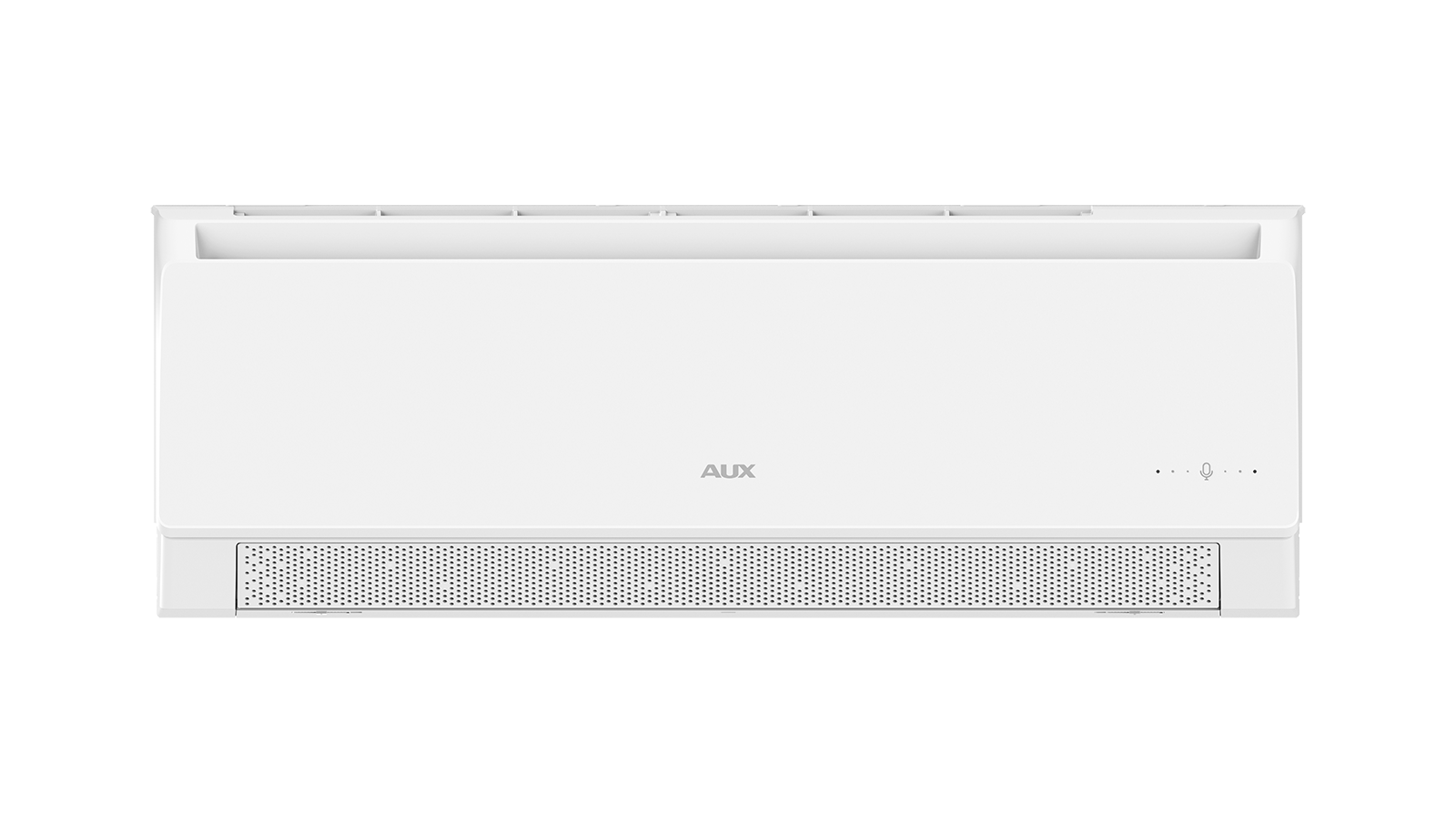
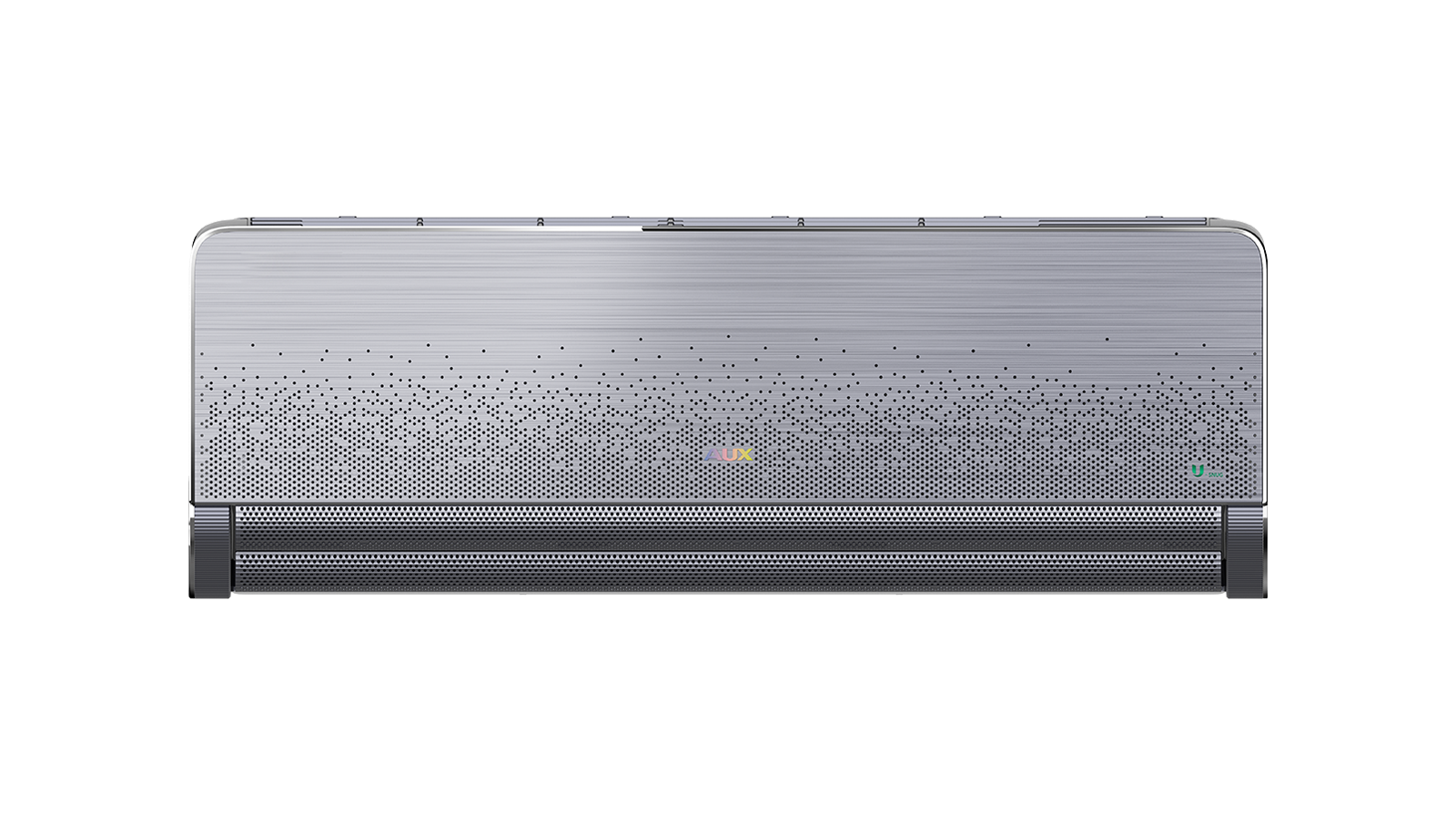
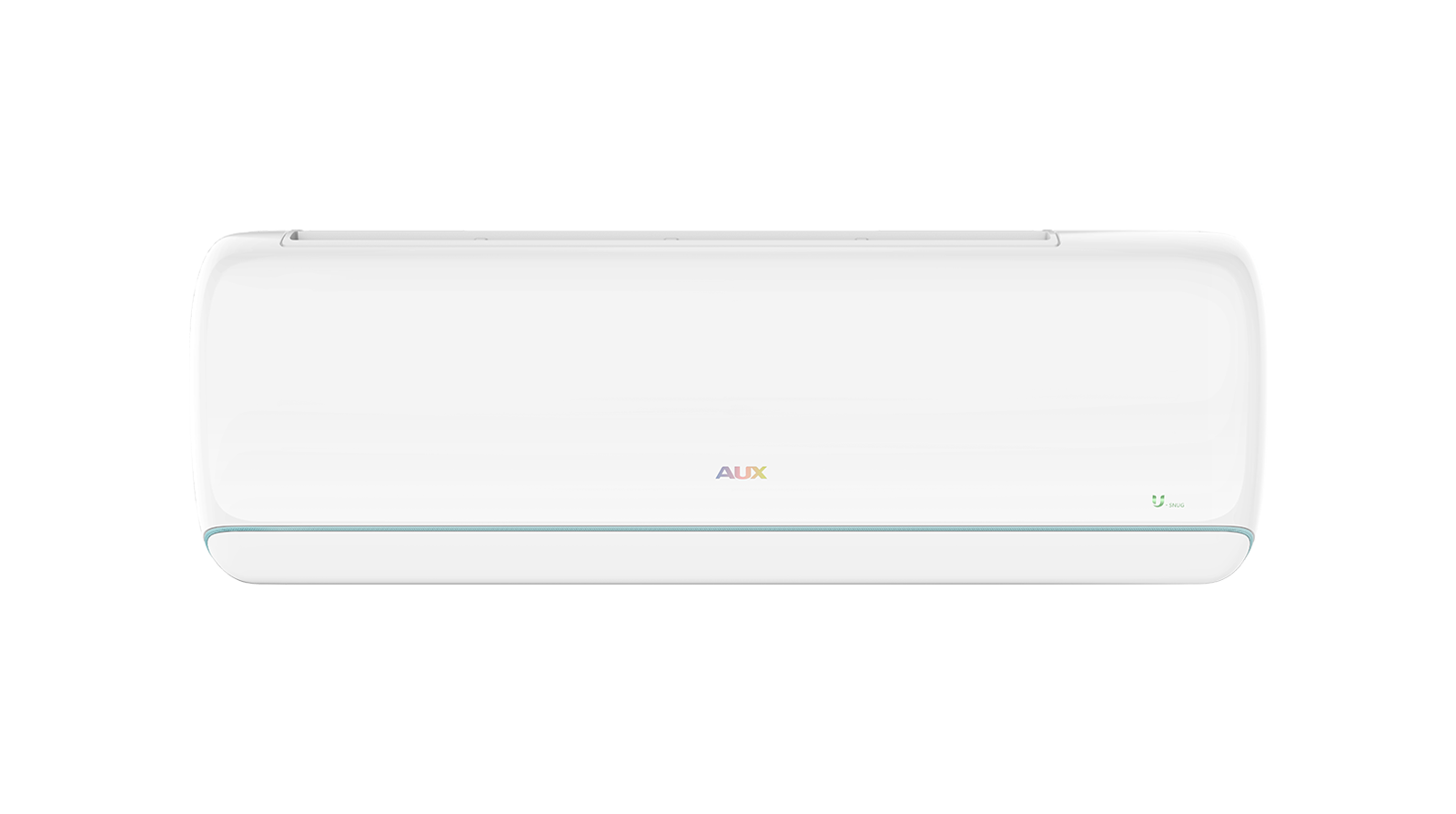
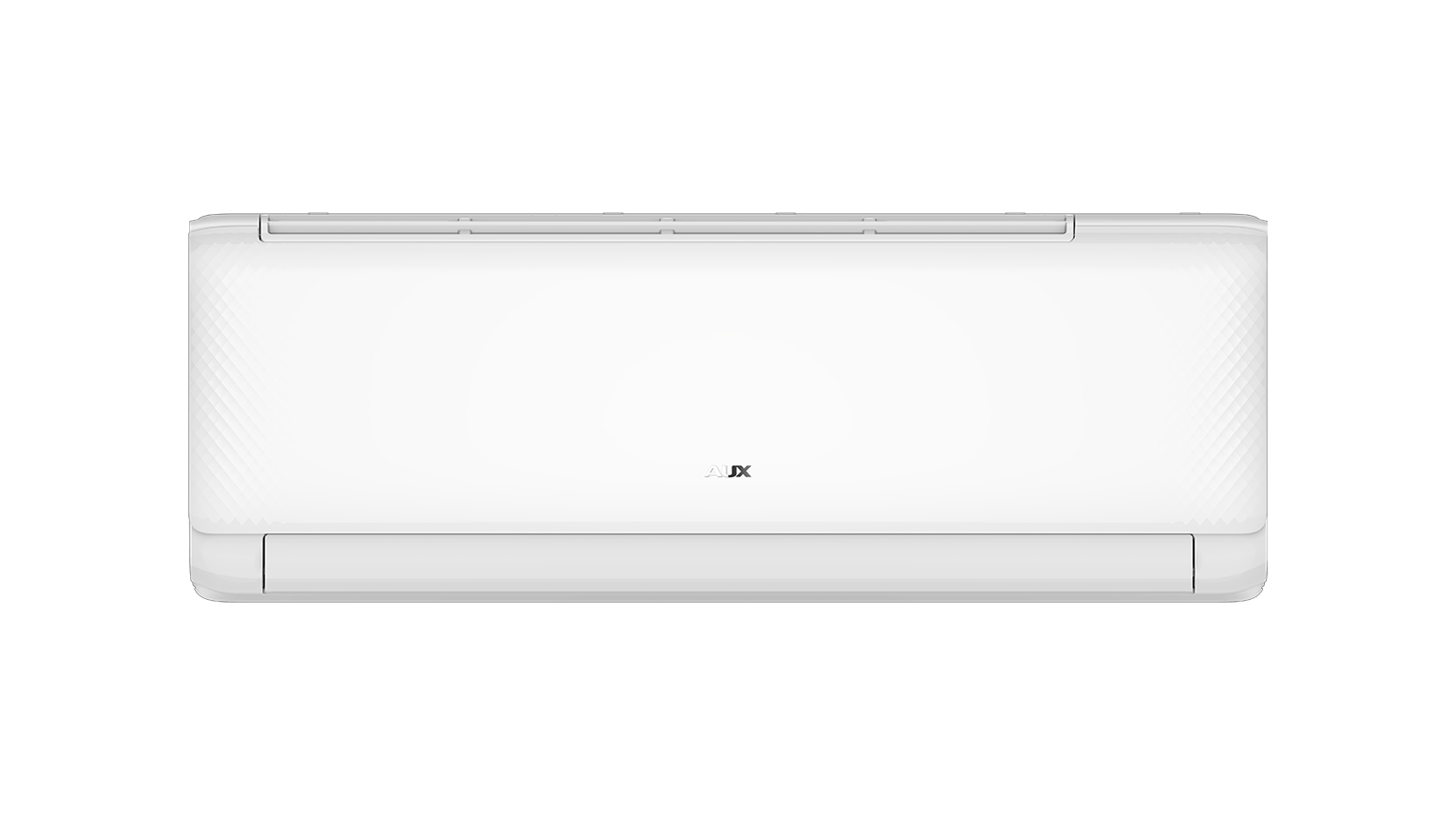
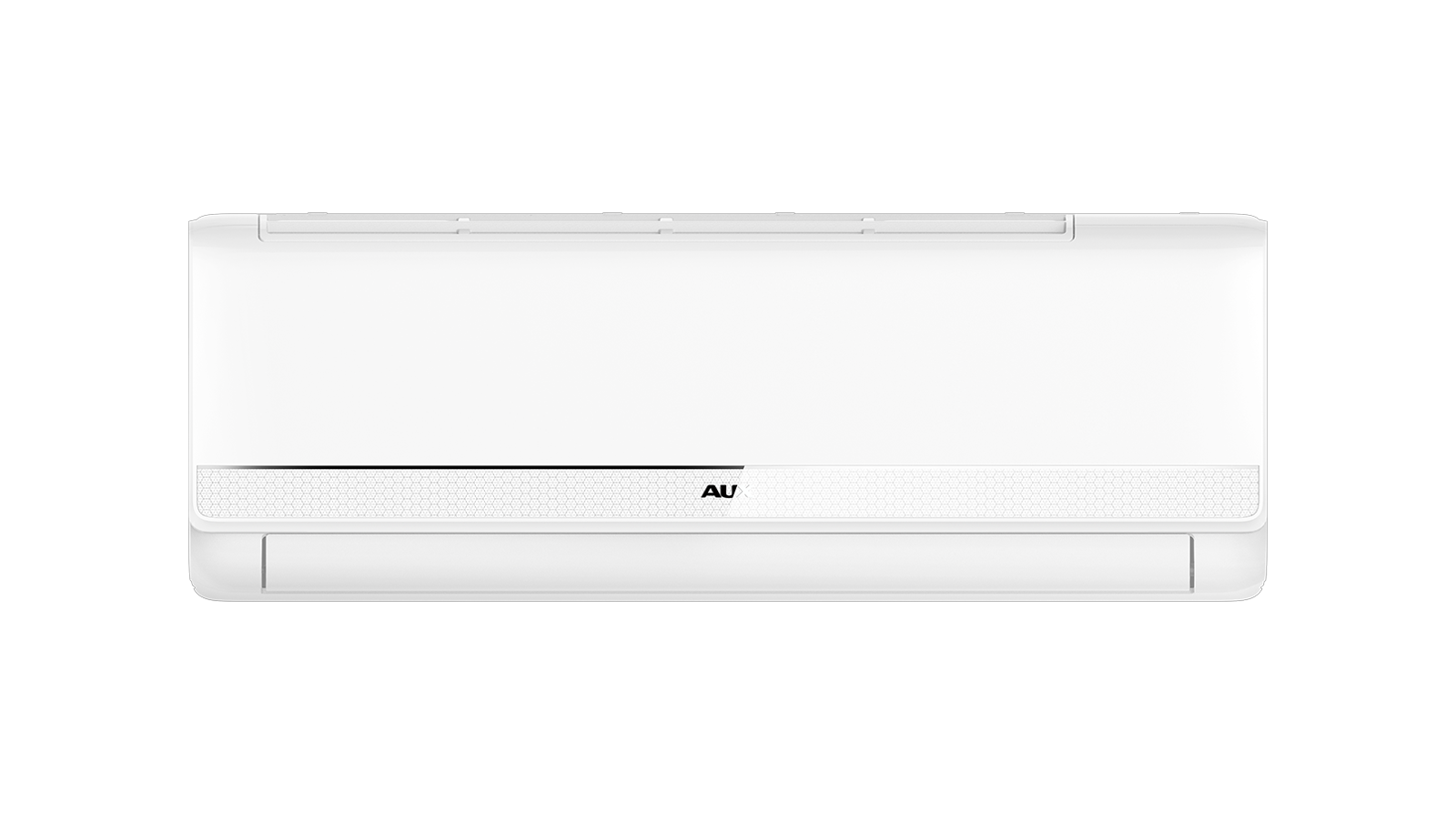
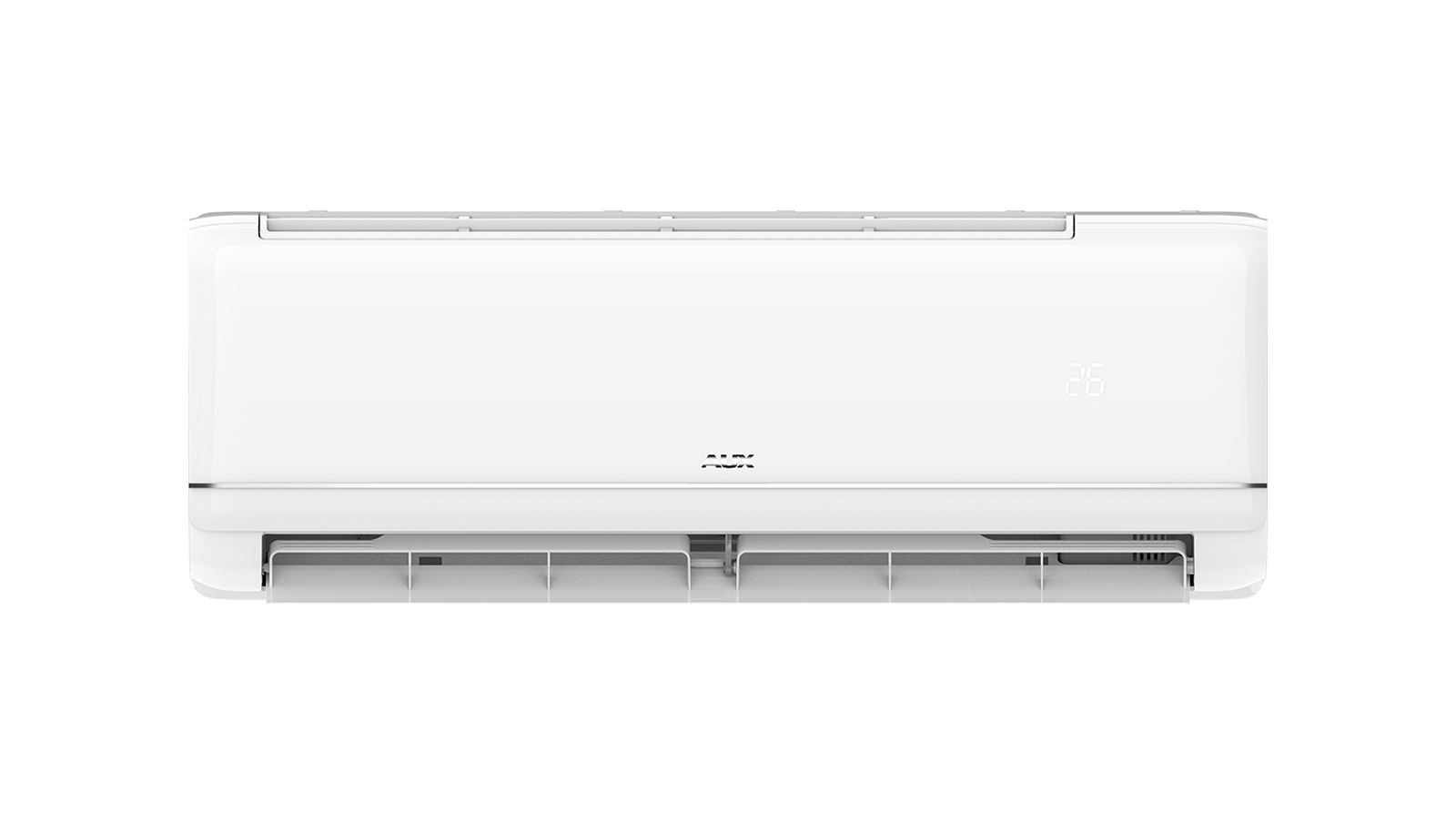
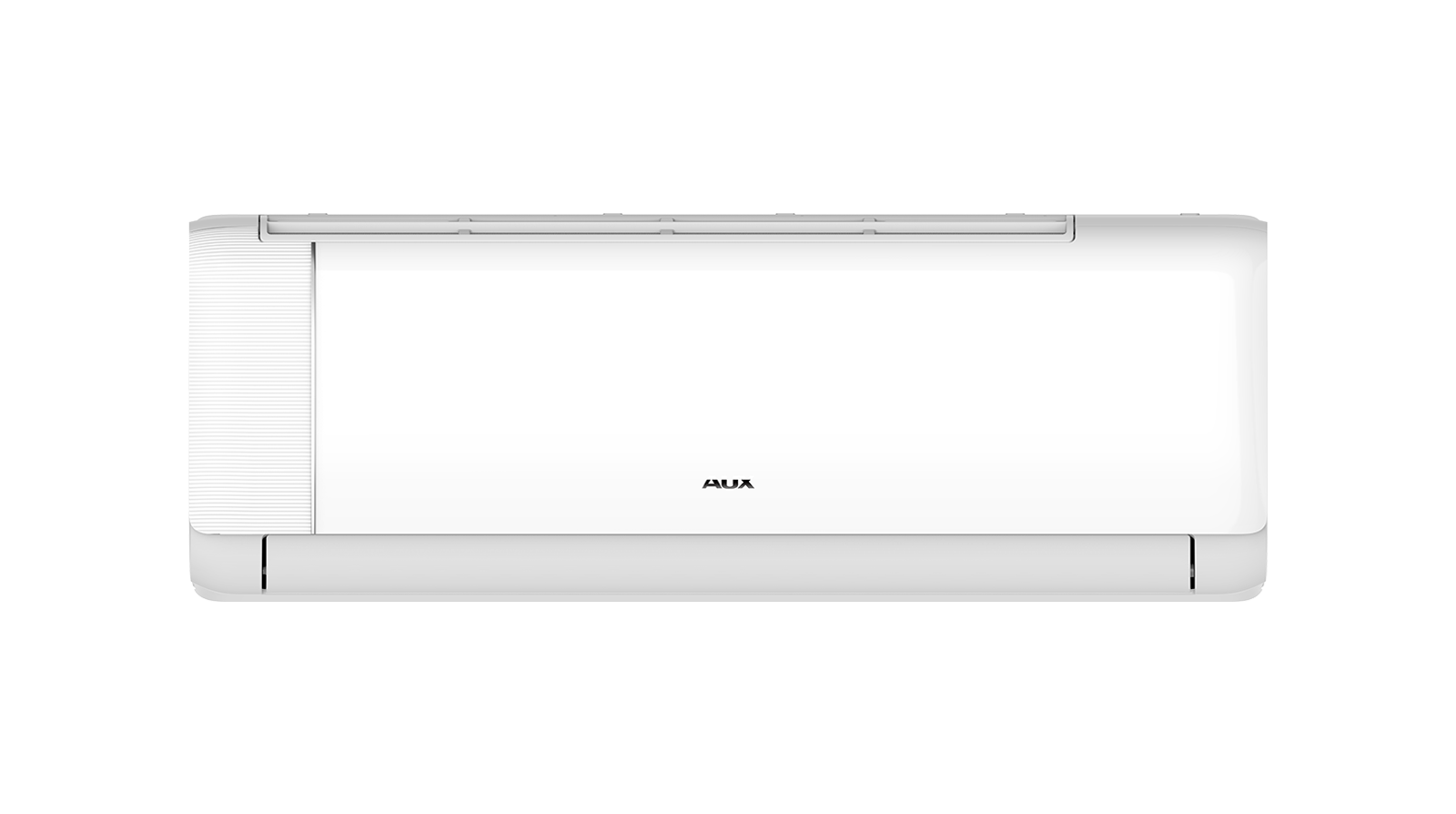
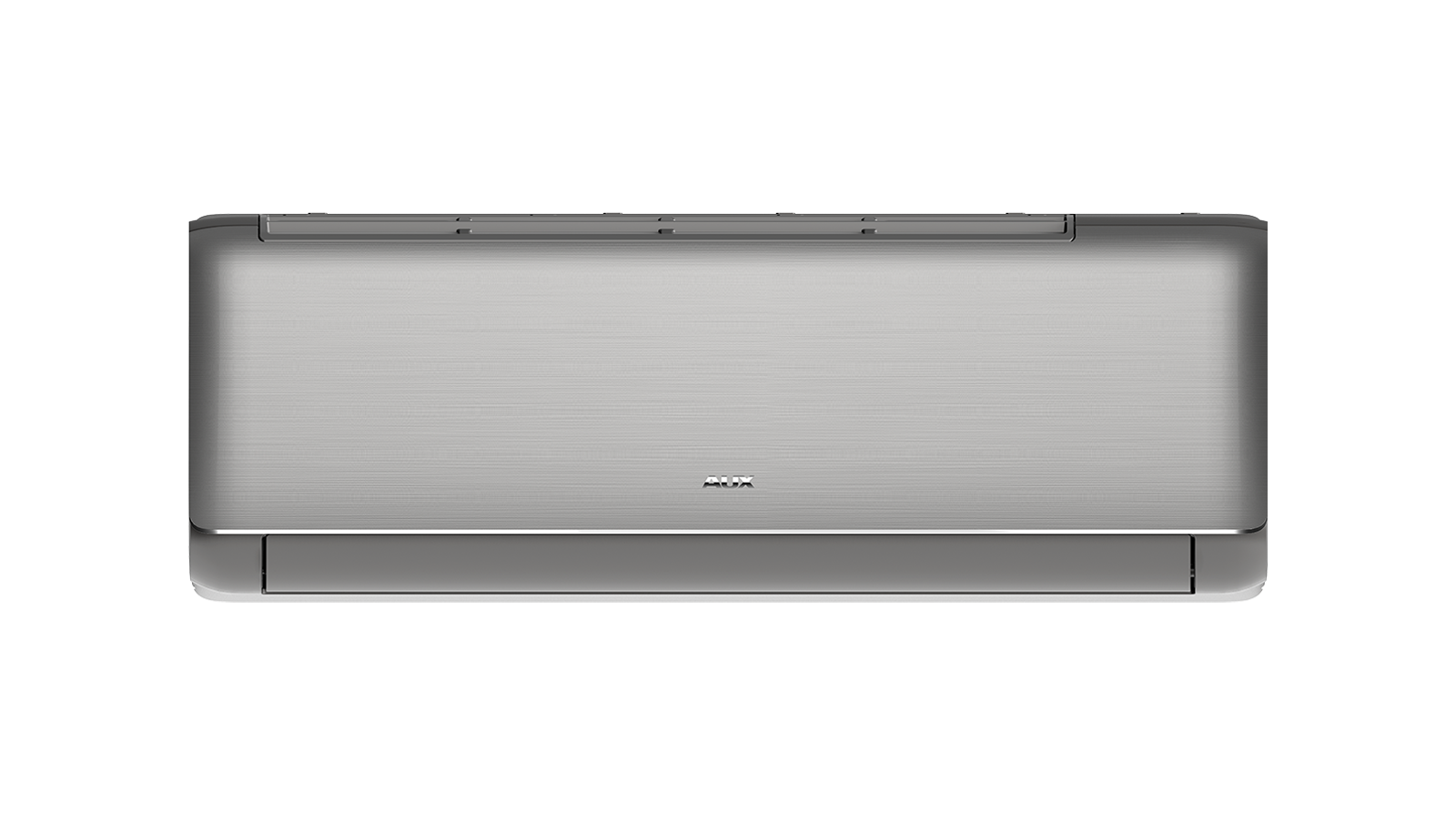
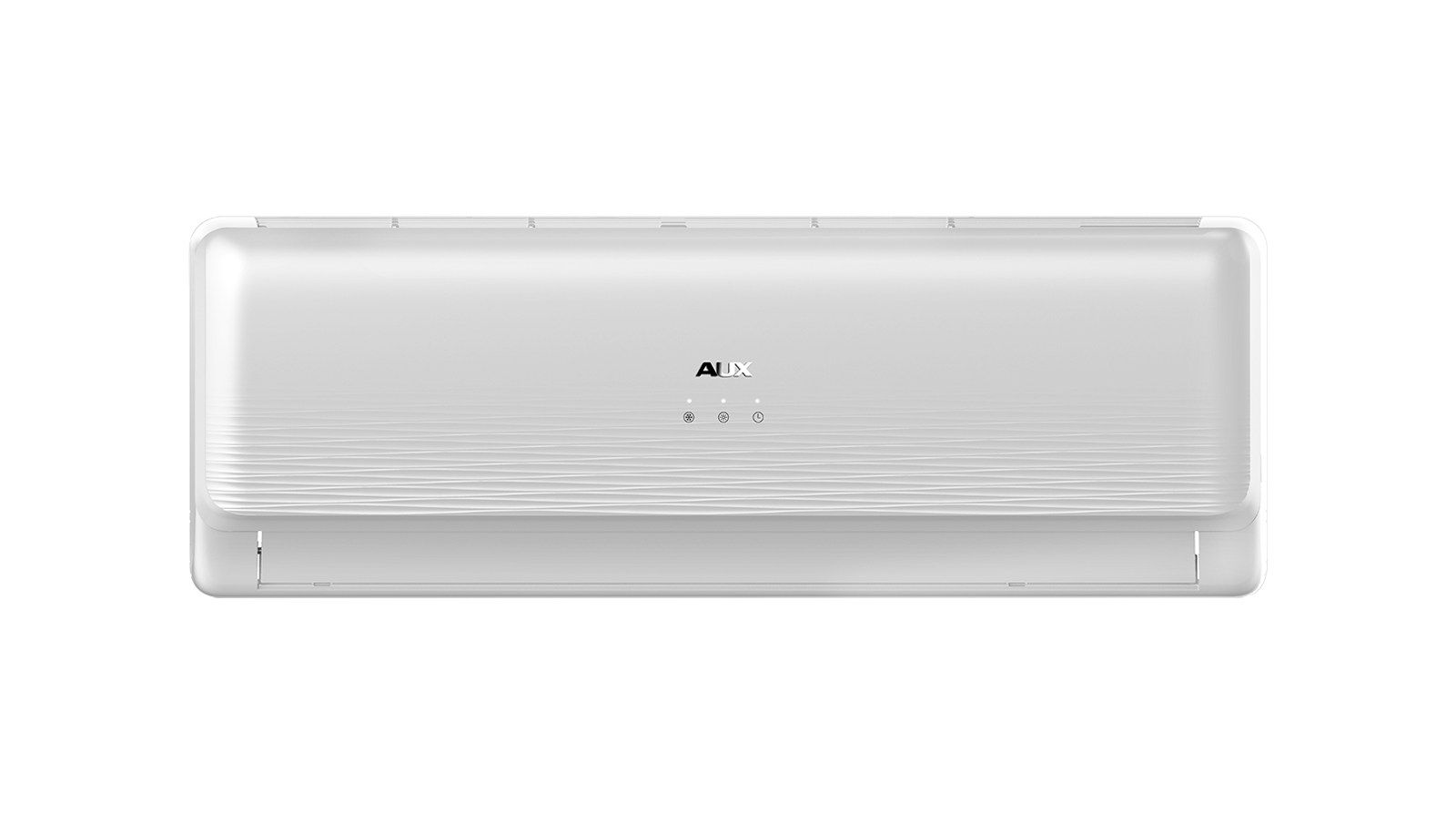
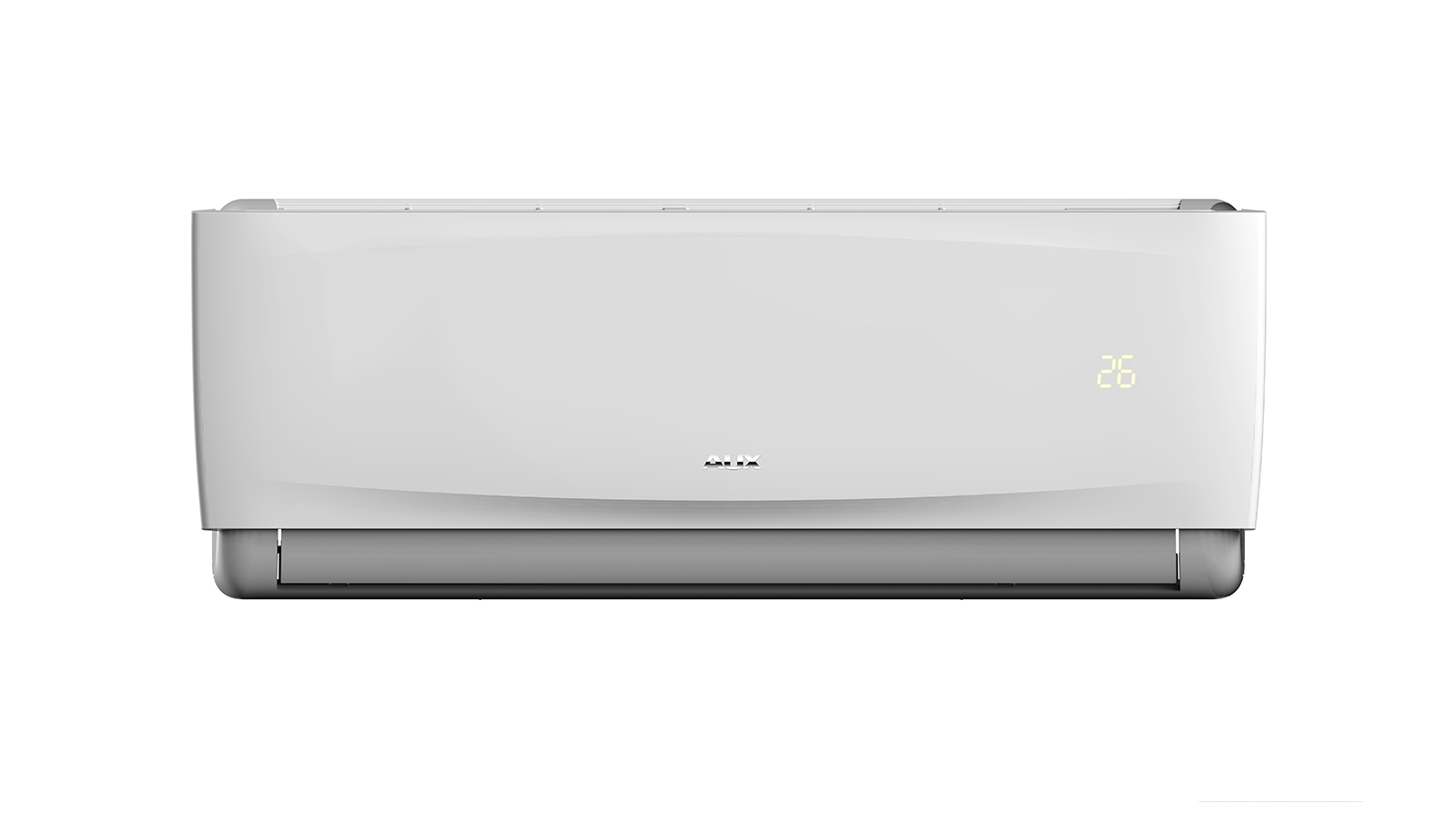
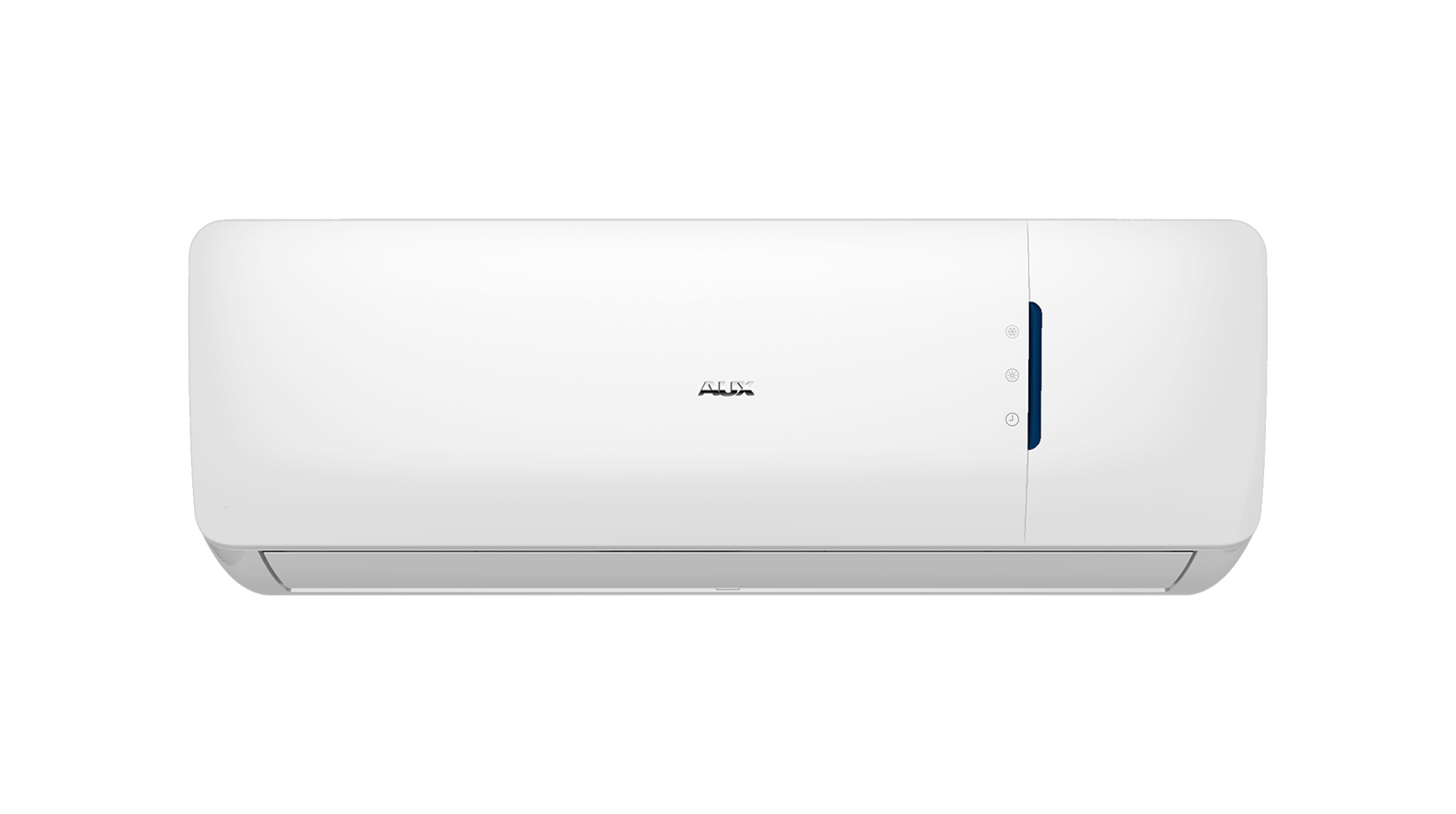
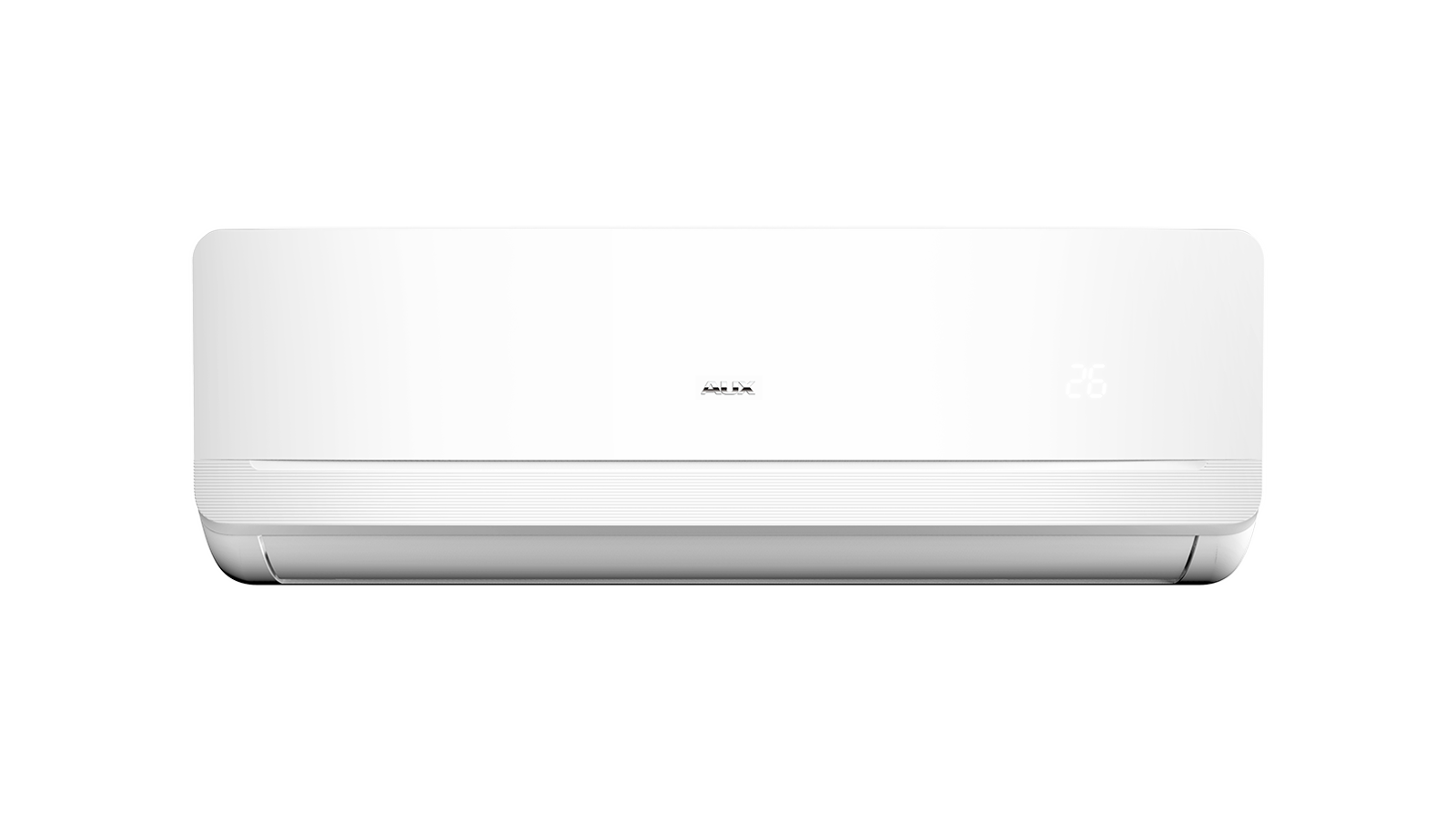
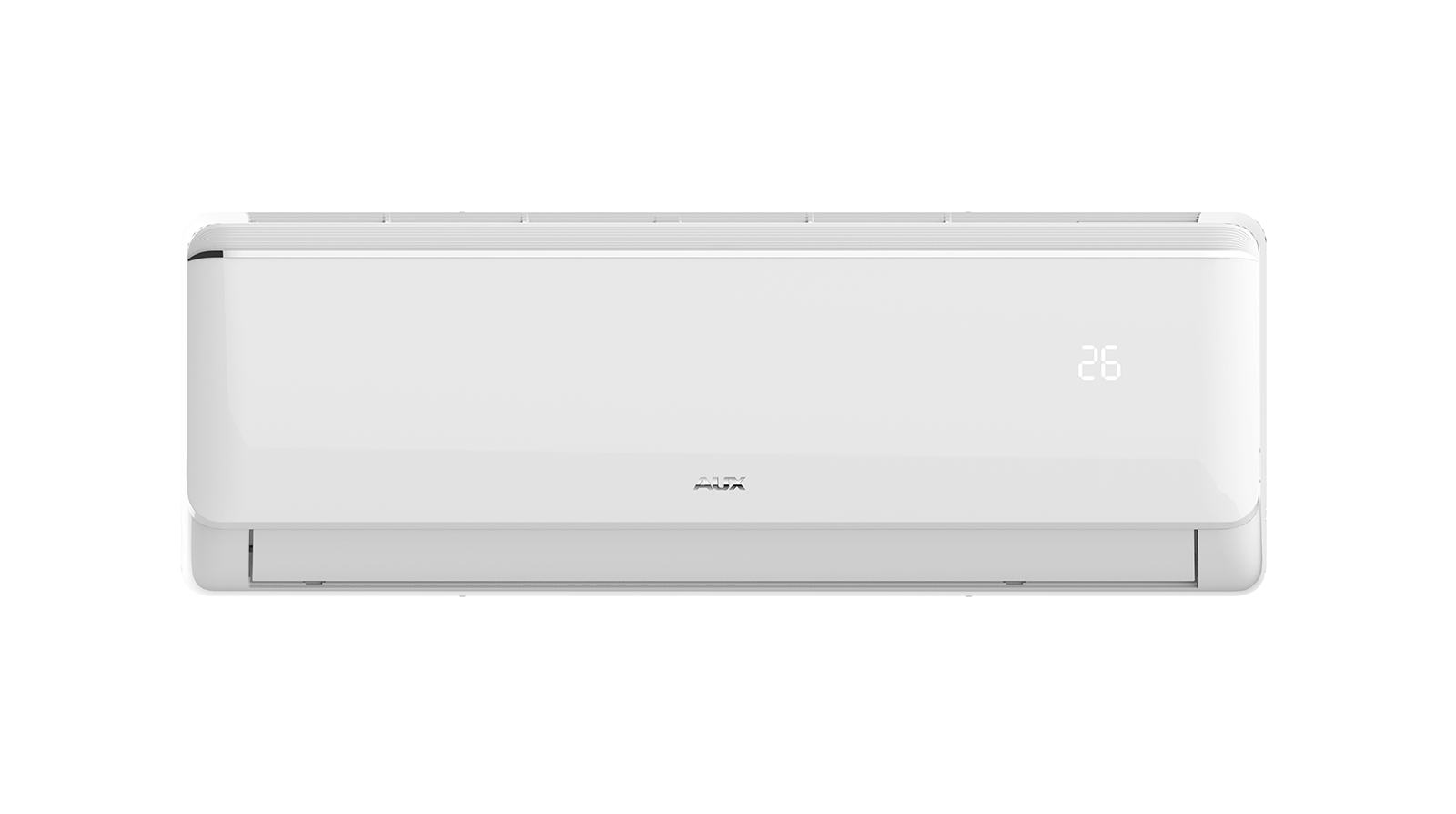
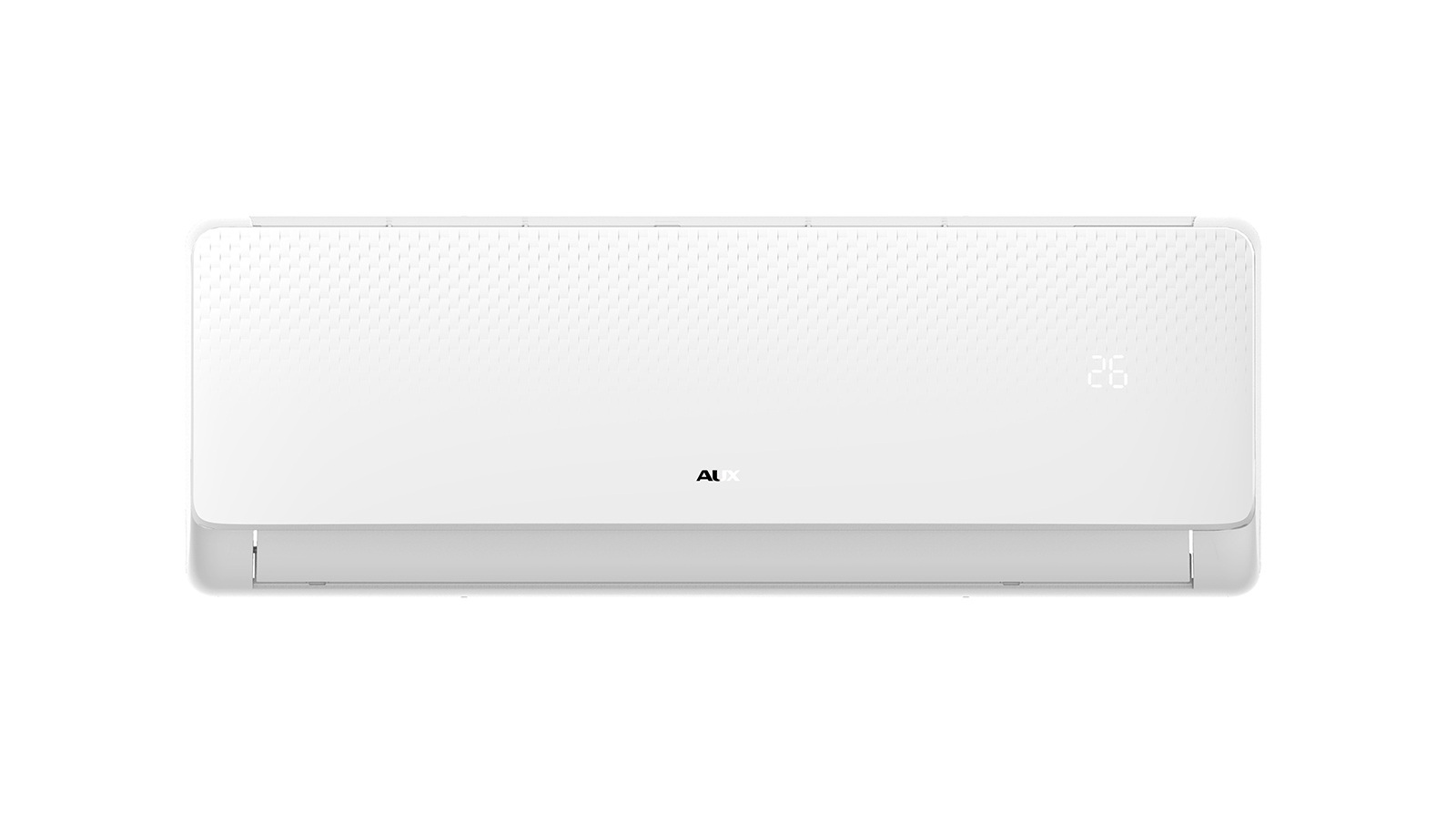
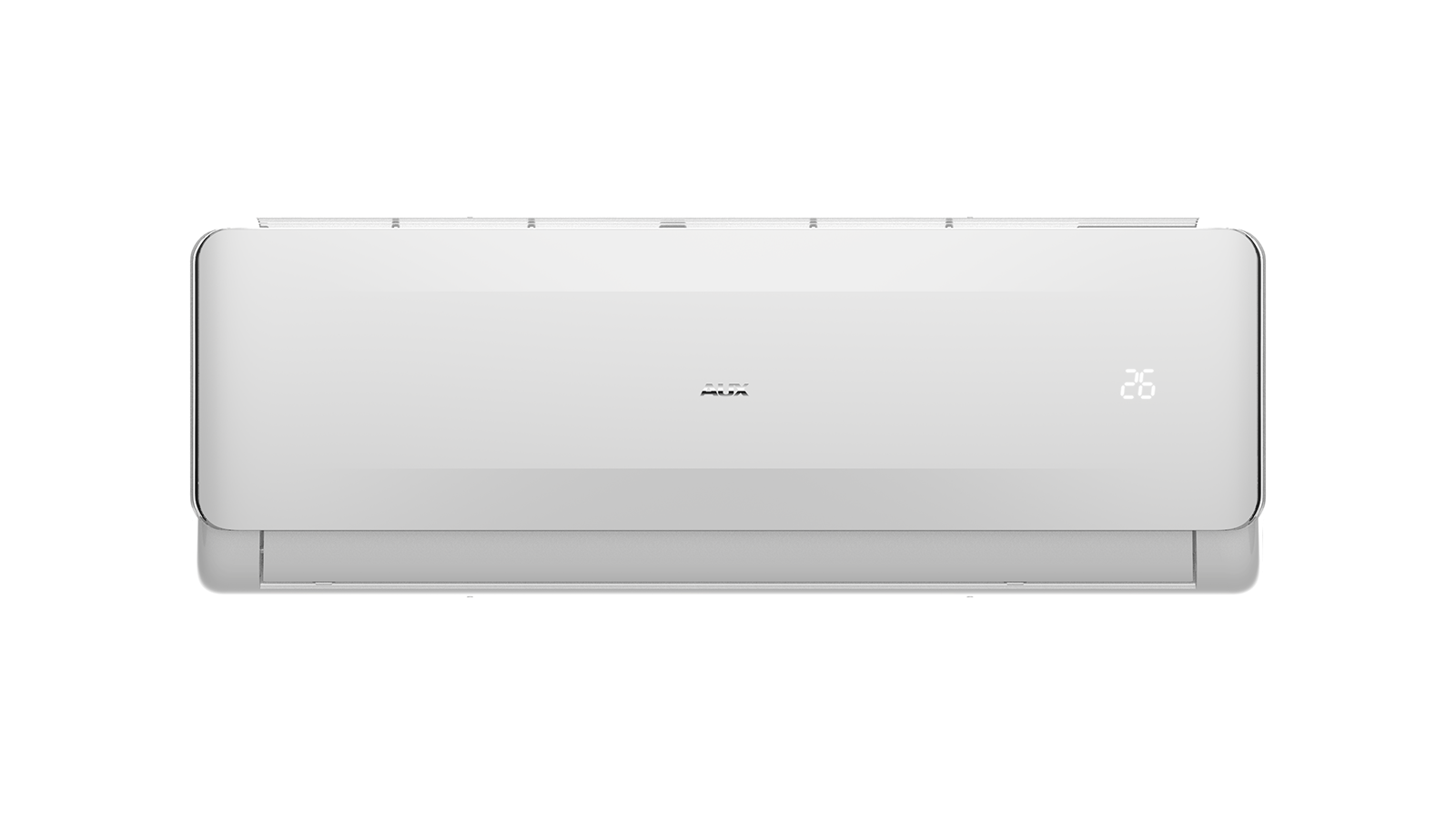
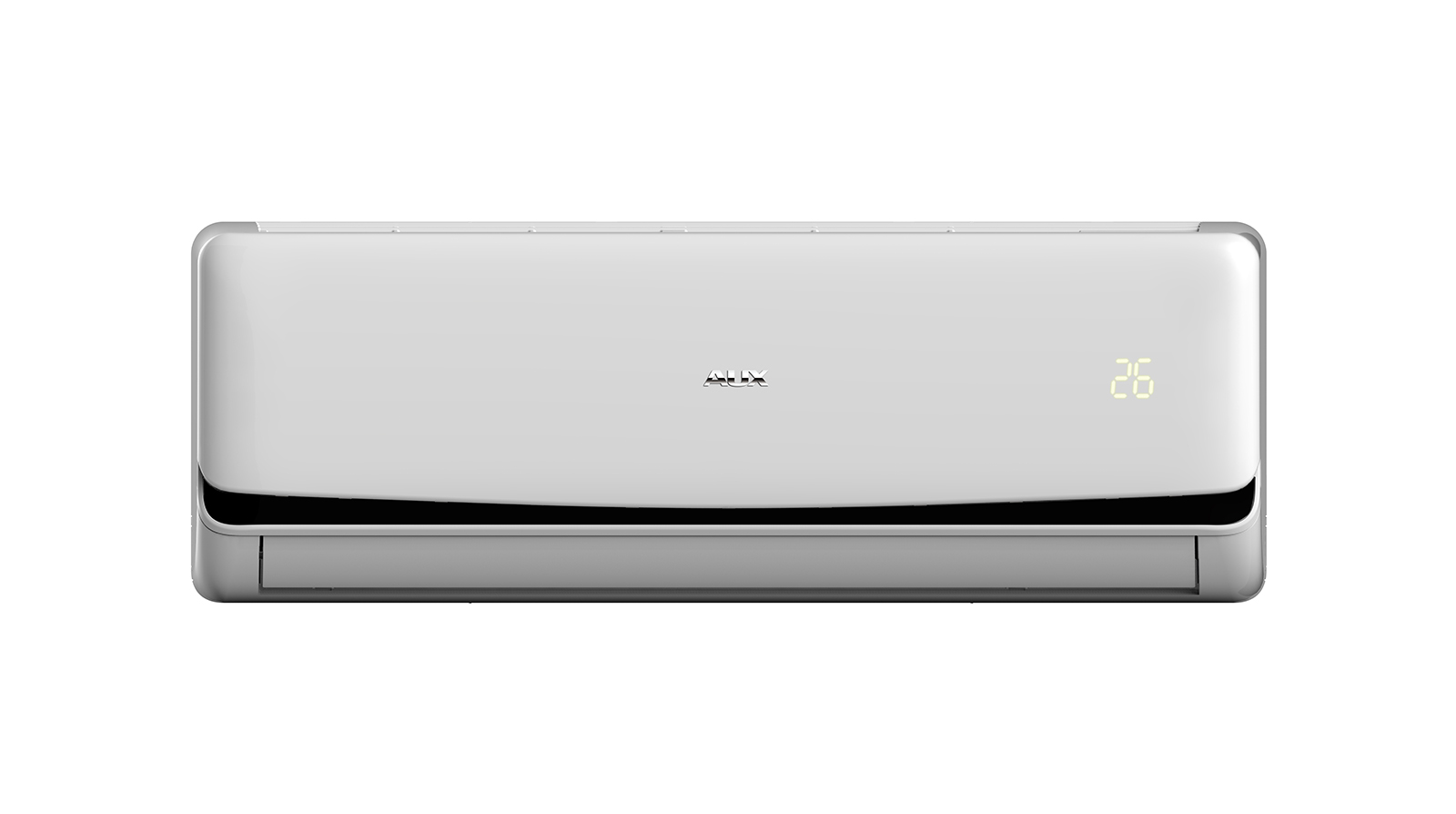
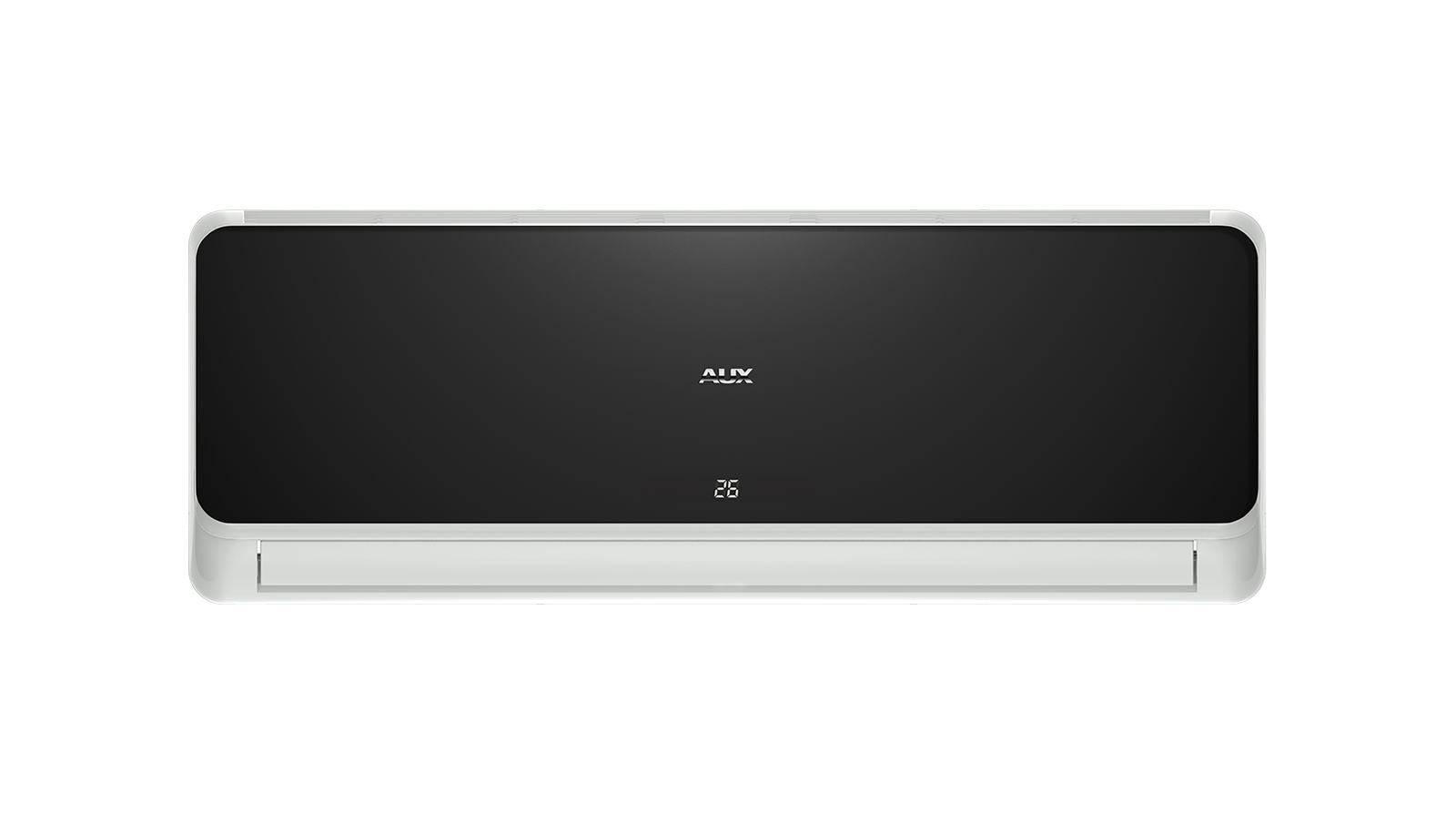
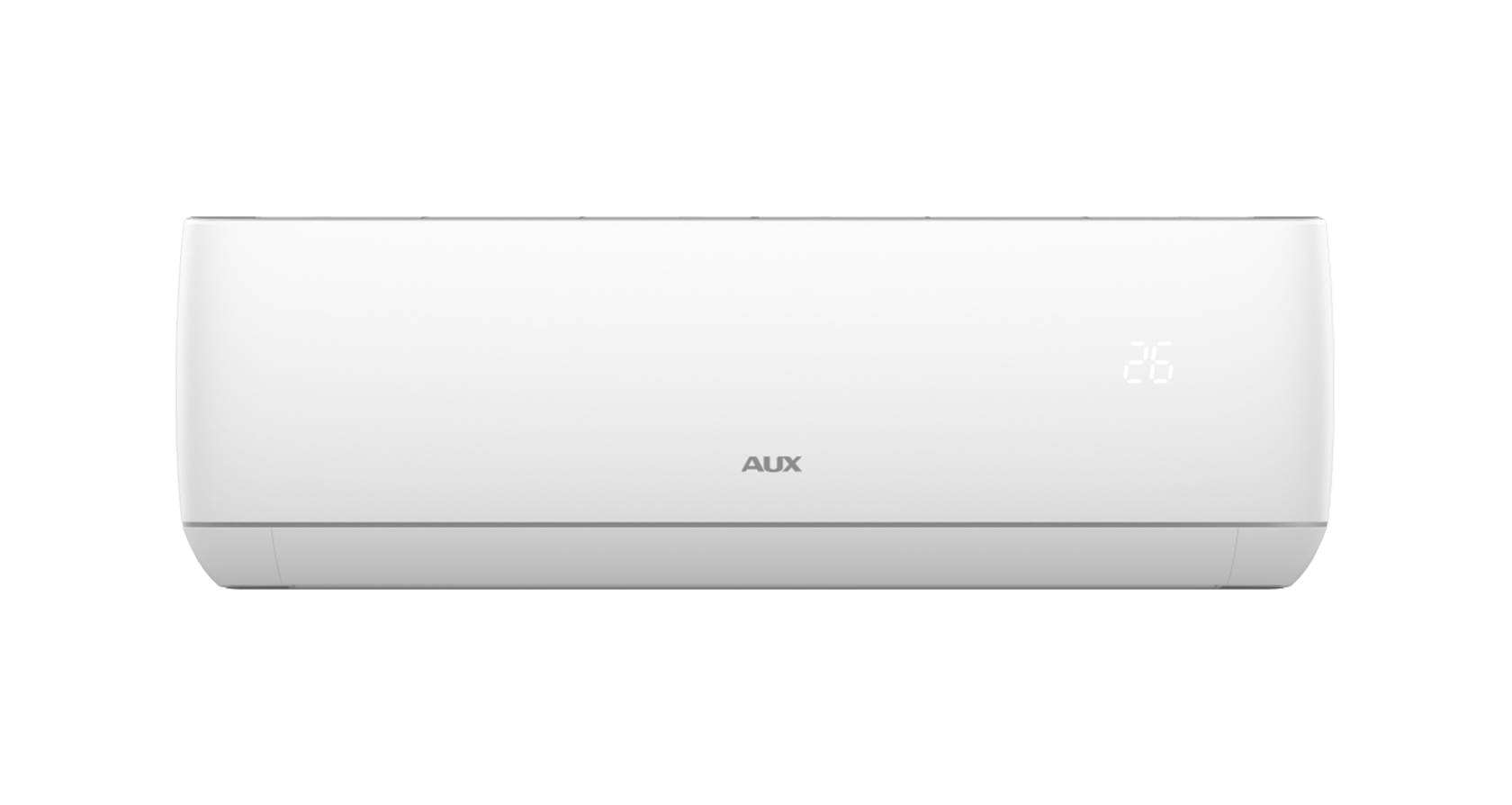
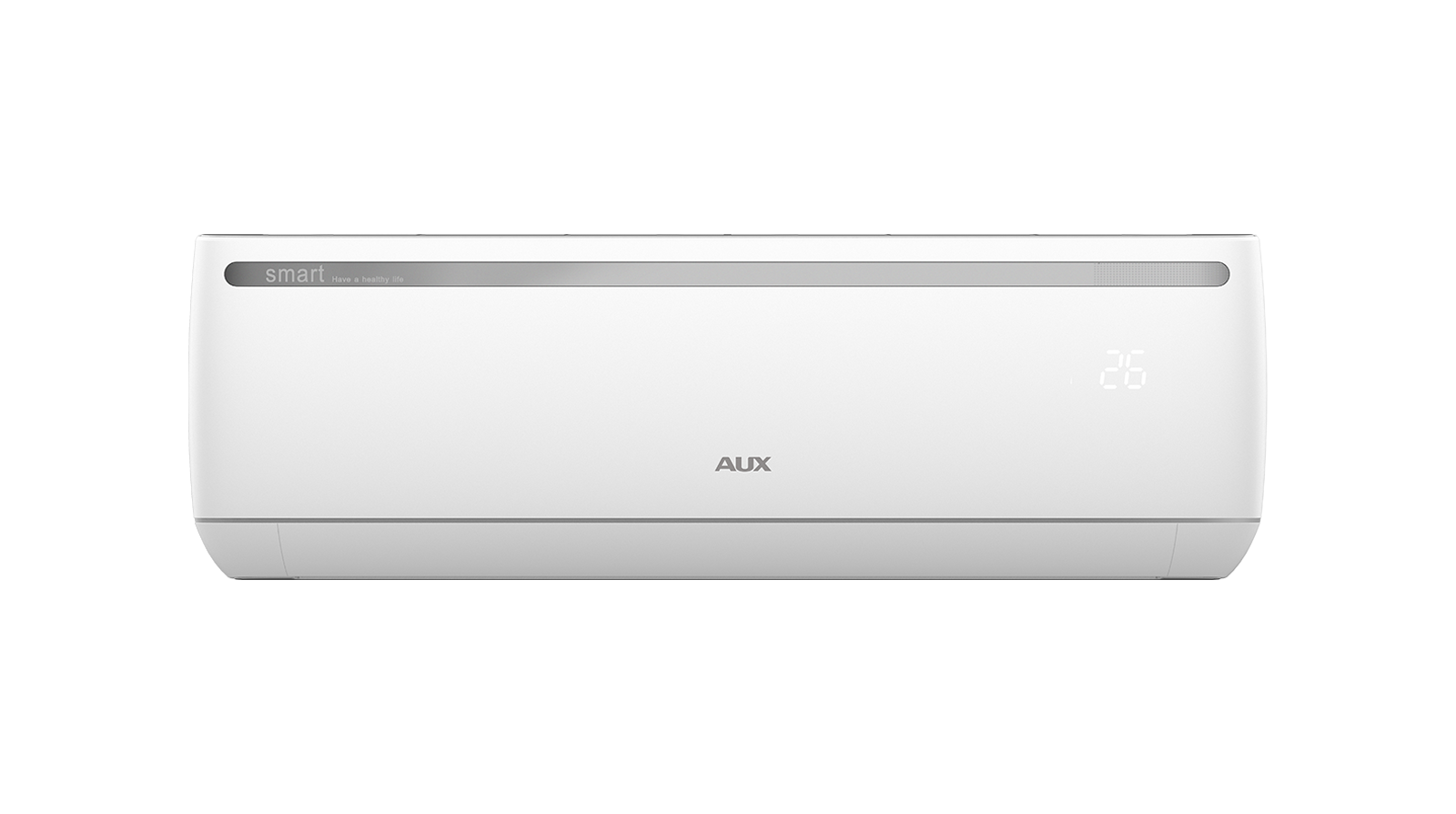
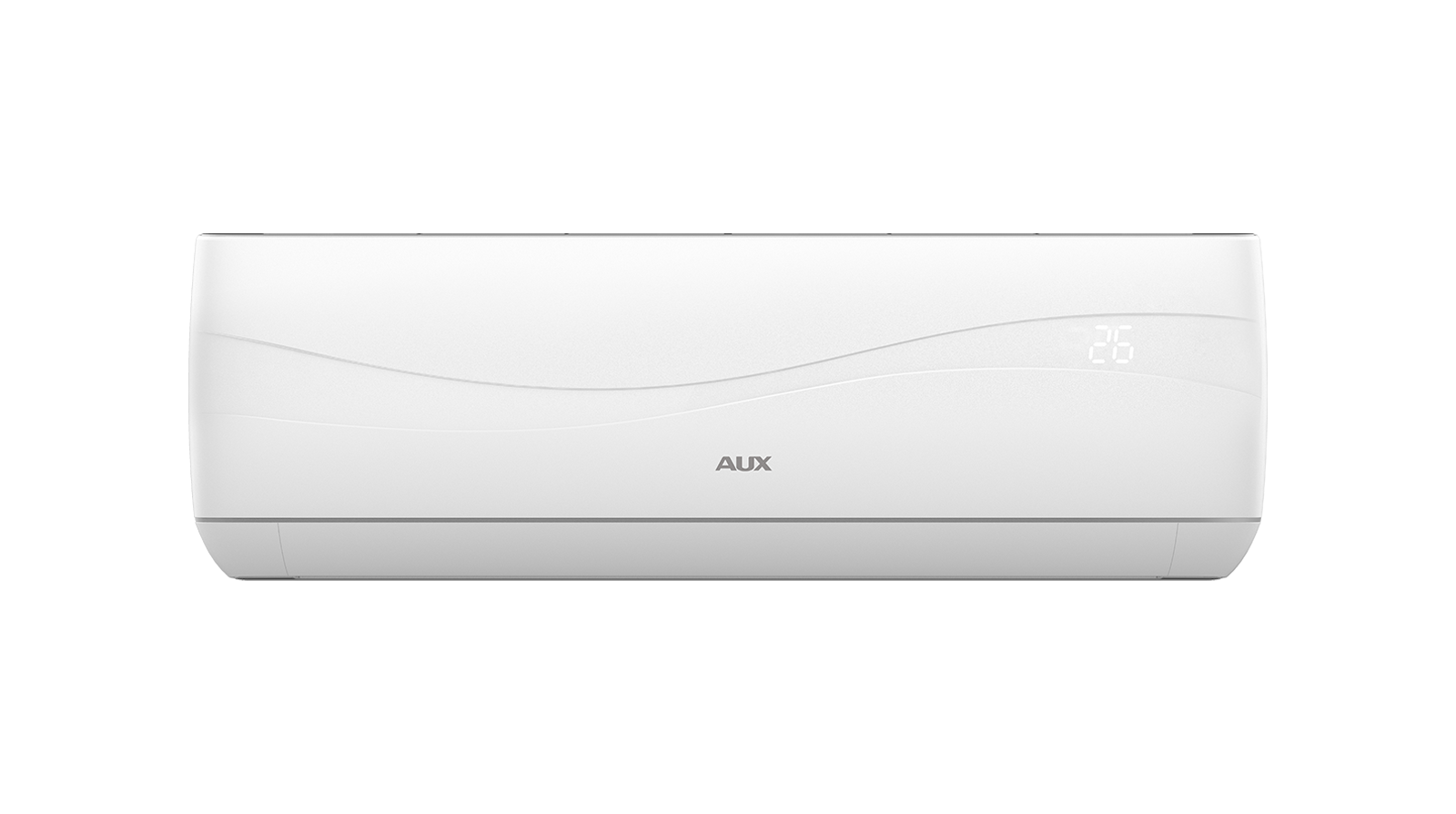
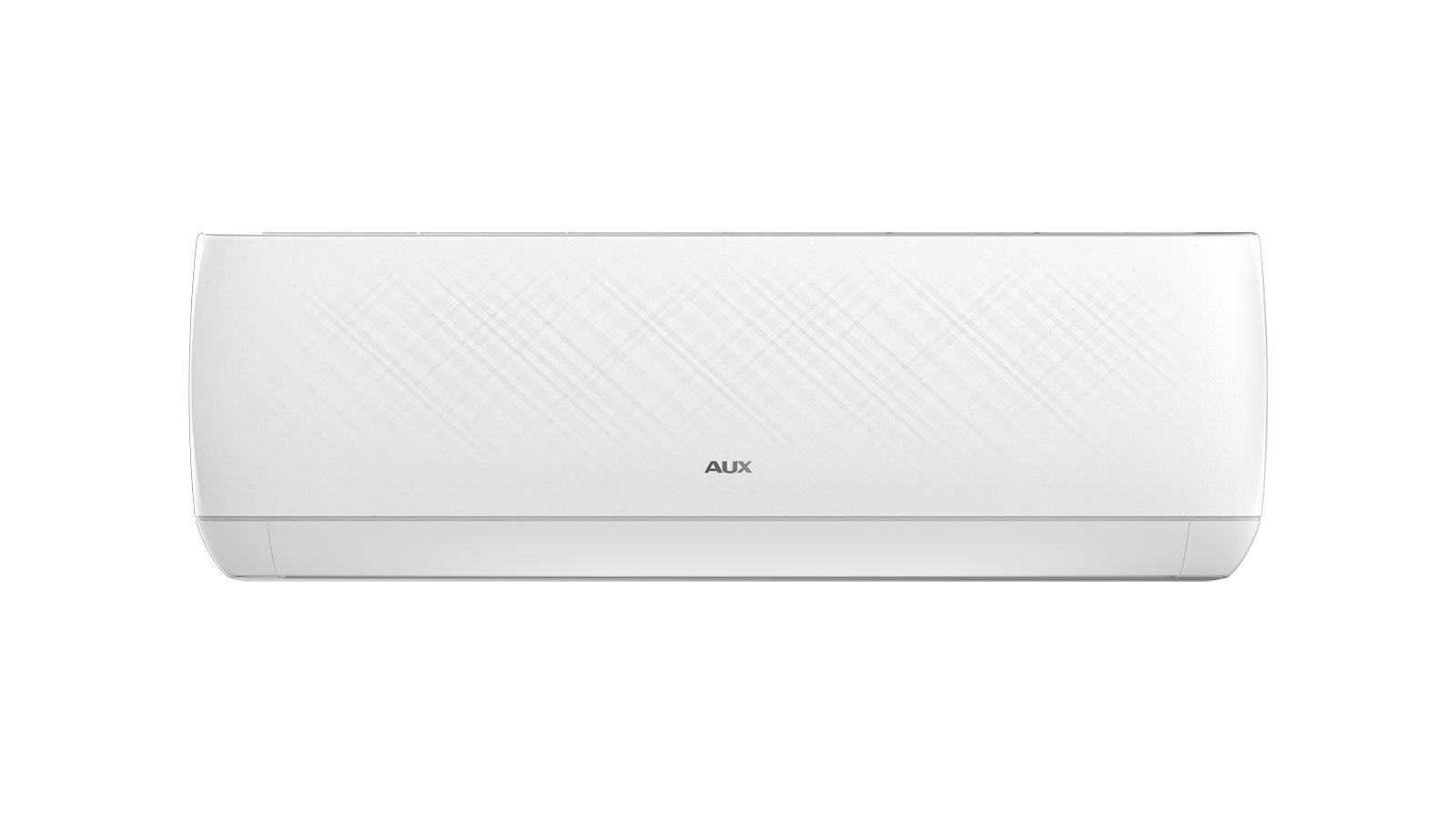
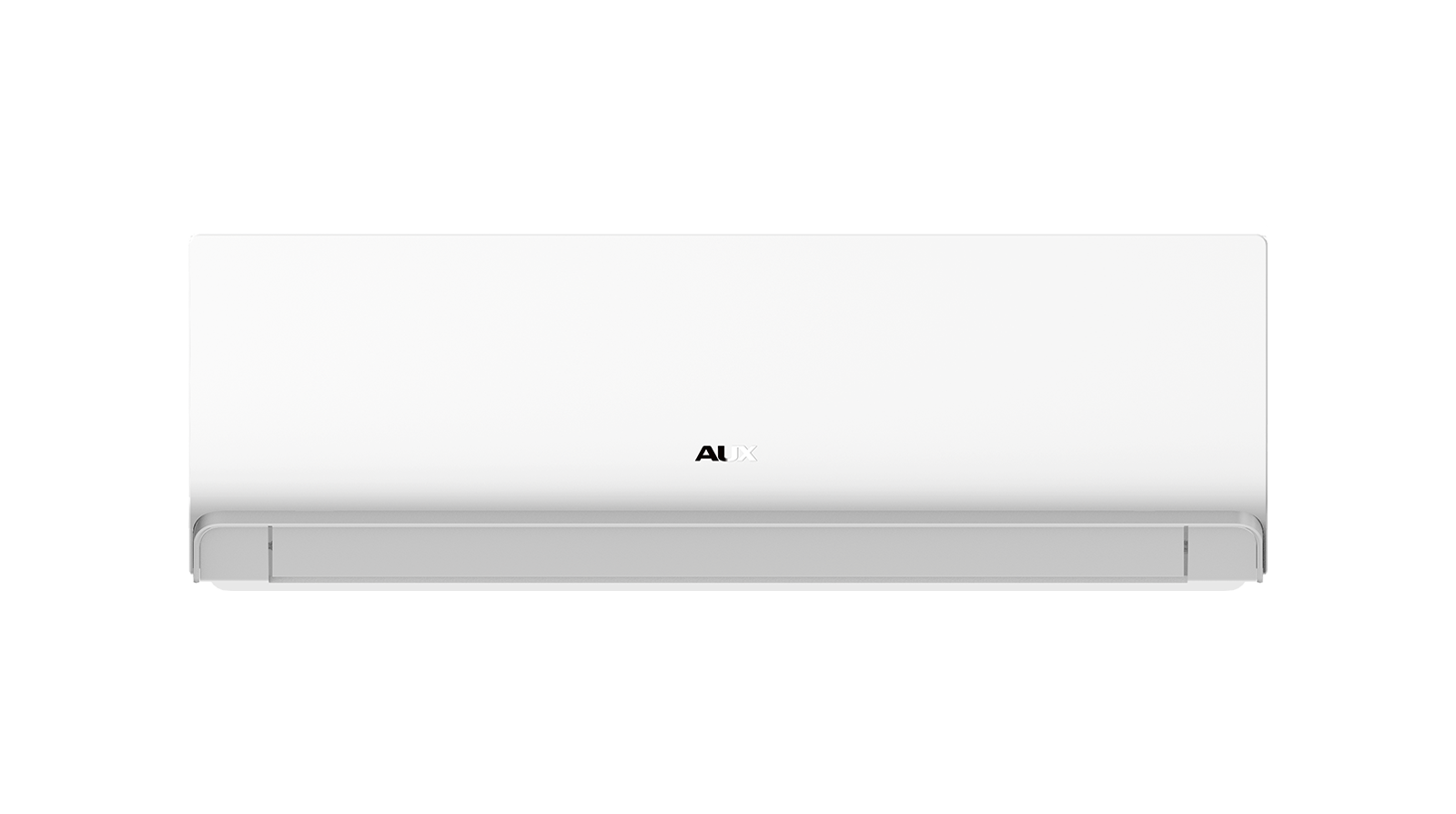
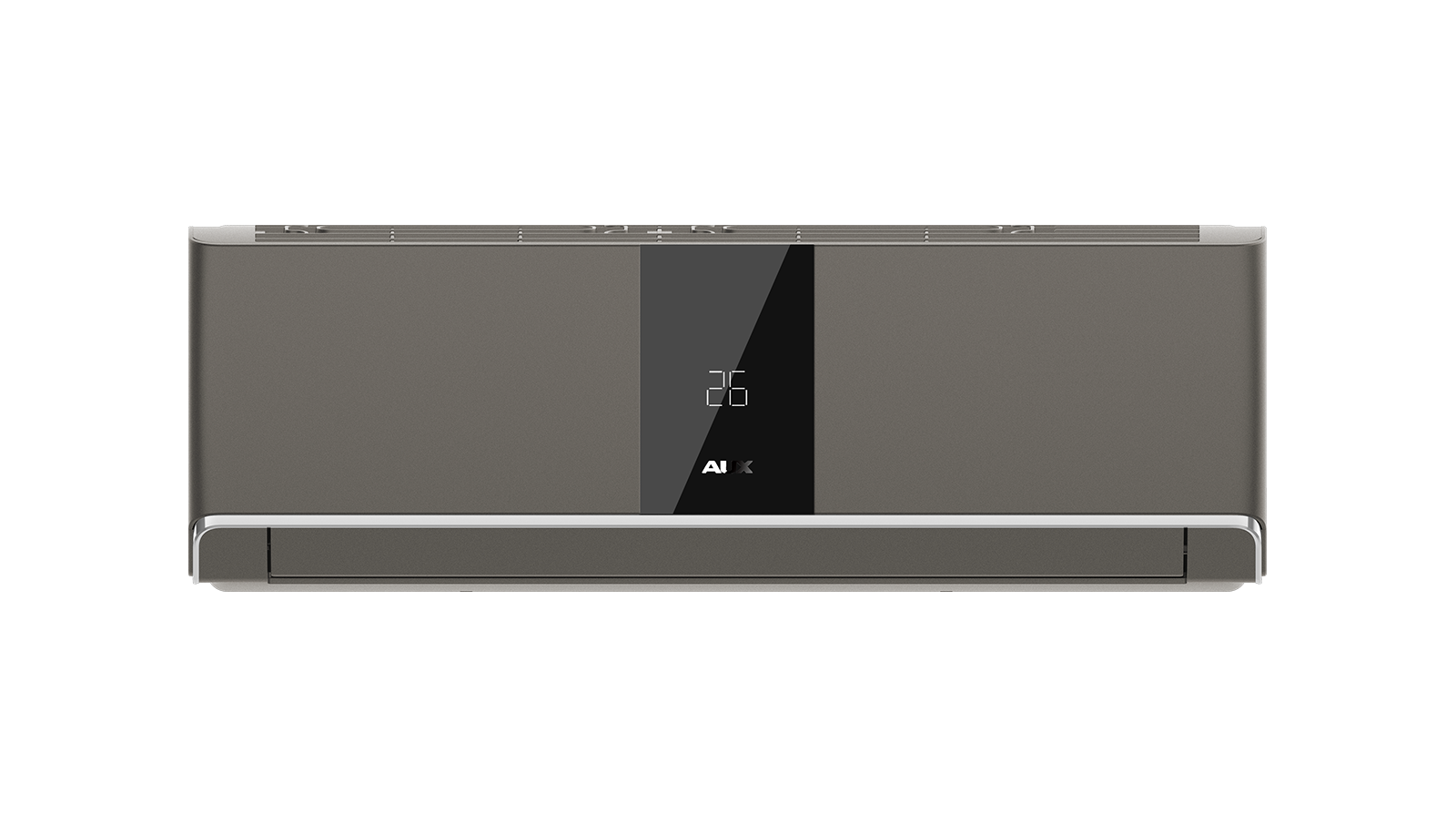
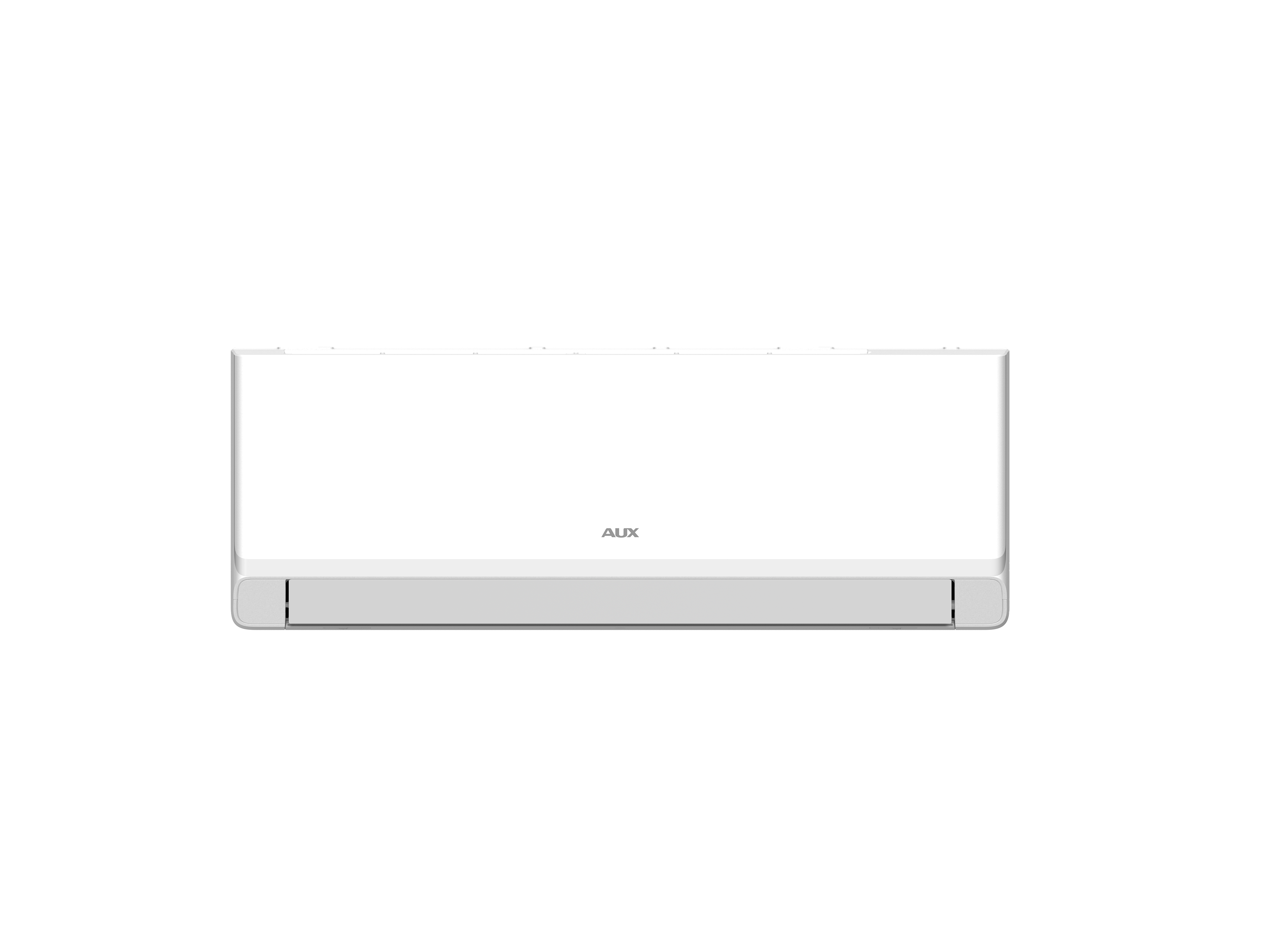
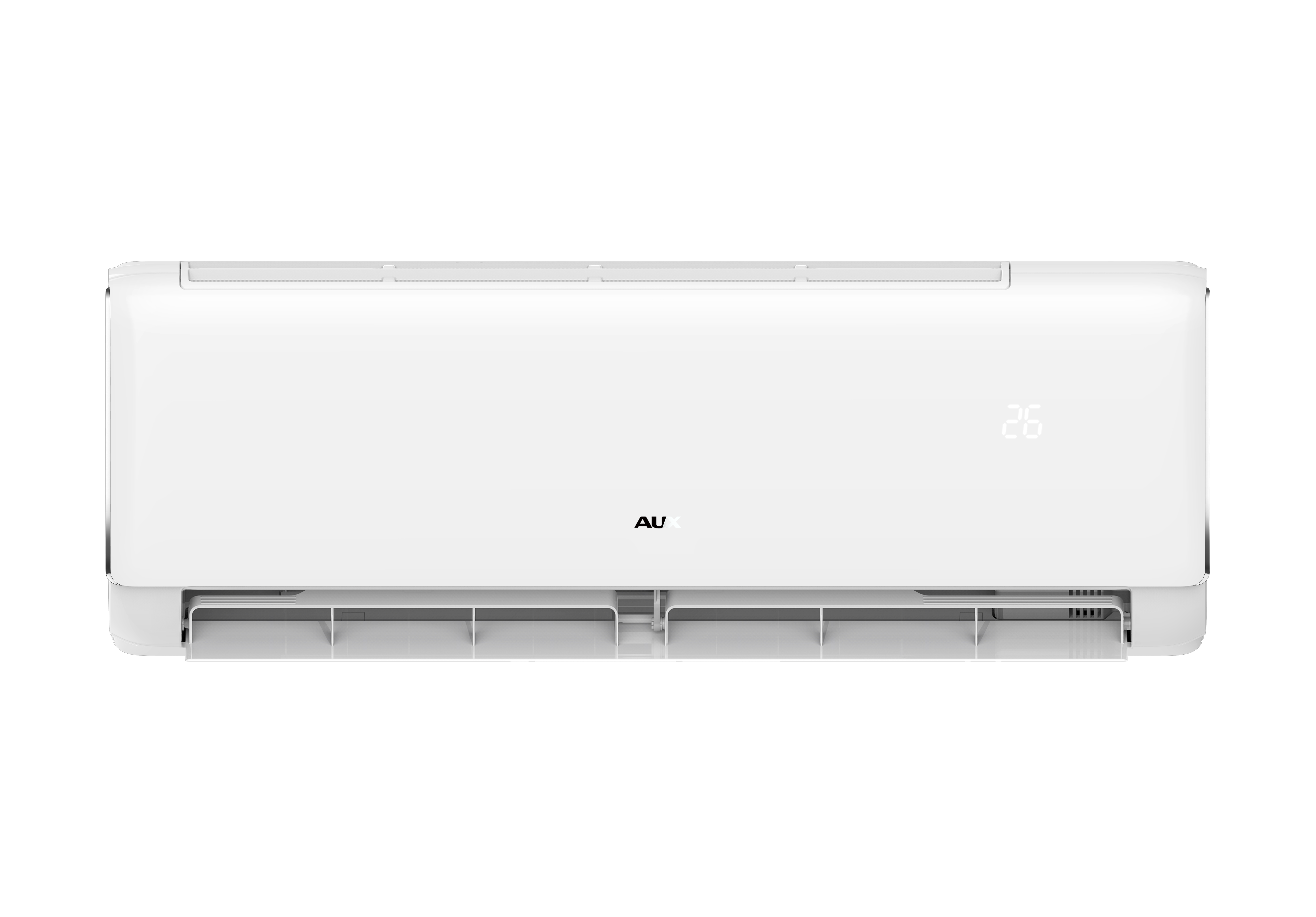
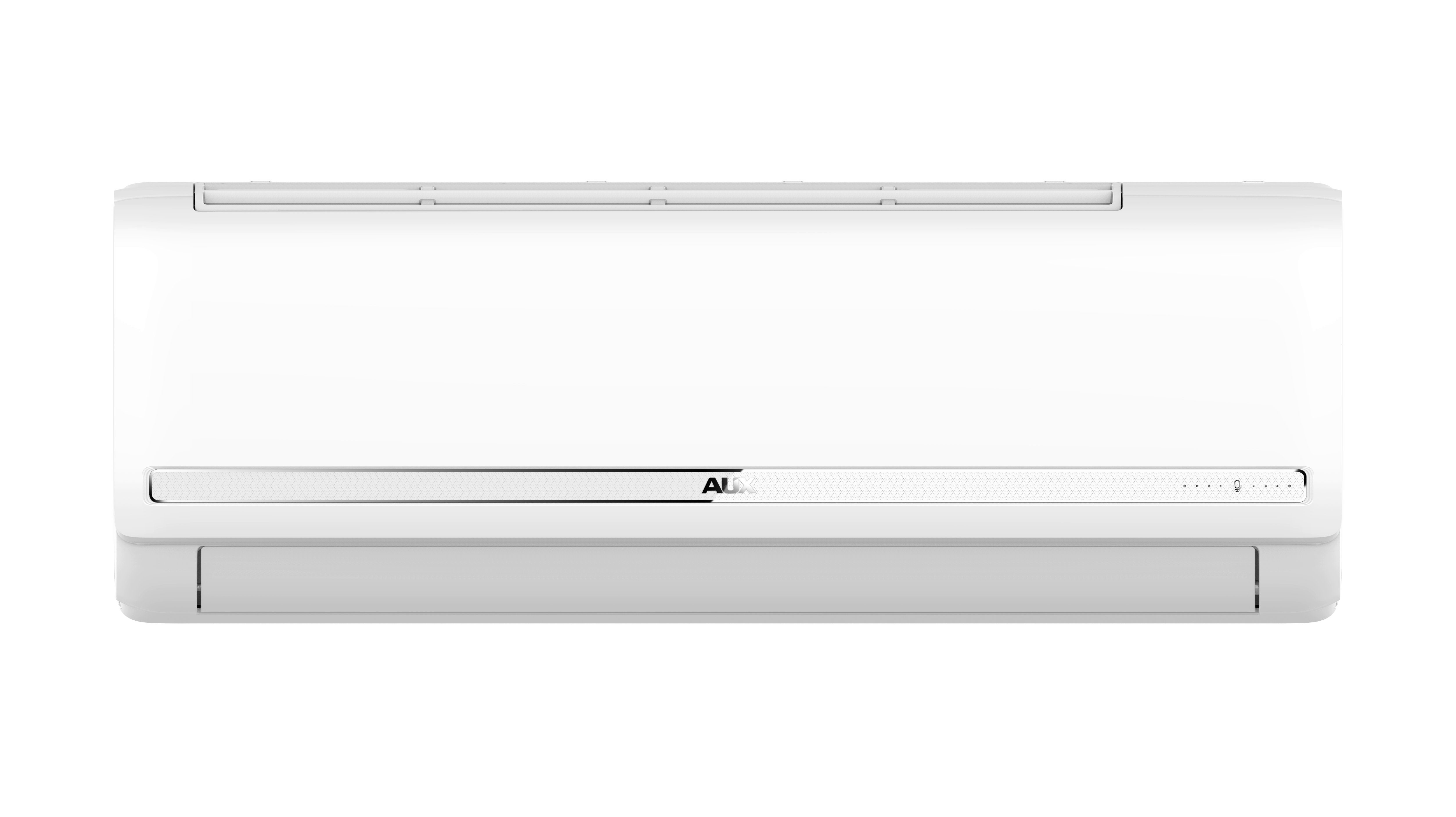
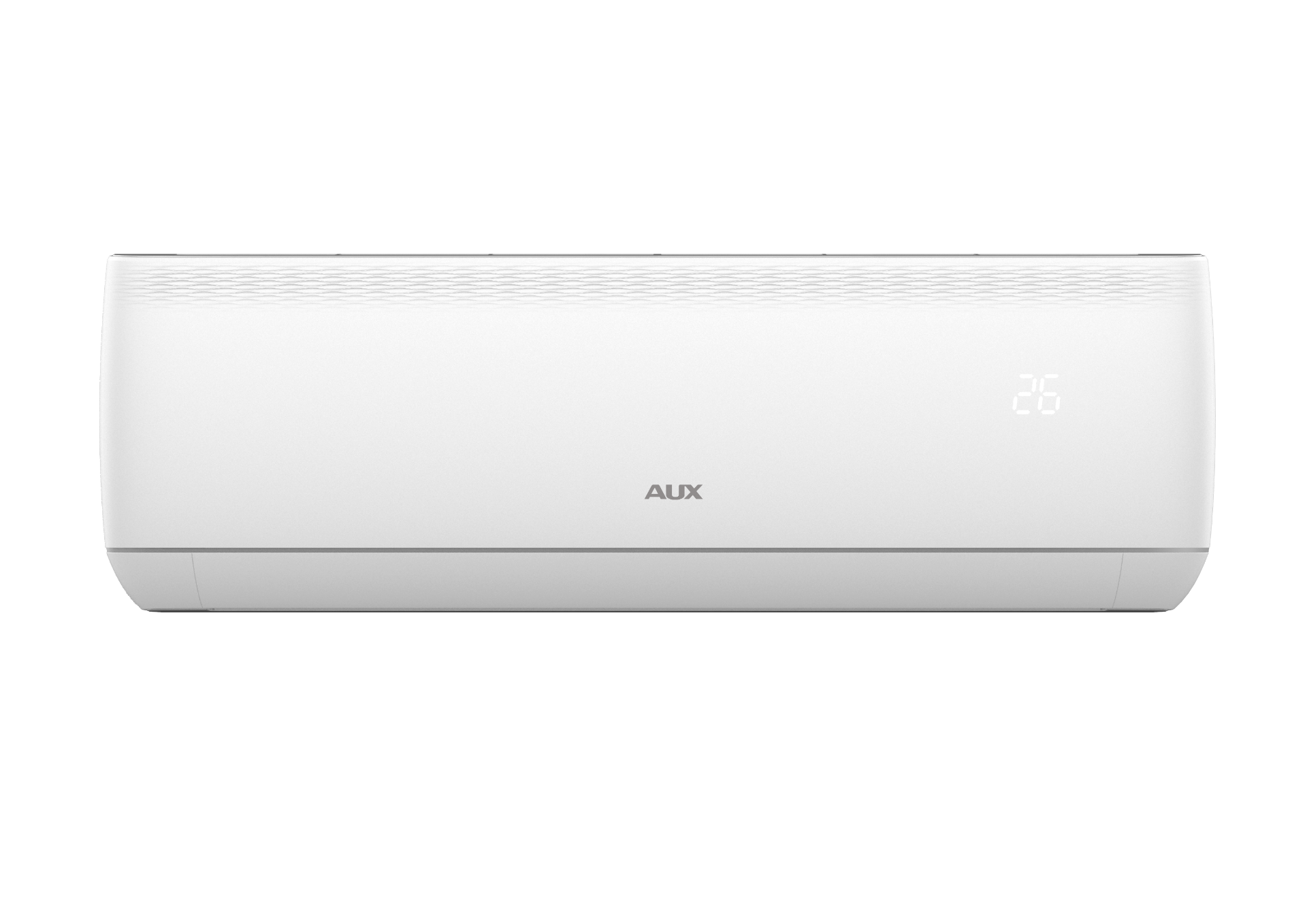
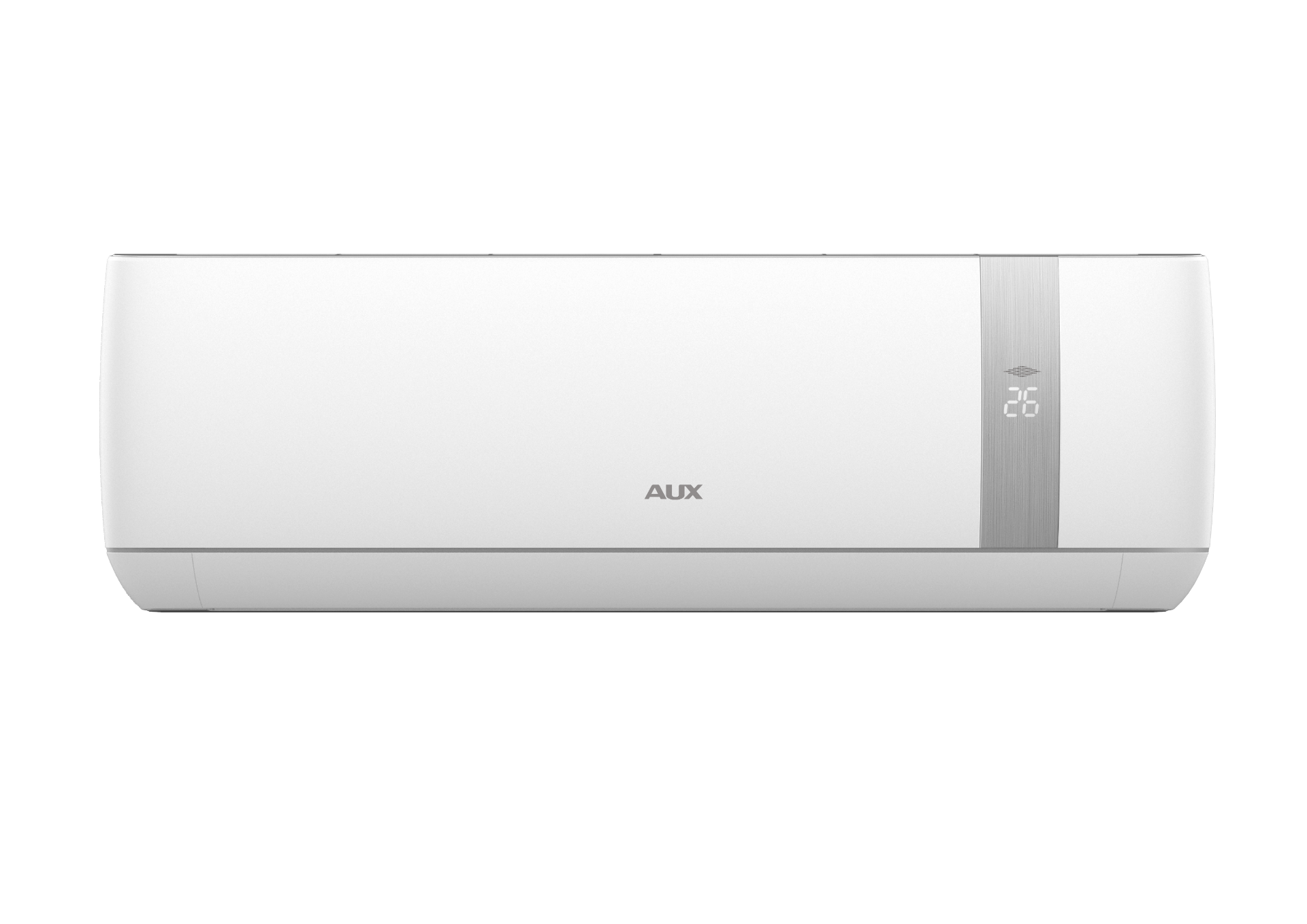
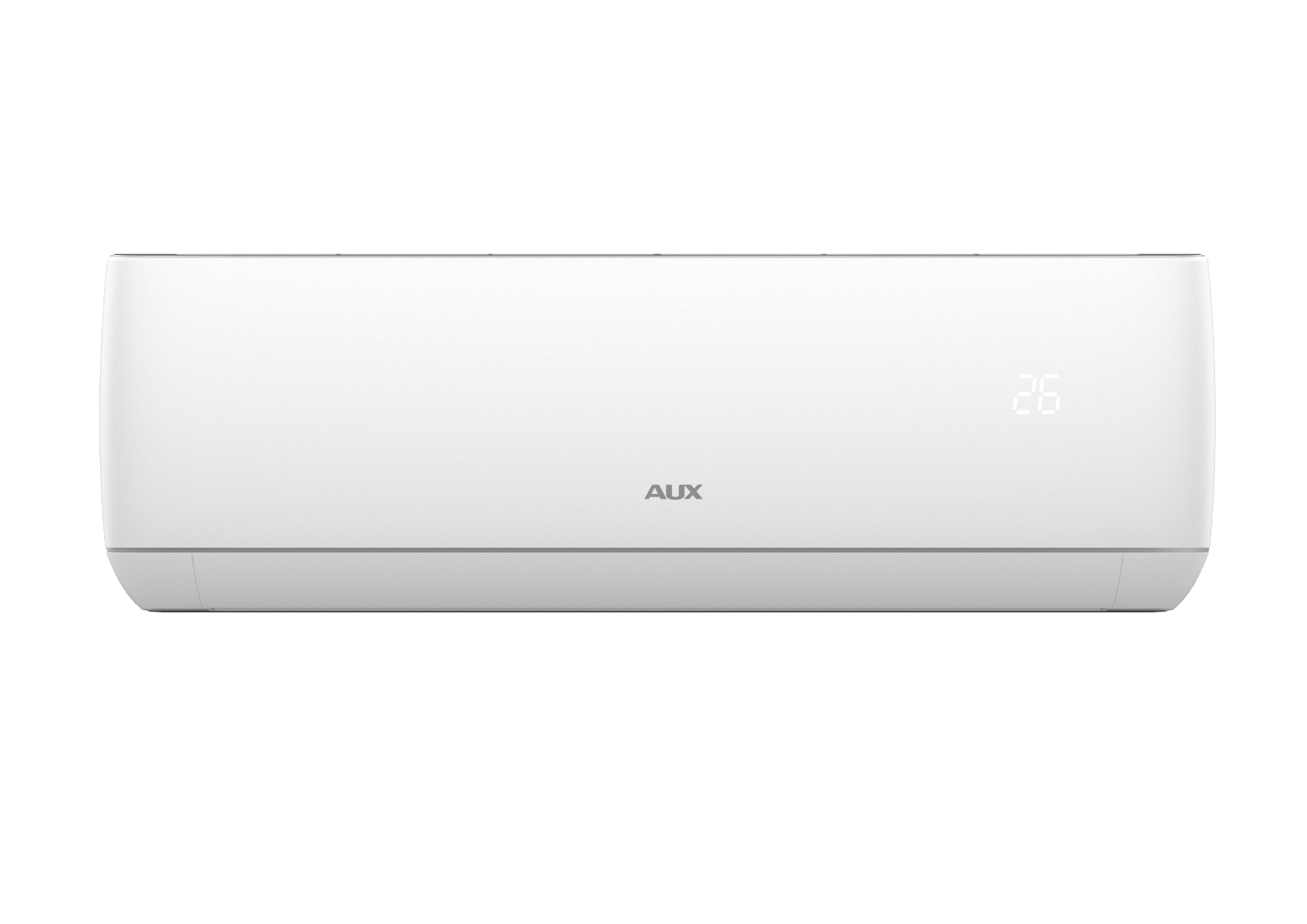
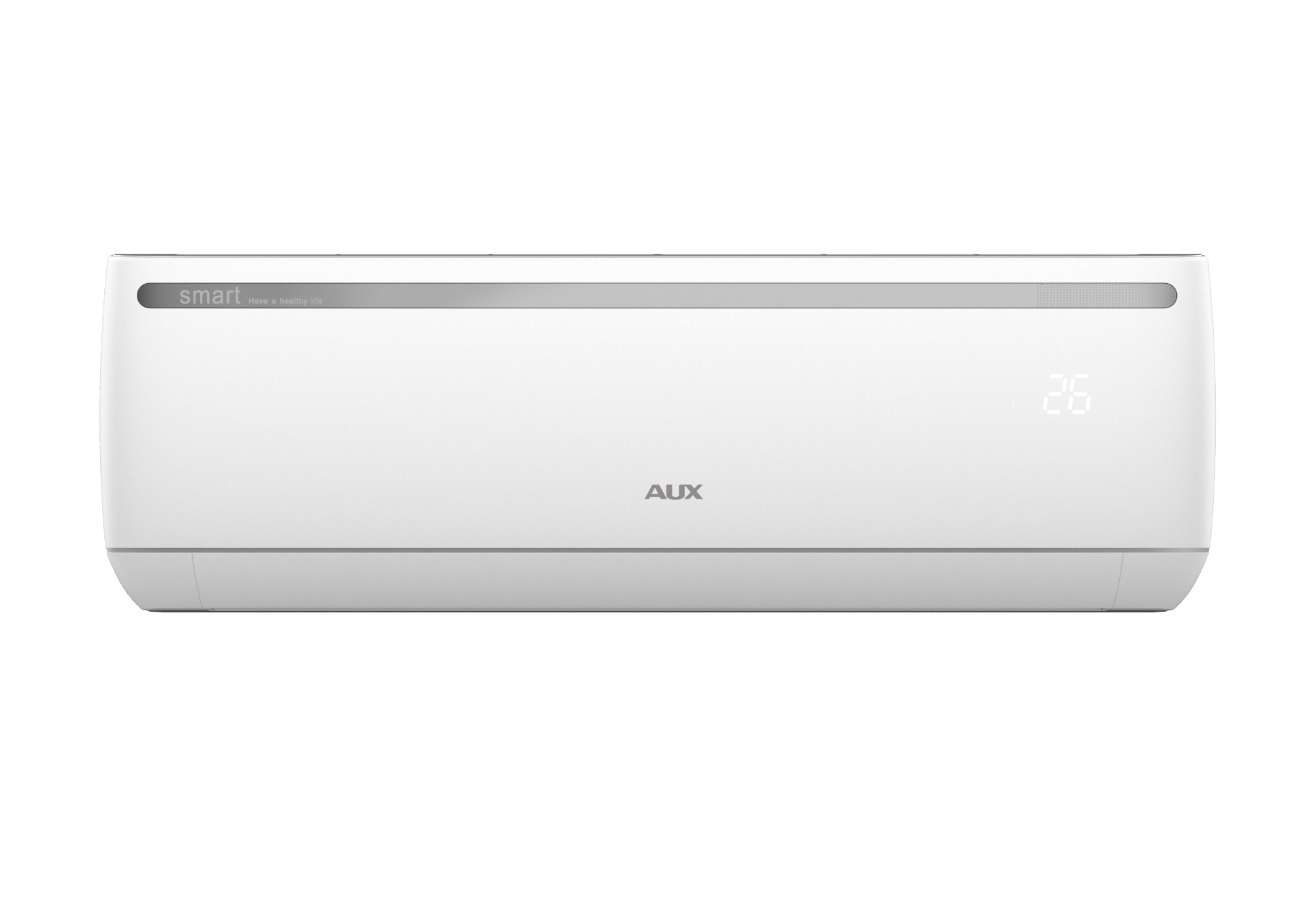
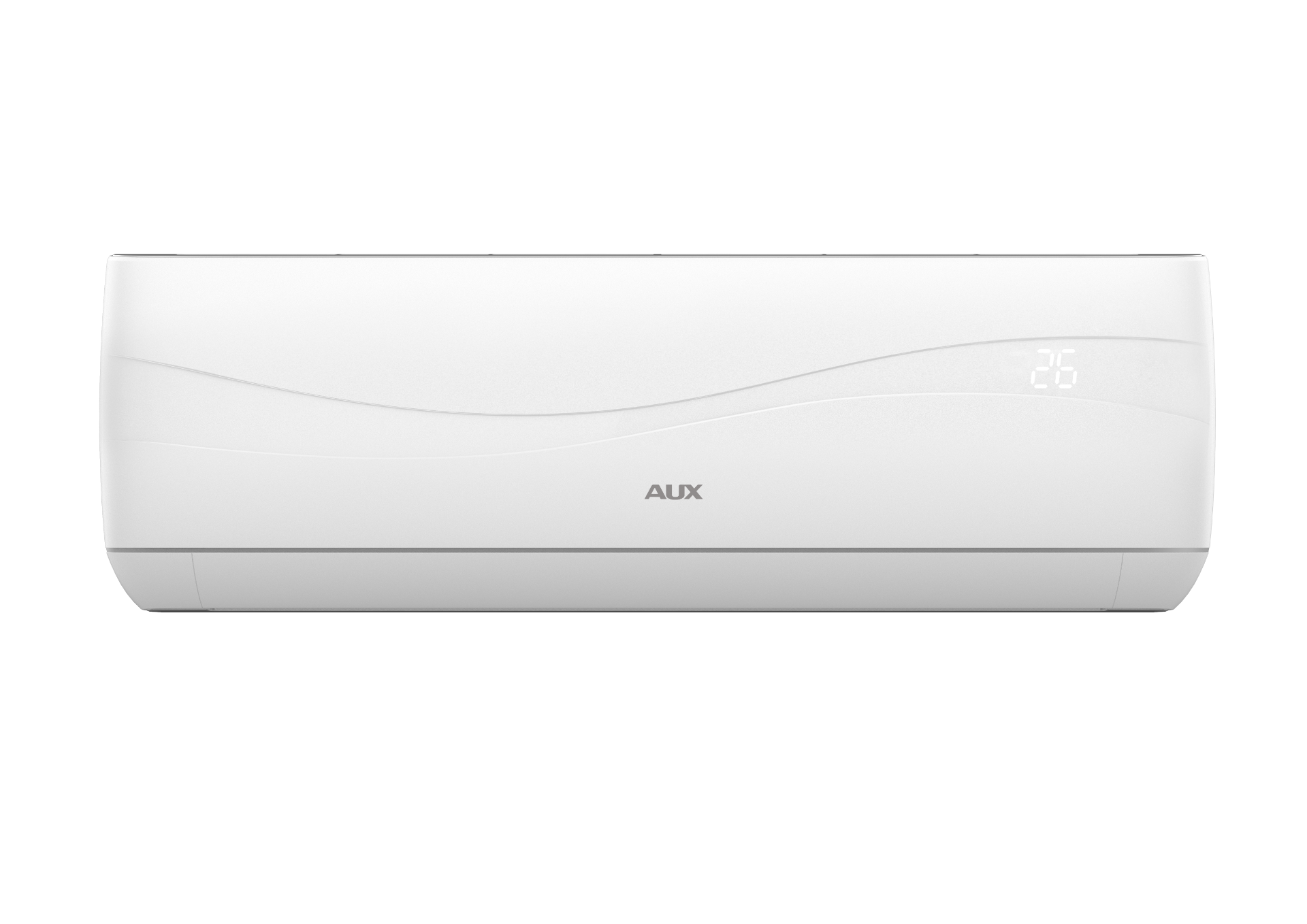
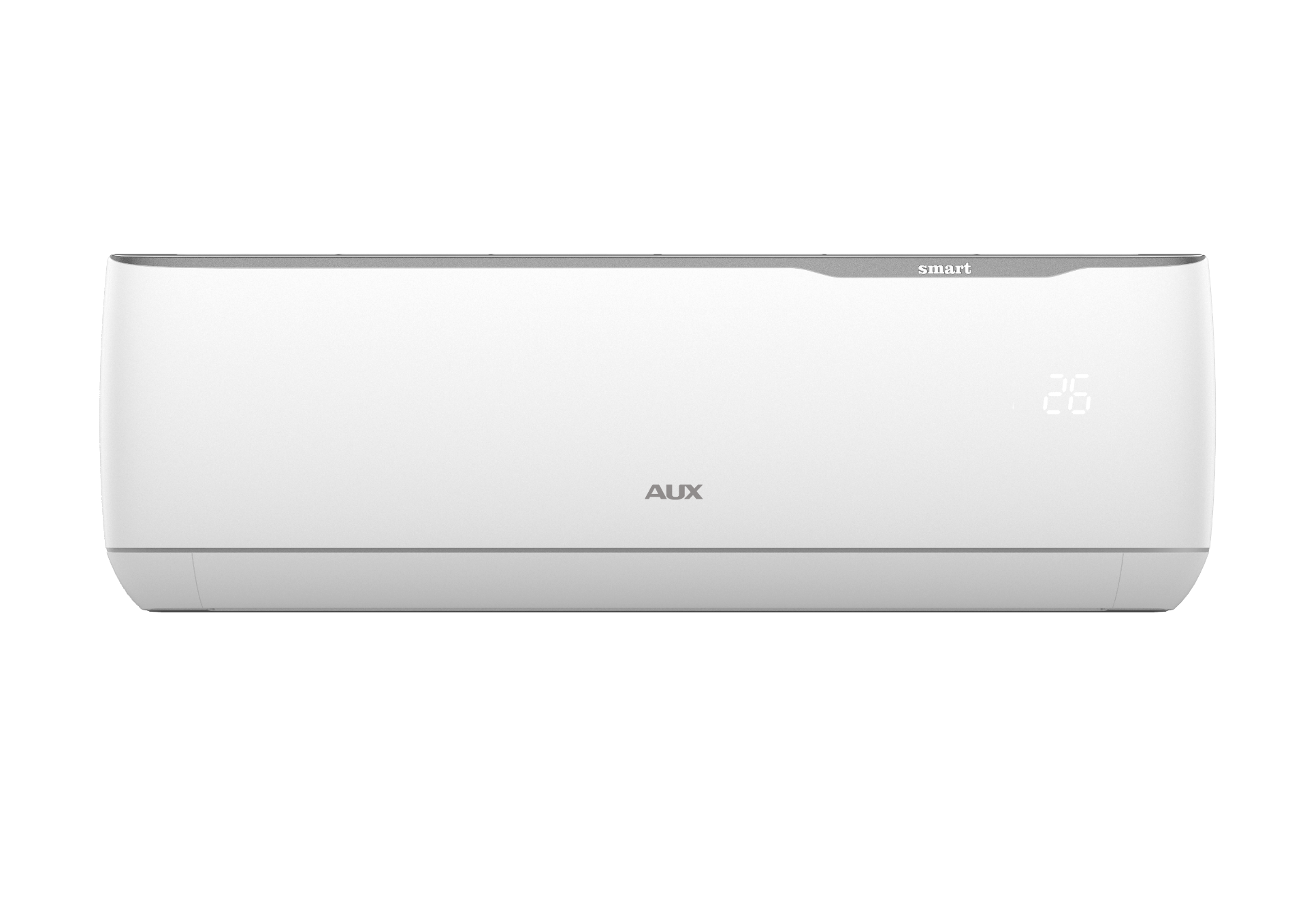
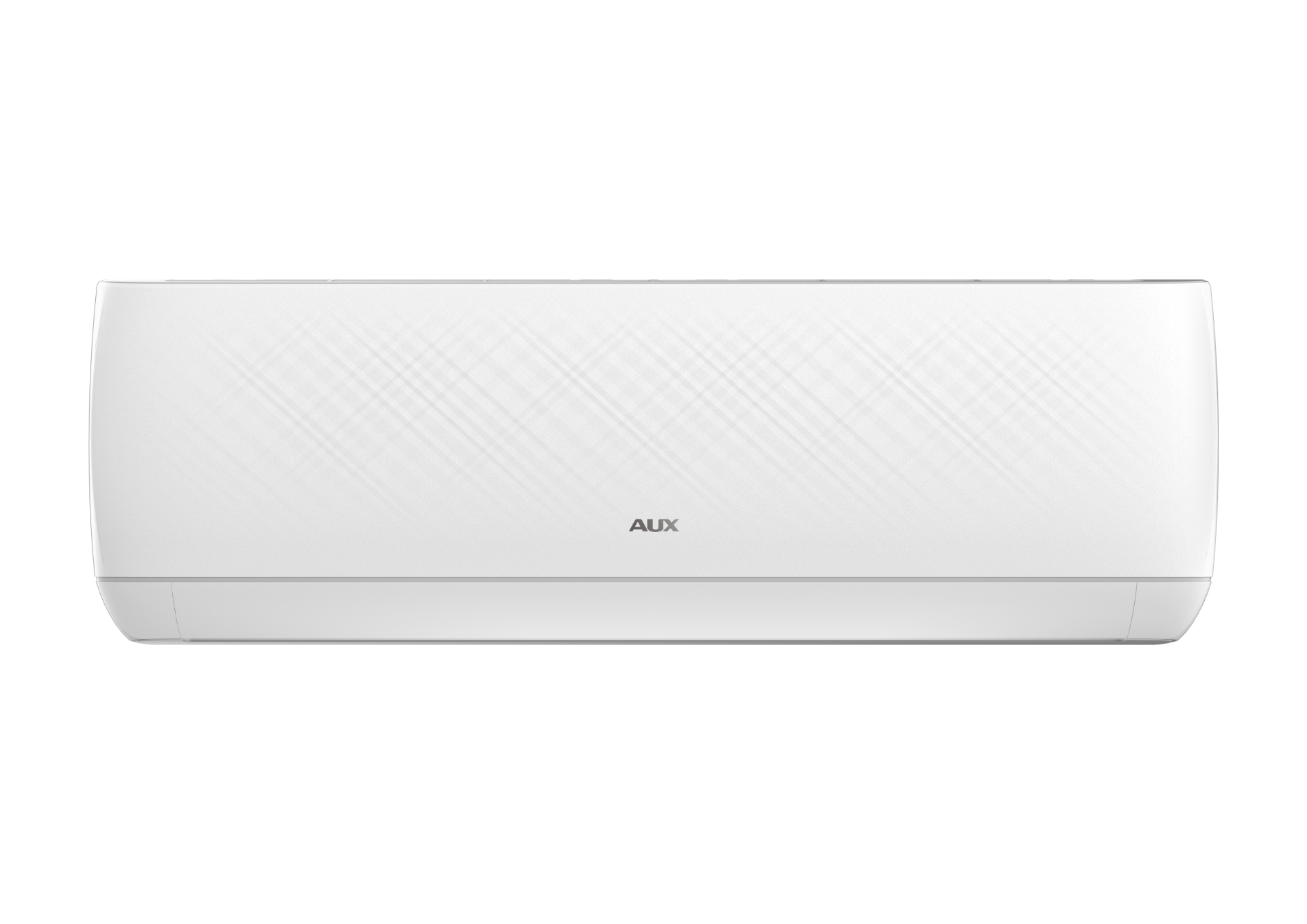
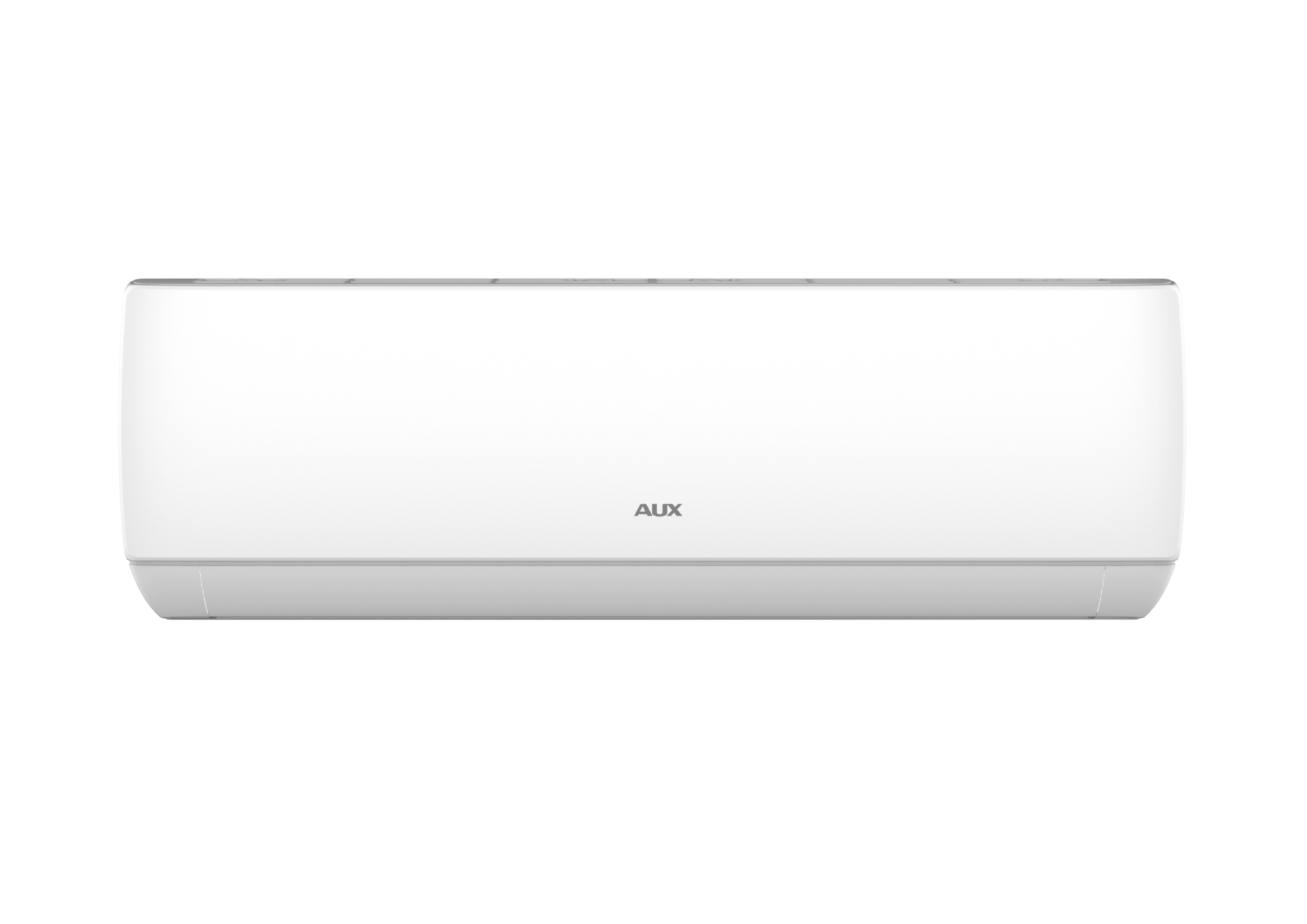
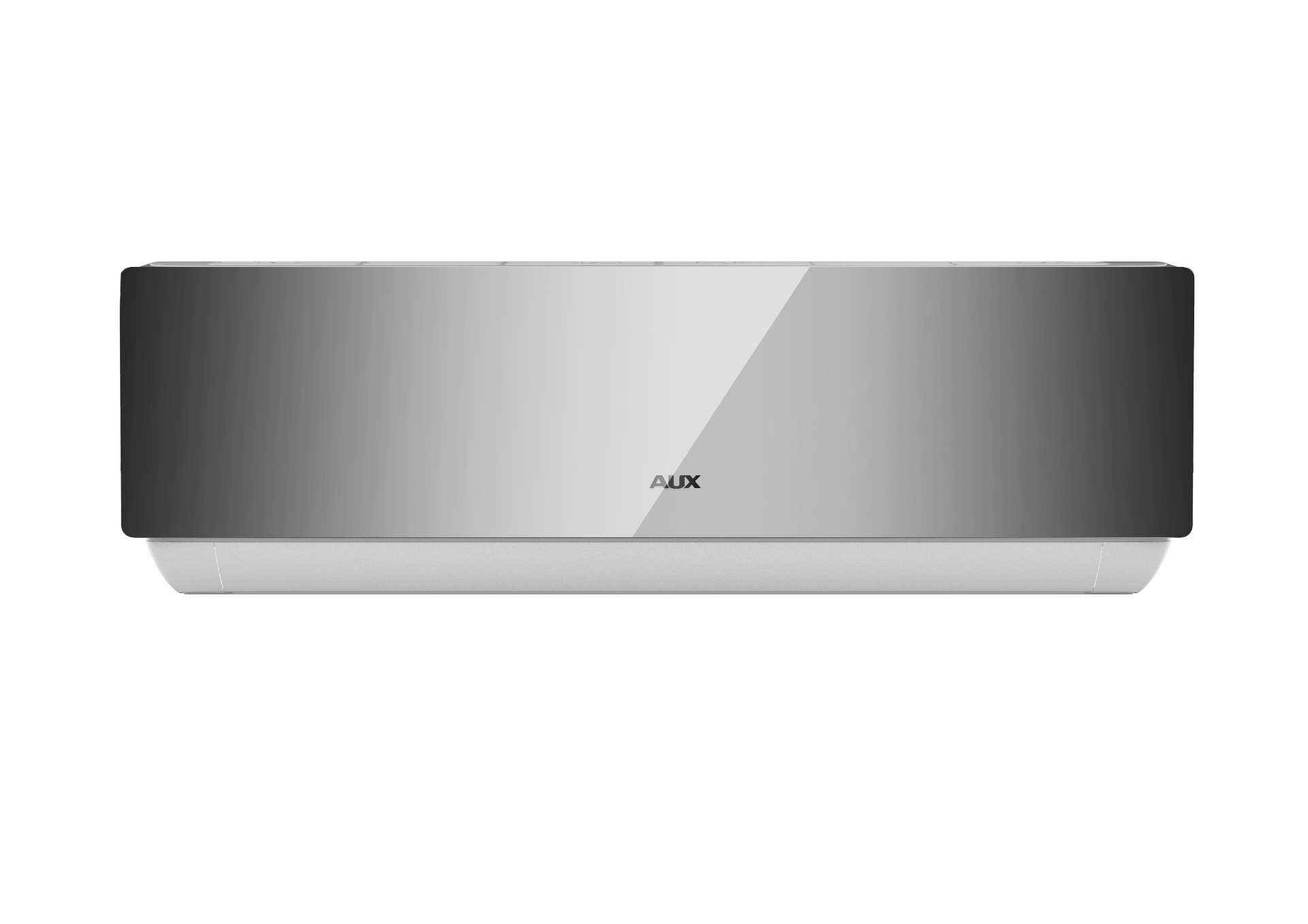
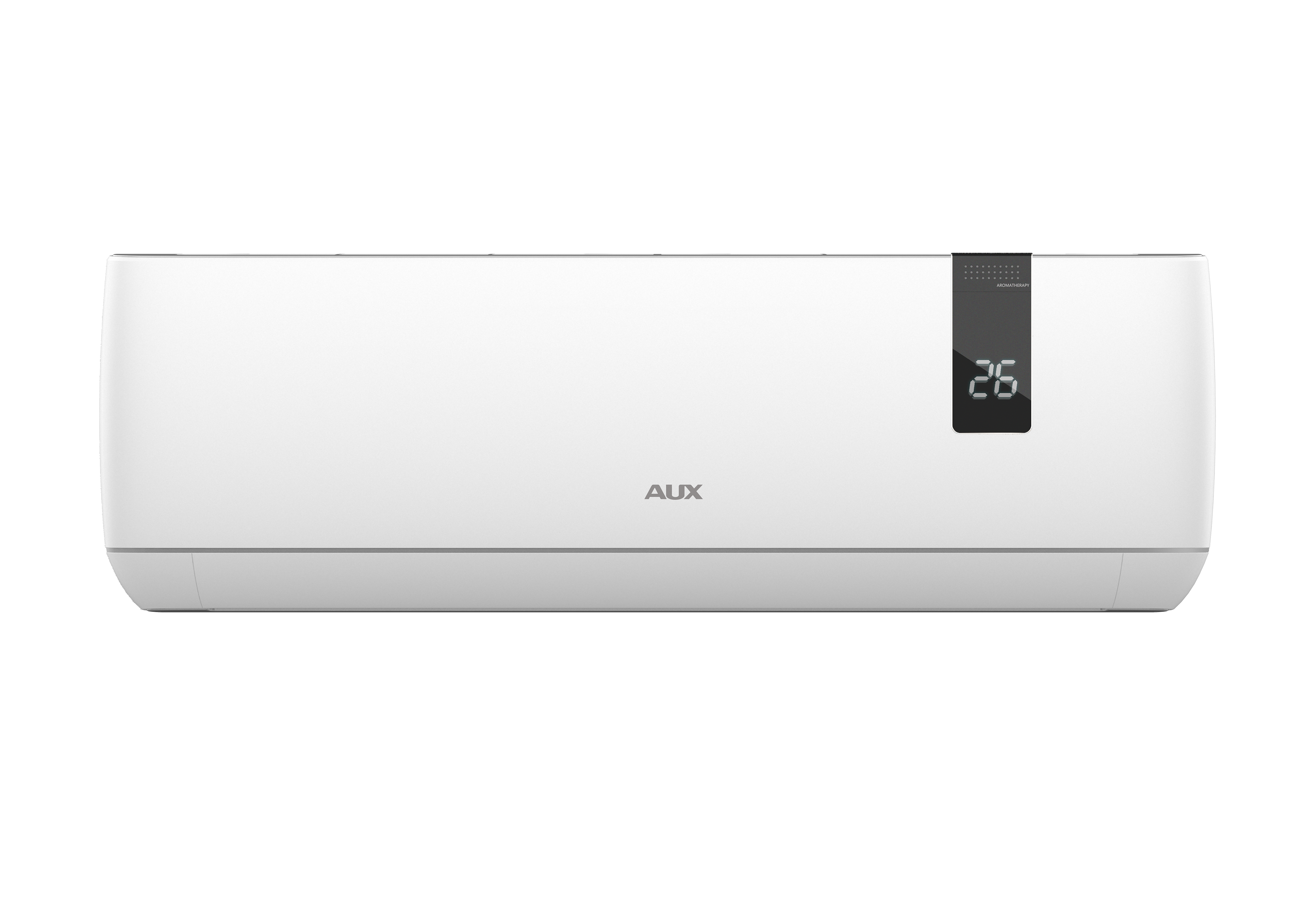
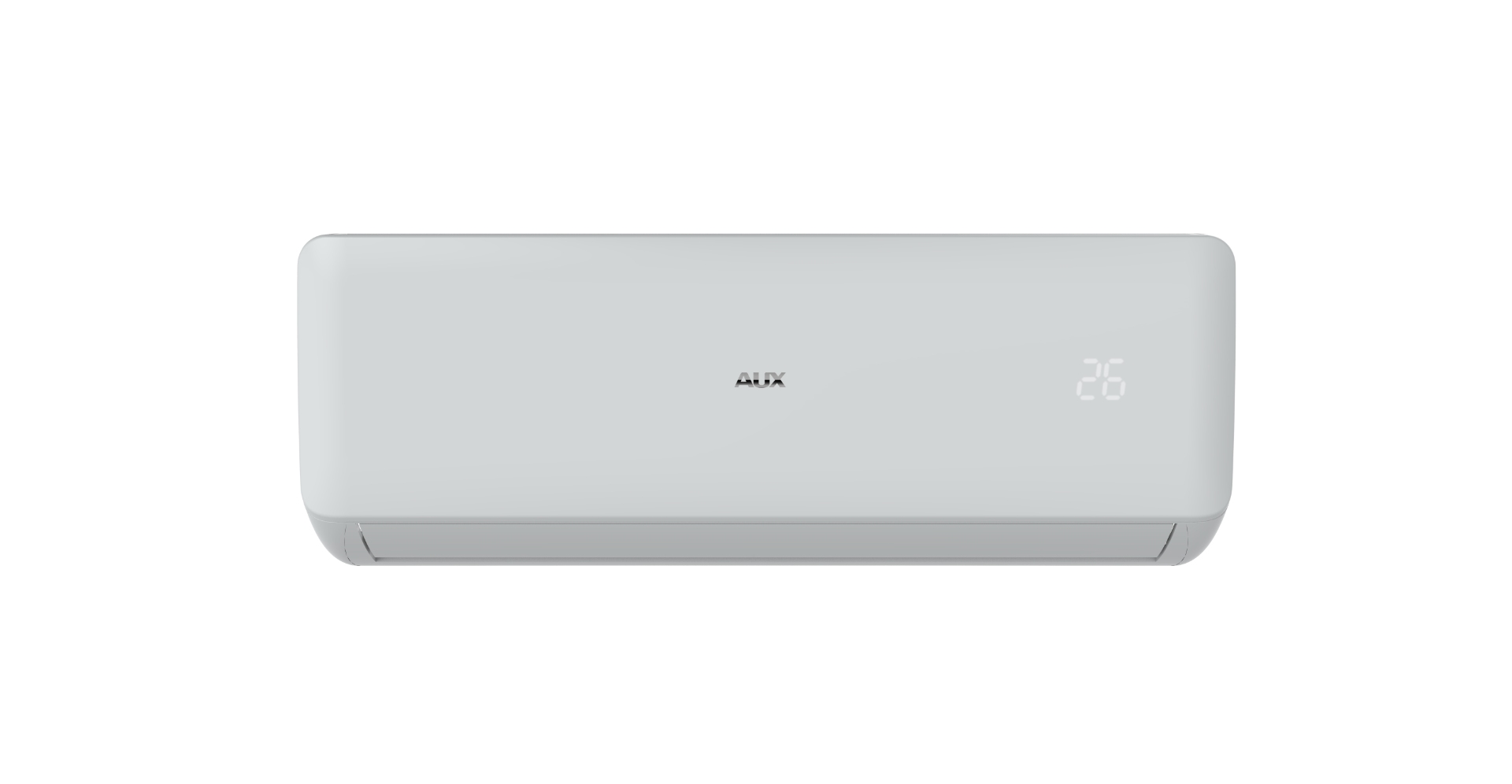
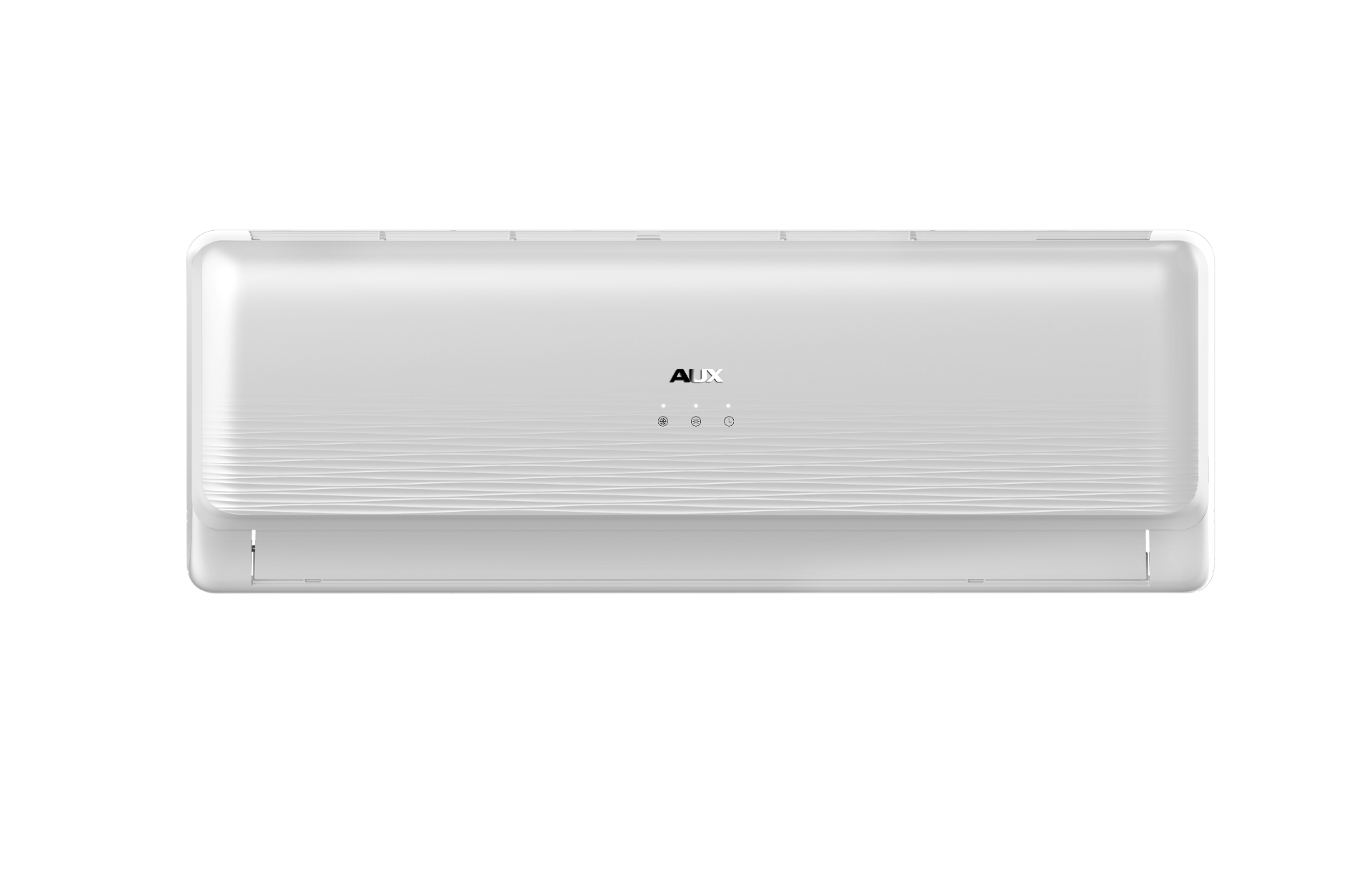
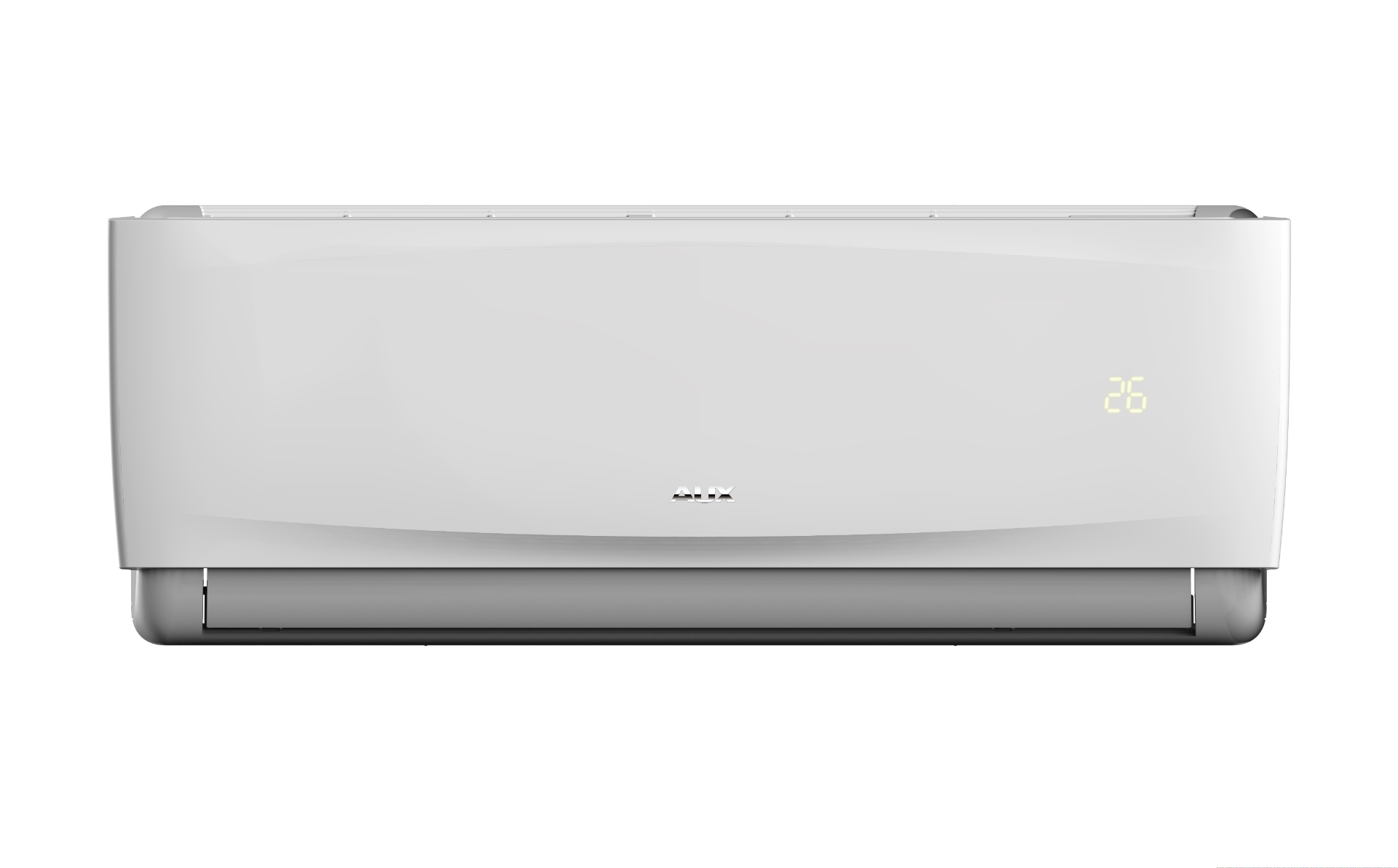
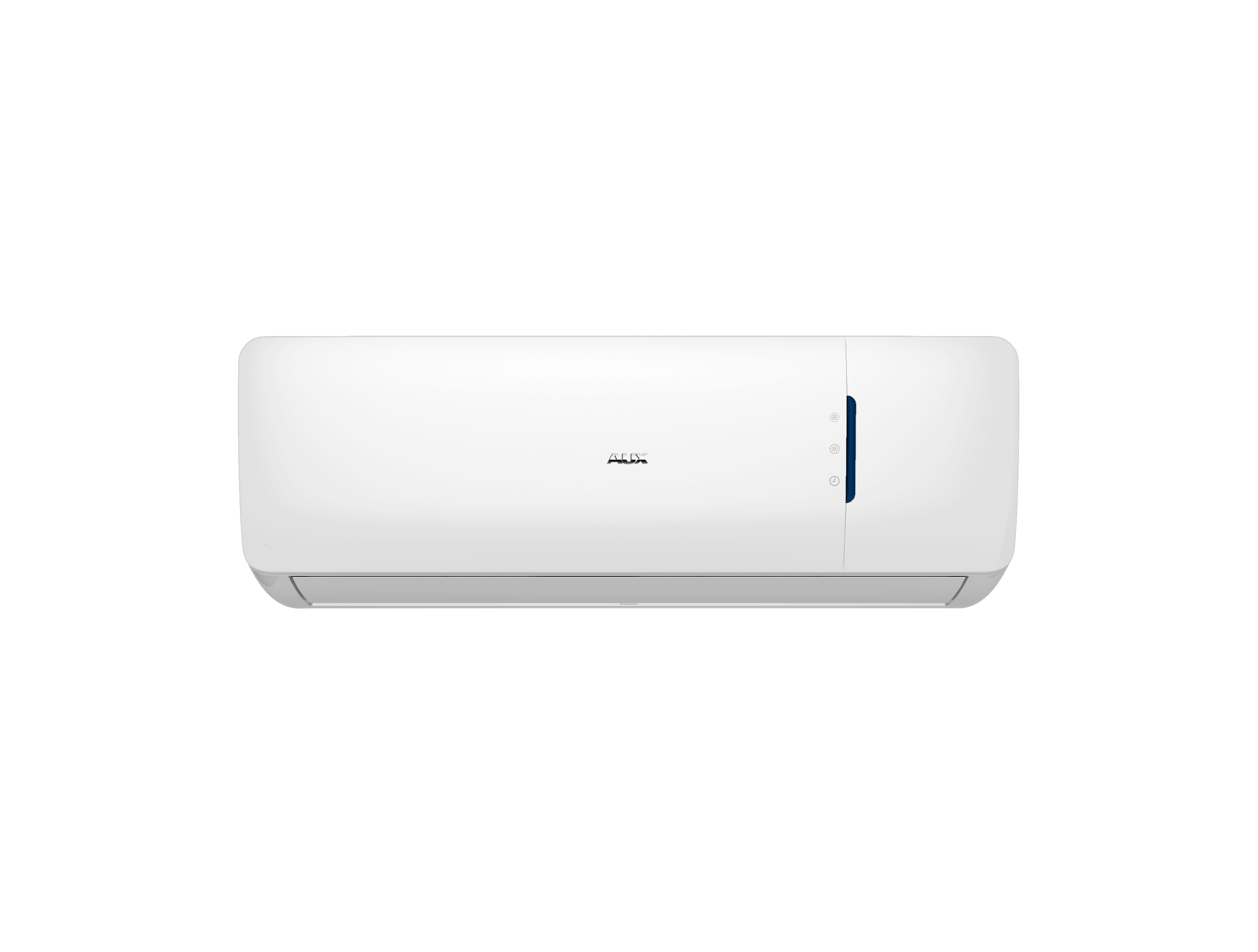
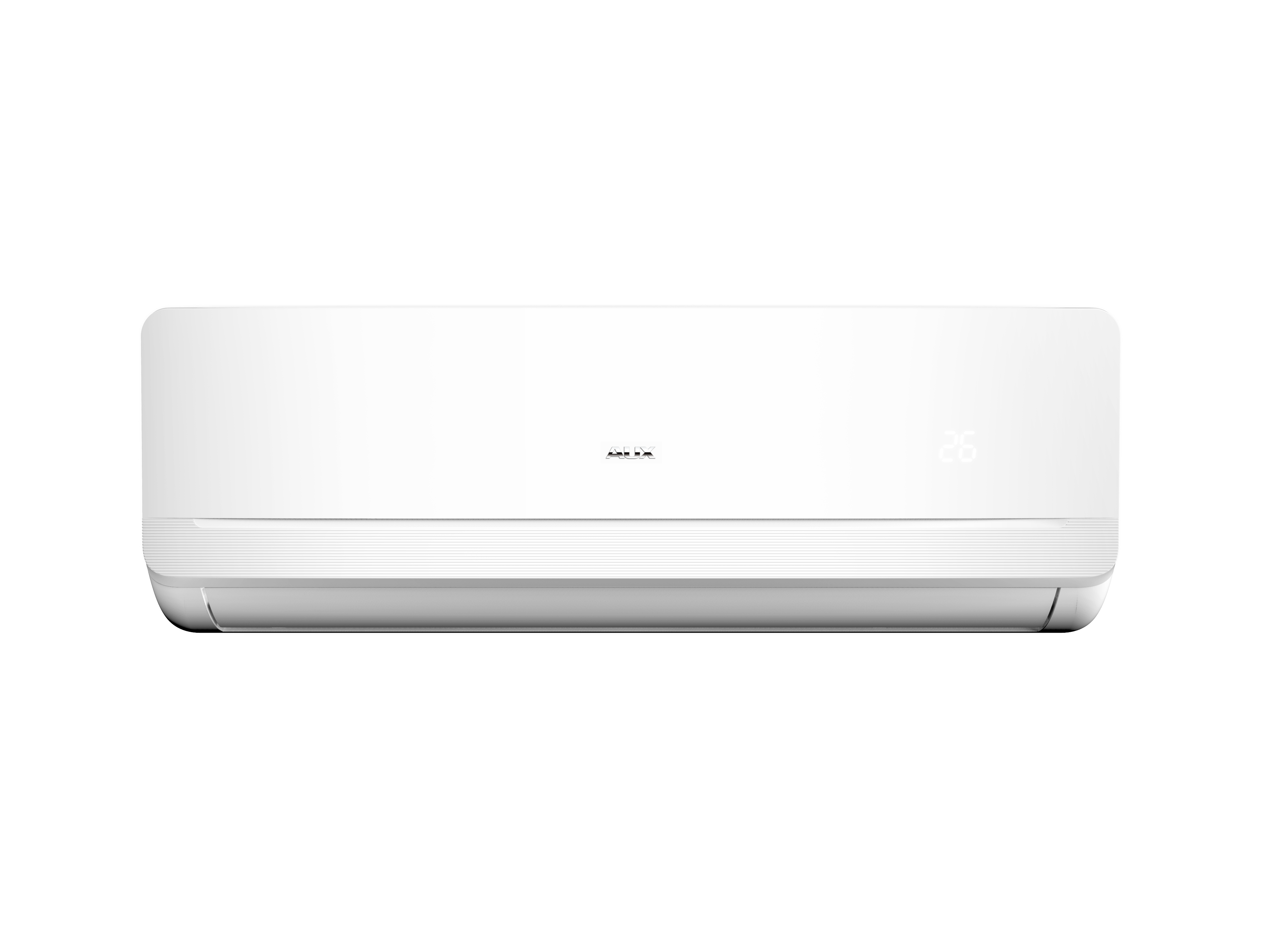
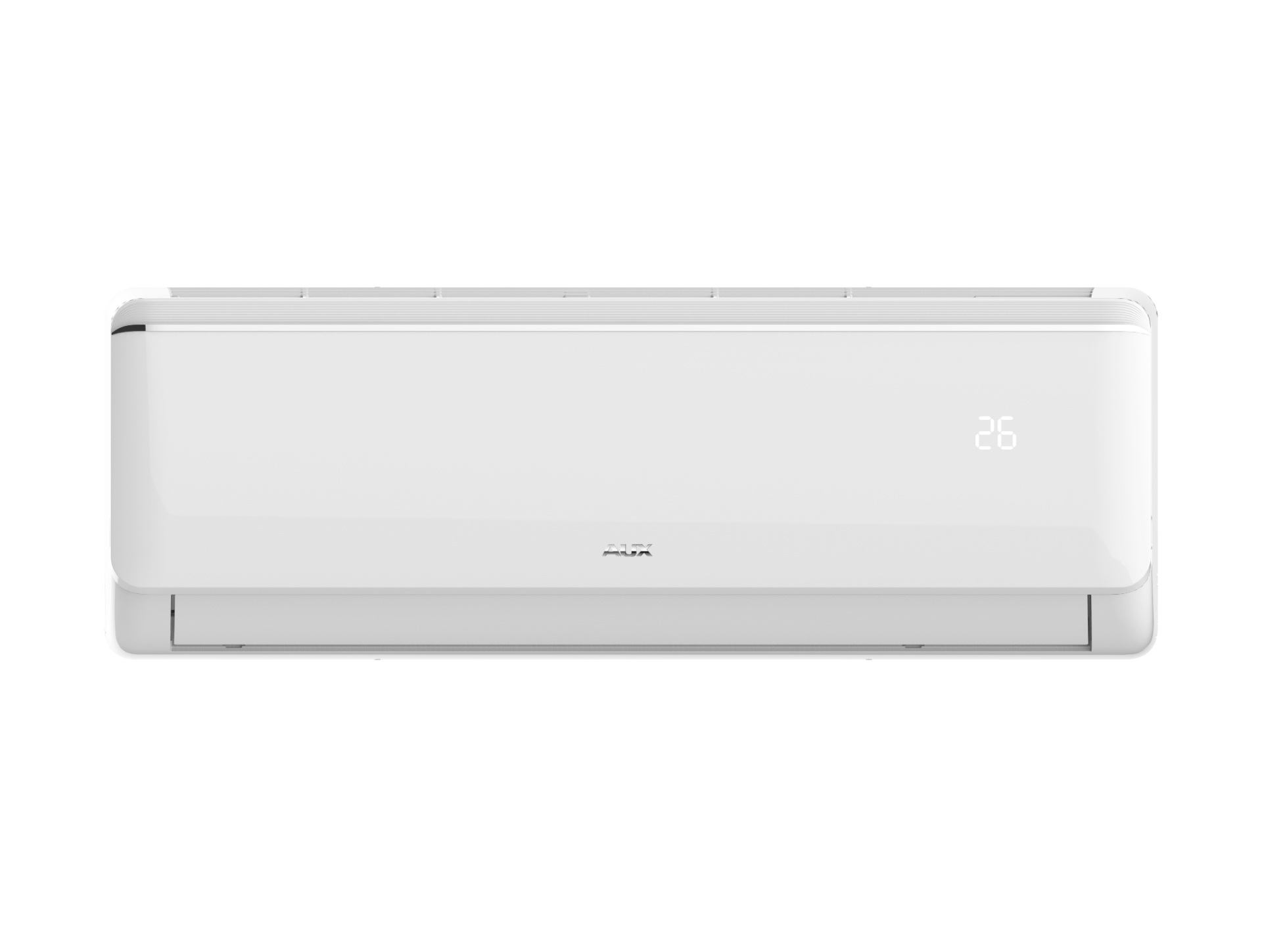
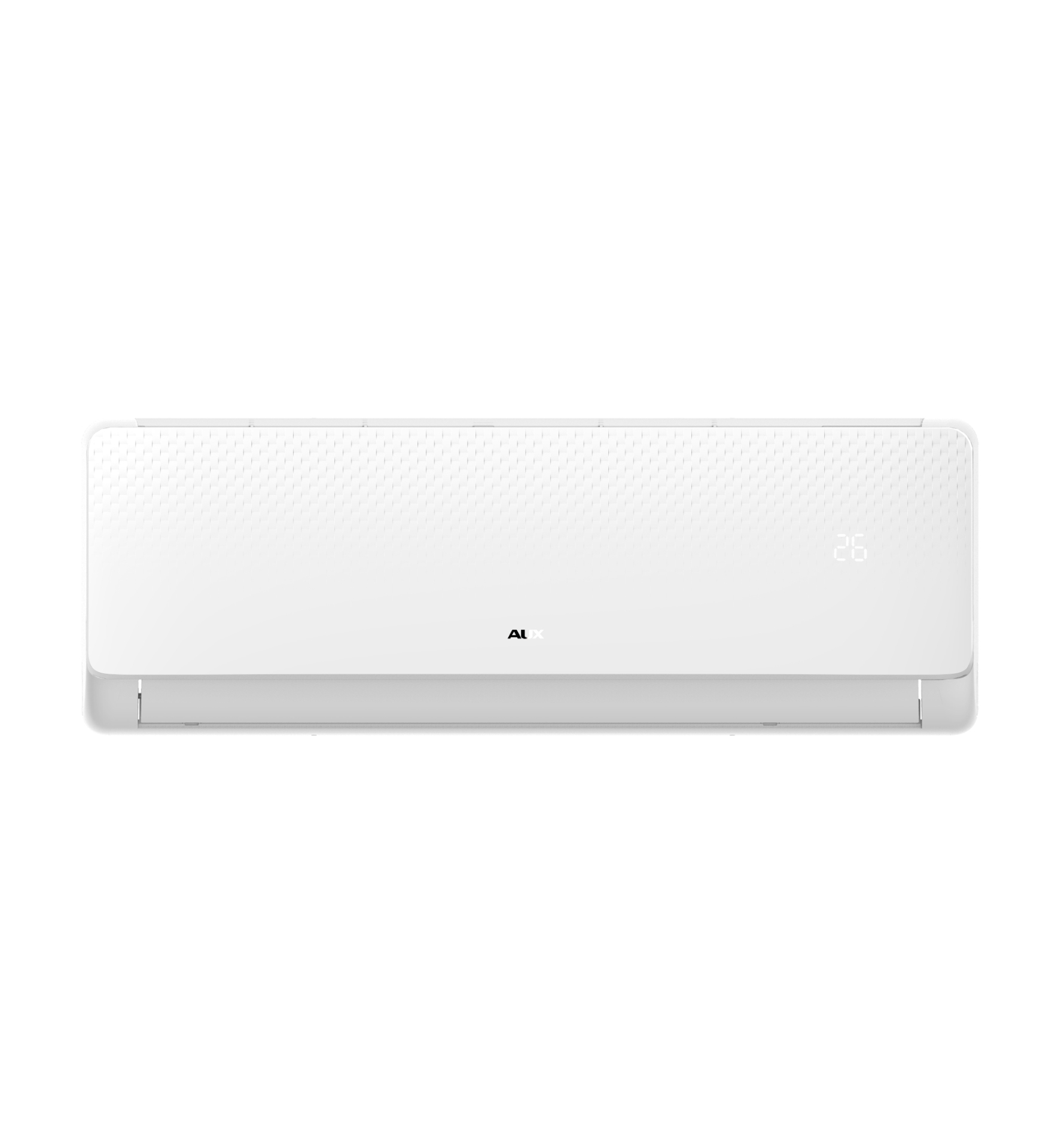
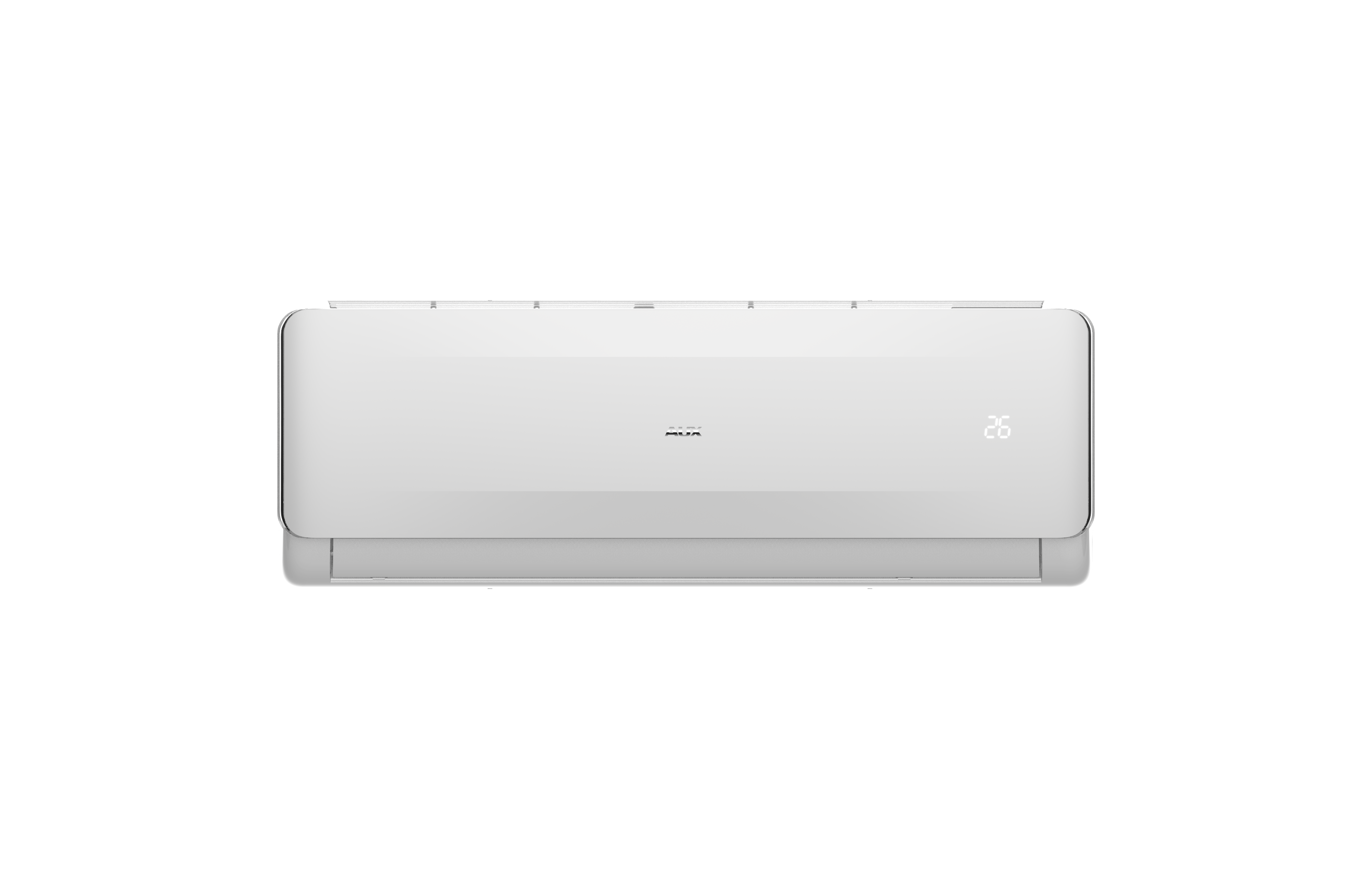
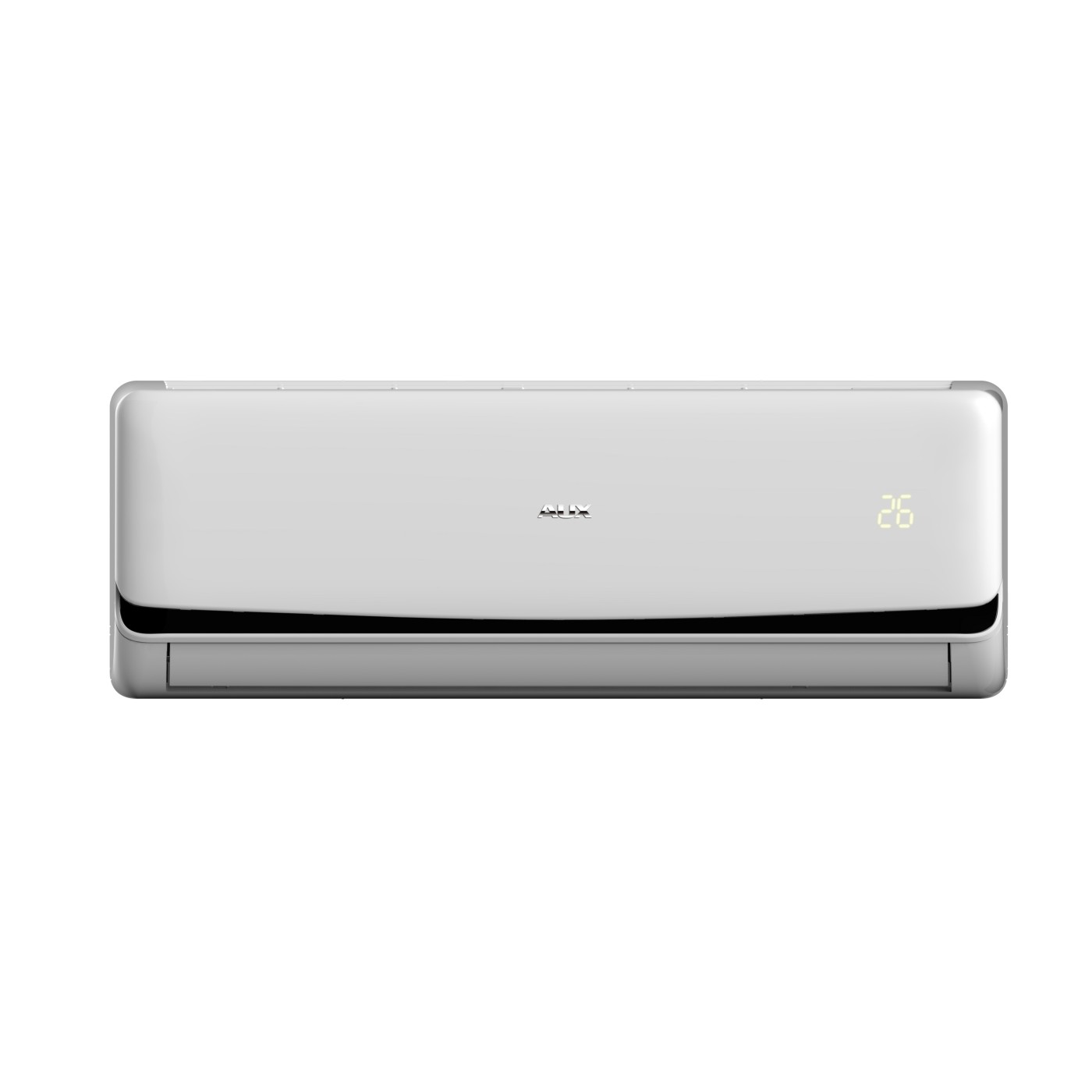
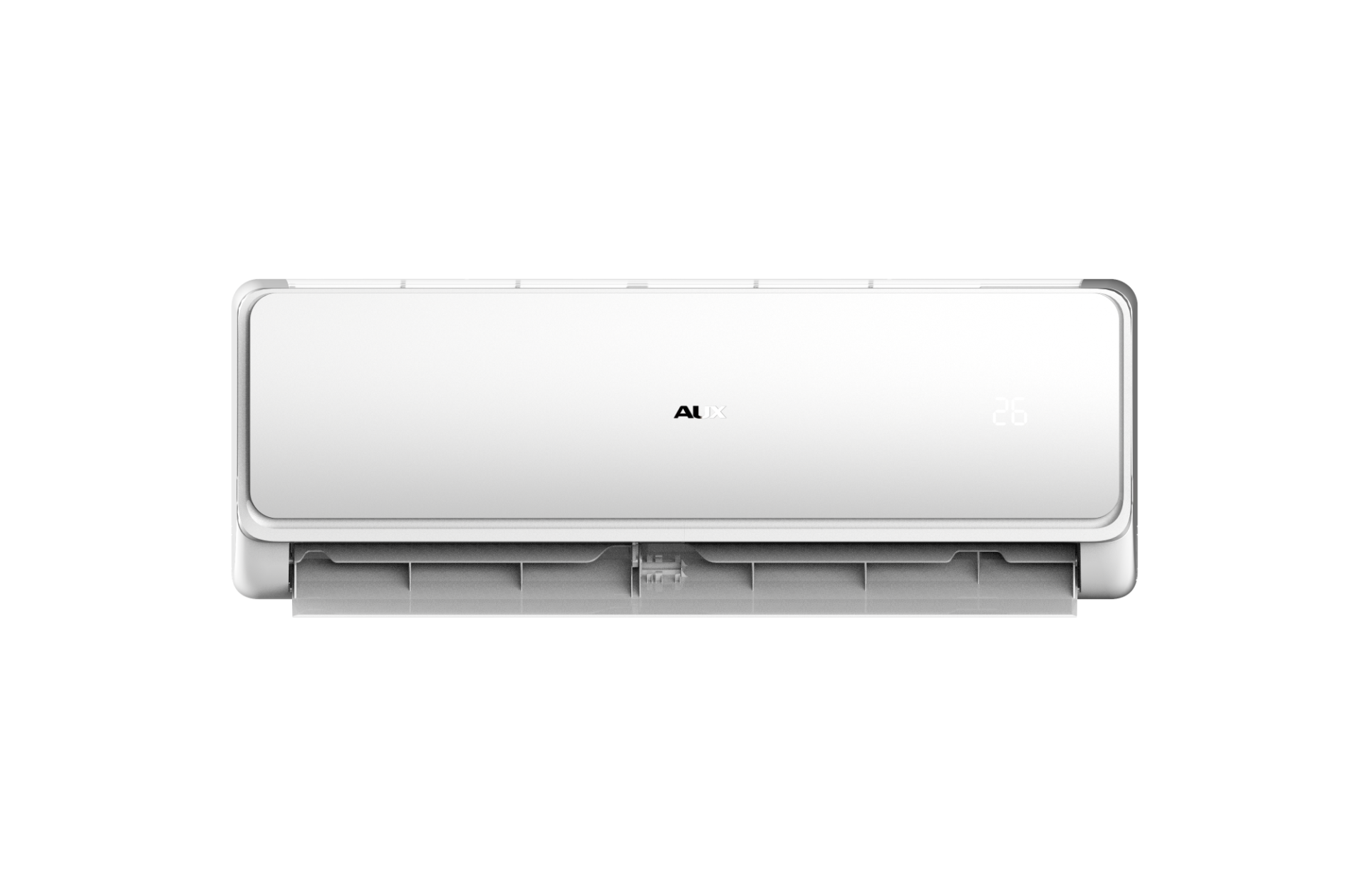
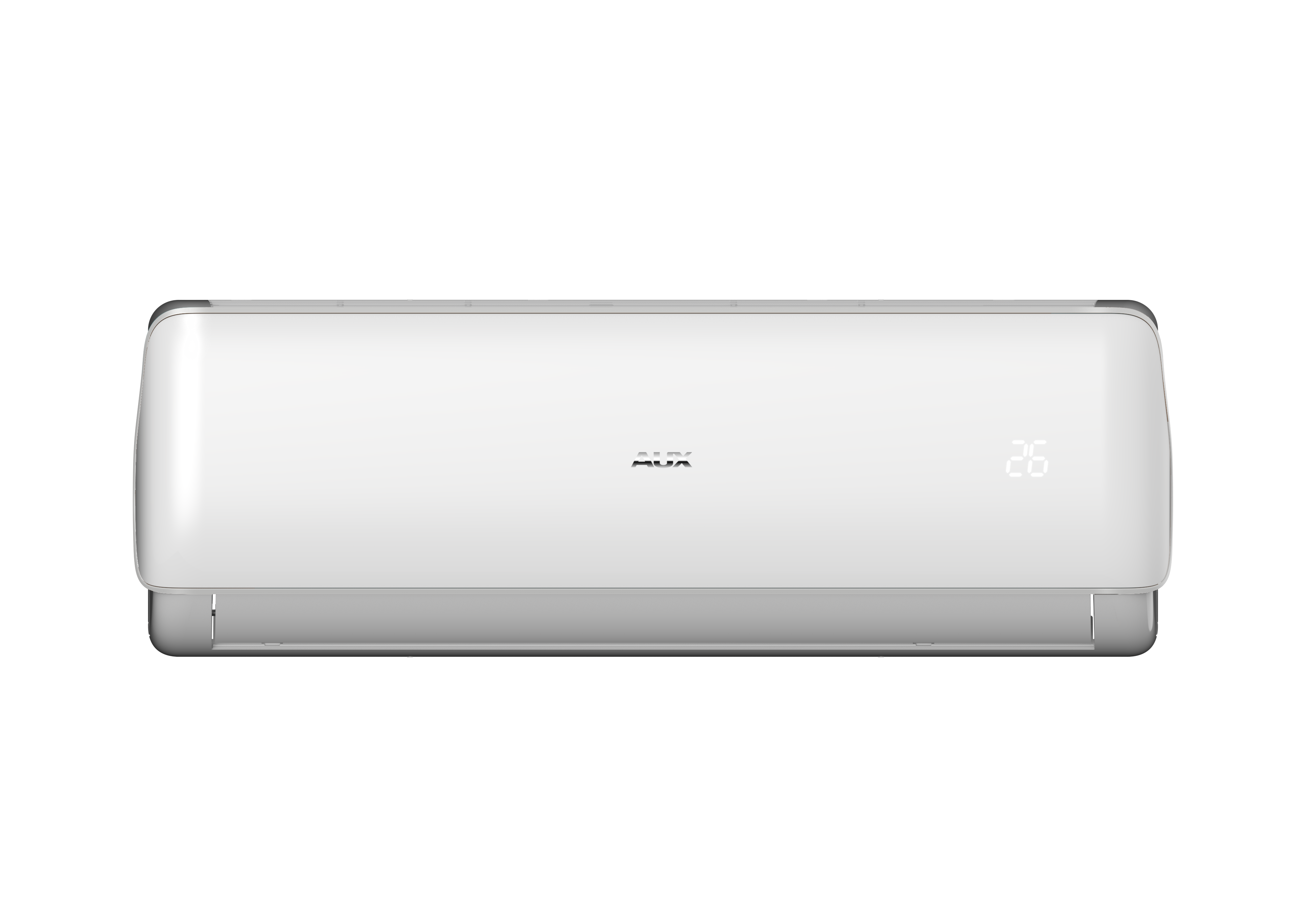
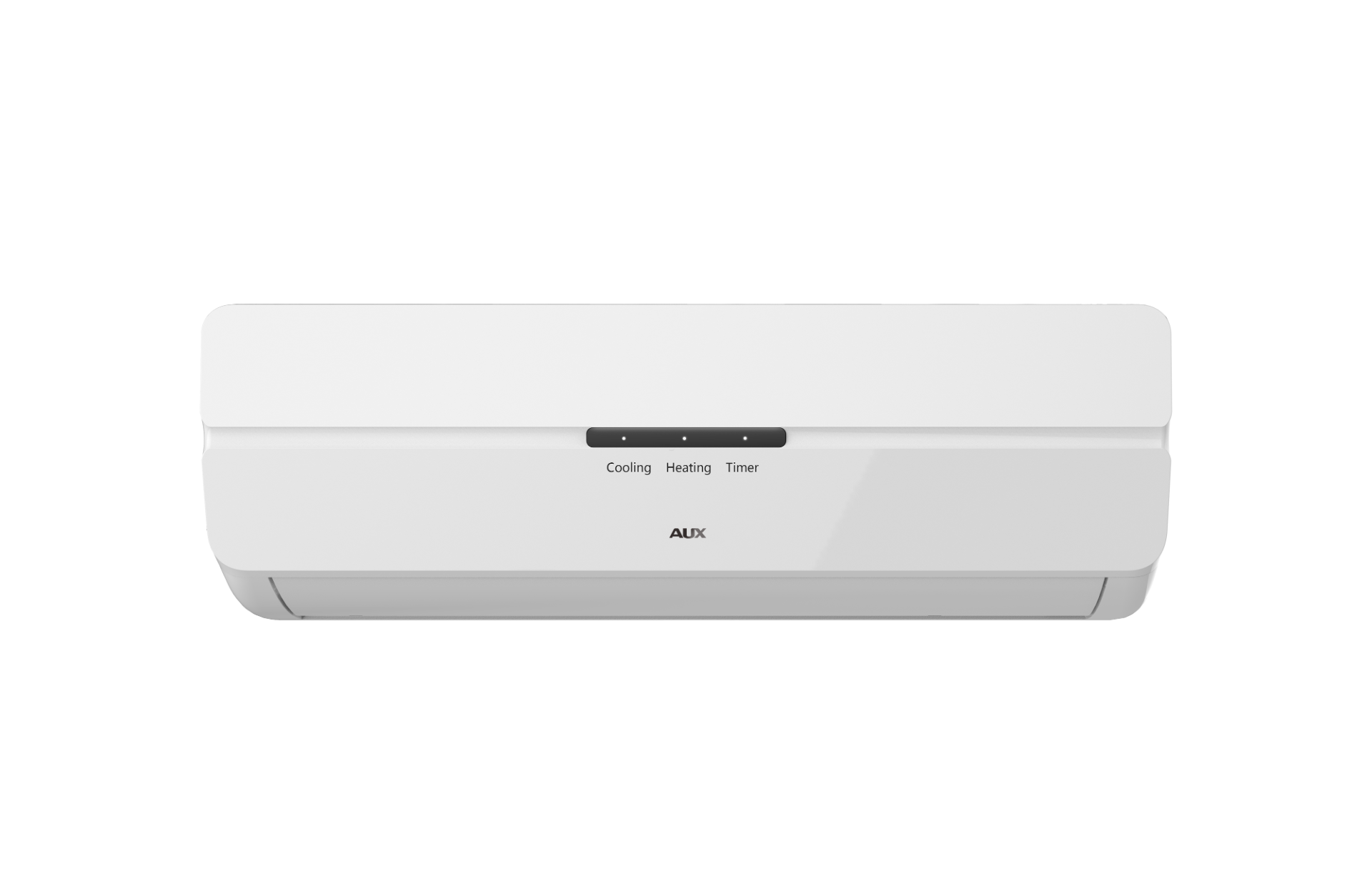
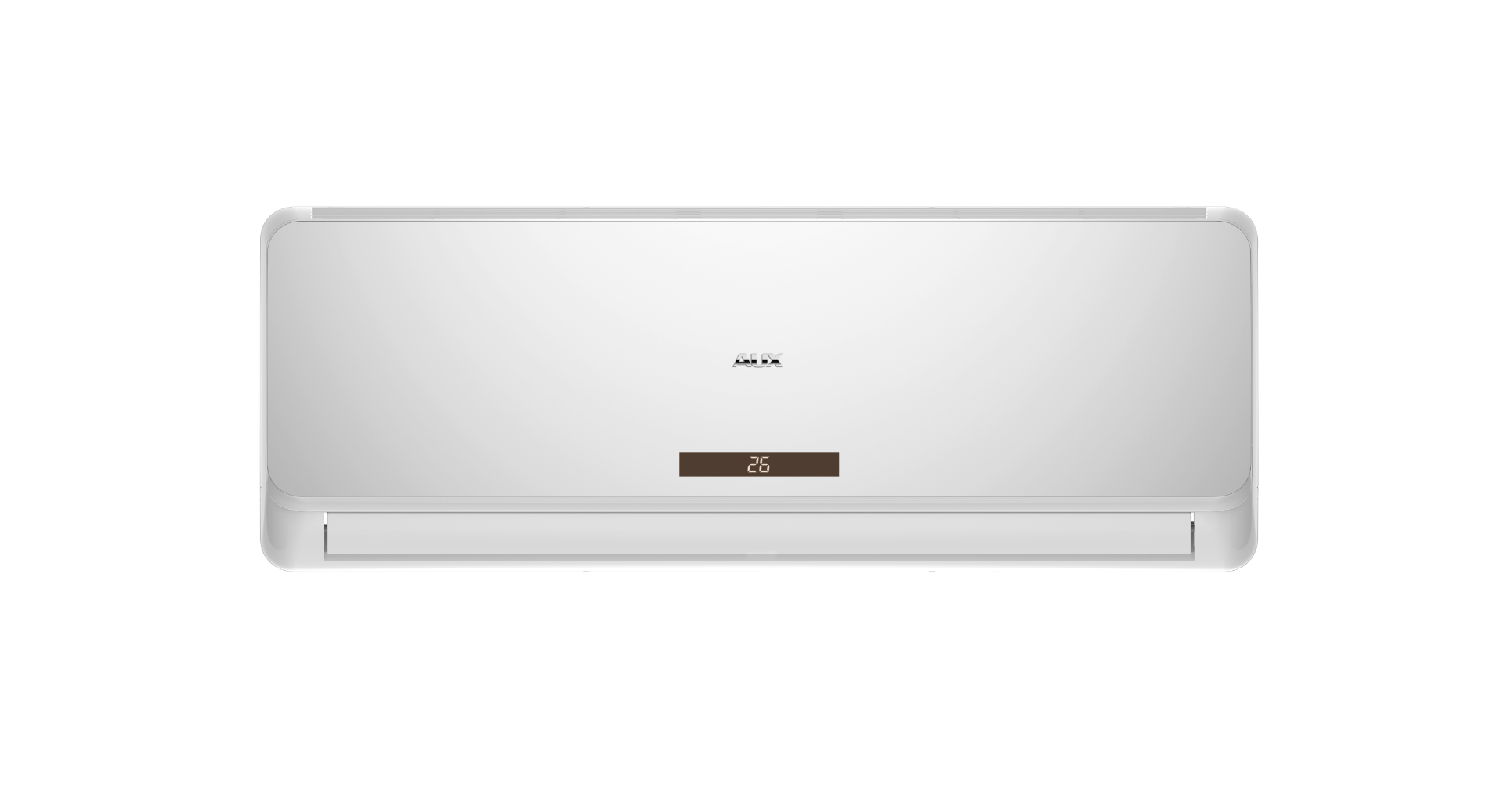
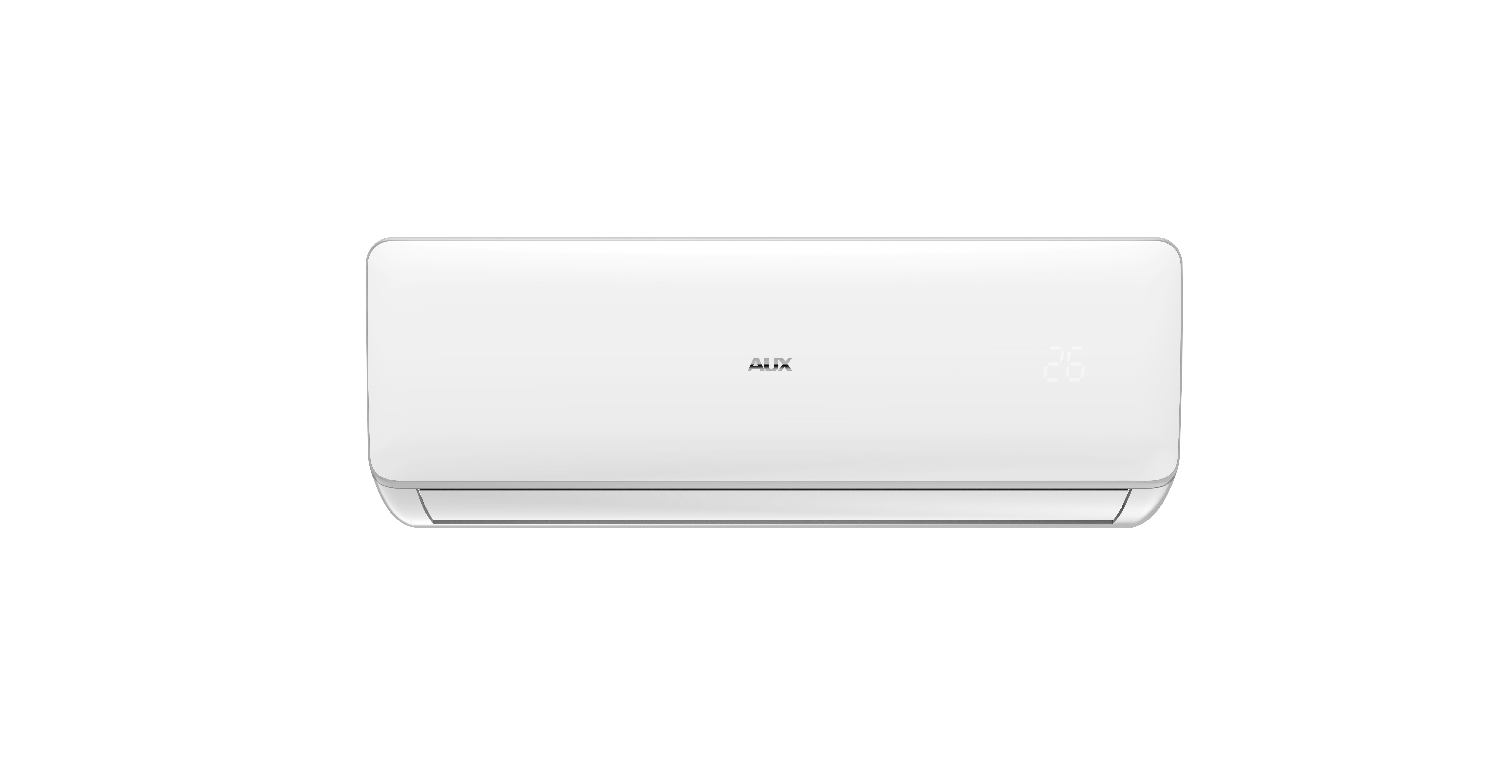
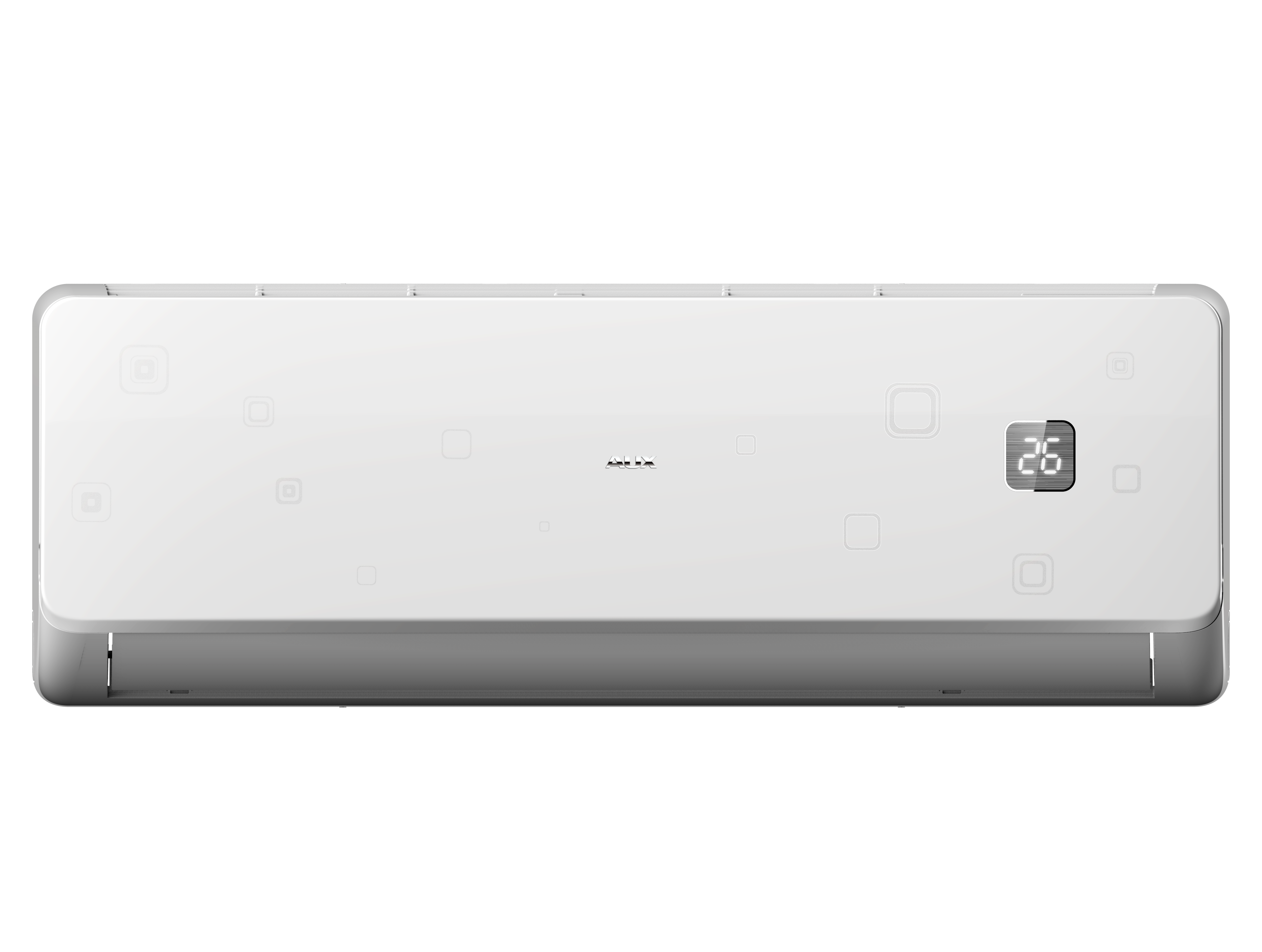
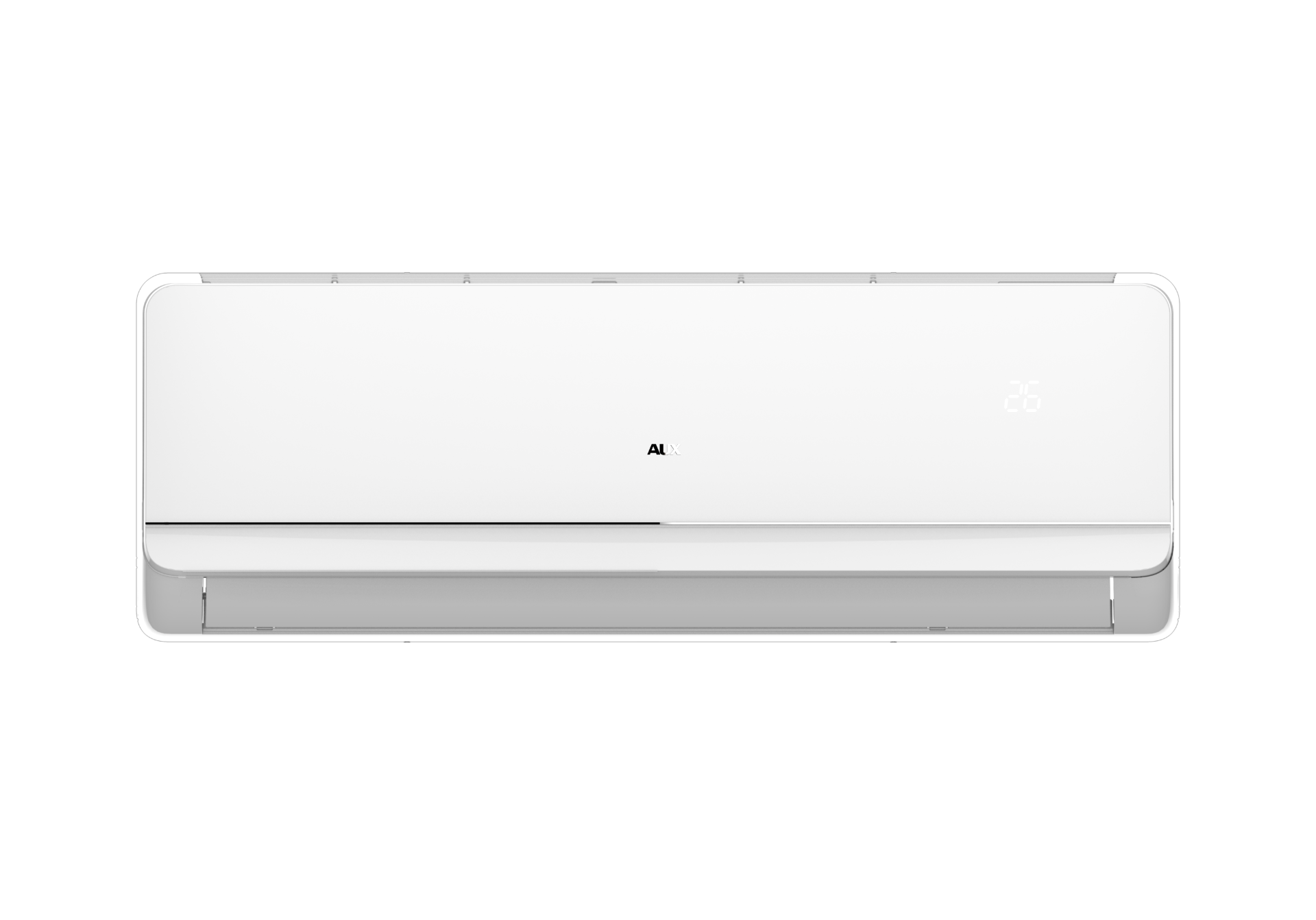
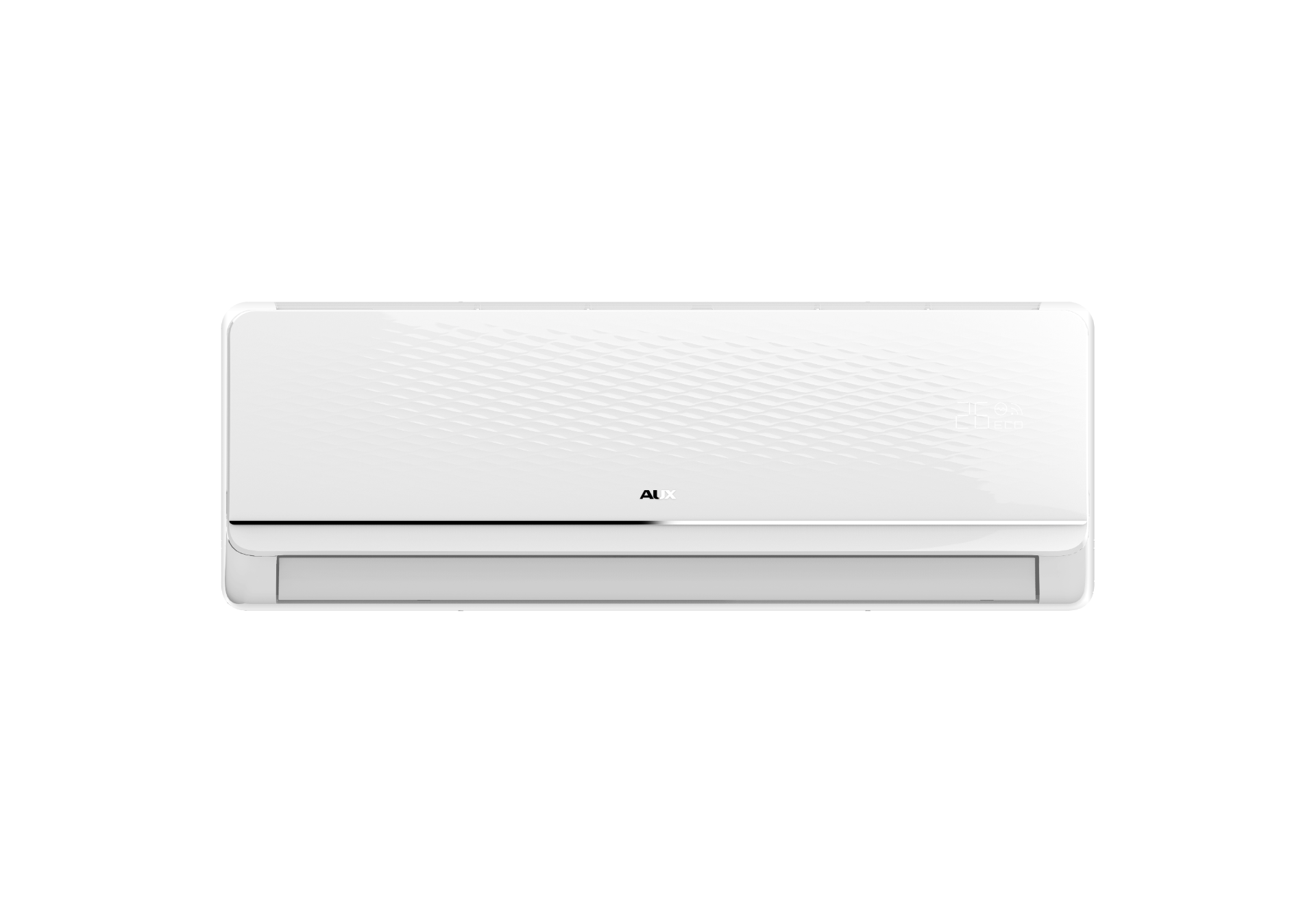
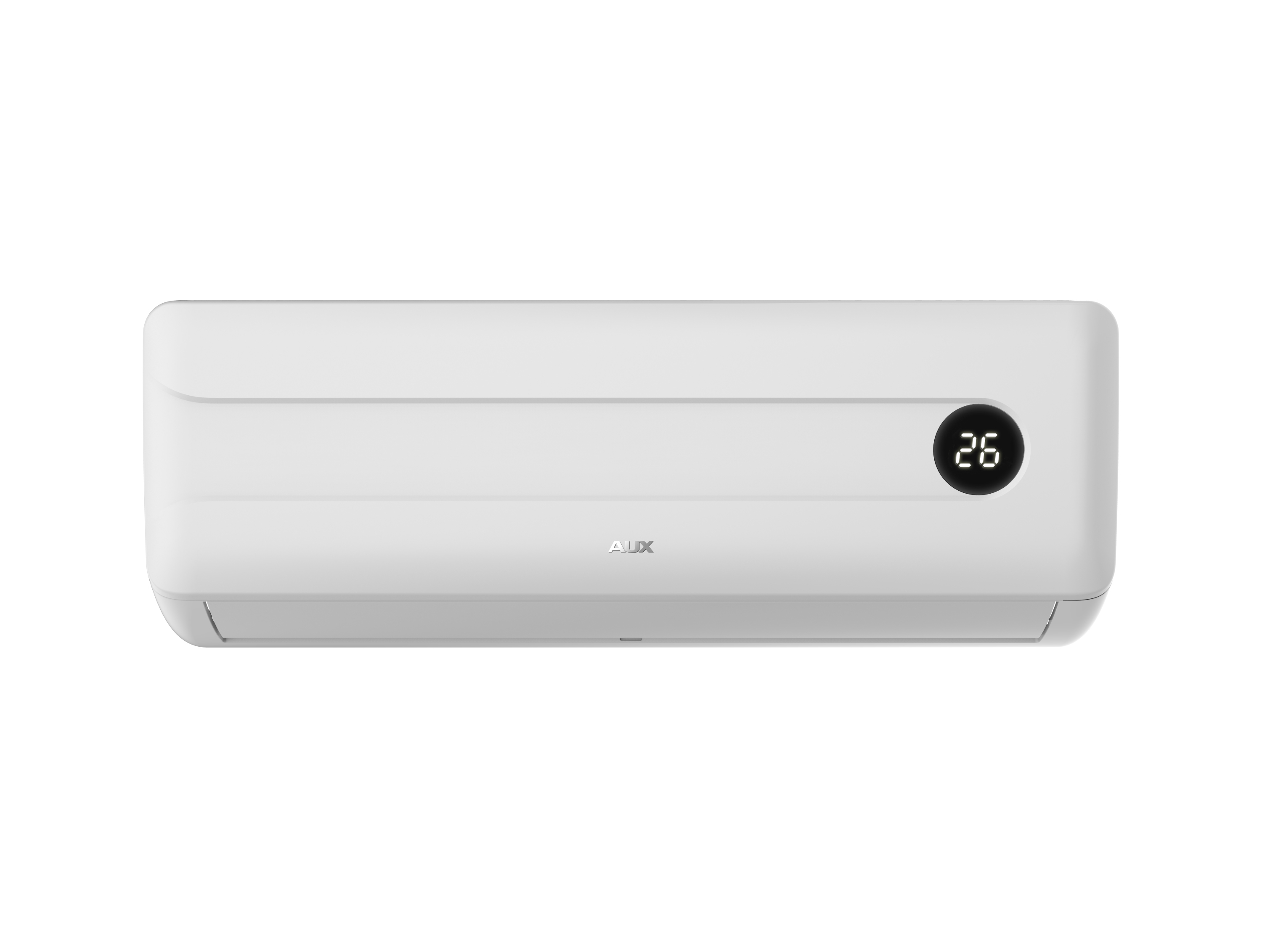
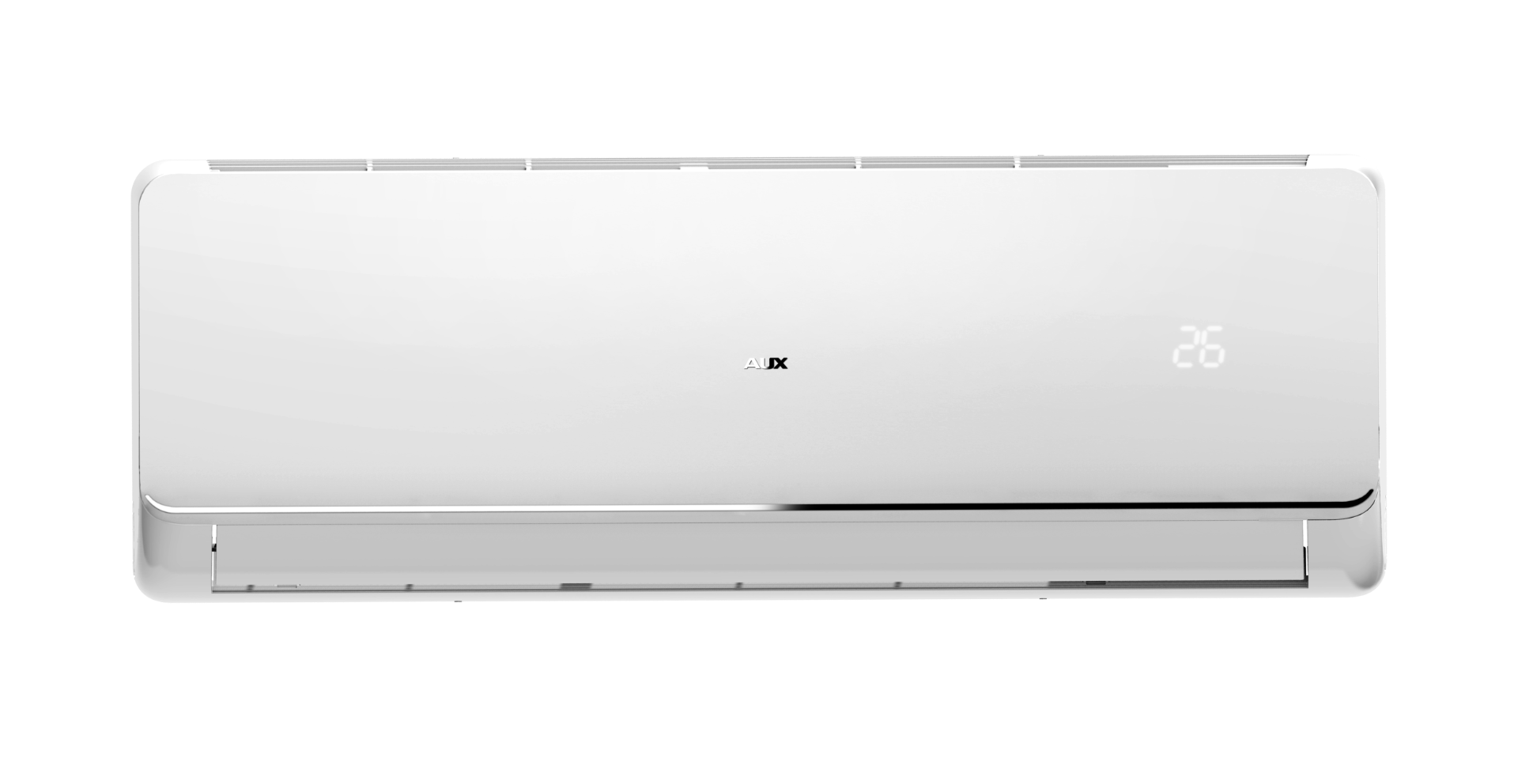
For example, modern inverter split systems like AUX are designed to optimize compressor speed and maintain stable temperatures, improving overall efficiency and reducing energy waste.
Usage Time
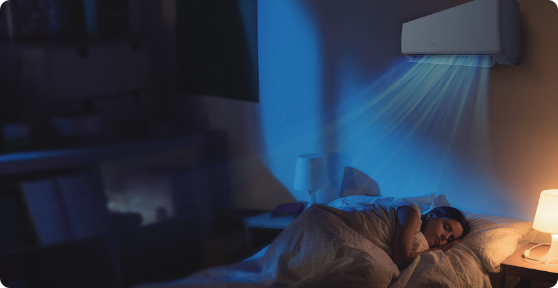
The longer an AC runs, the more electricity it consumes. However, inefficient usage patterns—such as running the unit in unoccupied rooms or keeping it on unnecessarily—can significantly increase energy costs. Using timers, sleep modes, or smart controls can help reduce unnecessary operation.
Temperature Setting
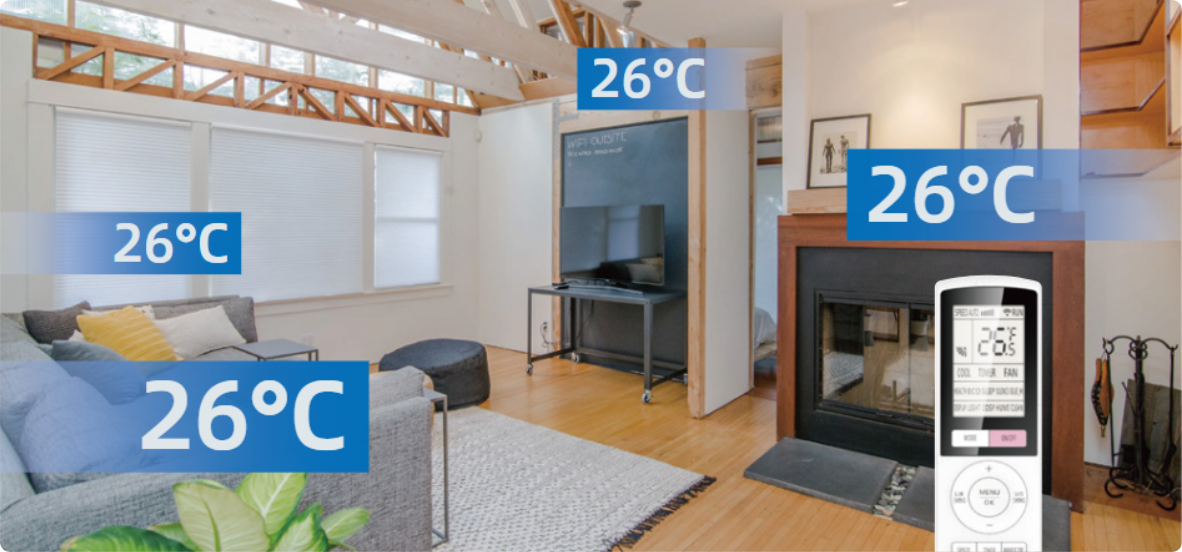
Thermostat settings directly impact energy consumption. Lower temperature settings require more compressor activity, increasing power usage. For optimal efficiency, it is recommended to keep the temperature between 24–26°C, which balances comfort and energy savings.
Maintenance Condition
Regular maintenance is essential for maintaining energy efficiency. Dirty filters, clogged coils, and restricted airflow can force the system to work harder, leading to increased electricity consumption. Routine cleaning and servicing not only improve performance but also extend the lifespan of the unit.
How to Reduce Split AC Electricity Consumption
Reducing your split AC electricity consumption not only saves money but also helps lower your environmental footprint. Here are five effective tips:
-
- Set the Right Temperature: Maintaining a moderate temperature is key. Setting your AC between 24–26°C keeps the room comfortable without overworking the system.
- Use Eco Mode: Many modern split systems come with an eco mode, which automatically adjusts compressor speed and fan operation to save energy.
- Clean Your Air Conditioner Regularly: Regular maintenance is essential. Filter replacement and cleaning improve airflow and performance. Dirty filters and blocked components make the system work harder, increasing electricity consumption.
- Improve Room Sealing: Prevent cool air from escaping by checking doors, windows, and insulation. Proper sealing reduces the AC workload, allowing it to maintain the desired temperature more efficiently.
- Choose an Energy-Efficient Split AC: Investing in a high efficiency split AC or energy efficient split system ensures lower energy consumption while providing optimal cooling. Features like inverter technology and high SEER ratings can deliver long-term cost savings and more sustainable operation.
Choosing an Energy-Efficient Split Air Conditioner
When selecting a split AC, choosing a high-efficiency model can make a significant difference in both energy consumption and long-term cost savings. Inverter air conditioners are generally preferred, as they continuously adjust compressor speed to match cooling demand, providing smoother temperature control and lower electricity bills.
In addition to inverter technology, pay attention to the energy efficiency rating of the unit. High SEER or EER ratings indicate better performance and lower power consumption. Finally, ensure the AC capacity matches your room size—neither undersized nor oversized—to maximize efficiency and comfort.
By prioritizing an energy saving air conditioner with the right capacity and advanced inverter technology, you can enjoy optimal cooling while minimizing electricity costs and environmental impact.