







Global - English


How to Choose the Right Portable Air Conditioner for Your Room
Not all portable ACs are created equal. The wrong size unit leaves you sweating through a heatwave. The right one makes you wonder why you waited so long. This guide helps you figure out exactly what you need — room type, BTU, and where to get one — before you spend a cent.
Is Your Room Suitable for a Portable Air Conditioner?
Most rooms work fine — but a few things are worth checking before you buy.
You'll need a window. The exhaust hose has to vent somewhere. Sliding and double-hung windows work best. Casement windows (the ones that crank outward) are trickier but manageable with the right kit.
Keep the space enclosed. An indoor portable air conditioner performs best in a closed room. Open-plan areas or spaces that connect to other rooms will make the unit work harder and cool less effectively.
One room at a time. Close the doors, keep the space contained, and it'll do its job properly. Don't expect it to cool an entire apartment from a hallway.
| Room Type | Suitability |
|---|---|
| Enclosed room with a window | ✓ Suitable |
| Top floor with hot roof | ✓ Suitable, but size up on BTU |
| Open-plan living area | ⚠ Possible, manage expectations |
| No window | ✗ Not suitable without alternative venting |
Already bought yours and ready to set it up? Our step-by-step installation guide walks you through the whole process.
How Many BTU Do You Need for Your Room Size?
BTU stands for British Thermal Unit — it's the standard measure of how much cooling power an AC delivers. Get this wrong and you'll either freeze in a tiny room or barely feel a difference in a large one.
The general rule of thumb for how many BTU per square foot a portable air conditioner needs is roughly 20 to 25 BTU per square foot under normal conditions.
Here's a simple reference:
| Room Size | Recommended BTU |
|---|---|
| Up to 150 sq ft | 5,000 – 6,000 BTU |
| 150 – 250 sq ft | 7,000 – 8,000 BTU |
| 250 – 350 sq ft | 9,000 – 10,000 BTU |
| 350 – 500 sq ft | 11,000 – 12,000 BTU |
| 500+ sq ft | 14,000 BTU and above |
But square footage isn't the whole story. Here's when you should size up:
- Direct sunlight — A west or south-facing room that gets strong afternoon sun can feel significantly hotter than its size suggests. Add around 10% more BTU.
- Top floor rooms — Heat rises and collects under the roof. These rooms hold heat longer and need more cooling power.
- High ceilings — Standard BTU estimates assume around 8-foot ceilings. Anything higher means more air volume to cool.
- Multiple people — Each person in a room adds body heat. For every additional occupant beyond one, add roughly 600 BTU.
- Kitchen use — Cooking generates a lot of heat. If you're cooling a kitchen or open dining area, add at least 4,000 BTU on top of the room size estimate.
When in doubt, size up rather than down. An oversized unit can always be dialed back. An undersized one will run constantly, wear out faster, and still leave you uncomfortable.
Where Can You Buy a Portable Air Conditioner?
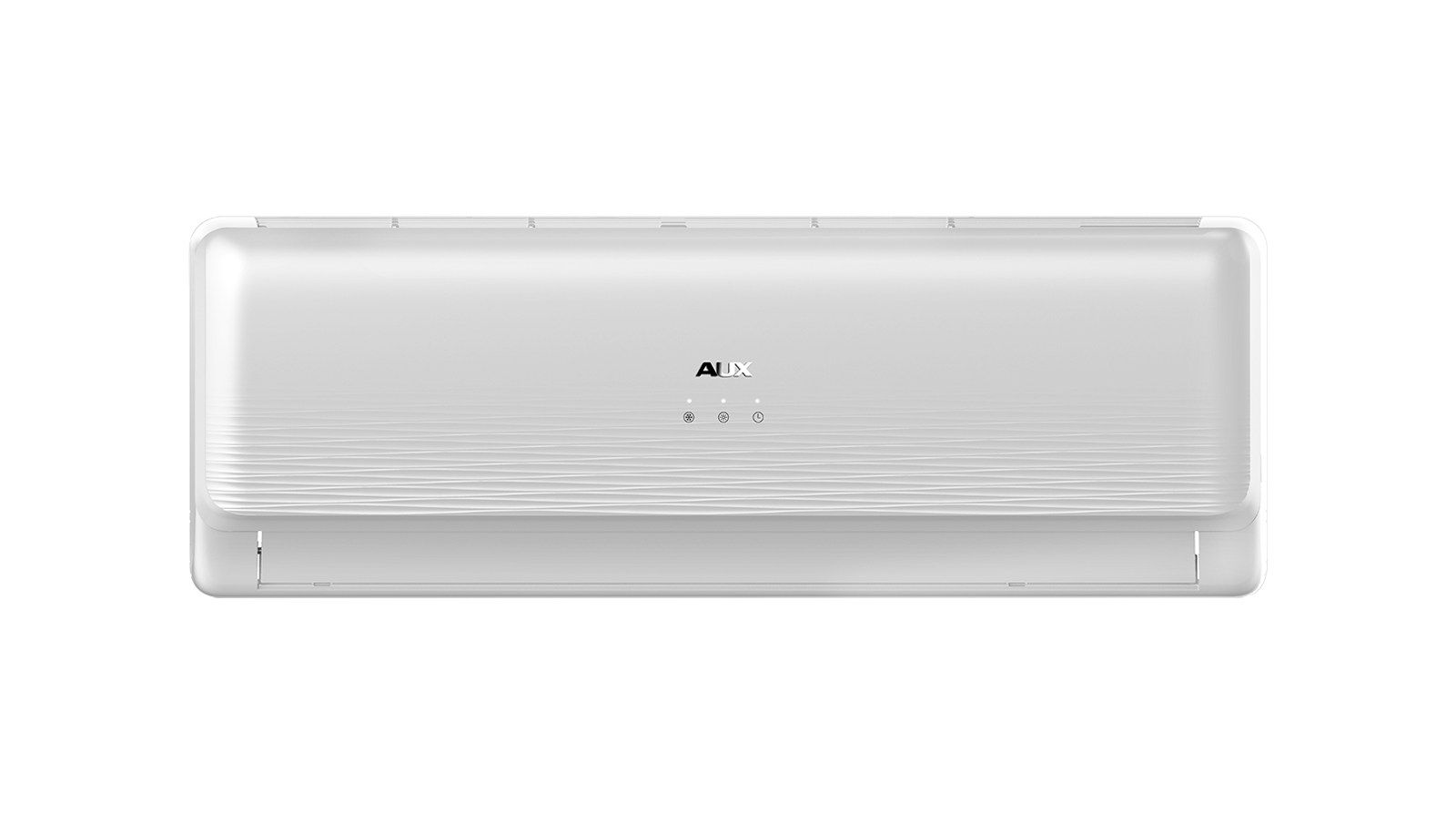
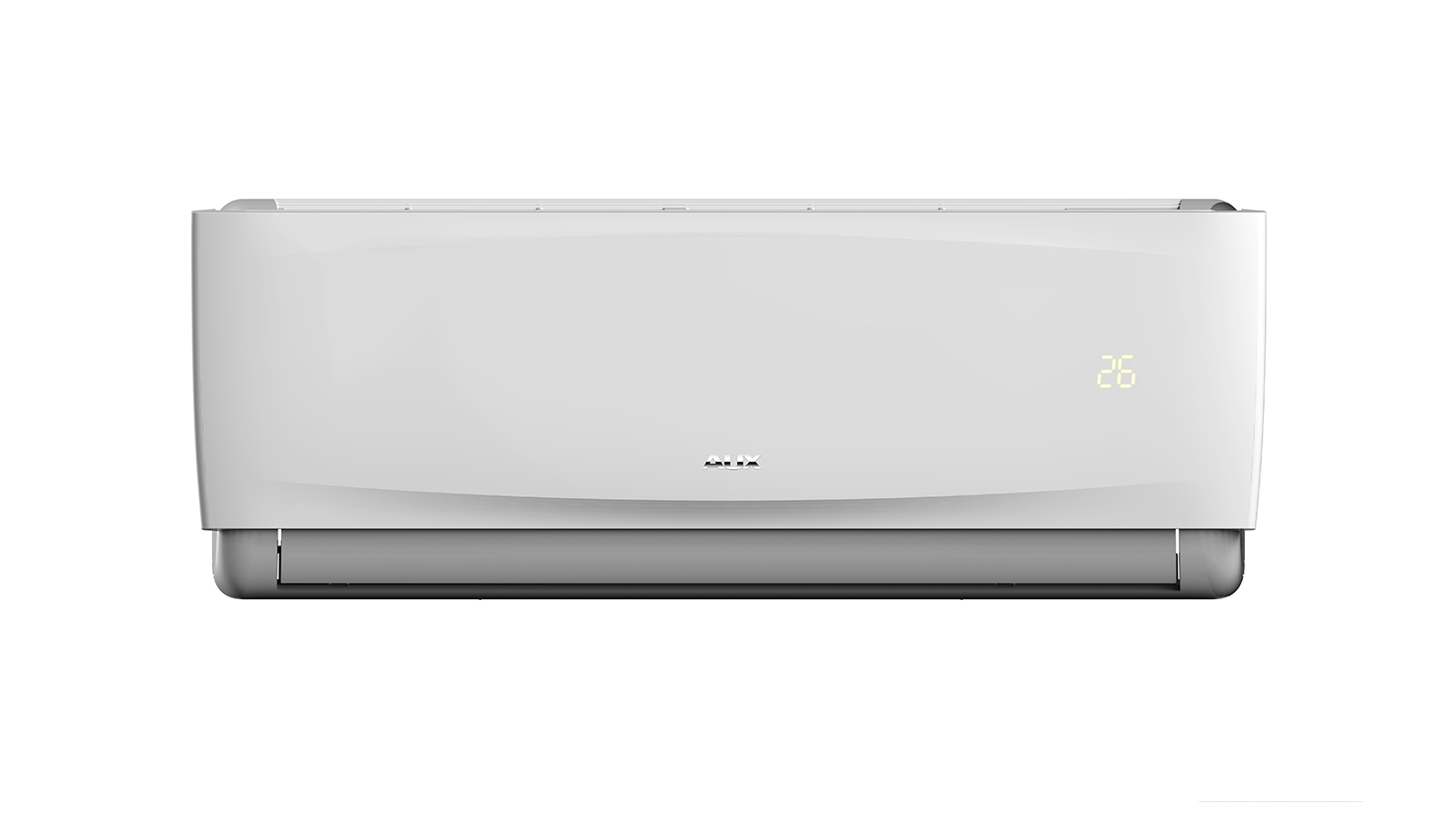
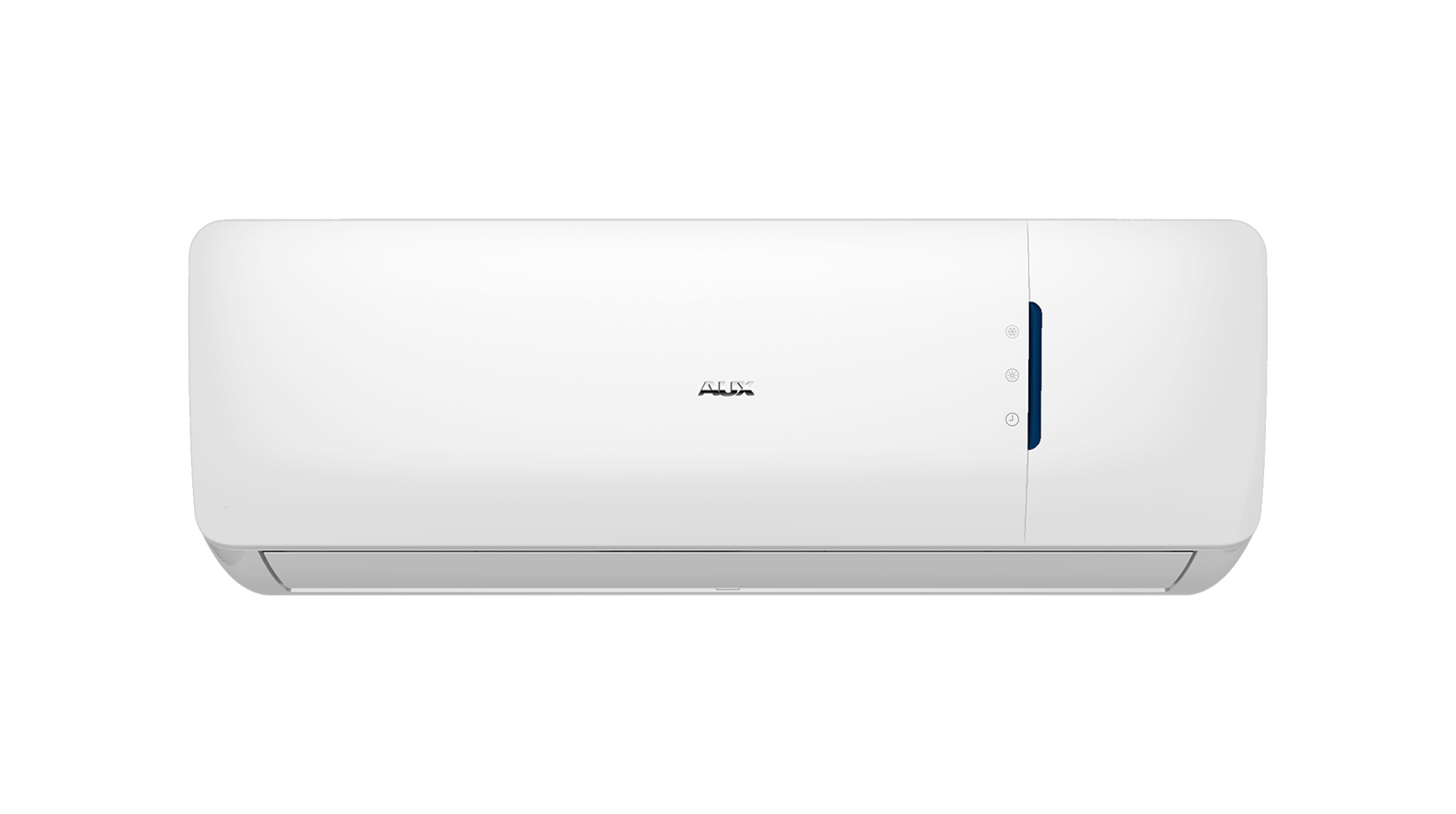
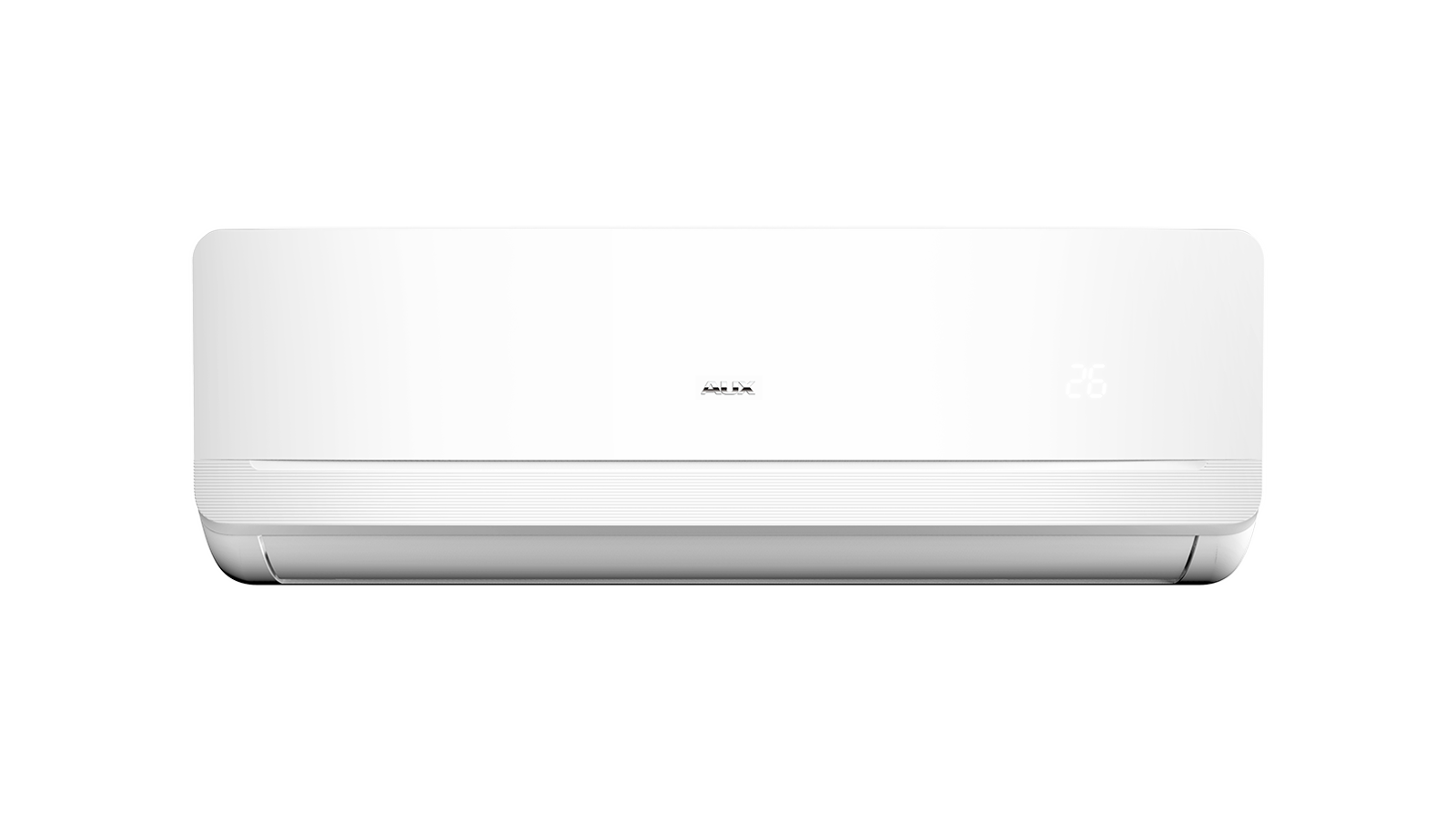
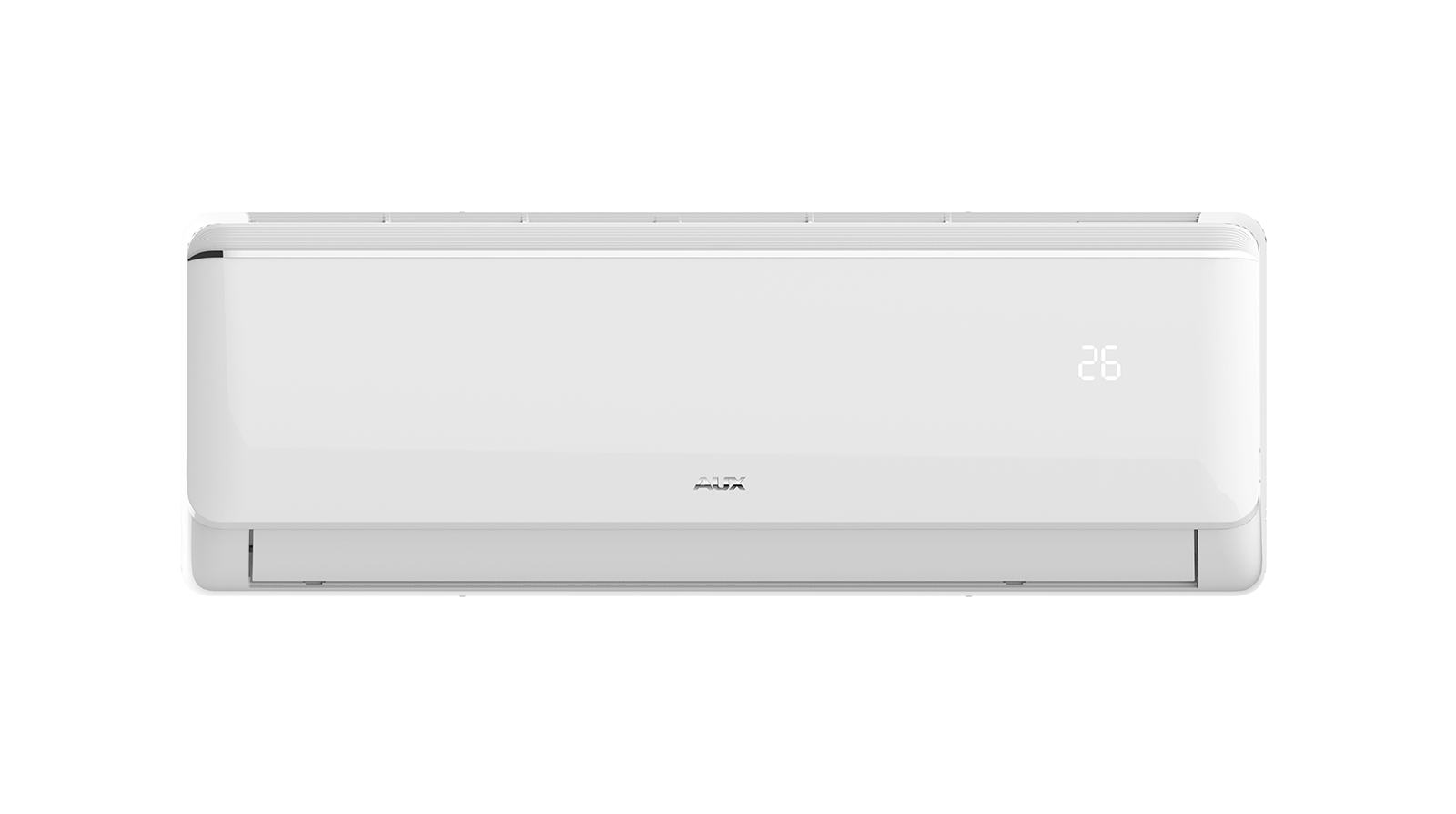
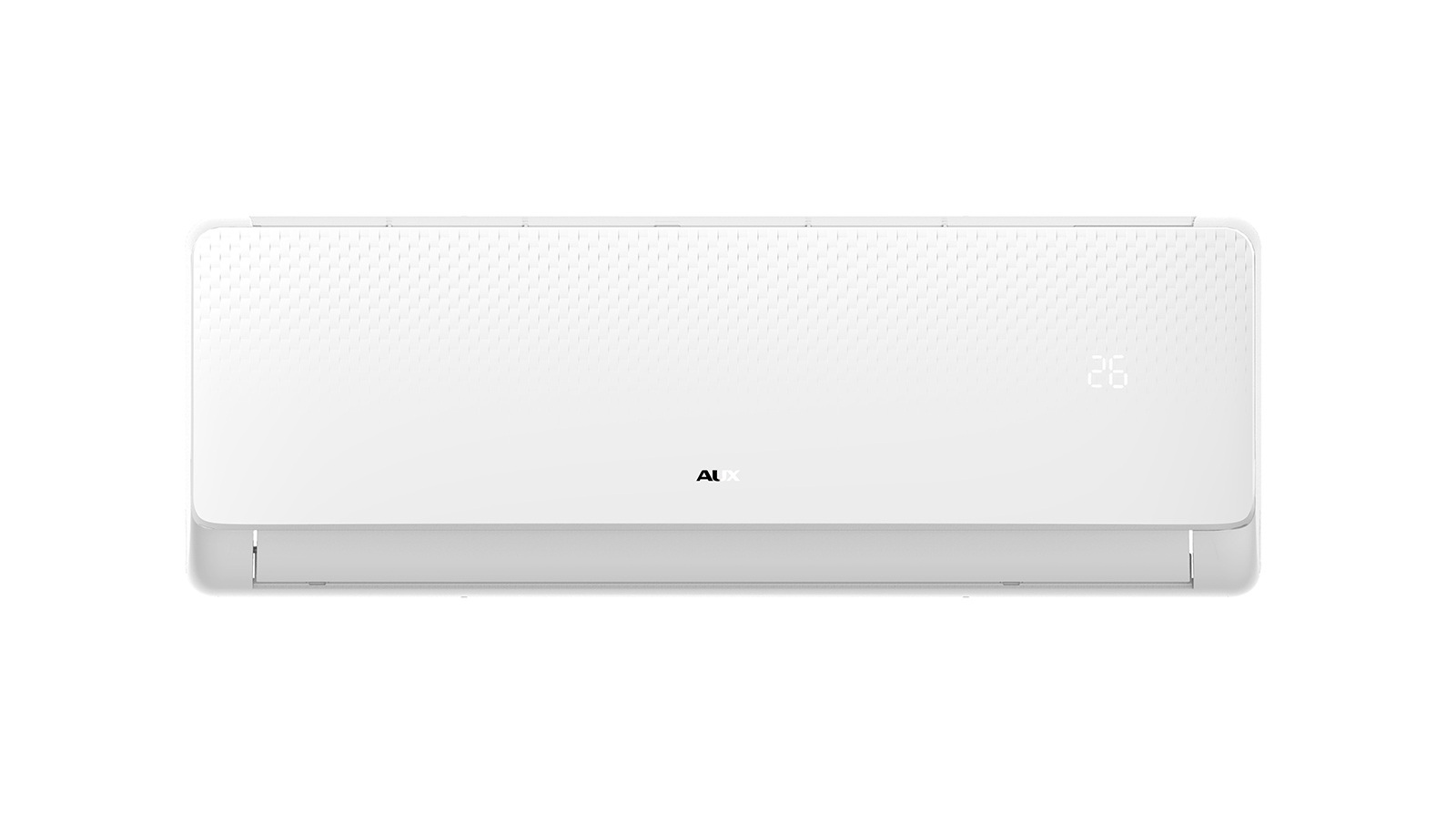
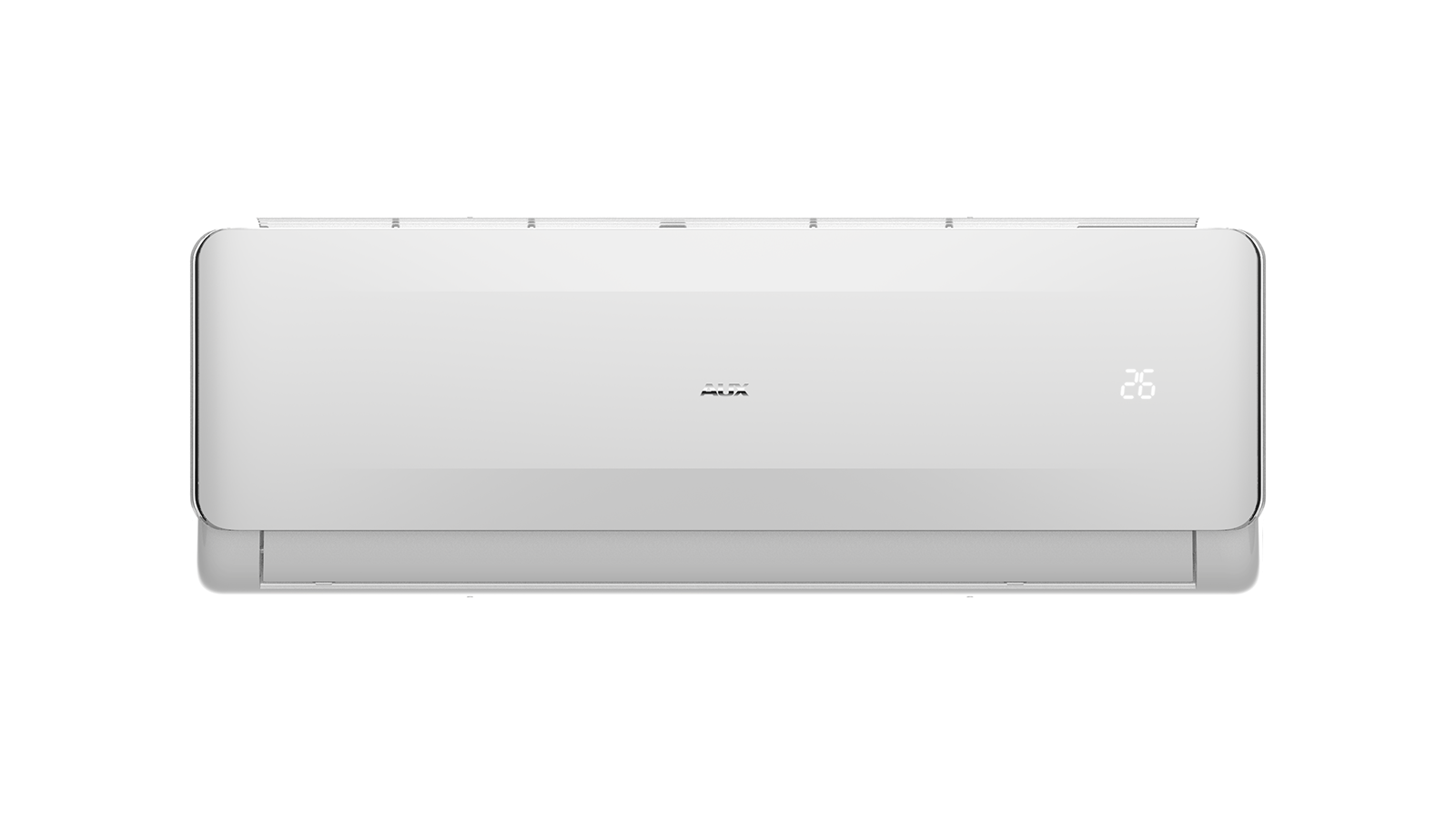
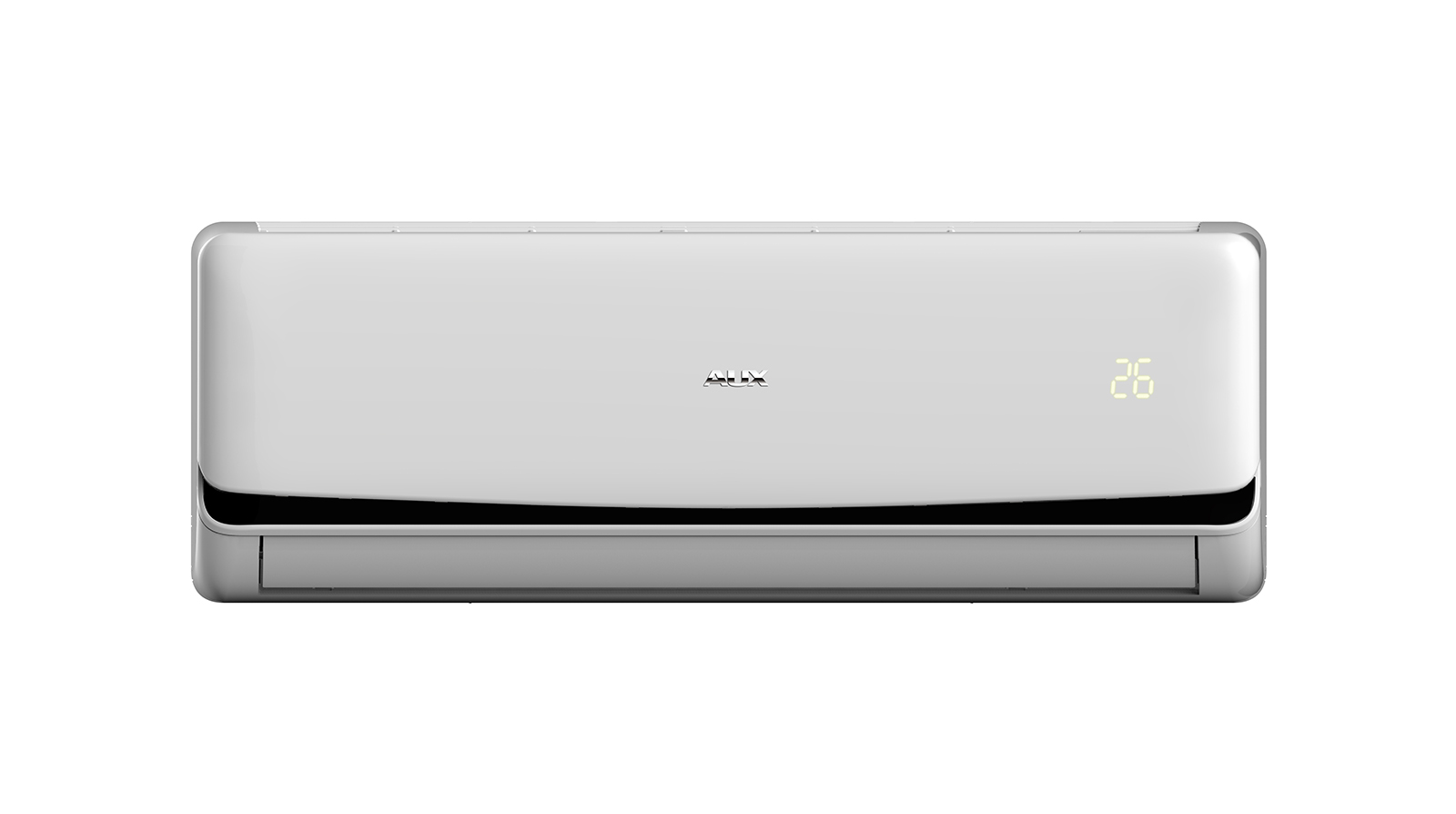
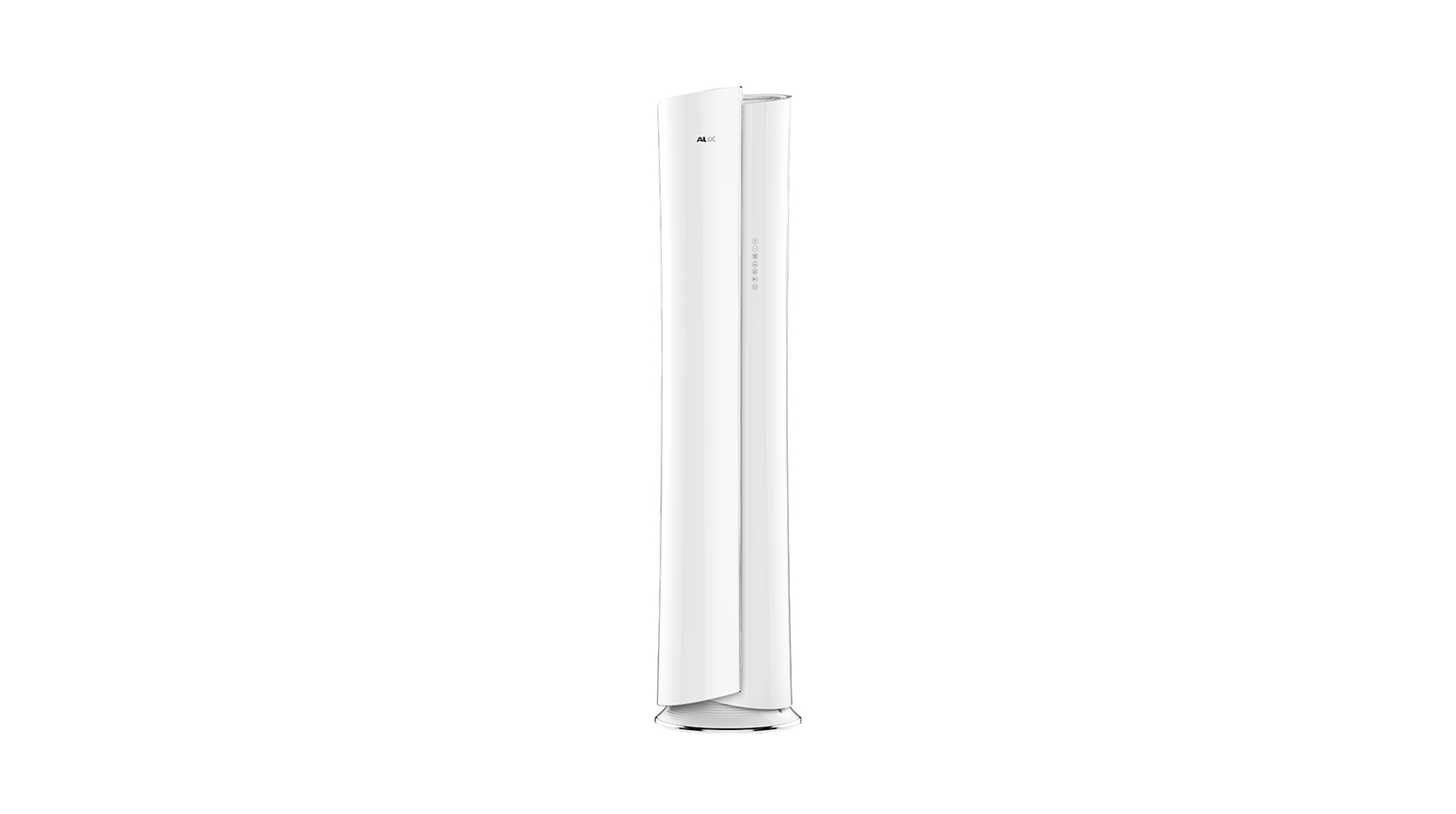
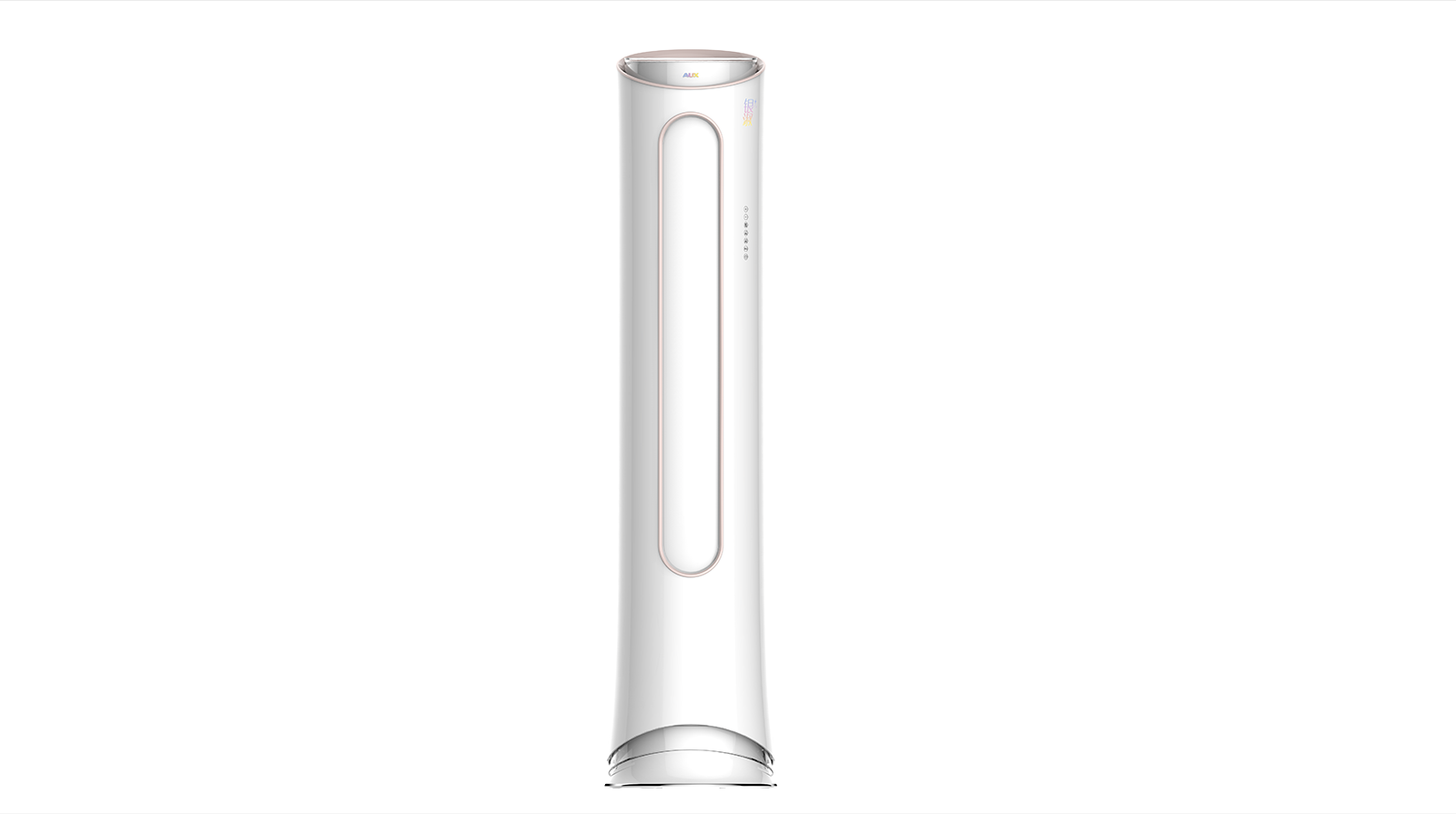
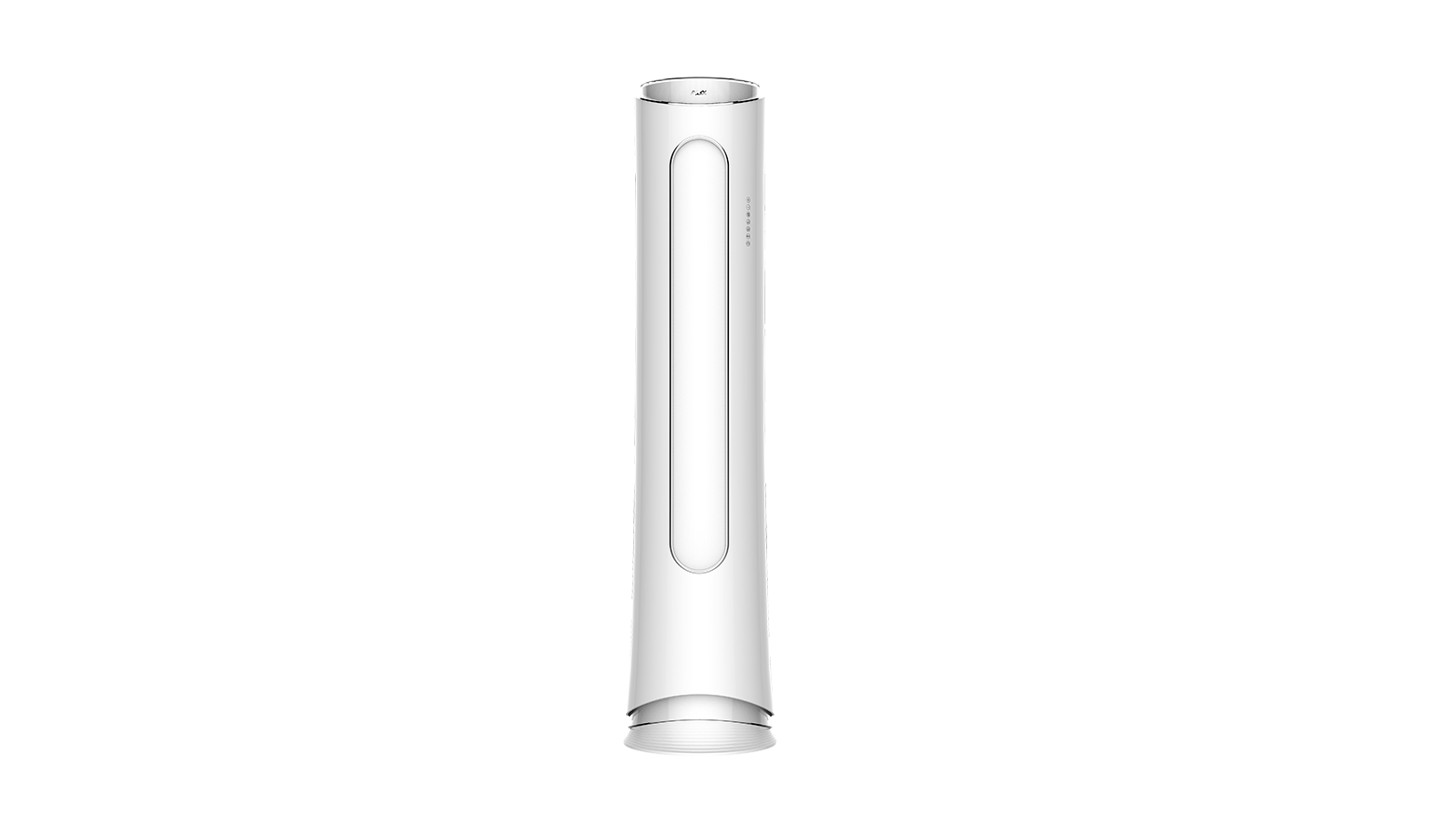
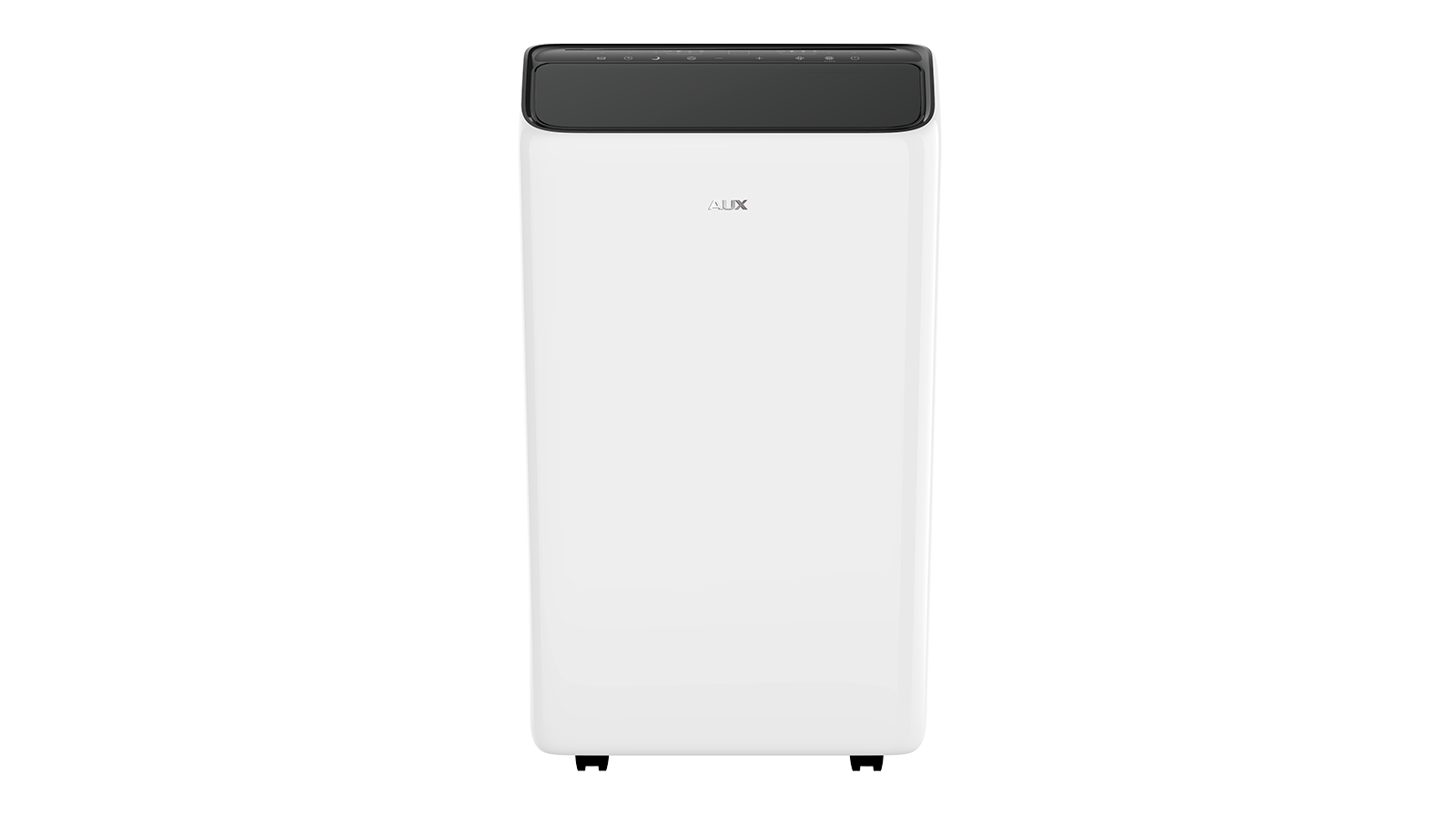
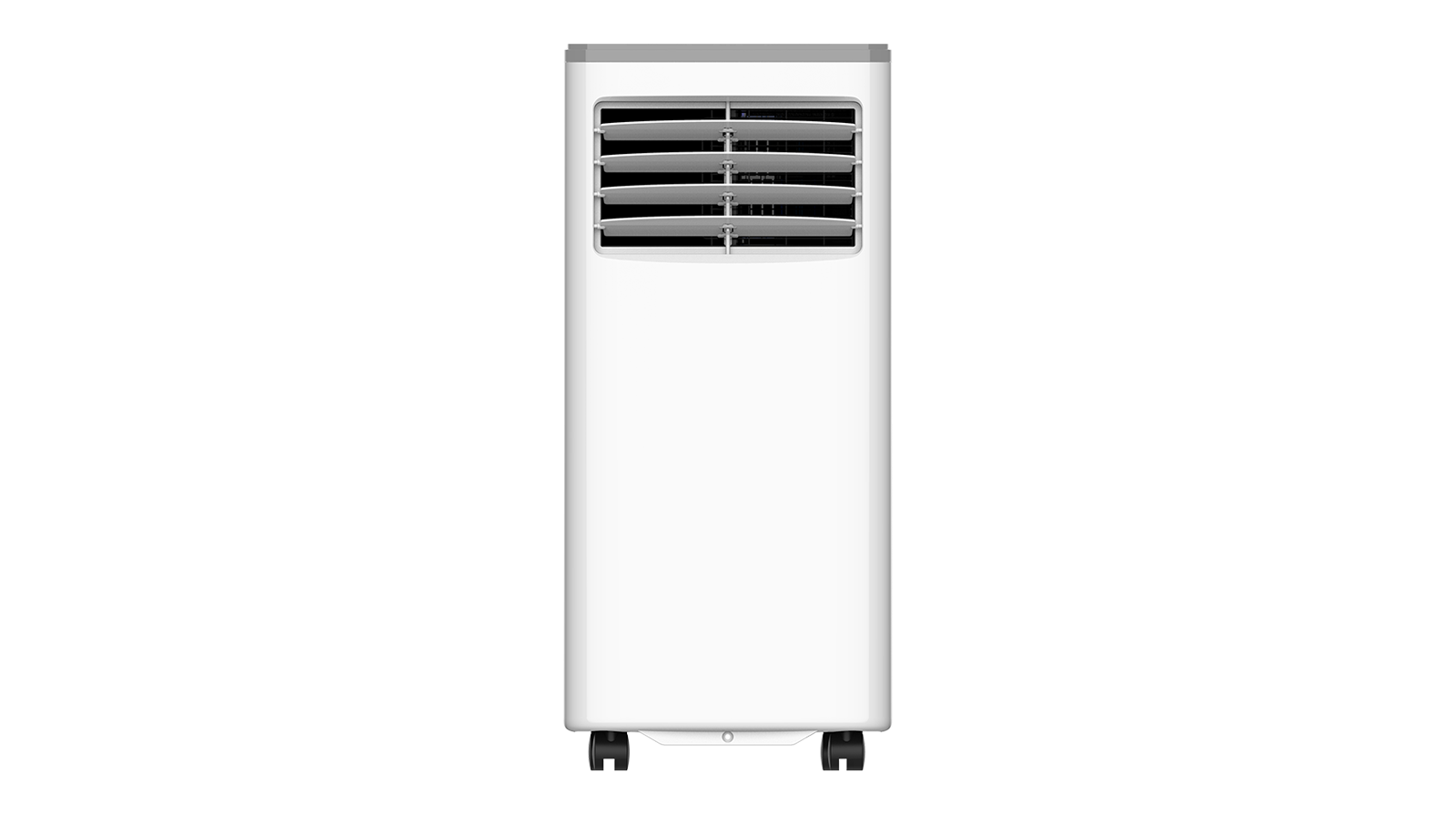
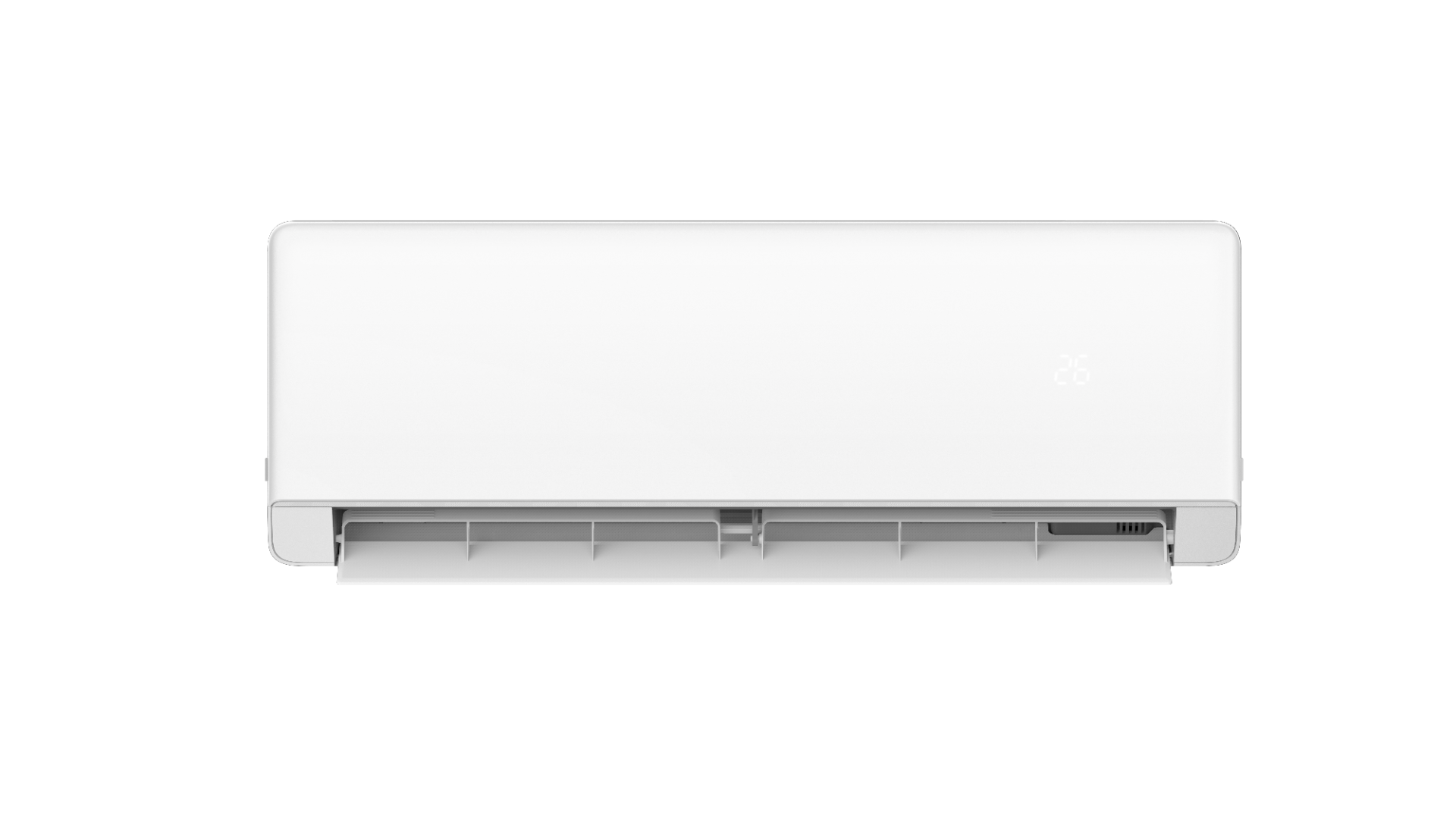
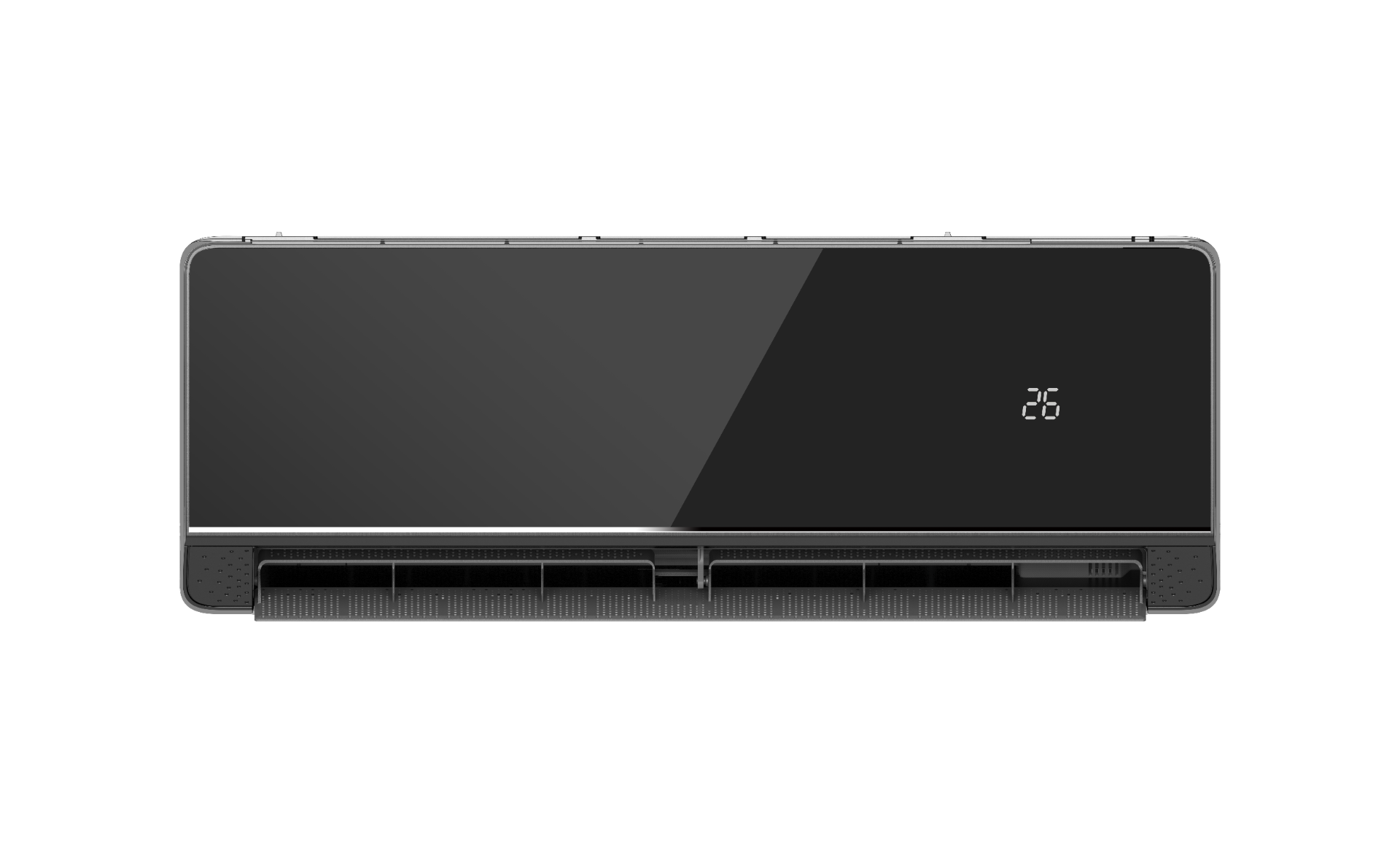
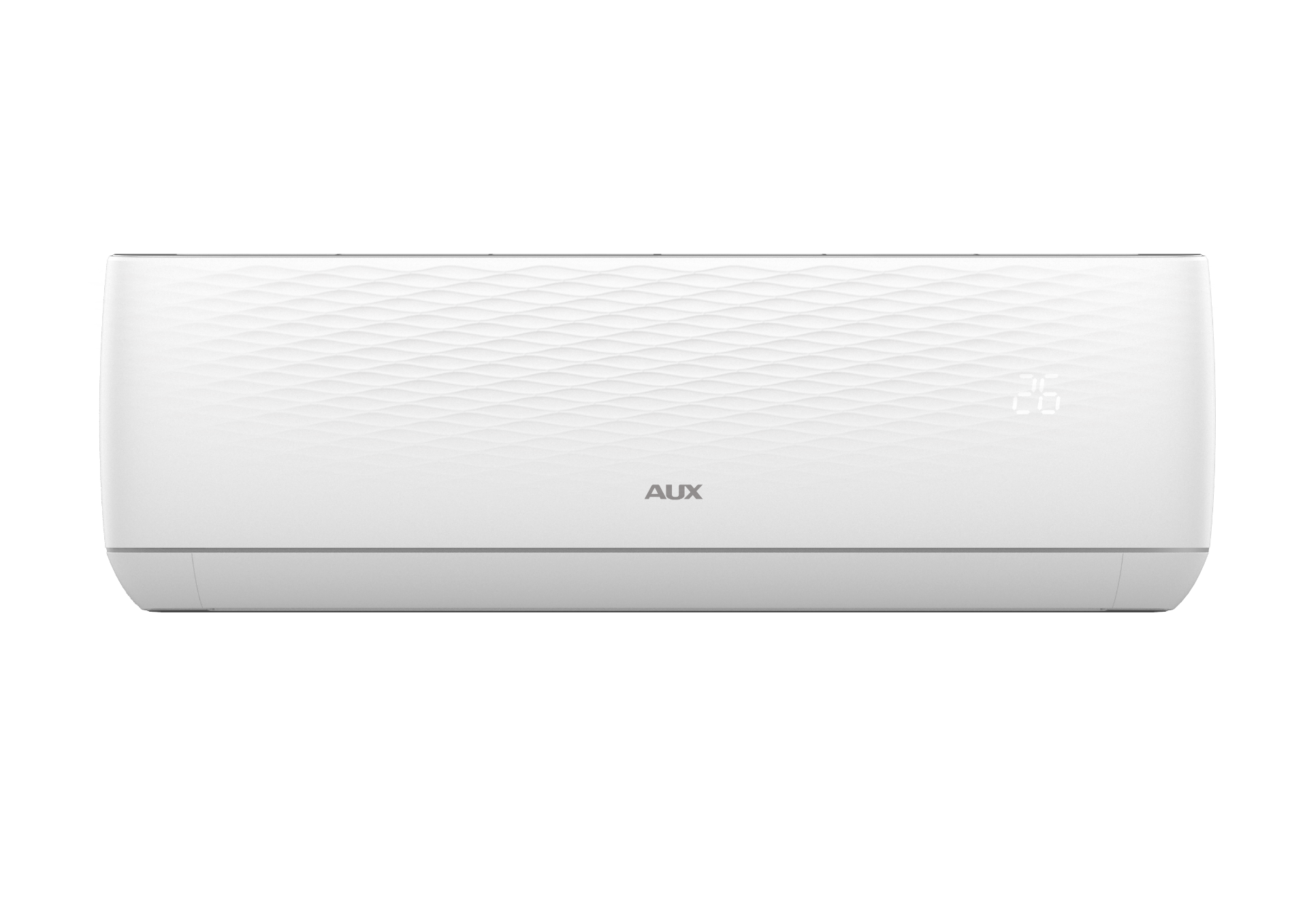
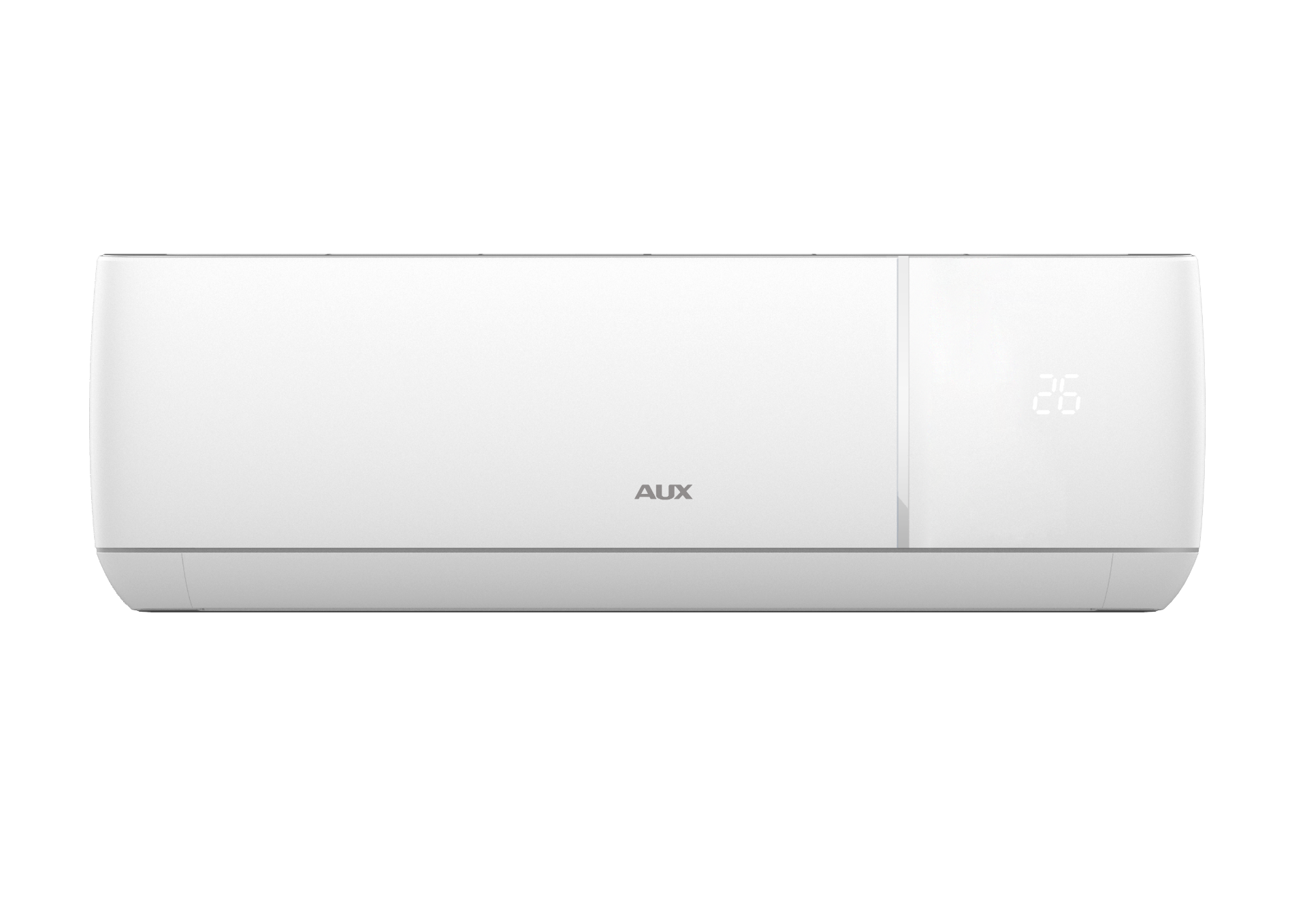
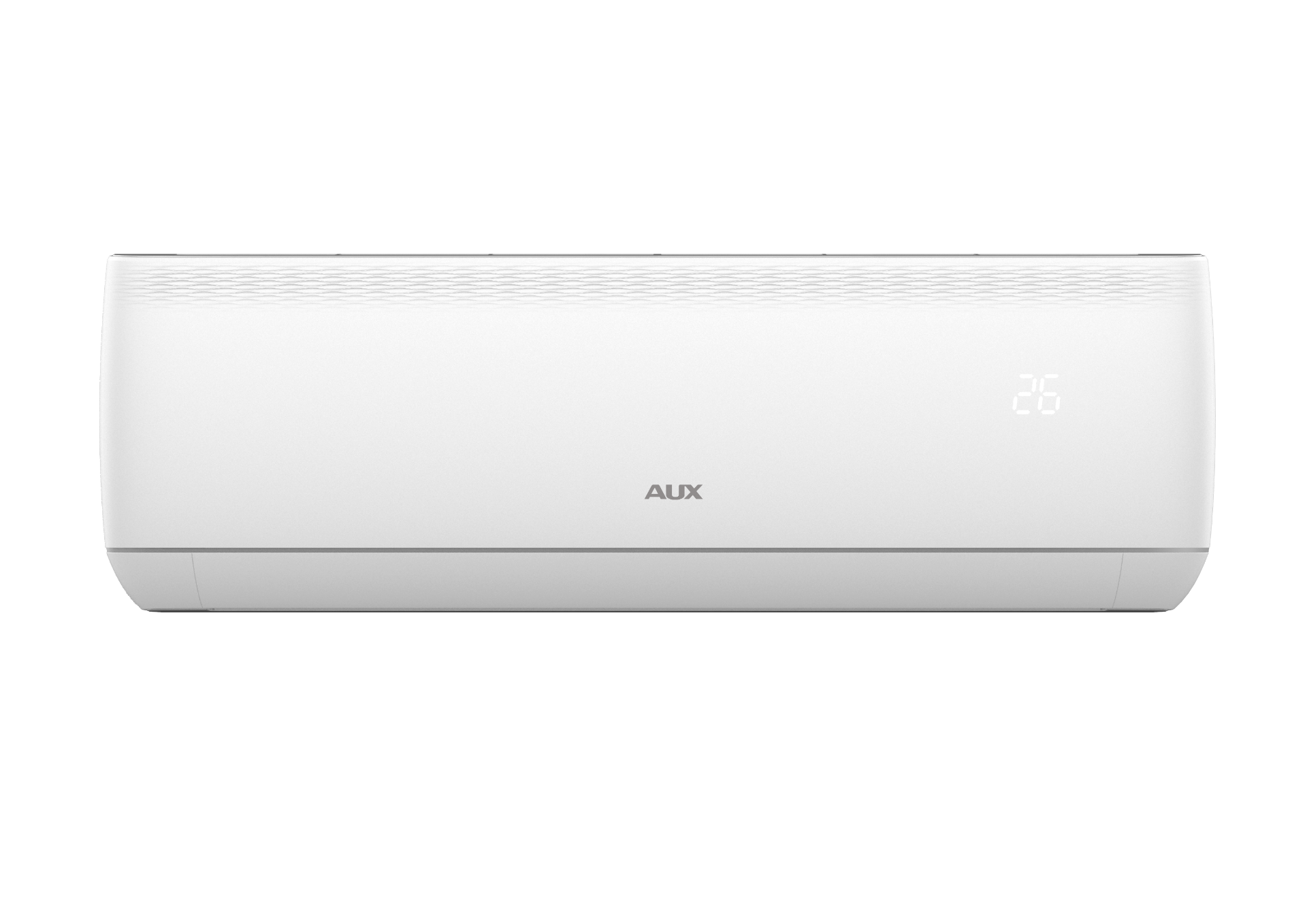
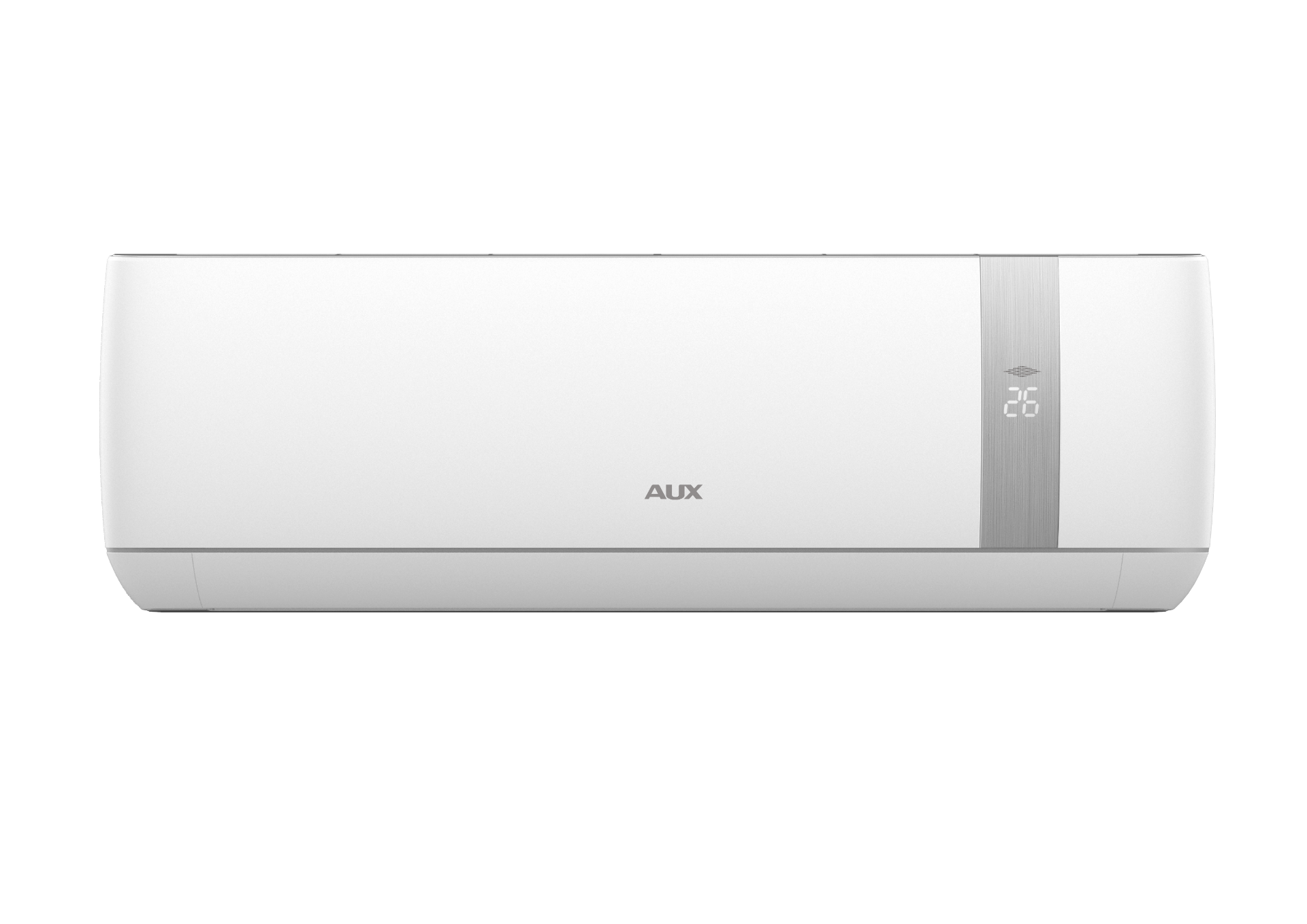
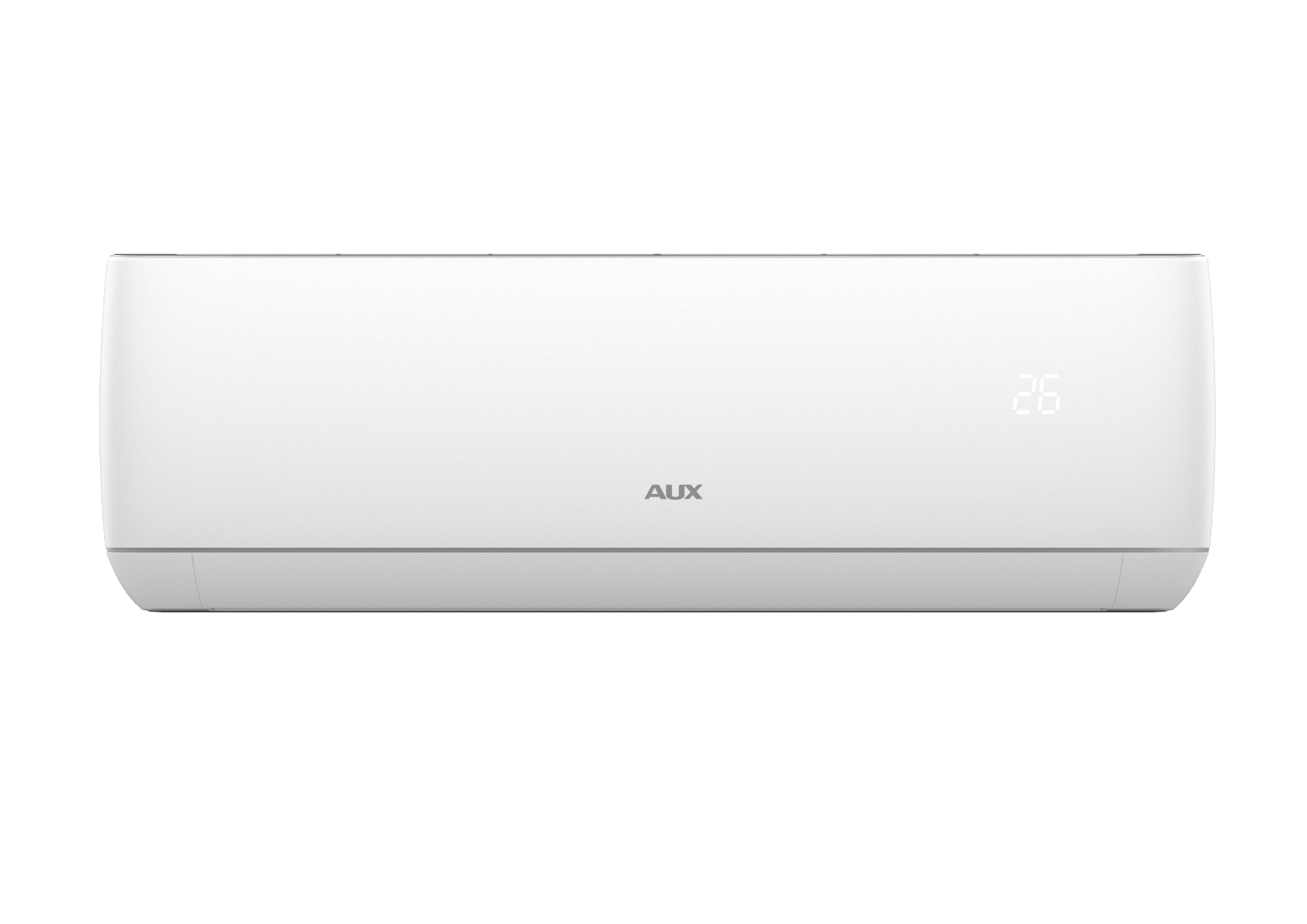
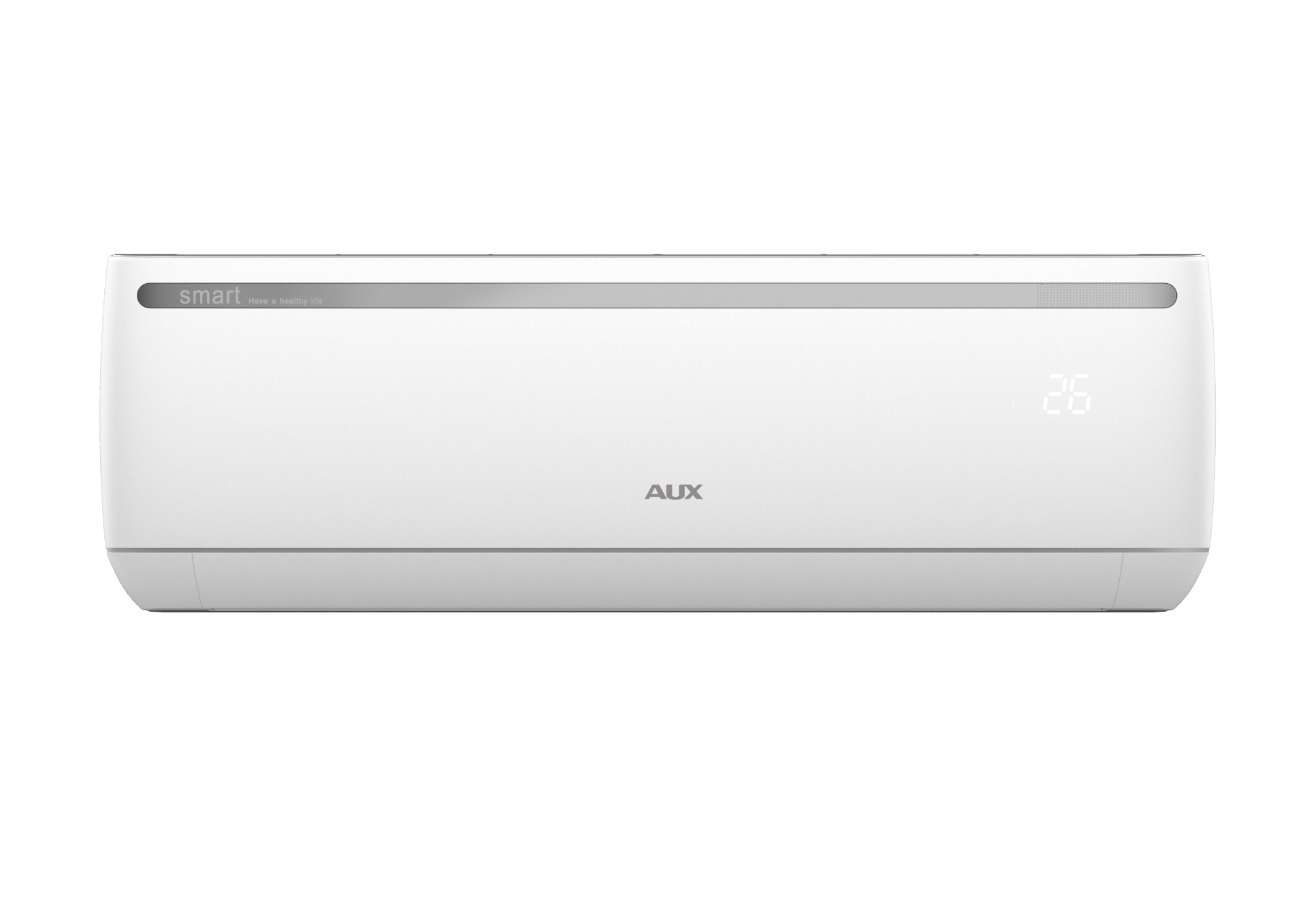
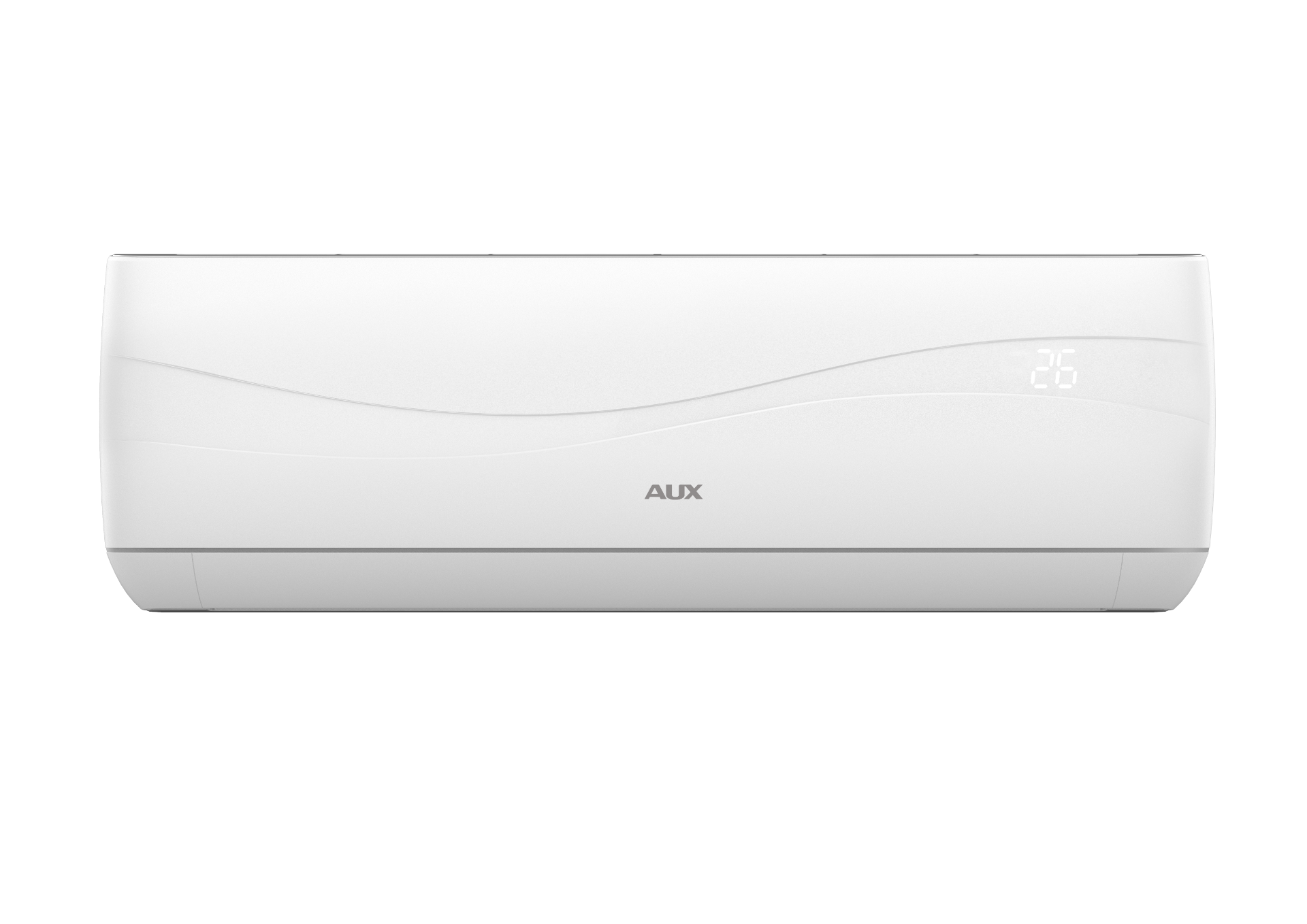
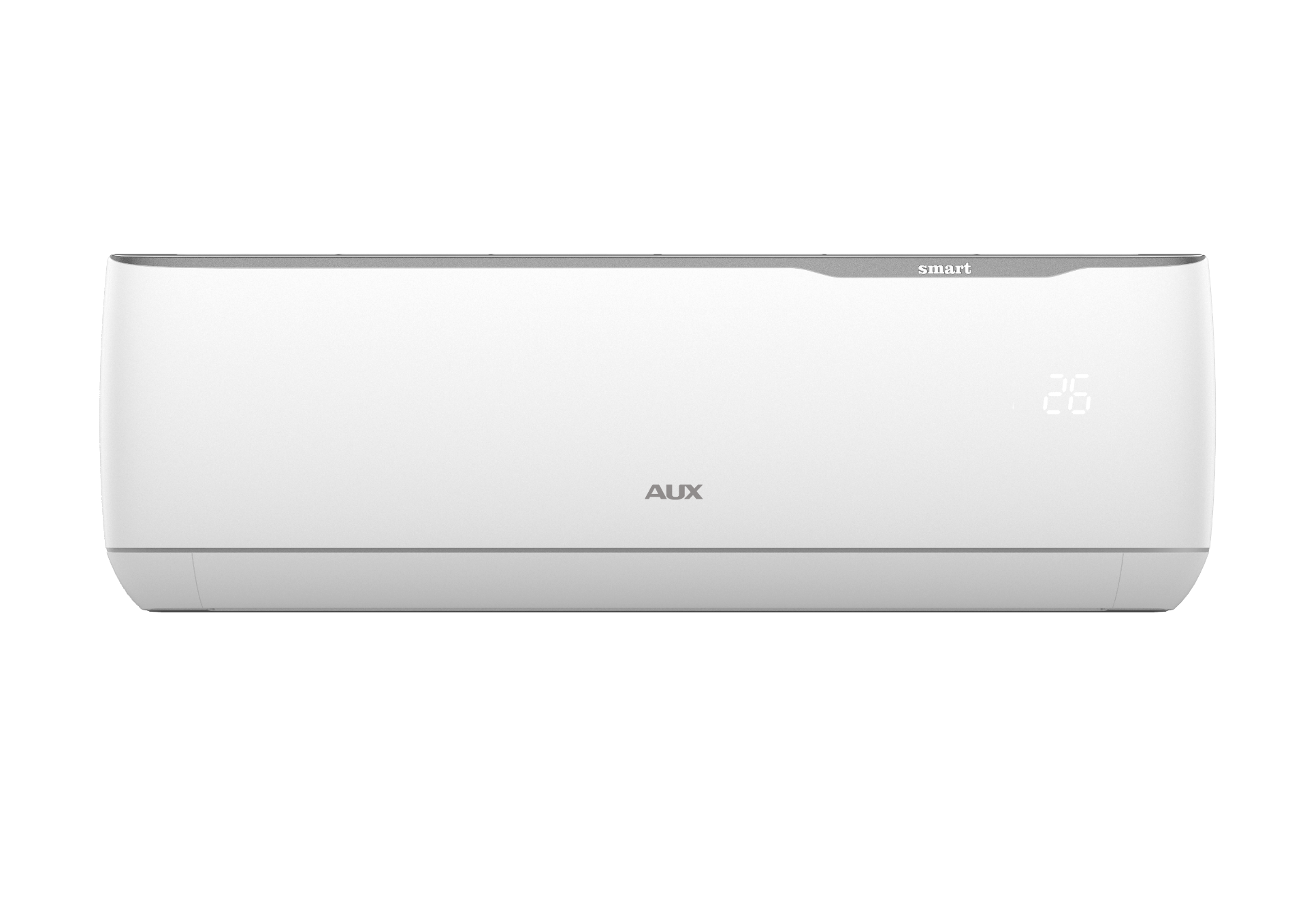
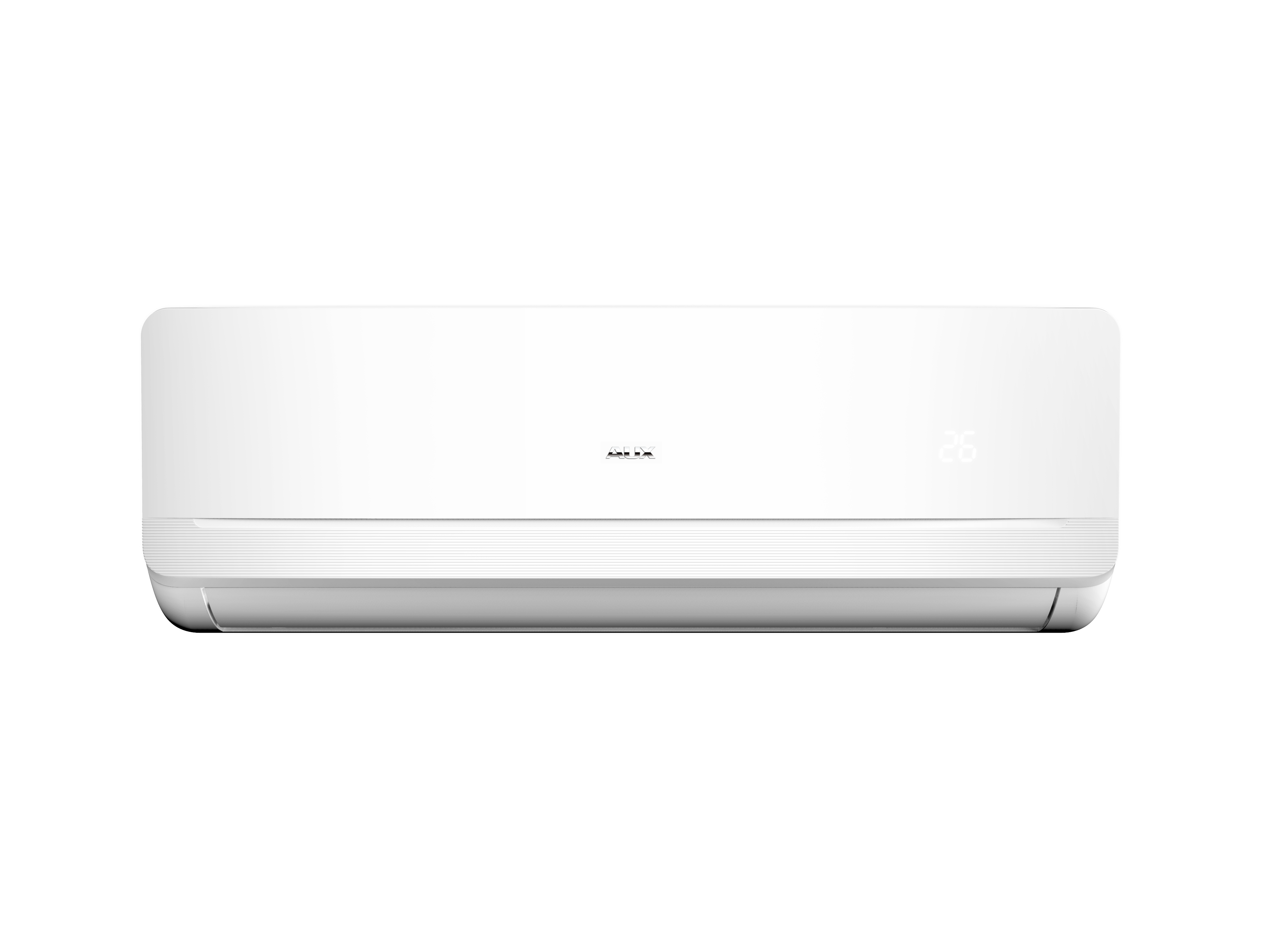
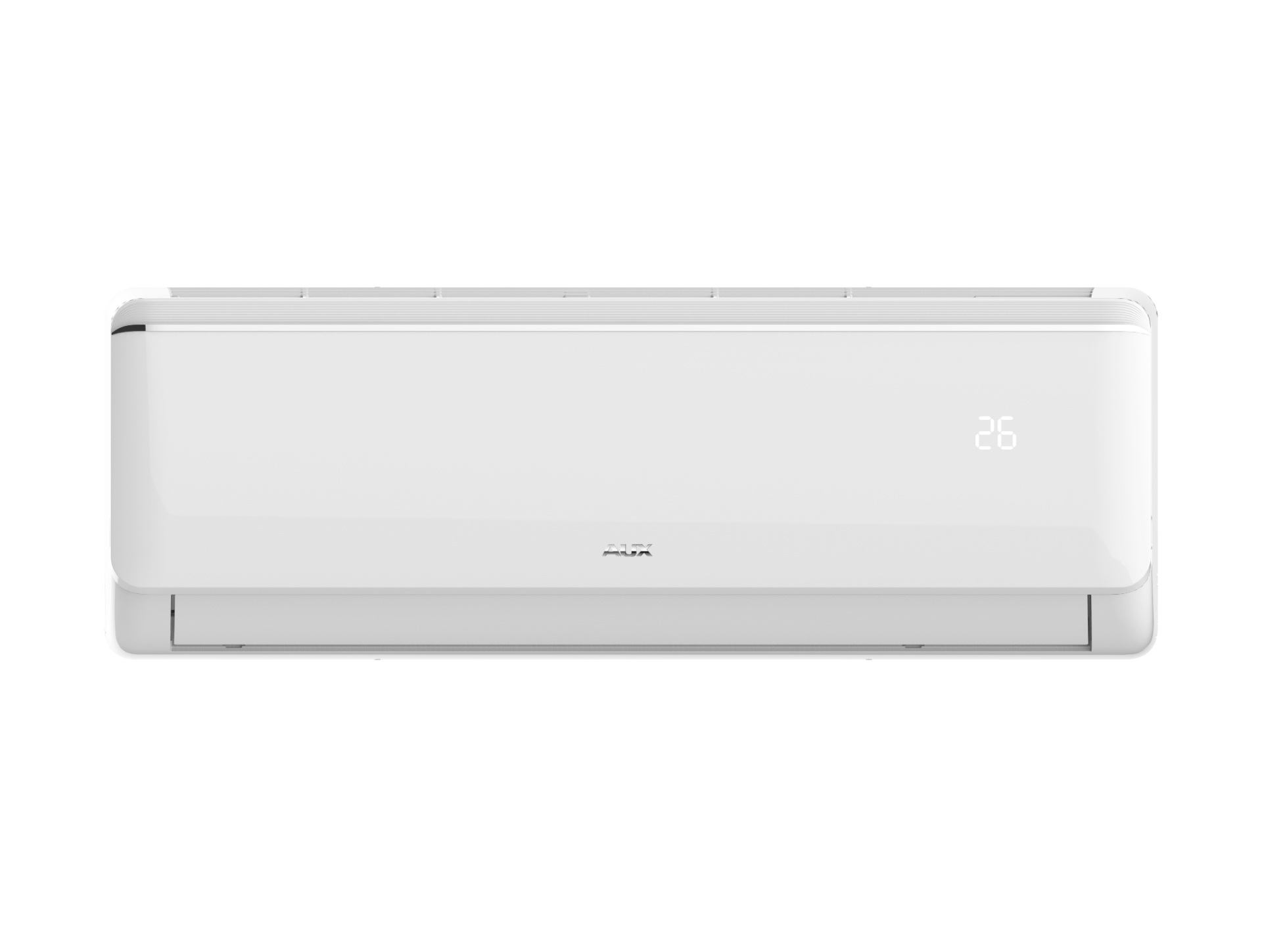
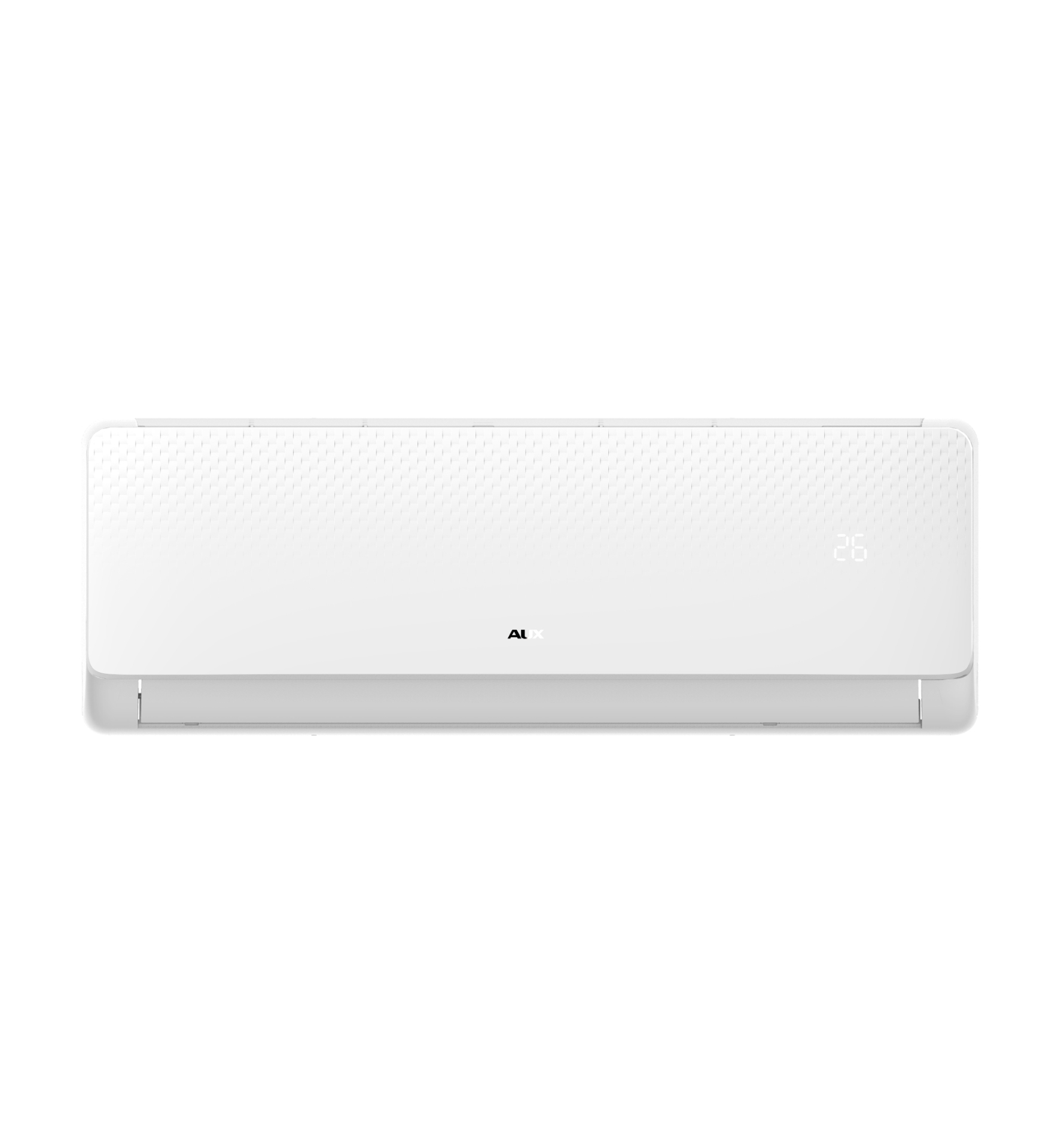
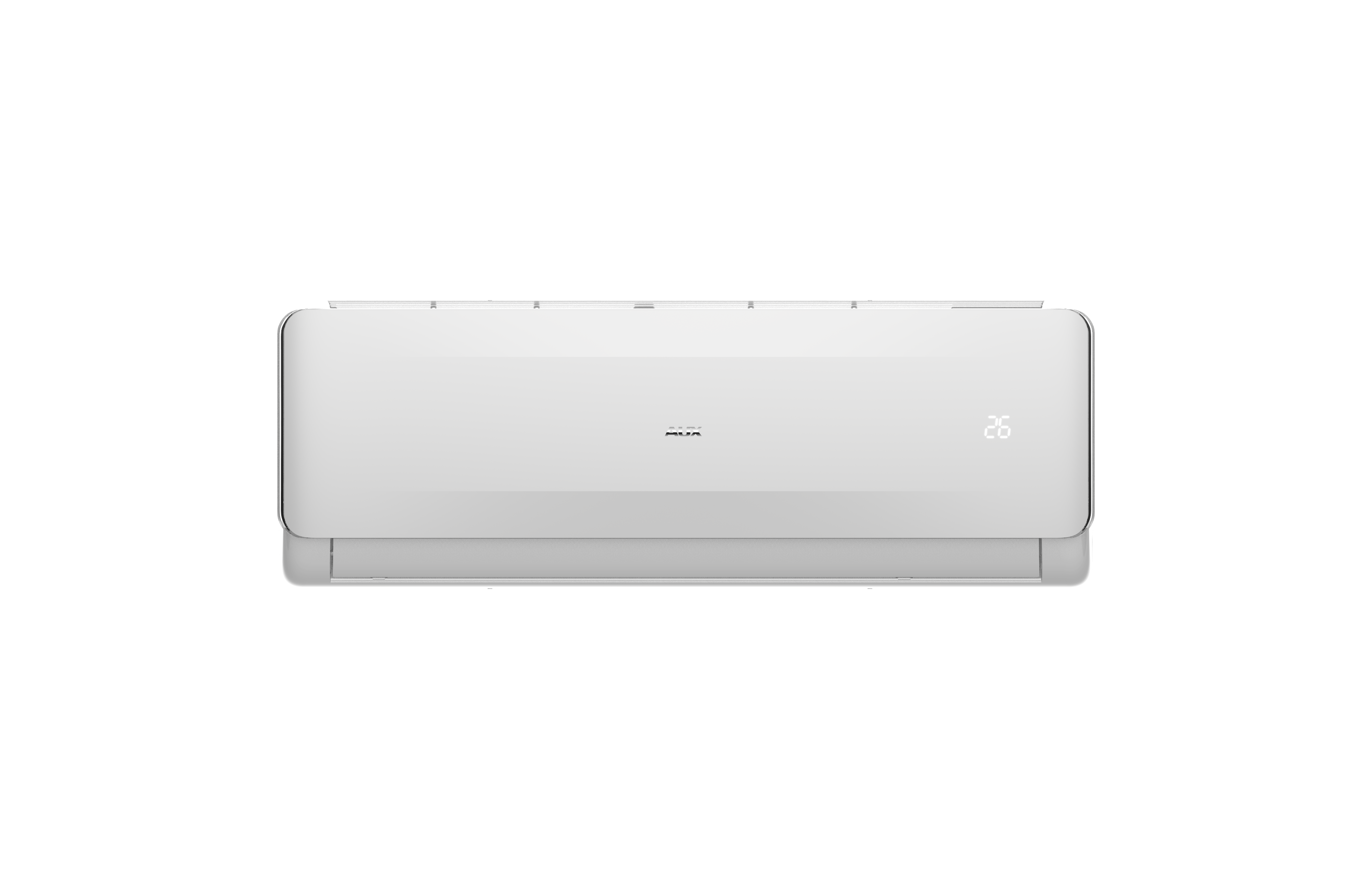
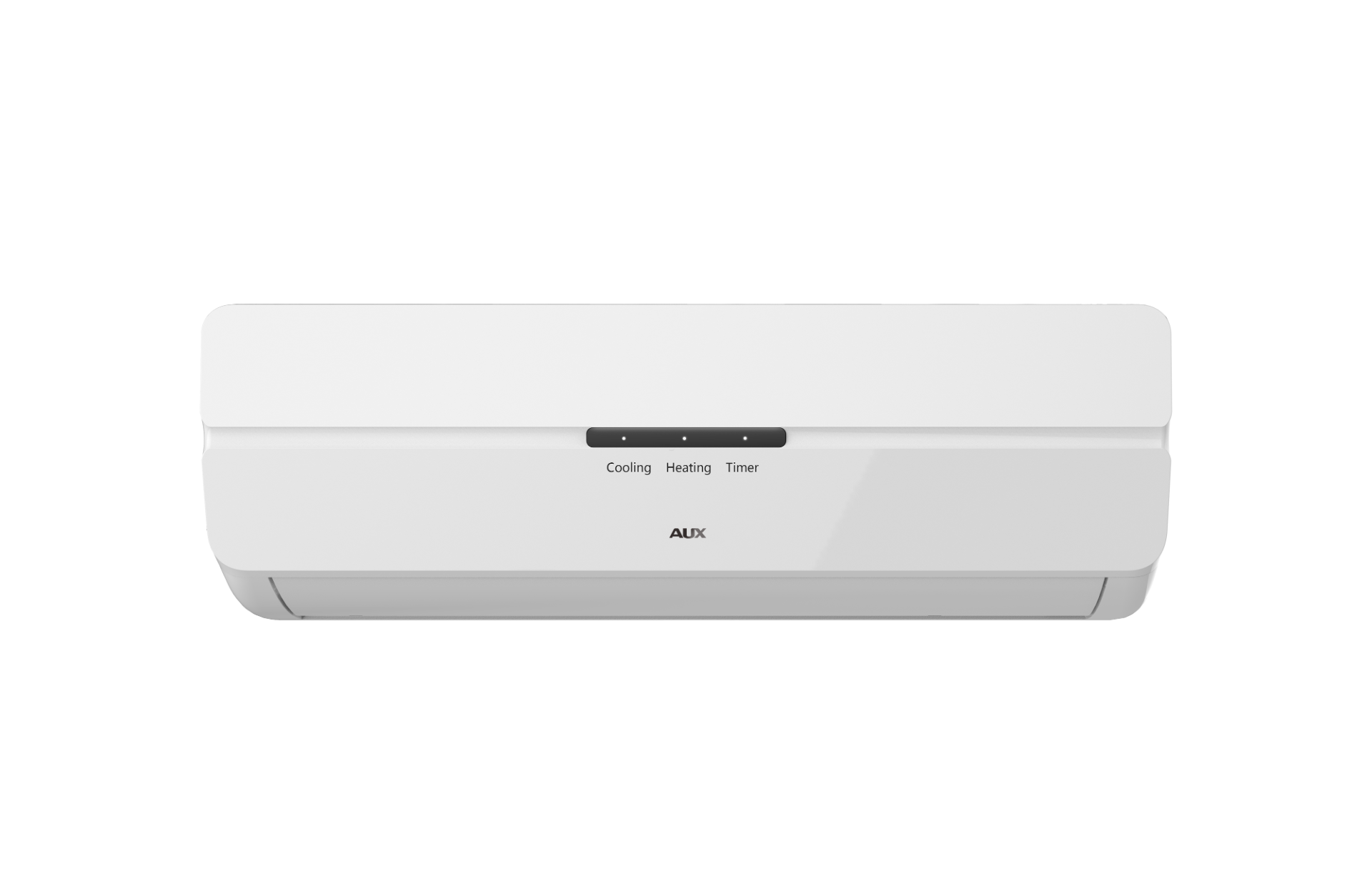
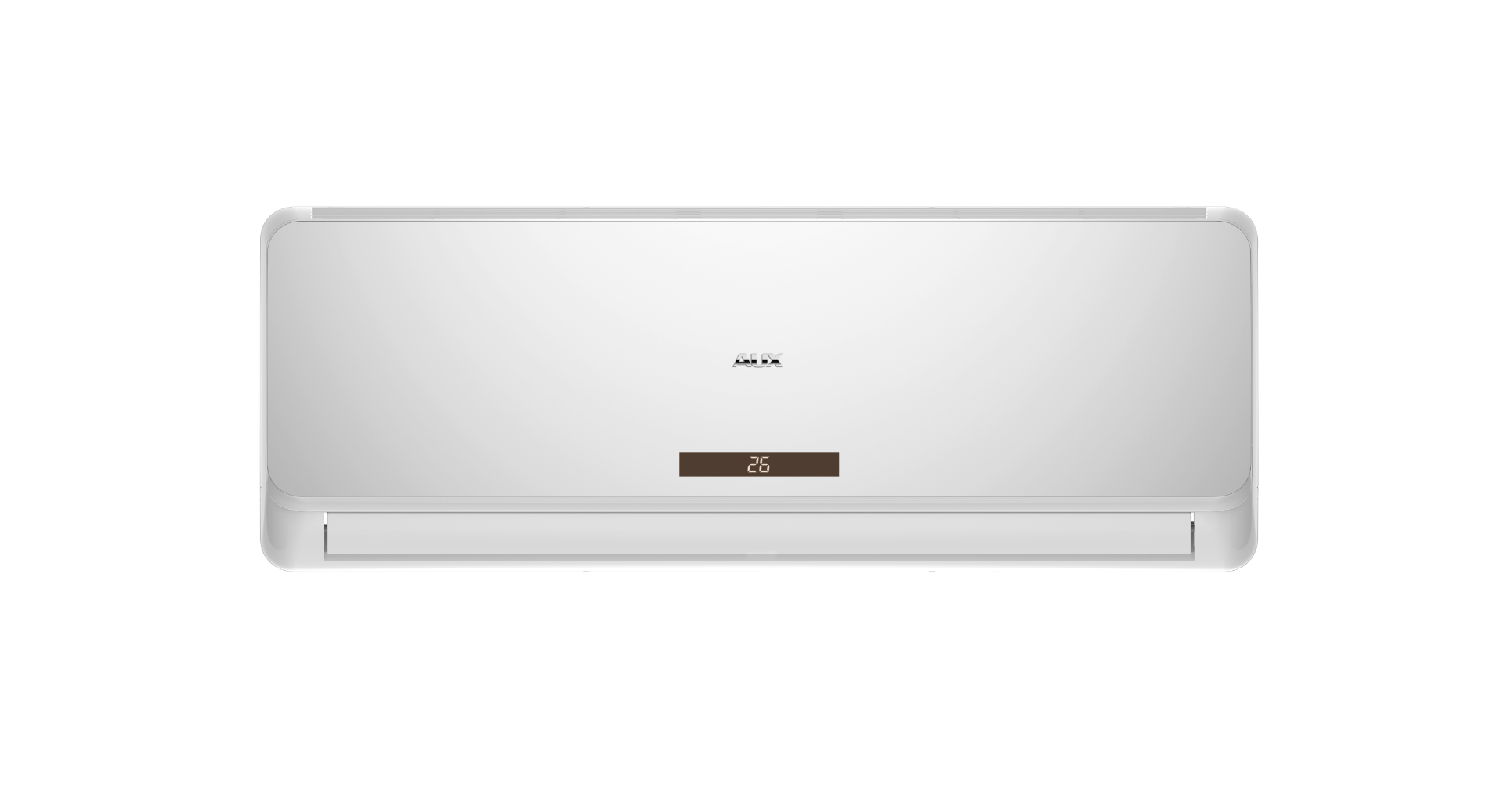
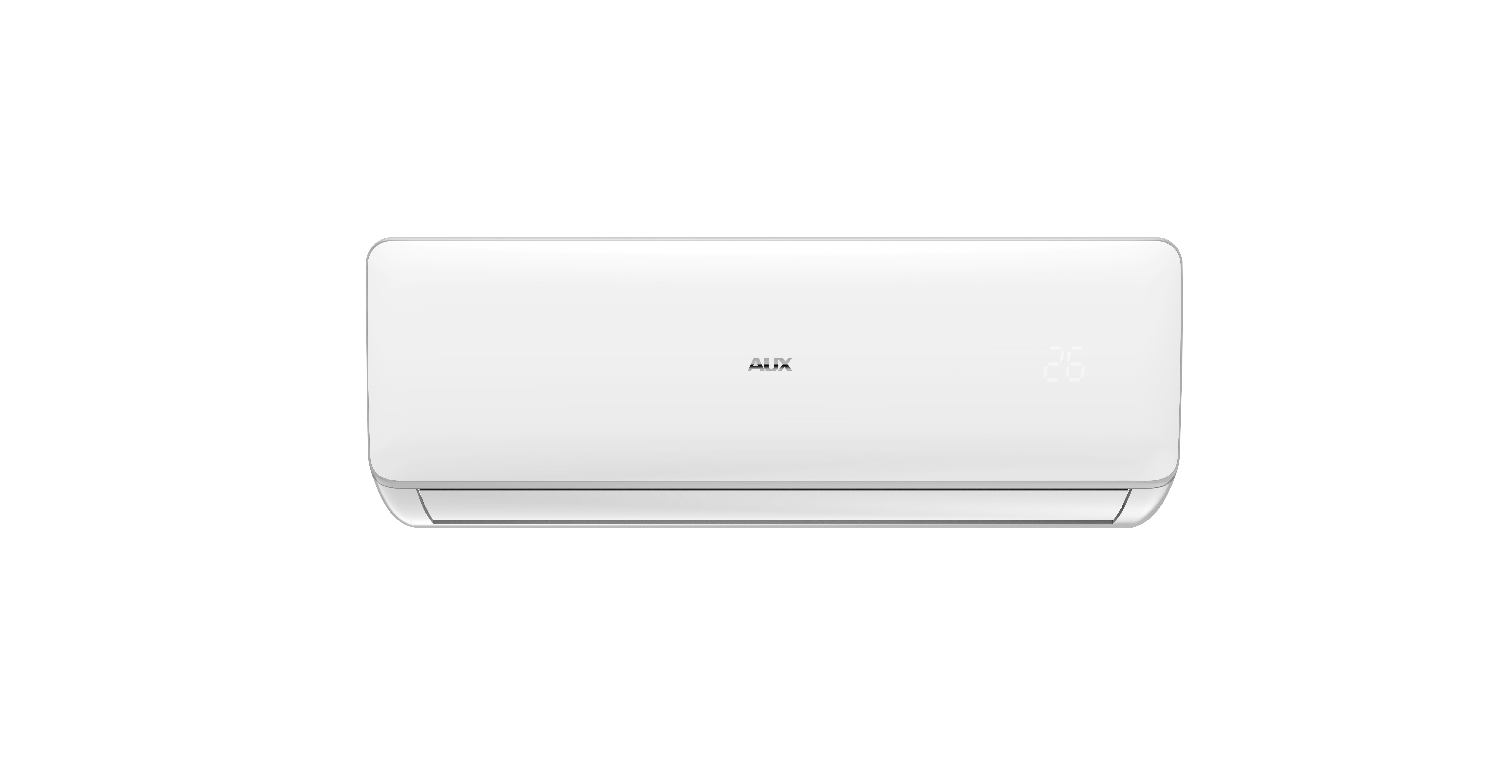
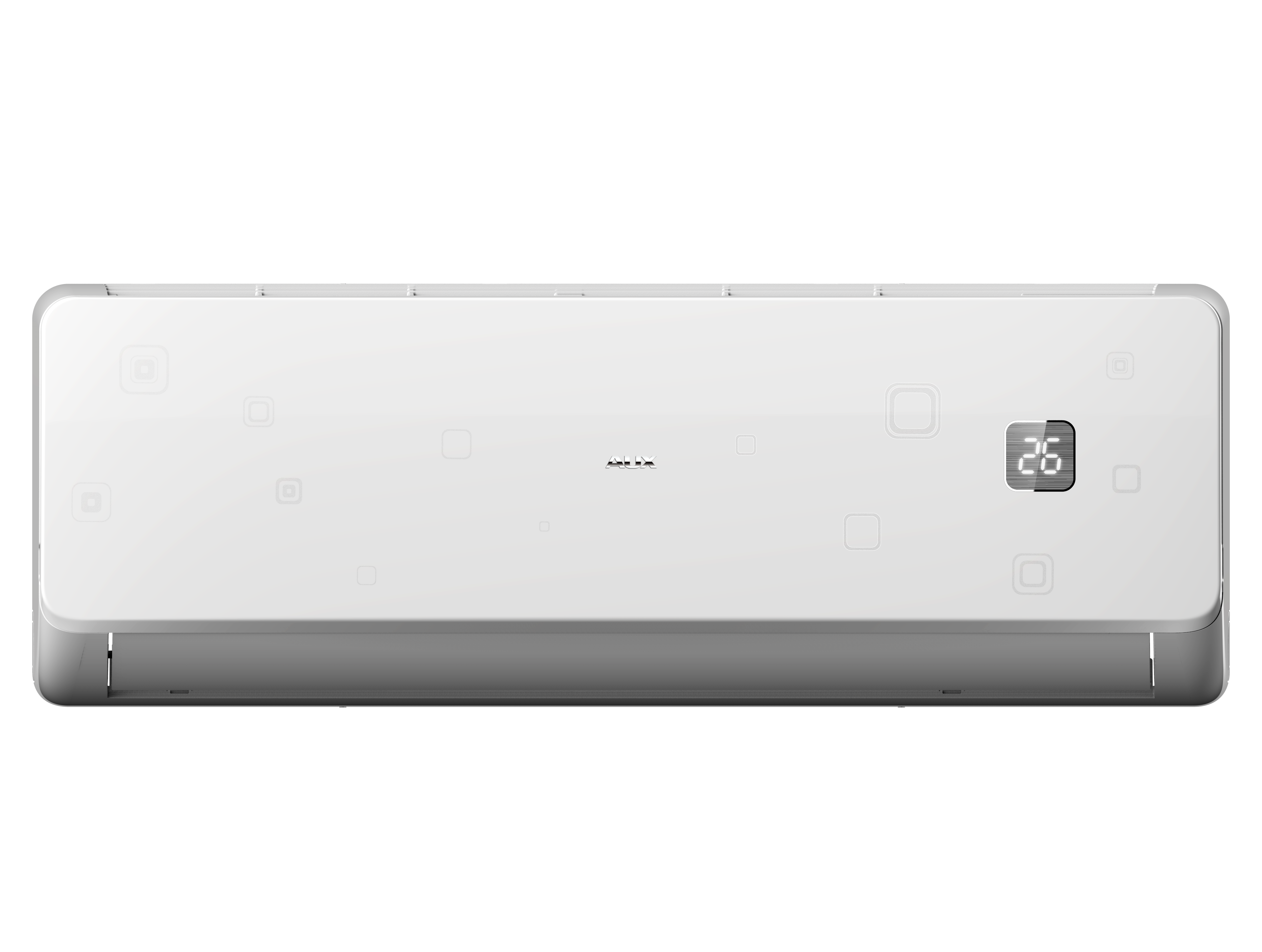
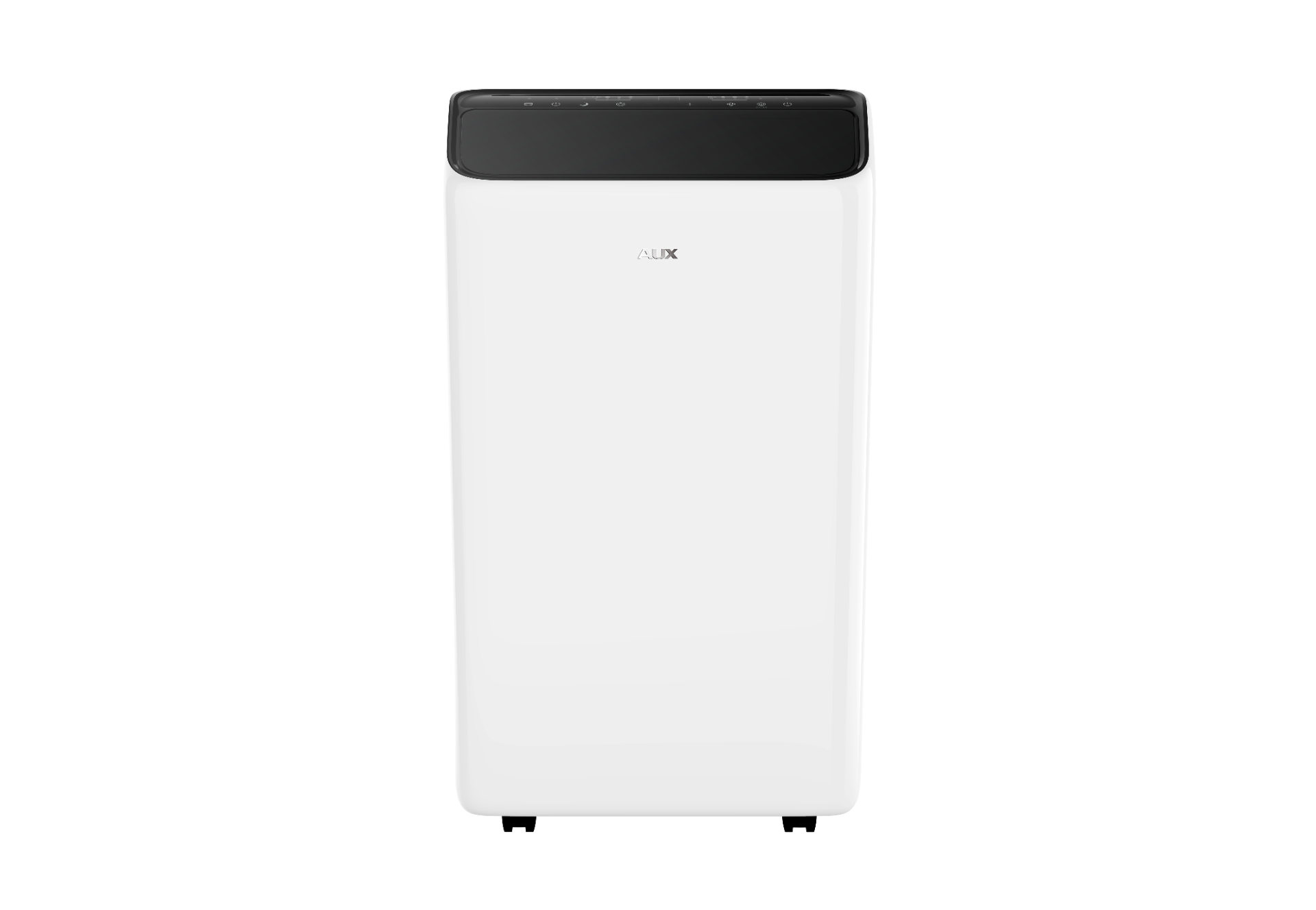
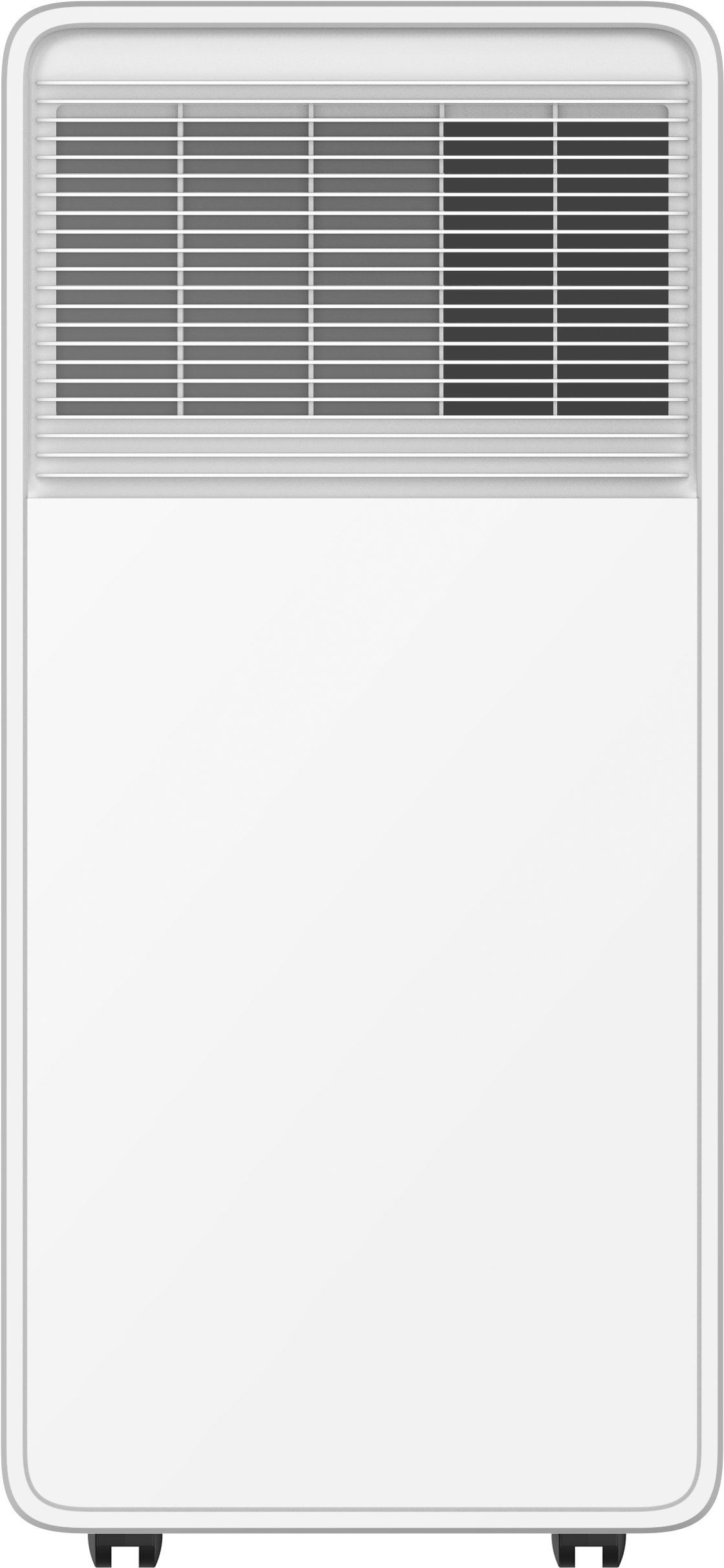
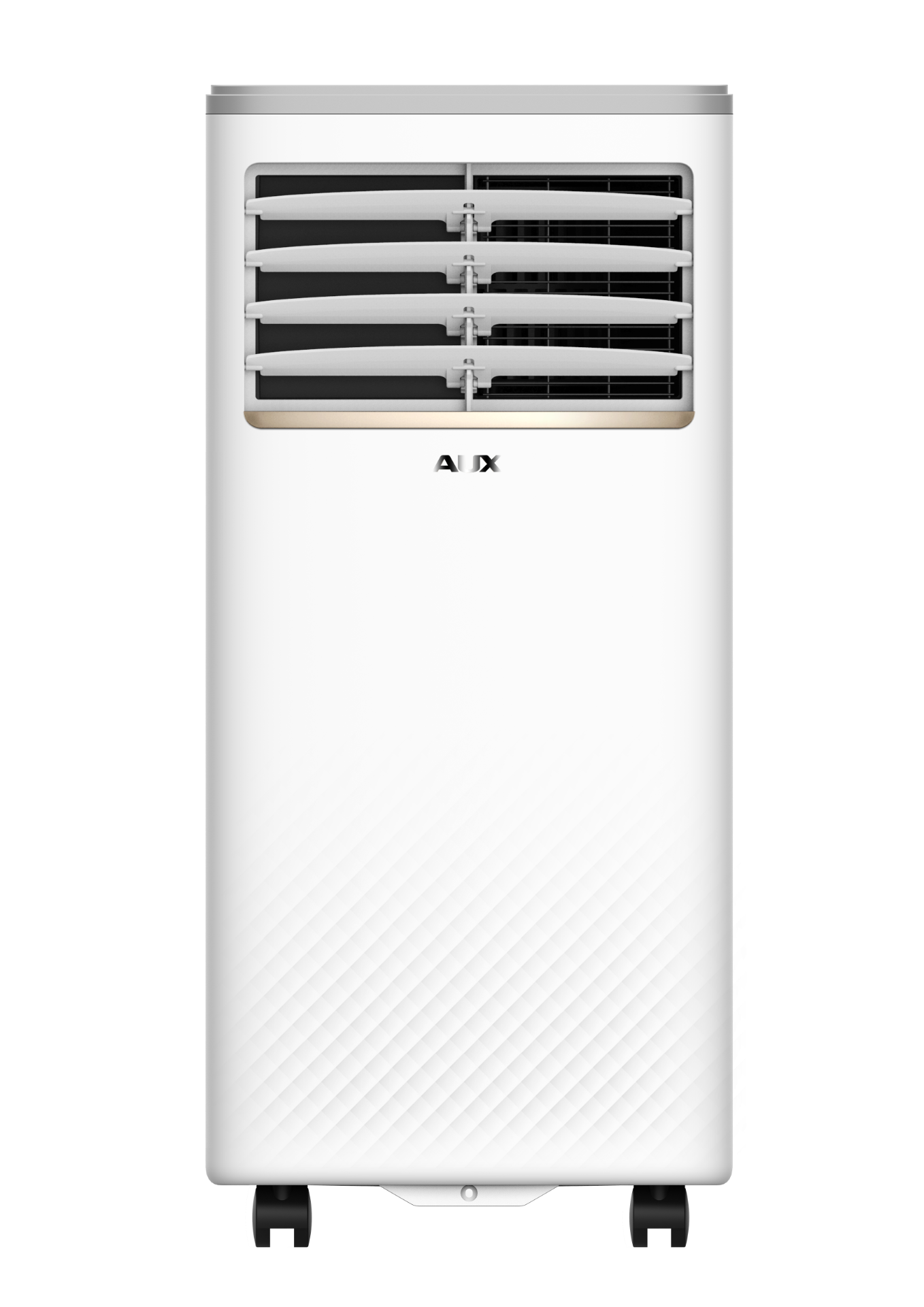
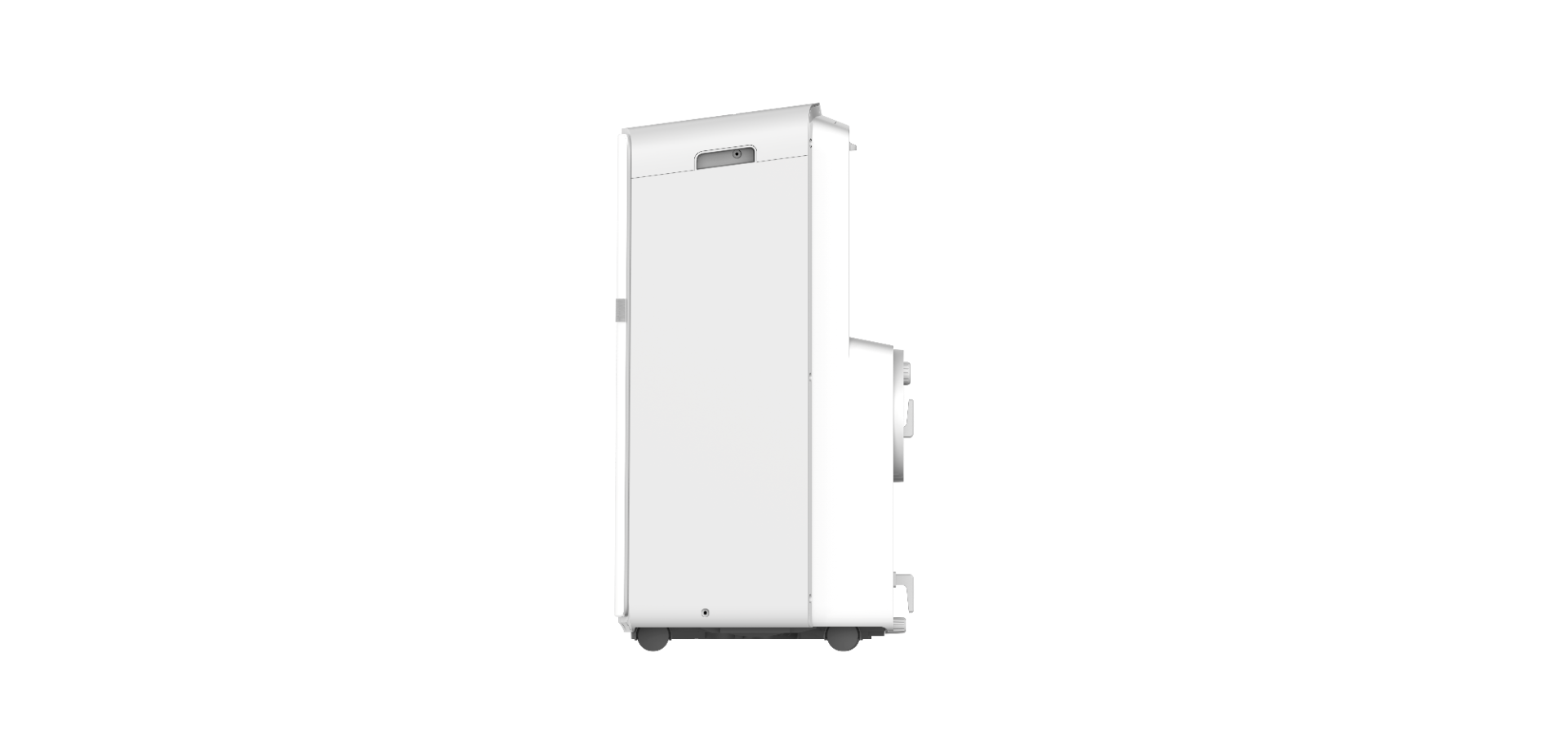
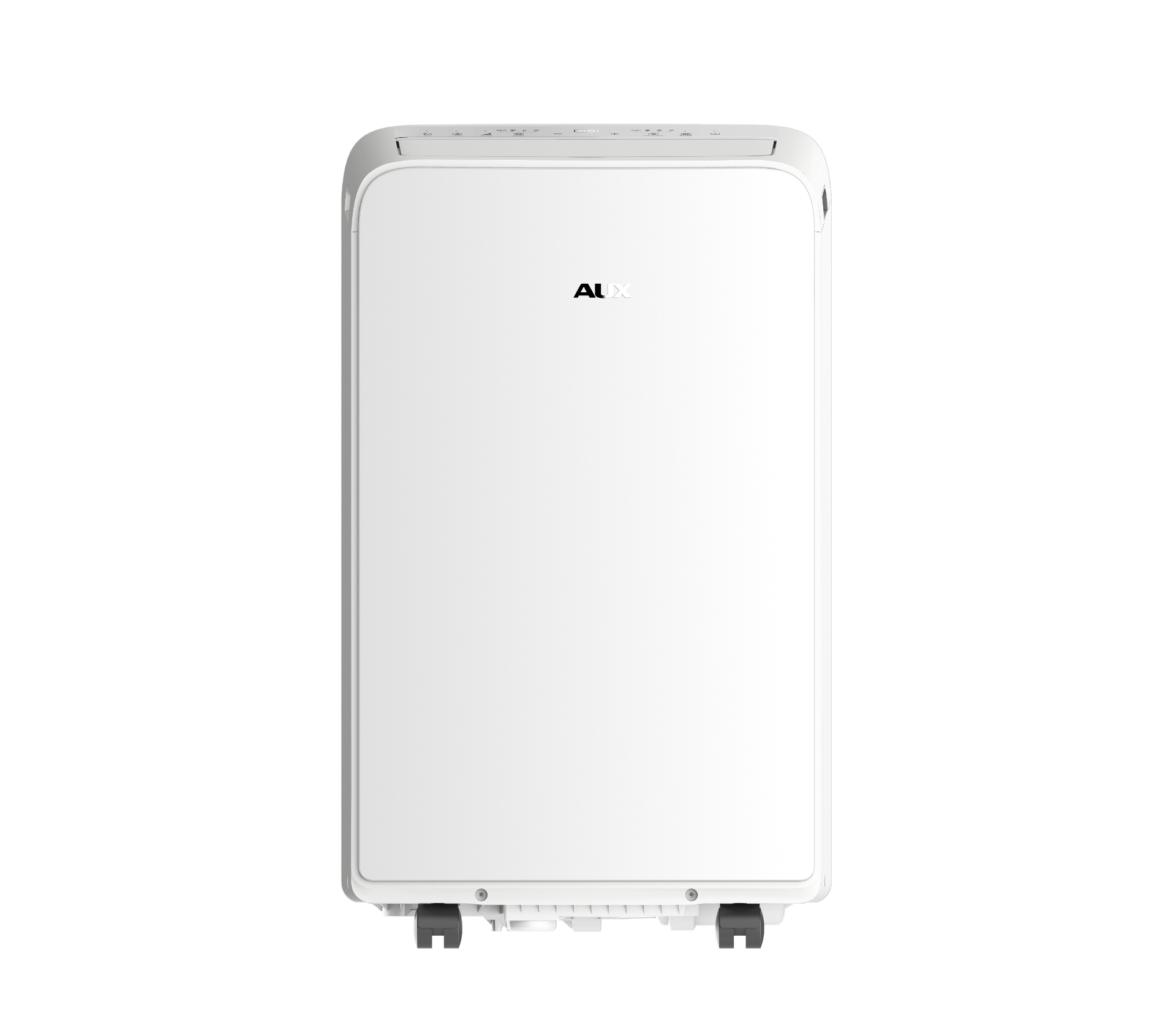
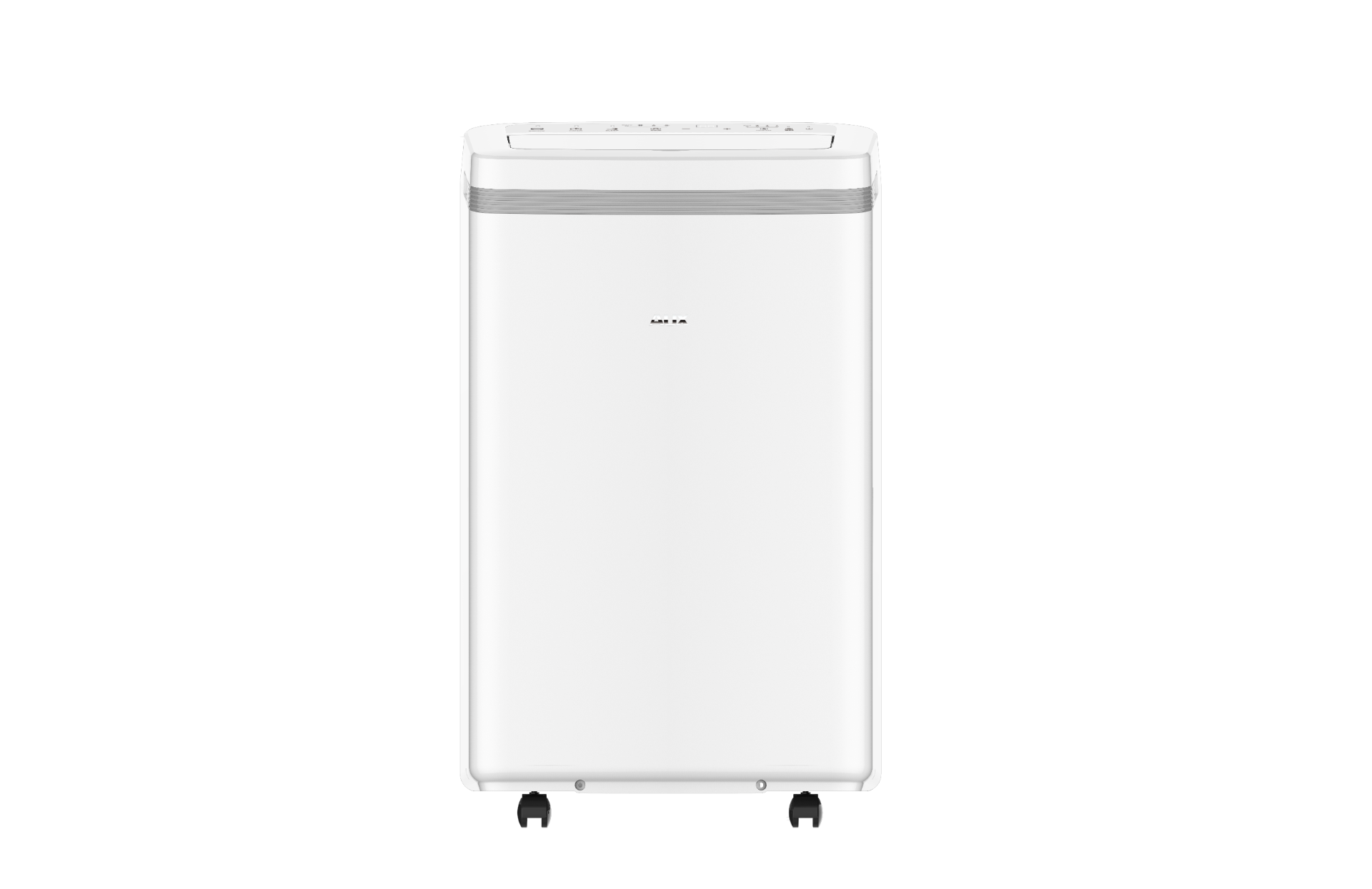
If you're considering an AUX portable air conditioner, we highly recommend purchasing through a local authorized agent or dealer, for more convenient product consultation and after-sales service. AUX serves multiple regions globally — make sure you're on the correct regional site for your country so you're seeing the right models, voltage specifications, and warranty terms.
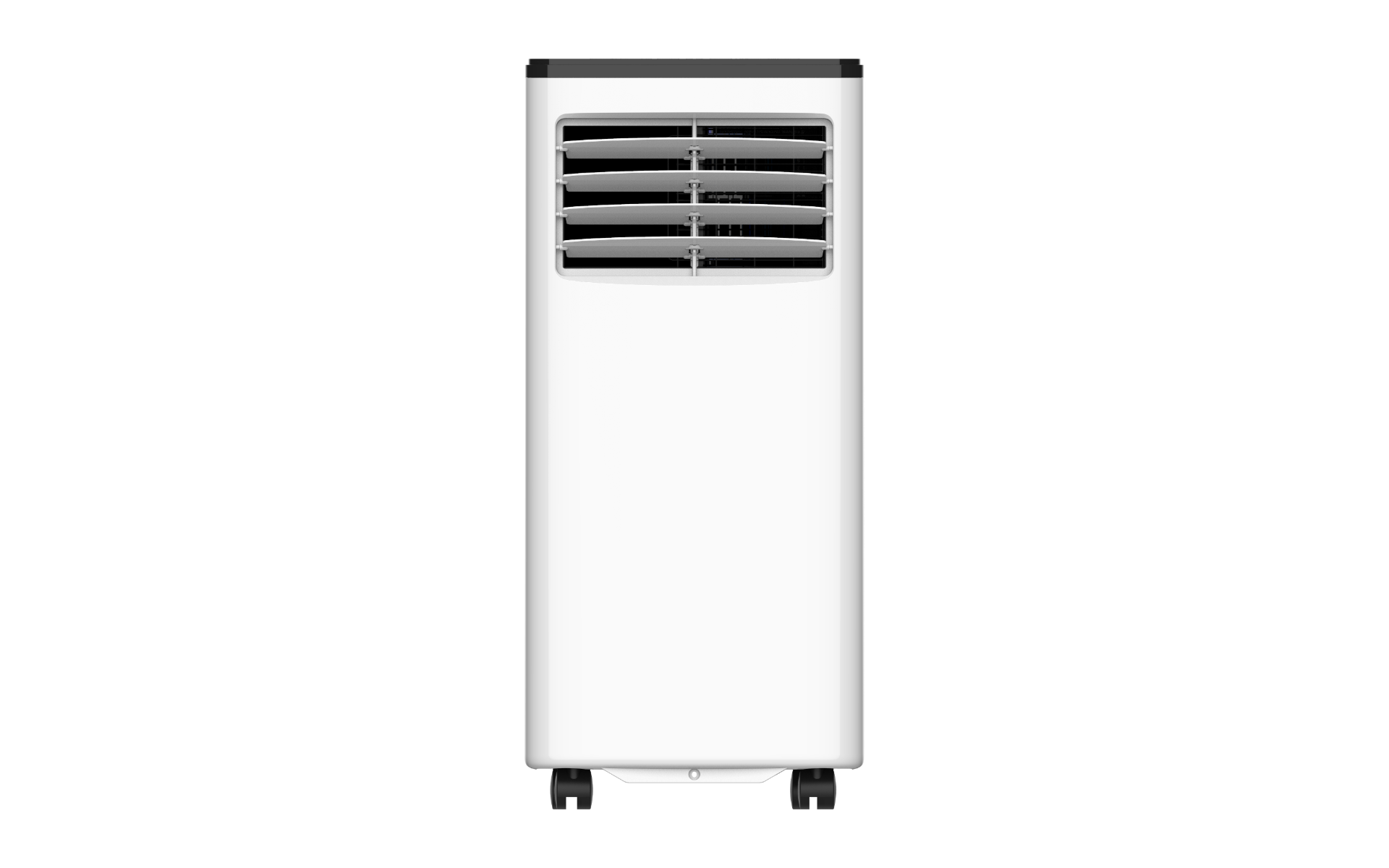
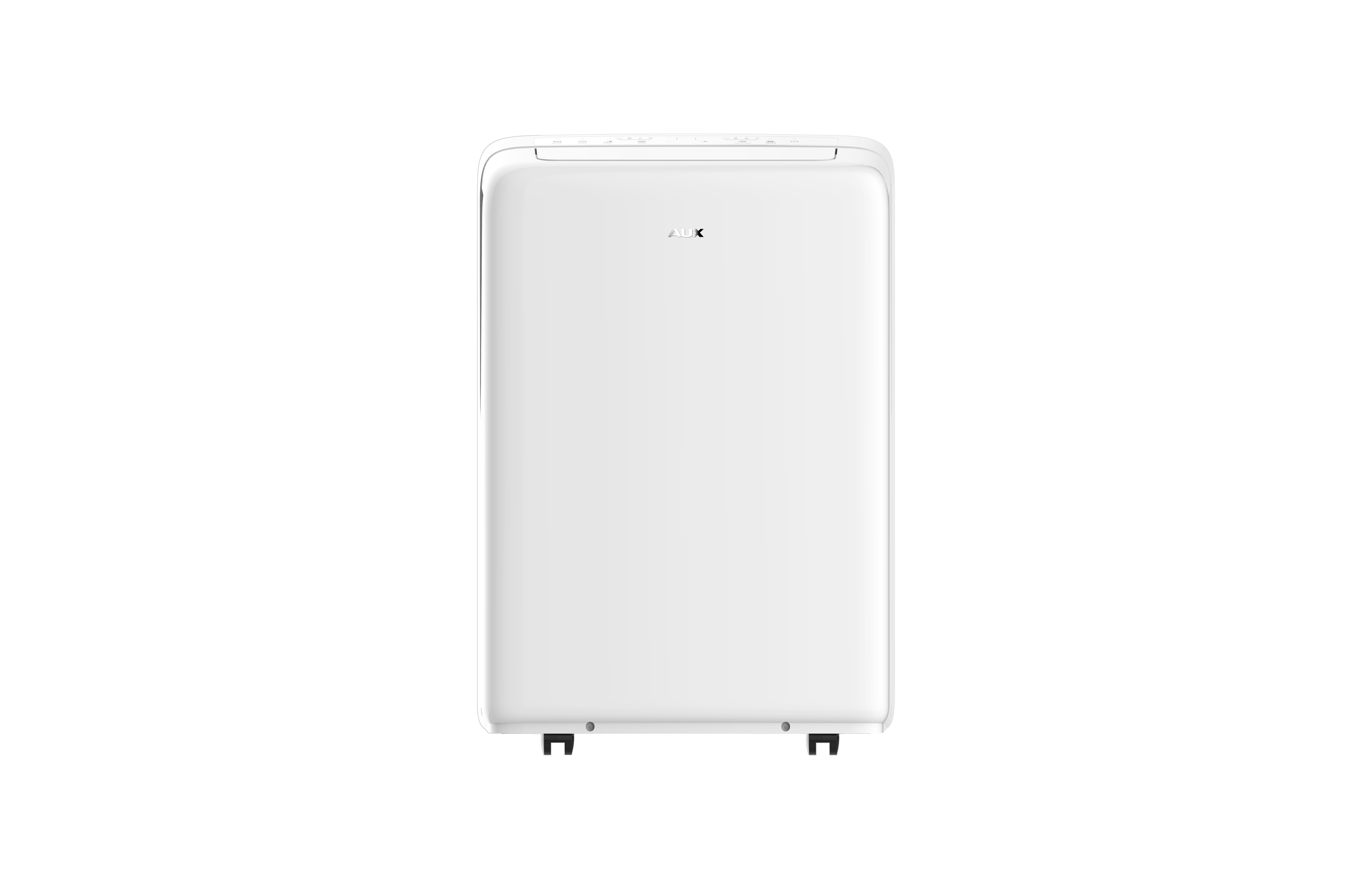
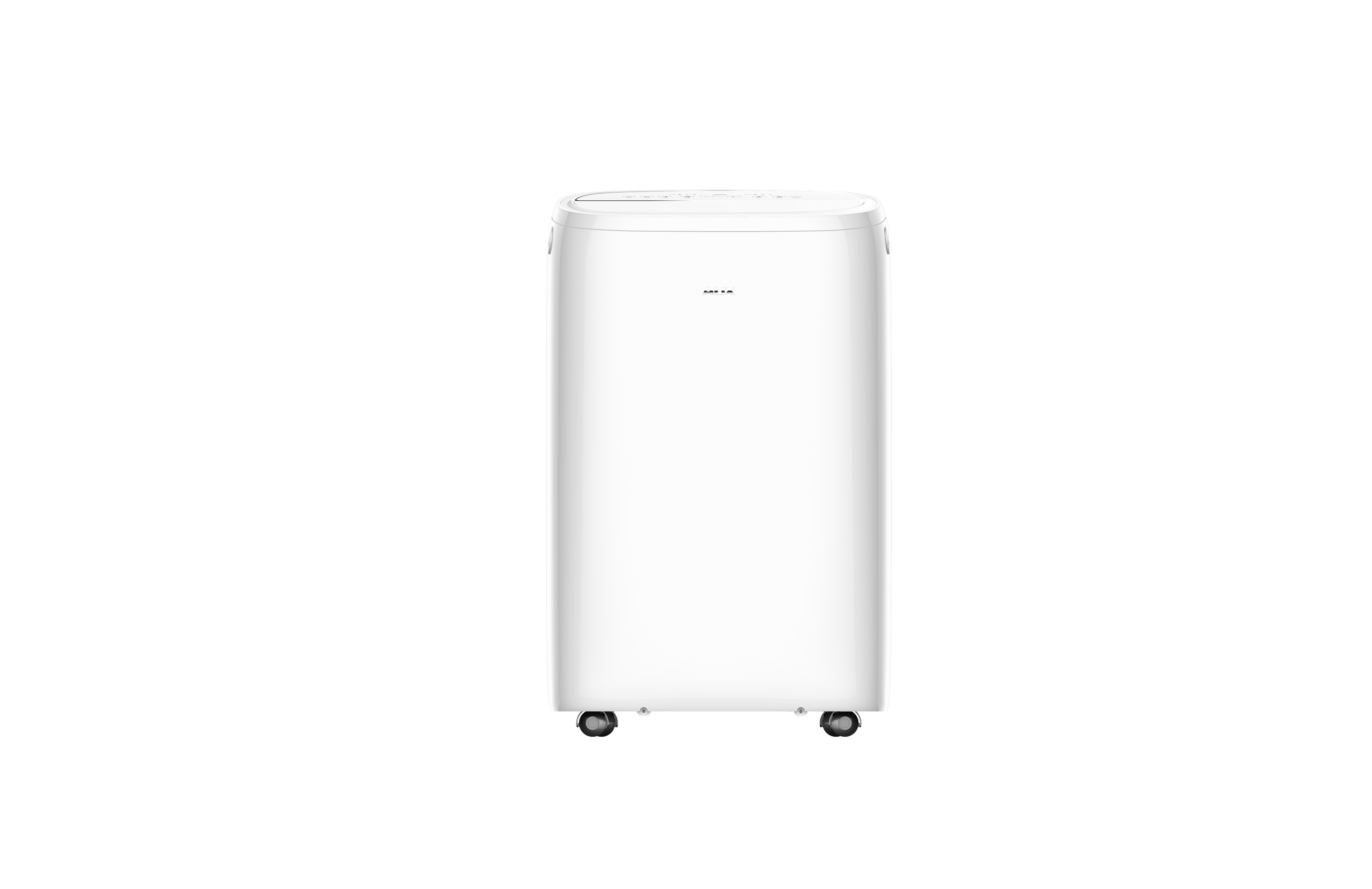
Explore AUX Portable Air Conditioners — find the right model for your space, including a full breakdown of how to choose by room size, noise level, and features.
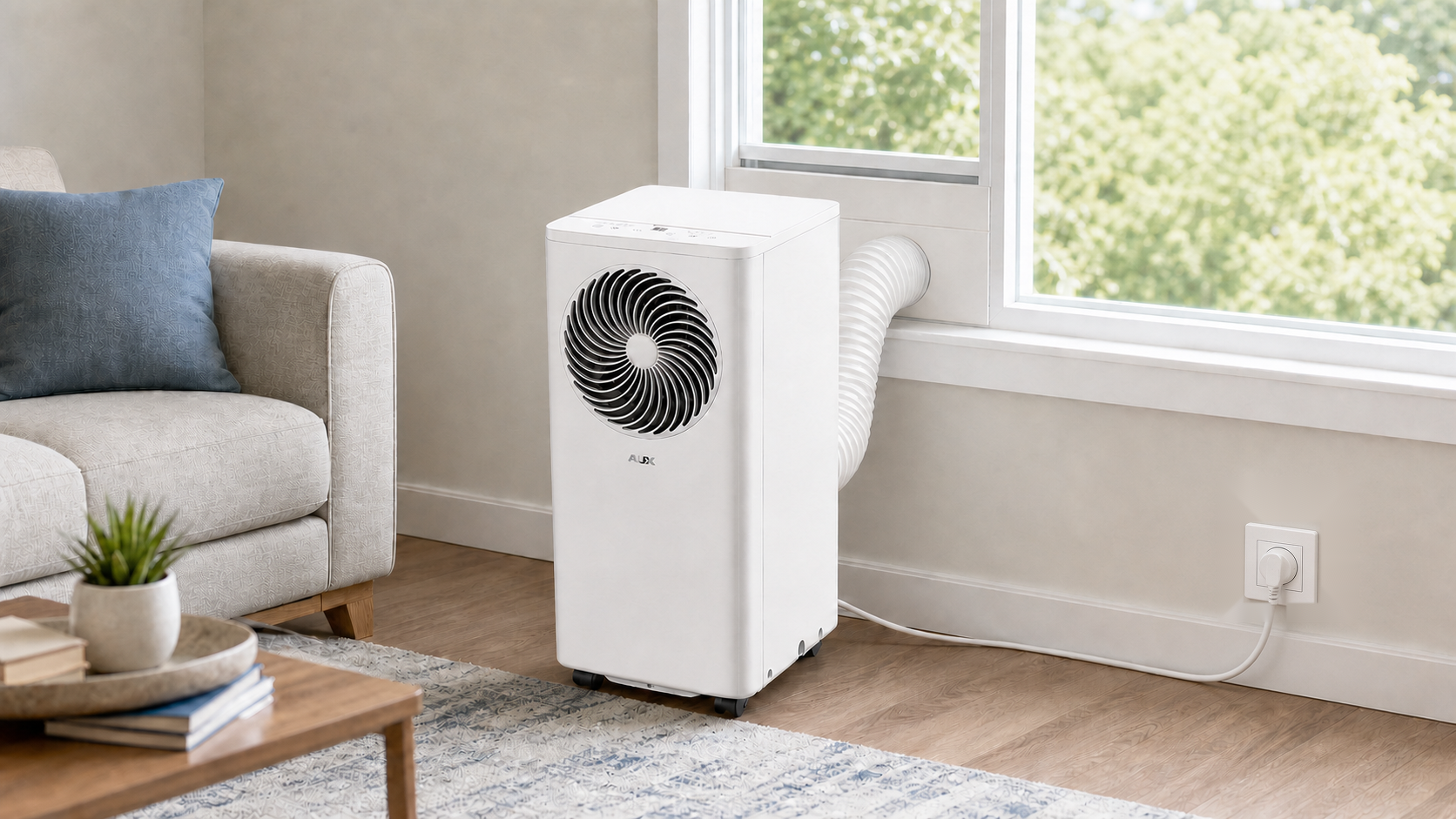
A few things to keep in mind before you buy:
- Buy from an official or authorised channel. Stick to the brand's own website or verified retailers. Grey market units often don't come with local warranty support — and for something you'll rely on every summer, that matters.
- Check what's in the box. A complete unit should include the exhaust hose, window kit, and remote control as standard. If a price looks unusually low, check whether accessories are sold separately.
- Think about BTU, noise, and drainage together. Don't just grab the highest BTU and move on. Match the BTU to your room size using the guide above, check the decibel rating if you're using it in a bedroom, and confirm whether your model has auto-evaporation or needs manual draining.
- Consider after-sales support. Can you get replacement filters easily? Is there a local service contact? For an appliance you'll use for years, after-sales support is worth factoring in.