








Global - English


Portable Air Conditioner: How It Works, Benefits, and How to Choose the Right One
As summer temperatures soar, some rooms just aren't suitable for fixed AC installations, making it a top priority to find an efficient and flexible home cooling method. A portable air conditioner is a highly versatile and popular solution, quickly becoming the go-to new choice for more and more users looking to cool down this summer.
What Is a Portable Air Conditioner?
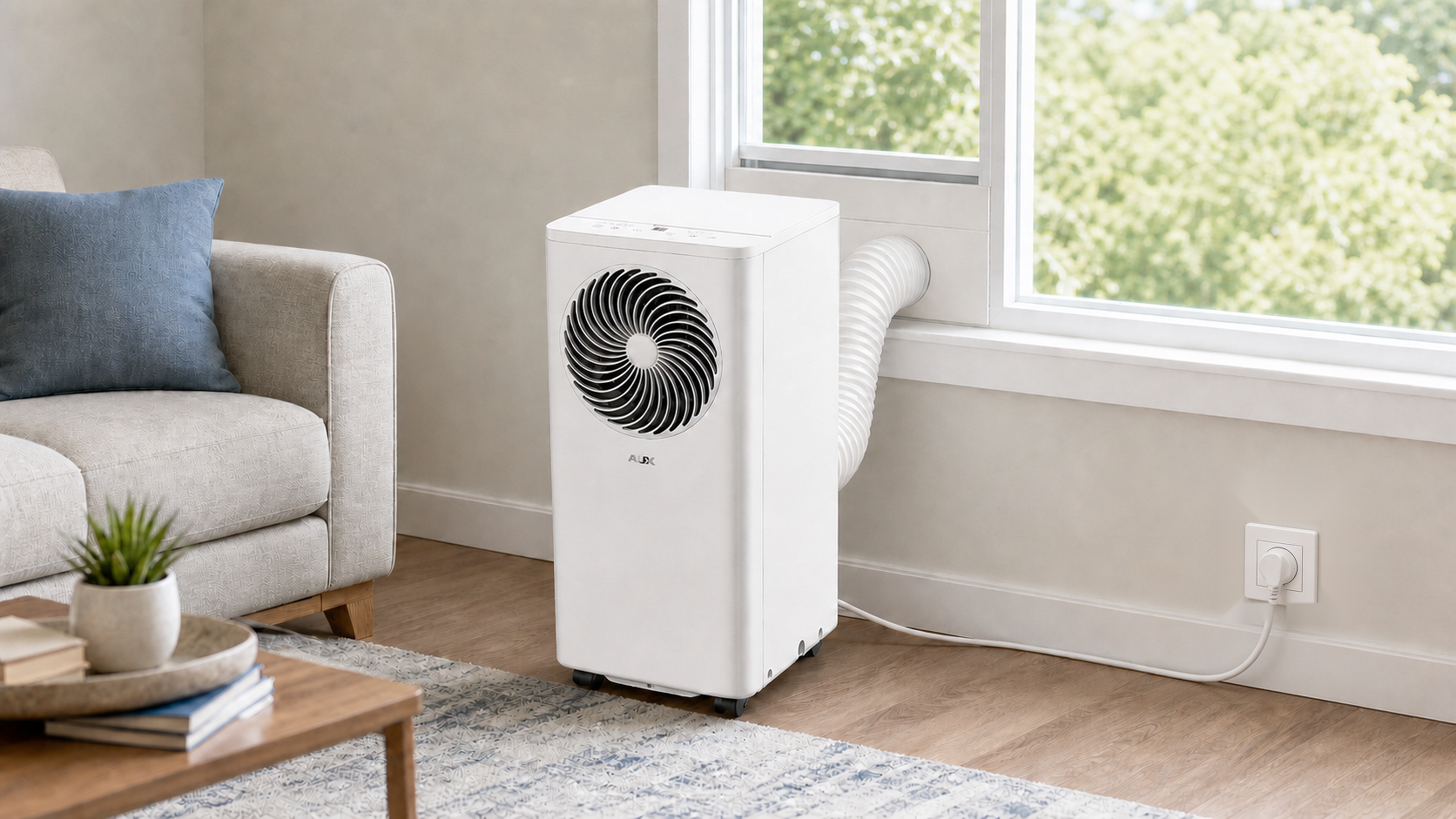
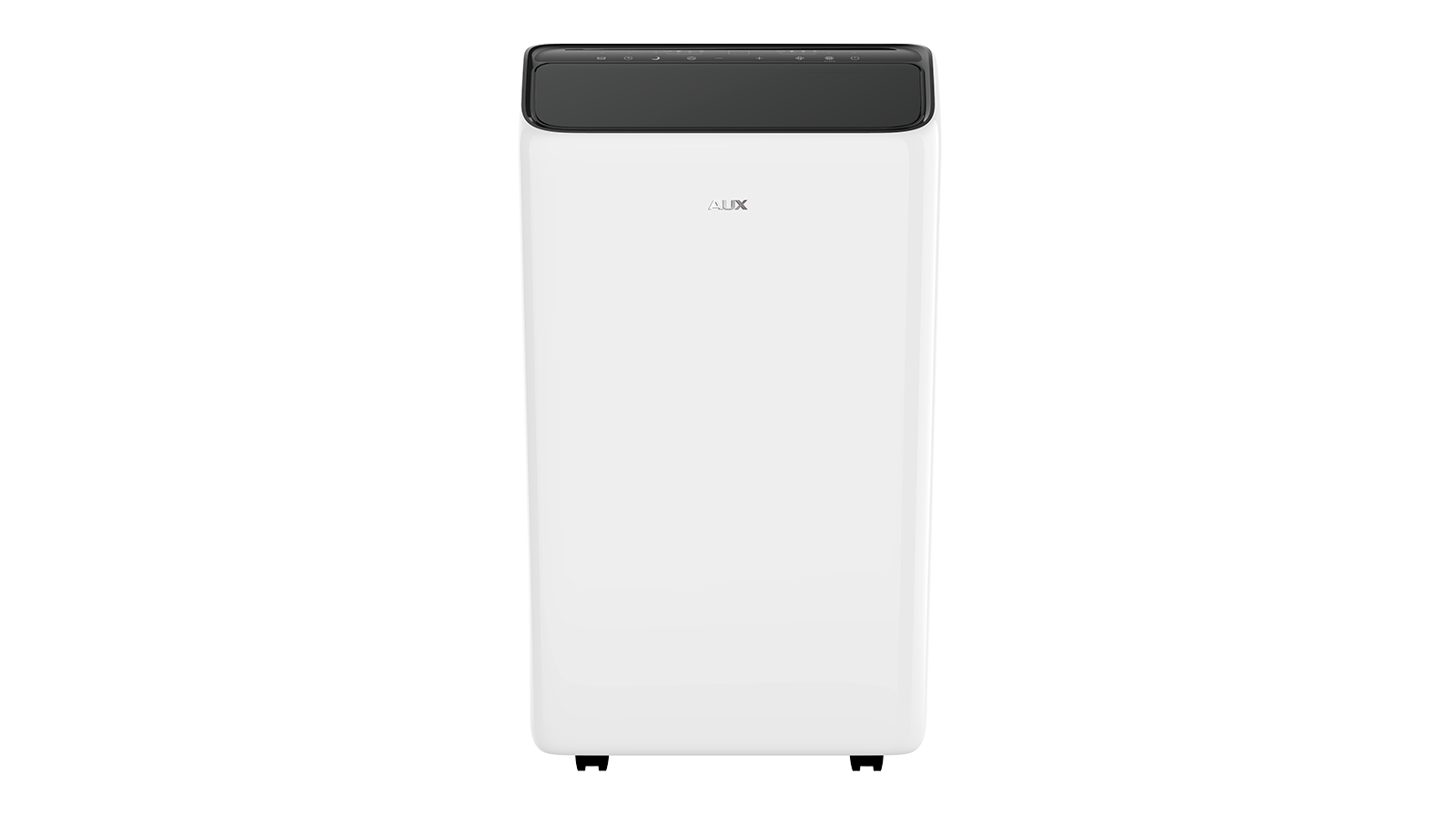
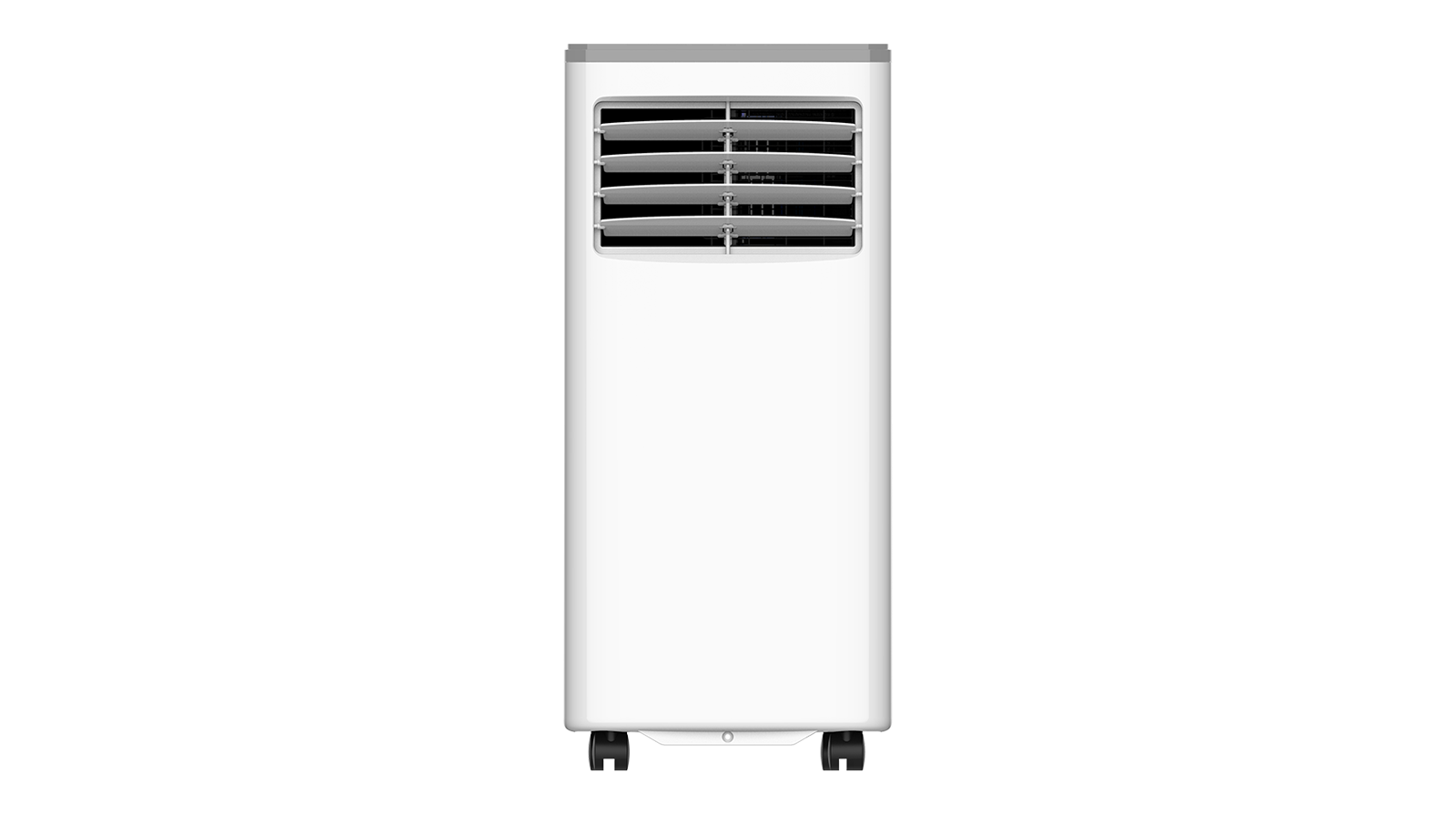
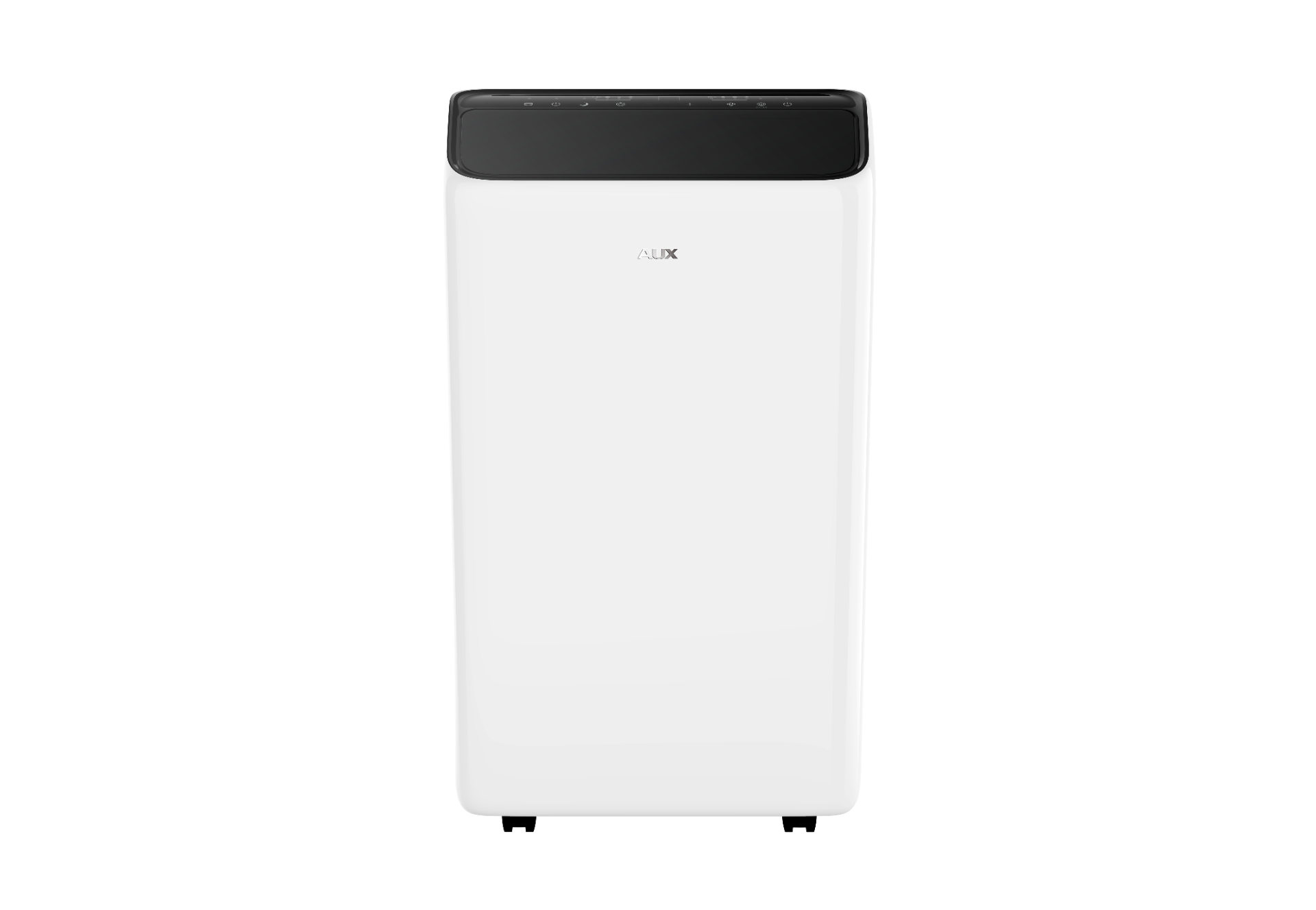
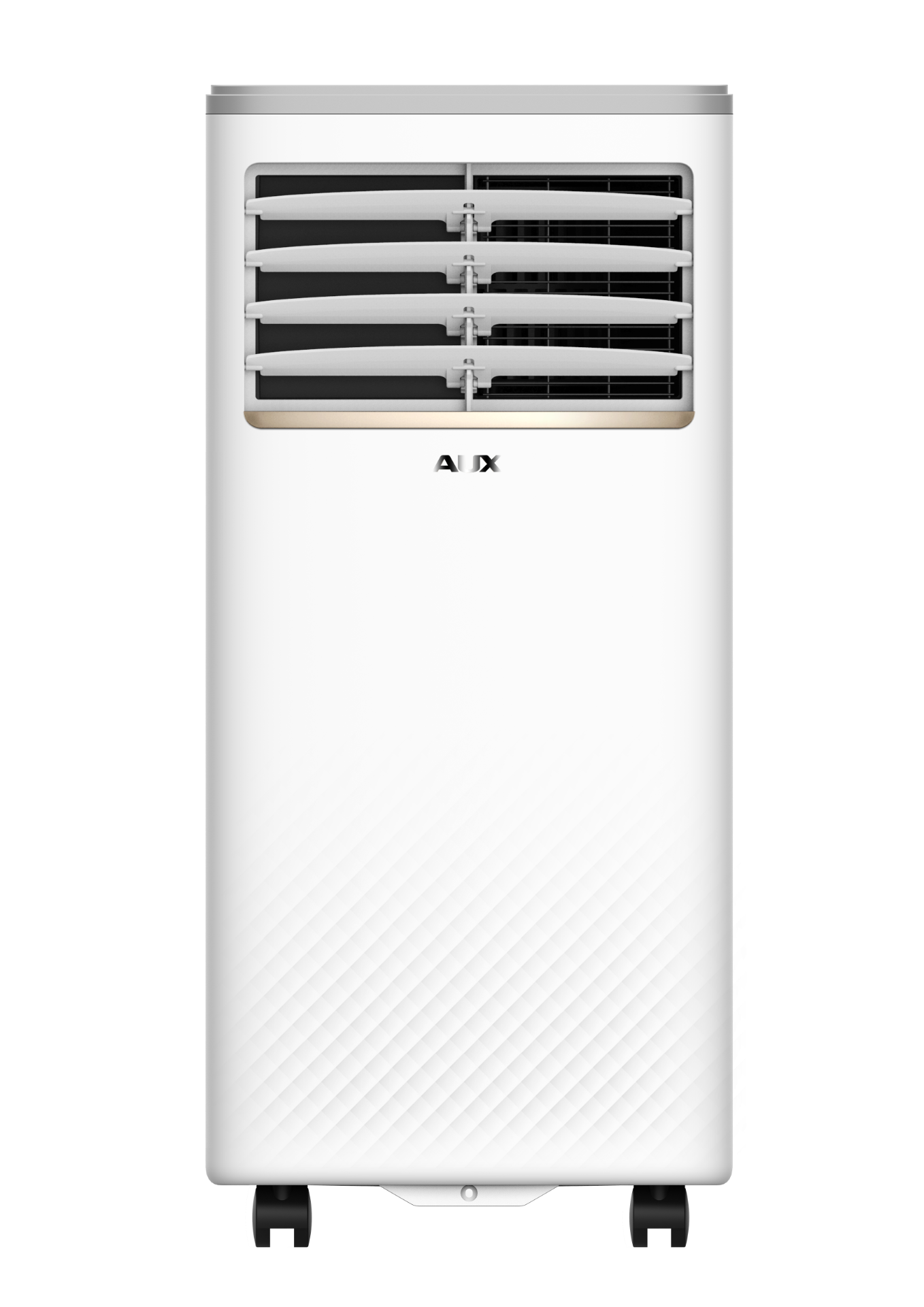
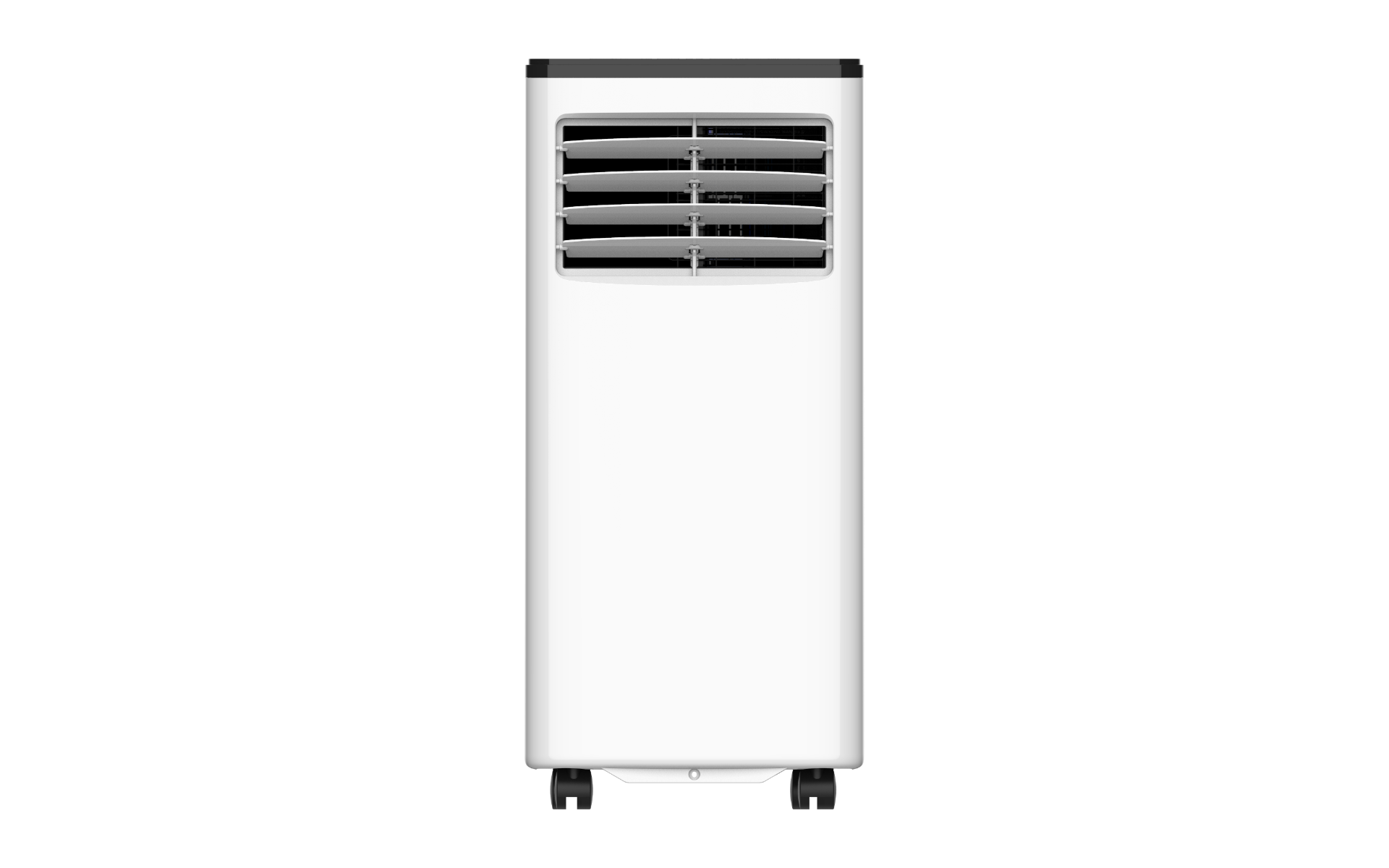
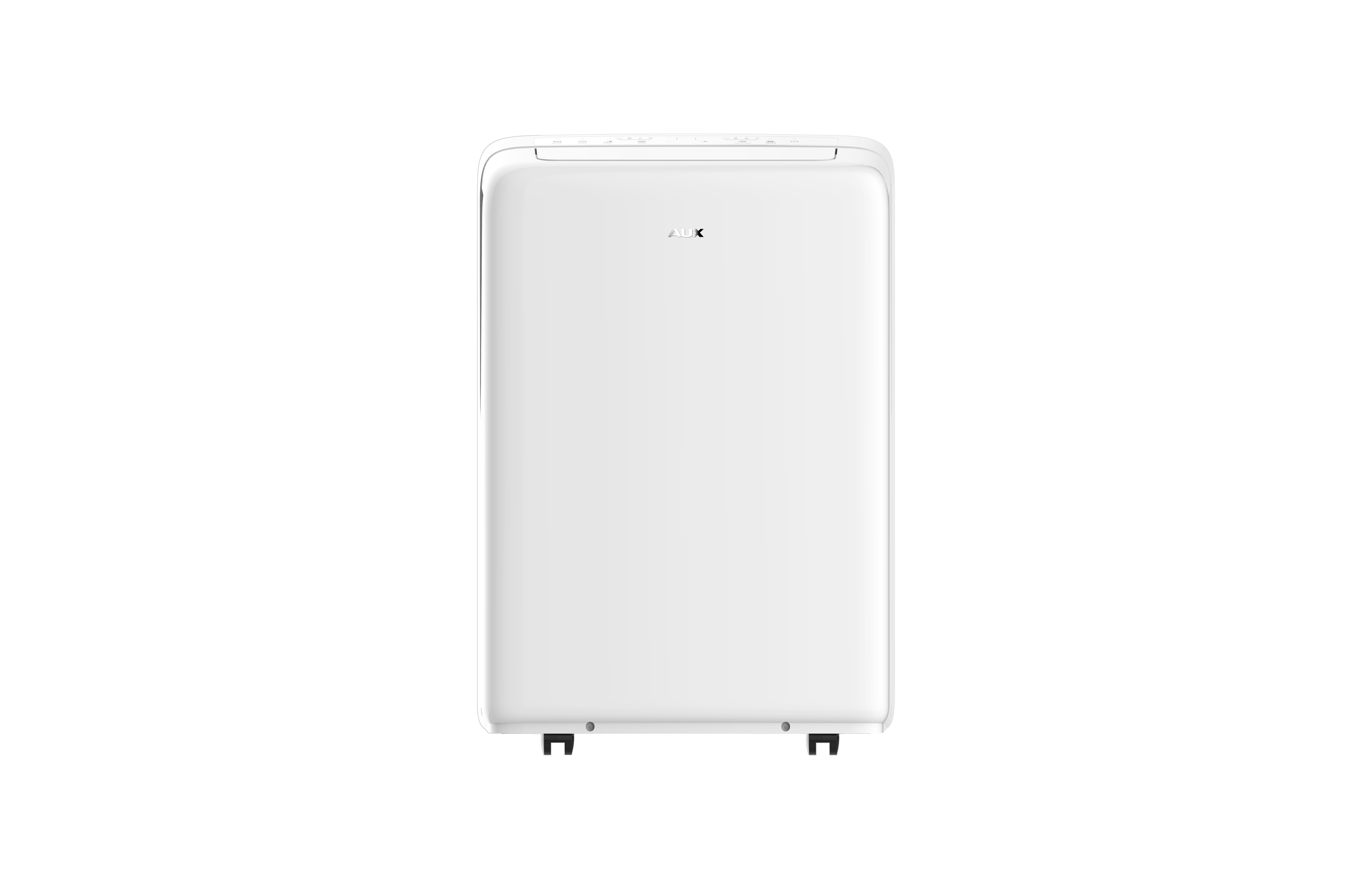
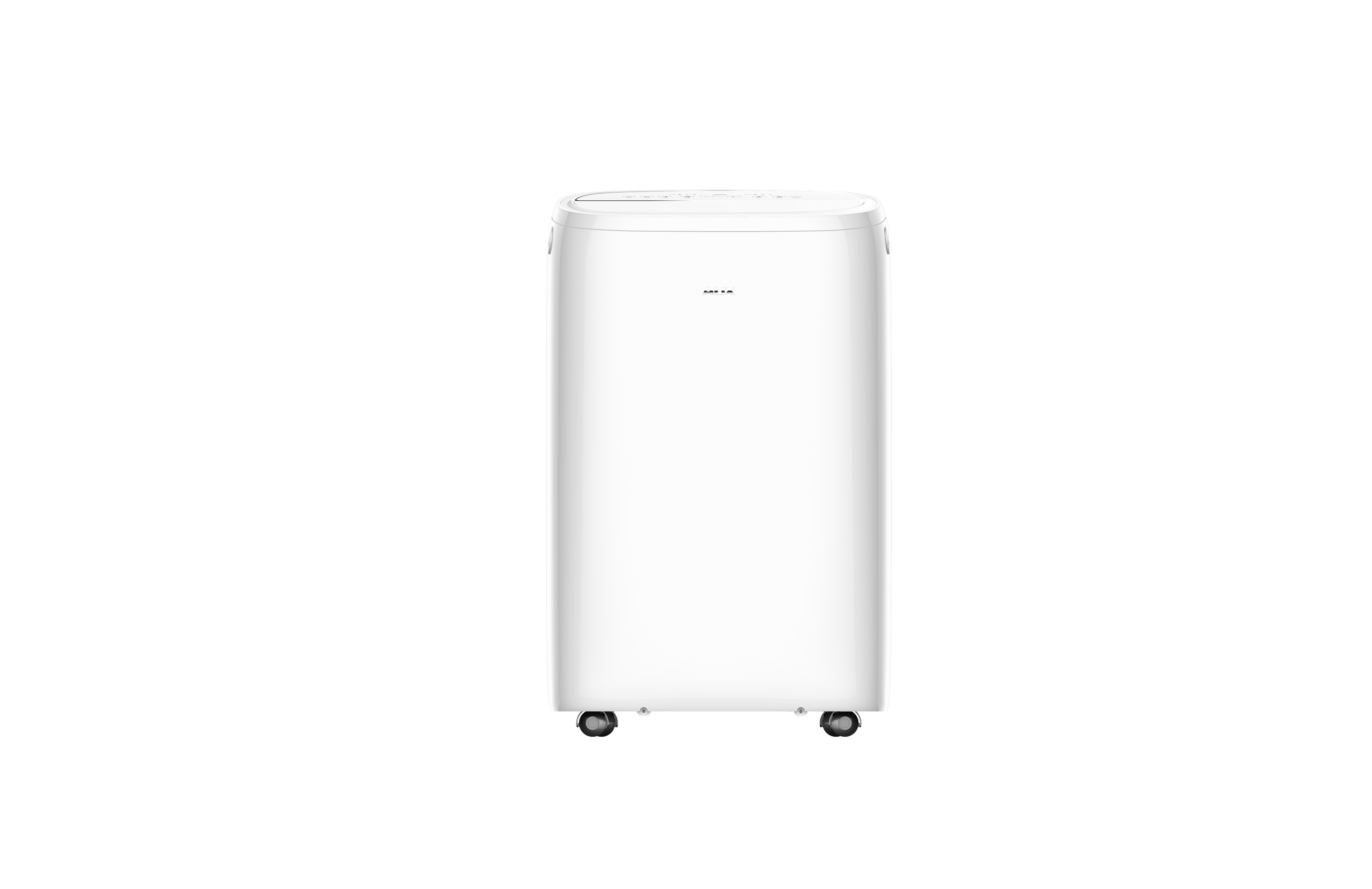
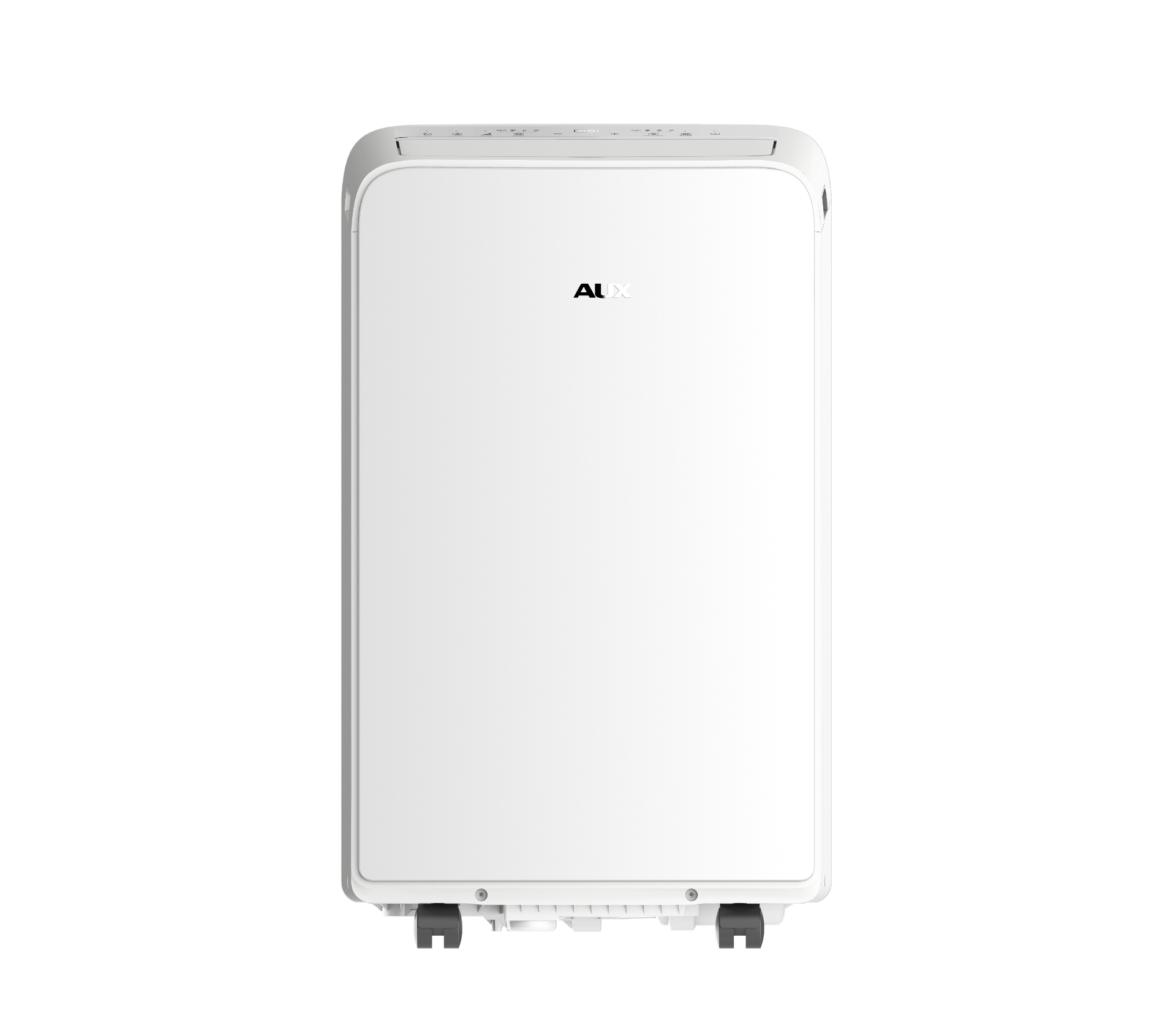
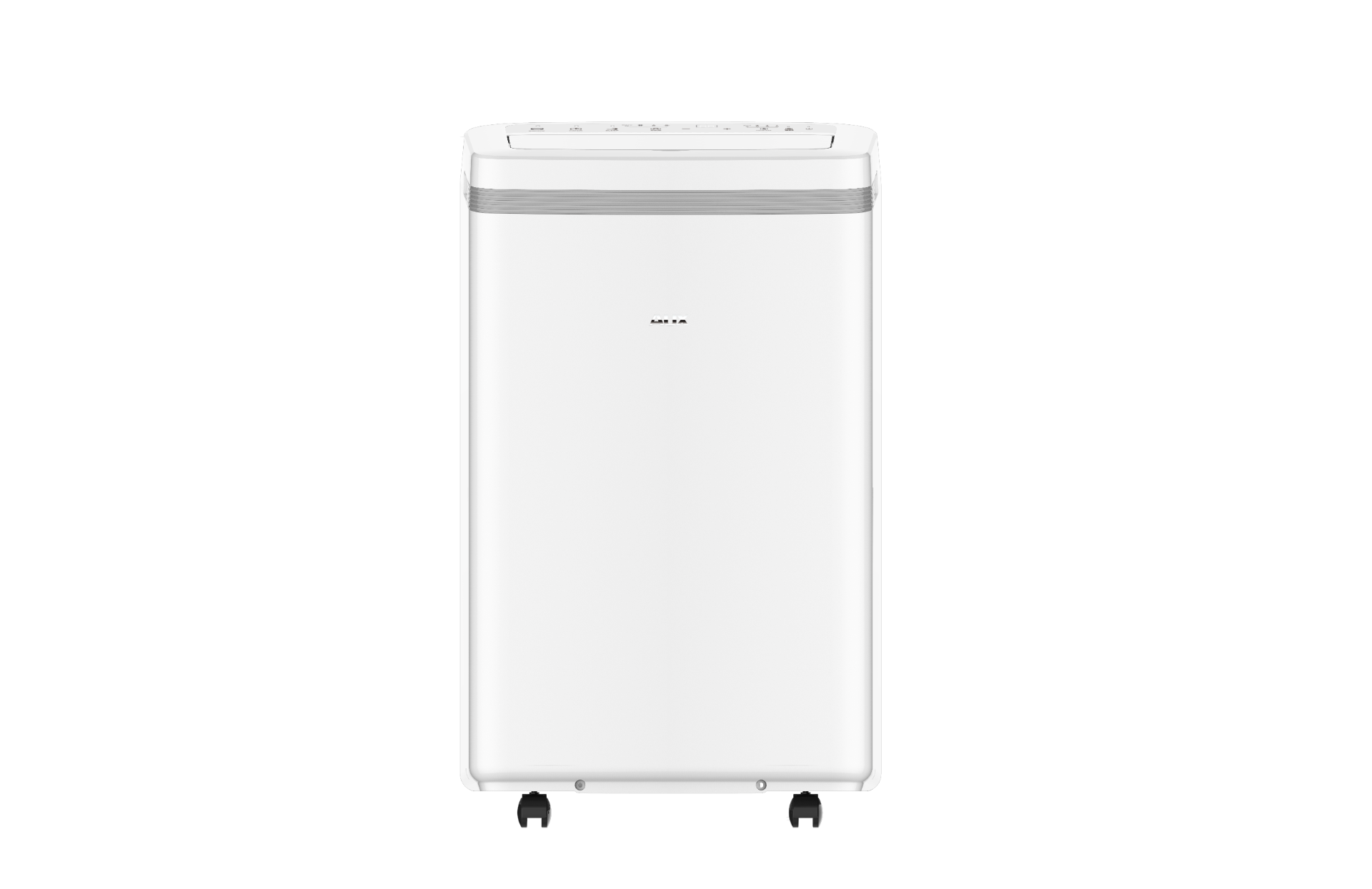
A Portable Air Conditioner (Portable AC) is a mobile, non-permanent cooling device designed primarily to chill a single room or localized space. These portable ac units stand out because of several key features:
- Mobility: They can easily be moved from room to room.
- No Wall-Drilling: You don't need to drill through walls to install an external compressor.
- Plug-and-Play: Just plug it into a standard outlet, and it's ready to go.
- Versatile Placement: Perfect for rental apartments, home offices, and temporary spaces.
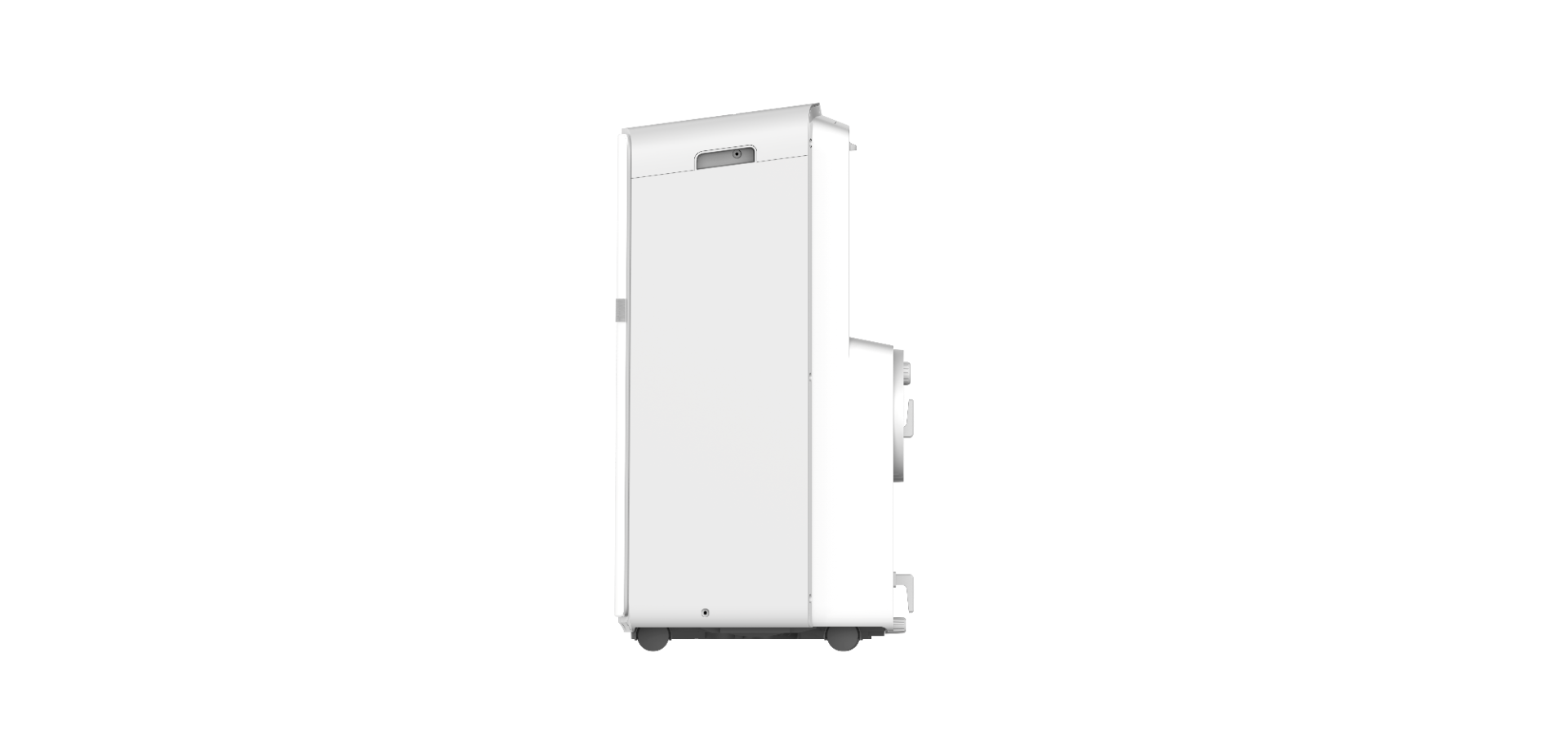
The basic component structure of an indoor portable ac typically includes:
- Main Unit: A Indoor and outdoor integrated system.
- Exhaust Hose: To vent out heat.
- Window Slider Kit: The window sealing plate used to secure the hose.
- Condensation Drainage System: To manage moisture buildup.
How Does a Portable Air Conditioner Work?
A Portable Air Conditioner is a mobile cooling system specifically designed to regulate the temperature of a designated area. If you've ever wondered, how does a portable ac work? It cools down your space using a standard refrigeration cycle, just like any other type of air conditioning:
- Drawing in warm indoor air: The unit uses an internal fan to pull the hot air from the room into the chassis, setting the stage for the cooling cycle.
- Compressor-driven refrigeration: As the warm air passes over the evaporator, the refrigerant absorbs the heat from the air. The compressor then compresses and circulates the refrigerant to generate chilled air.
- Blowing out crisp, cool air: This newly cooled air is blasted back into the room, creating a continuous loop of cool air that effectively drops the indoor temperature.
- Venting heat outside through the exhaust hose: The heat generated during this cooling process doesn't just disappear. It must be pushed outside through the exhaust hose; otherwise, the hot air would stay trapped inside, ruining the cooling efficiency of your portable ac units.
| AC Type | Portable AC Units | Mini-Split AC |
|---|---|---|
| Installation | Easy | Requires professional installation |
| Mobility | Yes | No |
| Ideal Space | Small rooms | Large spaces |
| Noise Level | Higher | Lower |
| Cooling Efficiency | Moderate | Higher |
Why Do Portable Air Conditioners Need Venting?
Many people who buy portable ac units often wonder: Why does a portable air conditioner absolutely need to be hooked up to a thick exhaust hose venting outside?
Simply put, this is determined by the core refrigeration principle of "heat transfer." As an indoor portable ac cools your space, its internal system constantly absorbs heat and moisture from the air, acting like a portable ac unit and dehumidifier. If you don't vent this accumulated high-heat air outside, it will be released right back into the room. This causes the unit to "cool and heat" at the same time, which not only fails to lower the temperature but actually makes the room feel even more hot and stuffy.
Therefore, using an exhaust hose to completely push hot air and condensed water vapor out through a window is the underlying principle that ensures your portable ac can achieve true localized cooling and maintain peak efficiency.
How to Choose a Quiet Portable AC
If you want to pick a quiet portable ac enough to sleep through, you don't need to understand complex technical jargon as an average consumer. Instead, just focus on these key details that directly impact your daily experience when trying to figure out what is a good portable ac:
- Look straight at the lowest decibel rating, not the "average": When checking the spec sheet for a portable ac that is quiet, always look for the decibel level on the "low" setting. Try to choose a model that drops below 50 dB on low. This sound level is like the gentle rustling of a household fan on its lowest setting, so it won't feel noisy when used in a bedroom or home office at night.
- Check if the compressor has soundproofing: The loud "humming" sound from an indoor portable ac mostly comes from its compressor. If you aren't sure, you can look at practical products like AUX portable air conditioners as a reference. They wrap the internal compressor with sound-insulating materials and optimize the air ducts for smoother airflow, which heavily cuts down on annoying mechanical vibrations and makes nighttime use much more worry-free.
What Is a Good Portable Air Conditioner?
If you are searching for a portable ac that is quiet, AUX models are an excellent option to consider. In real-world applications, AUX portable ac units feature practical noise-reduction optimizations. By wrapping the compressor in acoustic insulation and streamlining the air duct structure, they effectively dampen mechanical resonance when sleep mode is activated, delivering a relatively peaceful indoor environment.
Additionally, these quiet portable ac systems integrate an auto-evaporation setup that vents most of the condensation out through the exhaust hose, removing the hassle of frequent manual draining during the summer. Combined with a standard, easy-to-use window installation kit, it stands out as a well-balanced indoor portable ac choice for both performance and daily usability—especially for anyone looking to blend low noise with plug-and-play convenience in a bedroom or home office.
FAQ
In practice, if you just want to cool down a small home office or a rental bedroom, using a portable room ac for "targeted spot cooling" is actually much more energy-efficient than blasting a high-powered central AC across the whole house. When figuring out what is a good portable ac for efficiency, look for the CEER (Combined Energy Efficiency Ratio) label, or check out practical brands like AUX. Their optimized internal refrigeration cycles deliver rapid cooling, which significantly reduces the compressor's high-load runtime, striking a perfect balance between plug-and-play convenience and daily power savings with your portable ac units.
In daily use, how long your portable ac units can run continuously boils down to two hard requirements:
- Condensation Drainage: Because the unit functions as a portable ac dehumidifier, it constantly pulls moisture from the air. If it lacks an auto-evaporation feature and isn't connected to a direct drain hose, the system will instantly trigger an auto-shutoff once the internal tank is full. (This is why knowing how do you drain portable ac setups properly is crucial to prevent unexpected shutdowns.)
- Ventilation & Airflow: As long as the exhaust hose is installed correctly without any kinks and the air filters stay clean, you can easily run your indoor portable ac for days on end without a problem.
That said, to save on your energy bill and extend the unit's lifespan, it’s always best to give it a break whenever you leave the room for an extended period.